Text size

() ·

A painting made for you, by hand

Die Esterel Berge

Handgefertigte Ölreproduktion

Handgemaltes Ölgemälde auf Leinwand in Ihrer Wunschgröße und mit Rahmen, auf Bestellung von unseren Künstlern angefertigt. ( Zum Druck wechseln Zum digitalen Bild wechseln)

Beschreibung des Sammlerstücks

Erleben Sie die Schönheit der Provence durch dieses beeindruckende Landschaftsgemälde von Claude Monet! Ein Meisterwerk des Impressionismus mit außergewöhnlicher Farbgebung und Lichtwirkung.

Künstlerbiografie

Erkunden Sie Claude Monet (1840-1926), den Begründer des Impressionismus! Entdecken Sie ikonische Seerosen, Heuhaufen und Landschaften, die Licht und die Essenz der Natur einfangen. Eine zentrale Figur in der modernen Kunst.

from ·

Chapter 1

How large should it be?

Slide to change the size; the picture on the left shows the frame at its real width. The proportions of the original are kept.

Standardformat
individuell anpassbar
CM
INCH

Wählen Sie aus unseren vordefinierten Formaten, die den ursprünglichen Proportionen des Kunstwerks entsprechen.

Breite
Höhe

Geben Sie die Breite und die Höhe an, die Sie für Ihren Rahmen oder Ihre Wand benötigen. Da dieses Werk handgemalt ist, kann der Künstler bei einer anderen Form etwas mehr um das Bild herum malen oder etwas abschneiden – Sie entscheiden. Wir senden Ihnen ein digitales Mockup zur Freigabe, bevor mit dem Malen begonnen wird. Das auf dieser Seite gezeigte Bild stellt nicht das tatsächliche Ergebnis dar – dies tut nur das Mockup.

Chapter 2

How should it arrive?

Choose the edges of the stretched canvas

Choose your frame

Corner sample of the WhiteWrap canvas edge finish, stretched on Massivholz bars
White €1
Corner sample of the BlurSideWrap canvas edge finish, stretched on Massivholz bars
Blurside €1
Corner sample of the ExtendedWrap canvas edge finish, stretched on Massivholz bars
Extended €1
Corner sample of the P118B picture frame: formgepresstes Polystyrol, 5 cm wide and 3 cm thick
P118B €10
Corner sample of the P118H picture frame: formgepresstes Polystyrol, 5 cm wide and 3 cm thick
P118H €10
Corner sample of the P118W picture frame: formgepresstes Polystyrol, 5 cm wide and 3 cm thick
P118W €10
Corner sample of the P438Z picture frame: formgepresstes Polystyrol, 5.5 cm wide and 3.5 cm thick
P438Z €10
Corner sample of the P508JH picture frame: formgepresstes Polystyrol, 7 cm wide and 3.5 cm thick
P508JH €12
Corner sample of the P508YH picture frame: formgepresstes Polystyrol, 7 cm wide and 3.5 cm thick
P508YH €12
Corner sample of the P805H picture frame: formgepresstes Polystyrol, 5 cm wide and 3.5 cm thick
P805H €10
Corner sample of the P805Z picture frame: formgepresstes Polystyrol, 5 cm wide and 3.5 cm thick
P805Z €10
Corner sample of the P919BZ picture frame: formgepresstes Polystyrol, 7 cm wide and 3.5 cm thick
P919BZ €10
Corner sample of the P919G picture frame: formgepresstes Polystyrol, 7 cm wide and 3.5 cm thick
P919G €10
Corner sample of the P919XJ picture frame: formgepresstes Polystyrol, 7 cm wide and 3.5 cm thick
P919XJ €10
Corner sample of the P959ZH picture frame: formgepresstes Polystyrol, 5 cm wide and 3 cm thick
P959ZH €10
Corner sample of the P968JZ picture frame: formgepresstes Polystyrol, 6 cm wide and 4 cm thick
P968JZ €12
Corner sample of the W106C picture frame: Massivholz, 5 cm wide and 3 cm thick
W106C €8
Corner sample of the W218G picture frame: Massivholz, 5 cm wide and 3 cm thick
W218G €10
Corner sample of the W218JH picture frame: Massivholz, 5 cm wide and 3 cm thick
W218JH €8
Corner sample of the W218Y picture frame: Massivholz, 5 cm wide and 3 cm thick
W218Y €10
Corner sample of the W307PJ picture frame: Massivholz, 6 cm wide and 3 cm thick
W307PJ €10
Corner sample of the W316G picture frame: Massivholz, 6 cm wide and 3 cm thick
W316G €10
Corner sample of the W316PJ picture frame: Massivholz, 6 cm wide and 3 cm thick
W316PJ €8
Corner sample of the W316Y picture frame: Massivholz, 6 cm wide and 3 cm thick
W316Y €10
Corner sample of the W398PJ picture frame: Massivholz, 5 cm wide and 3 cm thick
W398PJ €8
Corner sample of the W4111J picture frame: Massivholz, 6.5 cm wide and 3.5 cm thick
W4111J €10
Corner sample of the W500HY picture frame: Massivholz, 7 cm wide and 5 cm thick
W500HY €15
Corner sample of the W500JH picture frame: Massivholz, 7 cm wide and 5 cm thick
W500JH €15
Corner sample of the W692G picture frame: Massivholz, 8 cm wide and 4 cm thick
W692G €12
Corner sample of the W849H picture frame: Massivholz, 5 cm wide and 3 cm thick
W849H €8
Corner sample of the W940BG picture frame: Massivholz, 7.5 cm wide and 4.5 cm thick
W940BG €15
Corner sample of the W953PJ picture frame: Massivholz, 6 cm wide and 3.5 cm thick
W953PJ €8
Corner sample of the H24-GOLD picture frame: geschnitztes Holz mit Gesso, 10 cm wide and 6 cm thick
H24-GOLD €30
Corner sample of the H24-SILVER picture frame: geschnitztes Holz mit Gesso, 10 cm wide and 6 cm thick
H24-SILVER €30
Corner sample of the H36-GOLD picture frame: geschnitztes Holz mit Gesso, 15 cm wide and 6.5 cm thick
H36-GOLD €45
Corner sample of the H36-SILVER picture frame: geschnitztes Holz mit Gesso, 15 cm wide and 6.5 cm thick
H36-SILVER €45

Moulding: . Overall size with the frame: .

Chapter 3

Who paints it, and should anything change?

Examples of what can be changed: Replace face with customer photo; Add pet (e.g., replace cat with dog); Include hidden message in background; Change background landscape or elements.
After order, OriginalUniqueArt.com team will email client for instructions and provide a mockup preview

Weltweiter Versand () in nur 3 bis 4 Wochen statt der üblichen 5 Wochen. (2 November). Keine Kompromisse bei der Qualität.

Chapter 4

The finishing touches

A nameplate, as in a museum?

Details der gravierten Bronzetafel

This elegant plaque features the artist's name and the title of the artwork, finely engraved for a timeless presentation.

It is made from bronze with a refined, elegant finish. The text is precisely laser-engraved for a sharp and permanent result. Measuring 9x2 cm, the plaque is compact yet easy to read. It's built to be durable and scratch-resistant, offering a professional, museum-quality look. Mounting is simple thanks to the included adhesive backing.

Details zur Acrylglas-Plakette (transparent)

The plaque includes essential engraved details such as the artist's name, the title of the artwork, the date it was created, the type of media used-like oil on canvas or watercolor-a brief description of the piece, and a QR code that links to the complete artwork information.

It is crafted from clear acrylic, offering a sleek, modern appearance. The text is UV-engraved in black to ensure strong visual contrast. With a size of 10x15 cm, it ensures optimal readability. It comes equipped with two metal hooks for secure wall mounting. The plaque is designed to be weather-resistant, making it suitable for various environments, and it includes interactive features that work seamlessly with smartphone scanning.

Details zur schwarzen Acryltafel

This elegant plaque includes engraved information such as the artist's name, the title of the artwork, the date it was created, the type of media used (like oil on canvas or watercolor), a short description of the artwork, and a QR code for quick access to more information.

The plaque itself is made from refined black acrylic with a premium finish. The text is laser-engraved in white for high contrast and readability. Its size is 10x15 cm, designed to be easy to read. It comes with two metal hooks for professional mounting. The design is sleek and fits any interior style. It is also weather-resistant and durable, with built-in digital integration for mobile compatibility.

A protective varnish?

When do you need it?

Chapter 5

Your painting, as you ordered it

Die Esterel Berge

Art der Reproduktion

Format der Reproduktion

-

Erstklassige Meisterkünstler

Mehr Detailtiefe, Raffinesse und zusätzliche Produktionszeit

-

Rahmen für Reproduktionen

-

-

Bei Kunstwerken oder Reproduktionen, die an einer Seite größer als 105 cm (ca. 41 Zoll) sind, wird der Rahmen zerlegt als Bausatz geliefert. Diese Methode gewährleistet eine sichere Zustellung und verhindert Schäden während des Transports.

Professionelle Montage erforderlich – dies ist kein DIY-Produkt.
Der Bausatz muss von einem erfahrenen professionellen Rahmenmacher zusammengebaut und die Leinwand gespannt werden. Hierfür werden Holzleim (nicht im Lieferumfang enthalten), eine Leinwandspannzange sowie Klemmen benötigt, um die Keilleisten während des Trocknungsvorgangs rechtwinklig zu halten. Eine unsachgemäße Montage oder eine ungleichmäßige Spannung der Leinwand kann das Kunstwerk dauerhaft beschädigen und ist nicht durch unsere Garantie abgedeckt.

  • Alle Vollholzkomponenten sind enthalten, präzise auf Maß zugeschnitten.

  • Der Zusammenbau erfolgt mit den mitgelieferten Schrauben sowie Holzkleber für die Eckverbindungen, der nicht im Lieferumfang enthalten ist und vom Rahmenbauer selbst beschafft werden muss.

  • Professionelles Werkzeug ist erforderlich und nicht im Lieferumfang enthalten: eine Keilrahmenzange (Spannwerkzeug) sowie Klammern, um die Leisten während der Trocknungszeit des Klebers rechtwinklig zu fixieren.

Wichtiger Hinweis:
Für die Eckverbindungen wird Holzleim benötigt, die Leisten müssen mit Zwingen fixiert werden, bis der Leim vollständig getrocknet ist, und das Spannen der Leinwand auf dem fertigen Rahmen erfordert eine Keilrahmen-Zange. Keines dieser Utensilien ist im Set enthalten. Bitte stellen Sie sicher, dass ein erfahrener Rahmenmacher zur Verfügung steht, bevor Sie diese Größe bestellen.

Beschriftung

-

-

Schutzlackierung

Glanzlack (verstärkt die Farben, schützt vor Licht und Feuchtigkeit)

-

Mein Kunstwerk personalisieren

Beispiele für Anpassungsmöglichkeiten: Gesicht durch Kundenfoto ersetzen; Haustier hinzufügen (z. B. Katze durch Hund ersetzen); Versteckte Nachricht im Hintergrund einfügen; Hintergrundlandschaft oder -elemente ändern.

-

Eilt sehr

Weltweiter Versand () in nur 3 bis 4 Wochen statt der üblichen 5 Wochen. (2 November). Keine Kompromisse bei der Qualität.

-

Expressversand

Weltweiter Versand () innerhalb von 5 Wochen. (9 November).

Inklusive Versand

Endpreis

€ 267

Gesamtpreis € 267

Die Glasoption ist nur für Größen unter 110 cm verfügbar.

Included with every order

  • Kostenloser weltweiter Expressversand
  • Hochwertige Leinenleinwand
  • Umfassender Versicherungsschutz beim Versand
  • Zollgebühren-Rückerstattungsgarantie
  • Garantie für exakte Farbtreue
  • 100 Tage Rückgaberecht (nur bei Mängeln)
  • 100% Geld-zurück-Garantie
  • Mengenrabatt verfügbar

A Symphony of Light and Lavender: Exploring Claude Monet’s *The Esterel Mountains*

Claude Monet's *The Esterel Mountains*, painted in 1888, transcends mere landscape depiction; it embodies the very essence of Impressionism—a movement that Monet spearheaded with unwavering conviction. Currently residing at the Courtauld Institute Galleries in London, this monumental canvas (65 x 92 cm) isn’t simply a visual record of Provence’s iconic peaks; it's an invitation to immerse oneself in a sensory experience meticulously crafted by one of art history’s most influential figures.

  • Style & Technique: Monet’s approach was revolutionary for his time. Rejecting the academic conventions of realism, he prioritized capturing fleeting impressions of light and color—a technique known as *plein air* painting. Loose brushstrokes dominate the surface, eschewing precise detail in favor of conveying atmosphere and emotion. The artist skillfully blended pigments directly onto the canvas, allowing them to mingle organically and create shimmering effects that would otherwise be unattainable.
  • Composition & Symbolism: At the heart of *The Esterel Mountains* lies a solitary pine tree positioned prominently on the left side of the composition. This deliberate placement serves as more than just an element of visual interest; it symbolizes resilience—the tree’s bent branches mirroring the undulating contours of the mountains themselves—and represents the dynamic interplay between nature and its forces. Monet's masterful use of color – predominantly soft pinks, violets, blues, and greens – contributes to a profound sense of tranquility and evokes memories of lavender fields characteristic of Provence.
  • Historical Context: Painted during Monet’s formative years as an Impressionist innovator, *The Esterel Mountains* stands alongside masterpieces like *Impression, Sunrise* and *Water Lilies*, demonstrating his unwavering dedication to capturing the ephemeral beauty of the natural world. The painting reflects the broader artistic currents of the Belle Époque—a period marked by optimism, technological advancement, and a burgeoning fascination with Impressionist ideals.
  • Emotional Impact: Viewing *The Esterel Mountains* is akin to stepping into Monet’s vision—a moment frozen in time yet brimming with vitality. The painting's serene palette and harmonious composition inspire contemplation and evoke feelings of peace and wonder, transporting the viewer to the sun-drenched slopes of the Esterel mountains.

Detailed Examination: Color Palette & Brushwork

Monet’s color choices are particularly noteworthy. He eschewed traditional chiaroscuro—the dramatic interplay of light and dark—favoring instead a luminous palette dominated by pastel hues that capture the subtle nuances of sunlight filtering through the mountain haze. Observe how Monet builds up layers of pigment, applying paint with rapid brushstrokes to create textured surfaces that shimmer with reflected light. This technique is crucial to conveying the Impressionist ideal of capturing not just what the eye sees but also what it *feels*.

Beyond Representation: Capturing Atmosphere

*The Esterel Mountains* isn't merely a depiction of a landscape; it’s an attempt to distill its essence—to convey the feeling of being present in that particular place at that specific moment. Monet achieves this feat through his masterful manipulation of color and light, inviting viewers to experience the beauty of Provence as he perceived it. It remains a testament to his enduring legacy as one of Impressionism's foremost champions.

Fragen & Antworten

Für welche Verwendung wird ein Druck von "Die Esterel Berge" empfohlen?

Die empfohlene Verwendung für "Die Esterel Berge" von Claude Monet ist Akzentuierung. Es kann jedoch auch für andere Zwecke genutzt werden.

Welche Stellung nimmt „Die Esterel Berge“ unter den wiederkehrenden Motiven von Claude Monet ein?

Zu den wiederkehrenden Themen von Claude Monet gehören nature observation, light capture, impressionist style, provence landscape, monet legacy; „Die Esterel Berge“ konzentriert sich auf mountains, sea, light, tree, provence, landscape, color.

Wie bekannt ist "Die Esterel Berge" von Claude Monet?

Die Beliebtheit von "Die Esterel Berge" von Claude Monet wird mit Ikonisch angegeben.

More about this painting

Vorschau anzeigen In AR ansehen Zum Druck wechseln Zum digitalen Bild wechseln Versenden
Details anzeigen Leitfaden Zu Favoriten hinzufügen Herunterladen Ähnliche Objekte Röntgenaufnahme Diashow Q&A Statistiken

In numbers

  • 1888the year it was painted
  • 29frames to choose from
  • standard sizes, in its own proportions
  • 5weeks to paint and deliver it
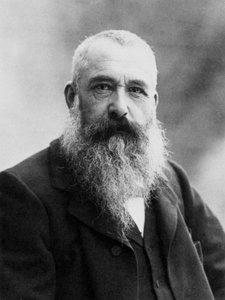
Claude Monet

Claude Monet

1840 - 1926, Frankreich

Quick facts about Claude Monet

  • Bemerkenswerte Werke:
    • Impression, soleil levant
    • Seerosen-Serie
    • Heuhaufen-Gemälde
    • Rouen Kathedrale Serie
  • Geburtsdatum: 14. November 1840
  • Geburtsort: Paris, Frankreich
  • Künstlerische Bewegung: Impressionismus
  • Künstlerische Einflüsse:
    • Eugène Boudin
    • J.M.W. Turner
  • Nationalität: Französisch
  • Todatum: 5. Dezember 1926
  • Vollständiger Name: Claude Monet

Künstlerbiografie

Frühkindliche Jahre und Einflüsse (1840-1860)

Claude Monet wurde am 14. November 1840 in Paris, Frankreich, geboren. Seine frühen Lebensjahre waren geprägt von einem Umzug seiner Familie nach Le Havre, Normandie, als er erst fünf Jahre alt war. Sein Vater, ein Großhändler, sah zunächst eine Karriere für jungen Claude im Handel, aber der Junge zeigte schon in sehr jungem Alter ein unbestreitbares Talent und Leidenschaft für Zeichnen. Während sein Vater sich darüber beschwerte, ermutigte seine Mutter seine künstlerischen Neigungen.

Ein einschneidendes Ereignis war Begegnungen von Monet mit Eugène Boudin, einem Landschaftsmaler, der ihm die Prinzipien des plein air-Malens – das Festhalten von Szenen direkt aus der Natur – näherbrachte. Diese Erfahrung prägte Monets Herangehensweise an die Kunst grundlegend und betonte Beobachtung und Spontaneität gegenüber Studio-basierter Präzision. Er begann auch, Karikaturen für lokale Unternehmen zu zeichnen und demonstrierte so schon in jungen Jahren einen unternehmerischen Geist neben seinem künstlerischen Talent.

Formale Ausbildung und Frühe Werke (1860-1874)

Im Jahr 1859 zog Monet nach Paris und tauchte ein in die lebendige Kunstszene der Stadt. Er besuchte kurzzeitig die Académie Suisse und studierte bei Charles Gleyre, wo er Künstler wie Auguste Renoir kennenlernte. Diese frühen Jahre waren durch Experimente mit verschiedenen Stilen, darunter Realismus und Porträtmalerei, gekennzeichnet. Seine anfänglichen Werke, wie Landschaften und Seenasichten, spiegelten eine sich entwickelnde Fähigkeit wider, aber sie enthielten noch nicht den charakteristischen Stil, der ihn später definieren sollte.

Der Franco-Preußenkrieg (1870-1871) störte seinen künstlerischen Fortschritt und zwang ihn, Zuflucht in London zu suchen. Während dieser Zeit studierte er englische Landschaftsmaler wie J.M.W. Turner, deren atmosphärische Effekte Monets eigenen sich entwickelnden Stil tief beeinflussten.

Die Geburt des Impressionismus und die "Impression, soleil levant" (1874-1883)

Monet, zusammen mit anderen Künstlern, die mit dem konservativen Salon-System unzufrieden waren, begannen, ihre Werke unabhängig zu zeigen. Die Ausstellung von 1874, die von diesen Künstlern organisiert wurde, gilt als ein Meilenstein in der Kunstgeschichte und leitete den Begriff "Impressionismus" ein. Monets Gemälde “Impression, soleil levant” (Impression, Sunrise), das auf dieser Schau ausgestellt wurde, gab dem Bewegung ihren Namen.

Diese Periode sah Monet die Entwicklung seines charakteristischen Stils: lockere Pinselstriche, leuchtende Farben und einen Fokus auf das Festhalten flüchtiger Momente von Licht und Atmosphäre. Er malte häufig en plein air und arbeitete schnell, um seine unmittelbaren Eindrücke der Landschaft festzuhalten.

Giverny und die Seerosen-Serie (1883-1926)

Im Jahr 1883 ließ sich Monet in Giverny nieder, einem Dorf nordwestlich von Paris. Er kaufte ein Haus mit einem großen Garten, den er in einen elaborierten Paradiesgarten verwandelte, der Seerosen, Weiden und japanische Brücken – all dies wurden wiederkehrende Motive in seiner Kunst.

Die letzten Jahrzehnte Monets Lebens waren größtenteils dem Malen des Seerosenteichs in Giverny gewidmet. Dies führte zu der monumentalen Seerosen-Serie (Nymphéas), einer umfangreichen Sammlung von Gemälden, die die Reflexionen und sich ändernden Lichtverhältnisse des Teichs darstellen. Diese Werke, die durch ihre Größe und ihren immersiven Charakter geprägt sind, gelten als einige seiner größten Leistungen.

Künstlerische Entwicklung & Techniken

Plein Air Painting: Monets Engagement für das Malen im Freien war zentral für seine künstlerische Entwicklung. Es ermöglichte ihm, Licht und Atmosphäre direkt zu beobachten und einzufangen. Broken Color: Er setzte eine Technik namens "Broken Color" ein, bei der kleine Pinselstriche aus reinen, ungemischten Farben nebeneinander platziert wurden, sodass das Auge des Betrachters sie optisch miteinander verbindet. Series Painting: Monets Erkundung der Serie-Malerei – das Abbilden desselben Motivs unter verschiedenen Lichtverhältnissen und Wetterbedingungen – war revolutionär und demonstrierte die transformative Kraft von Licht und Zeit.

Wichtige Errungenschaften & Anerkennung

  • Gründer des Impressionismus
  • Schöpfer der ikonischen Seerosen-Serie
  • Revolutionierung der Landschaftsmalerei durch plein air-Techniken
  • Erreichen von beträchtlichem kommerziellem Erfolg während seines Lebens, was für avantgardistische Künstler eine Seltenheit war.

Historische Bedeutung

Monets Einfluss auf die Kunstgeschichte ist unbestreitbar. Er hat nicht nur die Impressionistenbewegung ins Leben gerufen, sondern auch den Weg für die moderne Kunst geebnet, die sich mit Subjektivität und Abstraktion auseinandersetzt. Sein Fokus auf das Festhalten flüchtiger Momente und die subjektive Erfahrung des Sehens beeinflusste nachfolgende Generationen von Künstlern nachhaltig. Sein Werk inspiriert weiterhin Ehrfurcht und Bewunderung und festigt seinen Platz als eine der wichtigsten Figuren der westlichen Kunst.

Monet starb am 5. Dezember 1926 und hinterließ ein Vermächtnis, das unsere Auffassung von Licht, Farbe und der Schönheit der Natur weiterhin prägt. Museen wie das Musée d'Orsay und das Musée Marmottan Monet in Paris beherbergen bedeutende Sammlungen seiner Werke und sichern so seine dauerhafte Präsenz in der Kunstwelt.

Eckdaten

  • Dimensions: 65 x 92 cm
  • Year: 1888
  • Medium: Öl auf Leinwand
  • Notable elements or techniques: Direkte Malerei im Freien; Verwendung von leuchtenden Farben und großen Pinselstrichen.
  • Movement: Impressionismus
  • Artistic style: Atmosphärische Darstellung; Fokus auf Licht und Farbe.

Kunst-Quiz

Jede Frage hat nur eine richtige Antwort.

Frage 1:
¿Quién pintó "La Esterel Montañas"?
Frage 2:
¿Dónde se encuentra actualmente esta obra maestra?
Frage 3:
¿Qué movimiento artístico caracteriza principalmente "La Esterel Montañas"?
Frage 4:
¿Cuál es una característica distintiva de la técnica utilizada por Monet en esta pintura?
Frage 5:
¿Qué simboliza el árbol solitario en la composición?