Vorschau anzeigen
 Versenden
 Teilen
 Details anzeigen

 Herunterladen
 Ähnliche Objekte
 Röntgenaufnahme
 Diashow
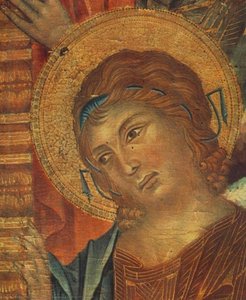
St John (detail)
 Early Renaissance
 1280
1280- Late Medieval
 450.0 x 900.0 cm
 Weiterlesen
Handgefertigte Ölreproduktion
Handgemaltes Ölgemälde auf Leinwand in Ihrer Wunschgröße und mit Rahmen, auf Bestellung von unseren Künstlern angefertigt. ( Druck bestellen Bild kaufen)




P118B $10

P118H $10

P118W $10

P438Z $10

P508JH $12

P508YH $12

P805H $10

P805Z $10

P919BZ $10

P919G $10

P919XJ $10

P959ZH $10

P968JZ $12

W106C $8

W218G $10

W218JH $8

W218Y $10

W307PJ $10

W316G $10

W316PJ $8

W316Y $10

W398PJ $8

W4111J $10

W500HY $15

W500JH $15

W692G $12

W849H $8

W940BG $15

W953PJ $8




Wählen Sie aus unseren vordefinierten Formaten, die den ursprünglichen Proportionen des Kunstwerks entsprechen.

Sie können Ihre eigenen Maße eingeben, um einen bestimmten Rahmen oder Platz auszufüllen. Wenn die gewählte Größe nicht den Proportionen des Originalbildes entspricht, werden wir das Kunstwerk entweder beschneiden oder das Gemälde durch zusätzliche, handgemalte Elemente erweitern. Ein digitales Mockup wird Ihnen zur Genehmigung zugesandt, bevor die Produktion beginnt.
Bitte beachten Sie, dass die Bildschirmvorschau nicht die tatsächliche Beschneidung oder Erweiterung widerspiegelt. Nur das Mockup zeigt die endgültige Komposition exakt an.
Obwohl Sondermaße verfügbar sind, empfehlen wir, eine Größe aus der vordefinierten Liste zu wählen, um die ursprünglichen Proportionen beizubehalten.
Nach der Bestellung wird das OriginalUniqueArt.com-Team dem Kunden Anweisungen per E-Mail zusenden und eine Mockup-Vorschau bereitstellen.
Weltweiter Versand () in nur 3 bis 4 Wochen statt der üblichen 5 Wochen. (15 August). Keine Kompromisse bei der Qualität.

Kostenloser weltweiter Expressversand

Hochwertige Leinenleinwand

Umfassender Versicherungsschutz beim Versand

Zollgebühren-Rückerstattungsgarantie

Garantie für exakte Farbtreue

60 Tage Rückgaberecht (nur bei Mängeln)

100% Geld-zurück-Garantie

Mengenrabatt verfügbar
 Die Glasoption ist nur für Größen unter 110 cm verfügbar.

St John (detail)
Art der Reproduktion
Format der Reproduktion
-


Gesamtpreis
$ 300
Beschreibung des Kunstwerks
A Glimpse into Contemplation: Cimabue’s “St John” (Detail)
Cimabue's "St John" (detail), painted around 1280, offers more than just a portrait; it presents a profound meditation on faith, solitude, and the nascent shift in artistic sensibilities that would ultimately birth the Renaissance. This intimate close-up, measuring an impressive 450 x 900 cm, invites us to linger over the figure of St John, seated thoughtfully within a richly detailed yet subtly restrained Byzantine space. The painting’s power lies not in dramatic action or vibrant color – though these elements are present – but rather in its quiet intensity and the palpable sense of introspection radiating from the subject's posture.
The image captures a pivotal moment, likely depicting St John the Evangelist in his later years, perhaps reflecting on his experiences and the revelations he received. Cimabue’s approach is distinctly Byzantine, evident in the monumental scale, the hierarchical arrangement of figures (though subtly compressed here), and the use of gold leaf to highlight key elements like the archway above the saint. However, even within this established framework, Cimabue demonstrates a remarkable willingness to experiment. The figure's pose – head bowed, absorbed in contemplation – is remarkably humanistic, a departure from the more rigidly formal depictions common in earlier Byzantine art. This subtle shift towards naturalism, coupled with the careful modeling of form and the nuanced rendering of drapery, foreshadows the artistic breakthroughs that would soon define the Italian Renaissance.
The Painter’s Hand: Technique and Materials
Cimabue's mastery is immediately apparent in his meticulous technique. He employed tempera on panel, a medium favored for its luminosity and durability – qualities crucial for preserving the delicate details of this work. The layering of paint, achieved through numerous thin glazes, creates an astonishing sense of depth and texture, particularly noticeable in the folds of the saint’s robe and the subtle variations in light across his face. Observe how he renders the fabric; it isn't simply painted flat, but sculpted with delicate brushstrokes that suggest weight and movement. The use of gold leaf is not merely decorative; it serves to draw the eye to key areas – the archway, symbolizing divine grace – and imbues the scene with a sense of sacredness.
The background, though partially obscured, reveals a carefully constructed architectural setting typical of Byzantine art. The arched doorway, reminiscent of Roman architecture but executed with a distinctly Byzantine sensibility, provides a visual anchor for the composition. Notice the use of perspective – subtly employed to create an illusion of depth and space, a technique that Cimabue was pioneering. This careful attention to detail demonstrates his growing understanding of spatial relationships, laying the groundwork for future artists to explore these concepts more fully.
Symbolism and Spiritual Resonance
Beyond its technical brilliance, “St John” is rich in symbolic meaning. The act of reading – or perhaps studying a map or scroll – suggests contemplation and learning, qualities associated with St John’s role as the author of the Gospel of Revelation. The archway above represents the gateway to divine knowledge and understanding. The figure's solitary posture speaks to the spiritual journey, highlighting the importance of inner reflection and connection with the divine. It is a scene that invites viewers to contemplate their own faith and seek solace in quiet contemplation – a theme deeply resonant within the religious context of 13th-century Florence.
A Window into a Changing World
Cimabue’s “St John” (detail) stands as a crucial document in the transition from Byzantine to Renaissance art. While firmly rooted in the traditions of his predecessors, Cimabue's subtle innovations – particularly his embrace of naturalism and his exploration of spatial relationships – represent a vital step towards the artistic revolution that would transform Western art. This reproduction offers an unparalleled opportunity to experience this pivotal work firsthand, bringing its quiet beauty and profound symbolism into your home or studio. Its scale allows for impactful display, while the meticulous detail faithfully captures Cimabue’s artistry, making it a stunning addition to any collection or a thoughtful gift for discerning art lovers.
Über den Künstler
das Brechen des italo-byzantinischen Stils
Cimabue, geboren um 1240 und gestorben im Jahr 1302, war ein einflussreicher italienischer Maler und Mosaikdesigner aus Florenz, auch bekannt als Cenni di Pepo. Als Pionier des Brechens mit dem italo-byzantinischen Stil wird Cimabue für die Einführung von realistischeren Proportionen und Schattierung in seiner Arbeit gefeiert, was einen bedeutenden Übergang zum Realismus in der mittelalterlichen Kunst markierte.Frühes Leben und Ausbildung
Über Cimabues frühes Leben ist wenig bekannt. Eine Quelle, die über seine Karriere berichtet, ist Giorgio Vasaris Lives of the Most Excellent Painters, Sculptors and Architects, deren Genauigkeit jedoch ungewiss ist. Er wurde in Florenz geboren und starb in Pisa. Laut Kunsthistoriker Pietro Tosca ist Cimabues früheste zugeschriebene Arbeit, die Kreuzigung in der Kirche San Domenico in Arezzo, aus dem Jahr 1270 und zeigt eine Abweichung vom byzantinischen Stil.Bekannte Werke
* Maestà (ursprünglich in der Kirche San Francesco in Pisa ausgestellt, jetzt im Louvre): Dieses Werk etablierte einen Stil, der von zahlreichen Künstlern fortgesetzt wurde, darunter Duccio di Buoninsegna in seiner Ruccellai Madonna (früher fälschlicherweise Cimabue zugeschrieben). * Flagellation (Frick Collection): Ein Werkstattgemälde, das möglicherweise einer späteren Periode zuzuordnen ist. * Mosaike für die Florenzer Baptisterium (jetzt weitgehend restauriert): Im schlechten Zustand aufgrund der Oxidation der helleren Farben.Einfluss und Vermächtnis
Cimabues Kunst spielte eine entscheidende Rolle bei der Übergang von byzantinischen zu realistischeren Darstellungen in der italienischen Malerei, und sein Einfluss auf nachfolgende Künstler war tiefgreifend. Seine Werke, die durch einen Zusammenschnitt traditioneller und innovativer Techniken gekennzeichnet sind, markieren ein wichtiges Kapitel in der Kunstgeschichte, das den Übergang zwischen mittelalterlichen und Renaissance-Stilen überspannte.- Betrachten Sie Cimabues Werke unter https://OriginalUniqueArt.com/@/cimabue
- Erfahren Sie mehr über die Trecento-Kunstbewegung unter https://OriginalUniqueArt.com/@@/a@d3cpph
- Lesen Sie Cimabues Biografie auf Wikipedia unter https://en.wikipedia.org/wiki/cimabue

Cimabue
1240 - 1302 , Italien
Kurzinfos
- Beeinflusste Künstler: ['Giotto di Bondone']
- Bemerkenswerte Werke:
- Maestà
- Kreuzigung (Arezzo)
- Flagellation Christi
- Geburtsdatum: ca. 1240
- Geburtsort: Florenz, Italien
- Künstlerische Bewegung: Italo-byzantinisch, Frührenaissance
- Nationalität: Italienisch
- Todestag: 1302
- Vollständiger Name: Cimabue
- Von Künstlern Beeinflusst: ['Byzantinische Kunst']
Ähnliche Artikel

John Singer Sargent: Die 25 Meisterwerke des Porträts – Kunst für Ihr Zuhause | OriginalUniqueArt
Entdecken Sie die 25 Meisterwerke von John Singer Sargent! Tauchen Sie ein in die Welt der Porträtmalerei, des Impressionismus & der Belle Époque. Hochwertige Kunstdrucke & Reproduktionen für Ihr Zuhause – jetzt auf OriginalUniqueArt.com!

John Constable: Die 25 Meisterwerke des englischen Landschaftsgenies – OriginalUniqueArt
Entdecken Sie die 25 Meisterwerke von John Constable! Erleben Sie englische Landschaftsmalerei vom Hay Wain bis zur Stour Valley. Hochwertige Reproduktionen & Kunst für Ihr Zuhause auf OriginalUniqueArt.com.

El Greco: Die 25 Meisterwerke – Kunst für Ihr Zuhause | OriginalUniqueArt
Entdecken Sie die 25 bedeutendsten Meisterwerke von El Greco! Erleben Sie die spirituelle Tiefe und den dramatischen Stil des griechischen Malers. Hochwertige Kunstdrucke & Inspiration für Ihr Zuhause auf OriginalUniqueArt.com.
Giotto di Bondone: Die 25 Meisterwerke des Frührenaissance – Kunst für Ihr Zuhause
Entdecken Sie die 25 Meisterwerke von Giotto di Bondone! Erleben Sie die Frührenaissance, religiöse Kunst & ikonische Fresken wie in der Scrovegni Kapelle. Hochwertige Kunstdrucke online bei OriginalUniqueArt.com – für zeitlose Eleganz in Ihrem Zuhause.
Illuminating Eternity: A Comprehensive Exploration of Byzantine Art's Legacy
Explore the rich history & stunning artistry of the Byzantine Empire! Discover iconic mosaics, profound symbolism, and lasting influence on Western art. A comprehensive guide for history lovers.