

 Vorschau anzeigen
 Versenden
 Teilen
 Details anzeigen

 Herunterladen
 Ähnliche Objekte
 Röntgenaufnahme
 Diashow
 Statistiken
Poor Artist's Cupboard
 Oil
Oil- WallArt
 1815
1815- 19th Century
 95.0 x 90.0 cm
 Weiterlesen
Handgefertigte Ölreproduktion
Handgemaltes Ölgemälde auf Leinwand in Ihrer Wunschgröße und mit Rahmen, auf Bestellung von unseren Künstlern angefertigt. ( Zu Druck wechseln Zum digitalen Bild wechseln)




































Wählen Sie aus unseren vordefinierten Formaten, die den ursprünglichen Proportionen des Kunstwerks entsprechen.

Sie können Ihre eigenen Maße eingeben, um einen bestimmten Rahmen oder Platz auszufüllen. Wenn die gewählte Größe nicht den Proportionen des Originalbildes entspricht, werden wir das Kunstwerk entweder beschneiden oder das Gemälde durch zusätzliche, handgemalte Elemente erweitern. Ein digitales Mockup wird Ihnen zur Genehmigung zugesandt, bevor die Produktion beginnt.
Bitte beachten Sie, dass die Bildschirmvorschau nicht die tatsächliche Beschneidung oder Erweiterung widerspiegelt. Nur das Mockup zeigt die endgültige Komposition exakt an.
Obwohl Sondermaße verfügbar sind, empfehlen wir, eine Größe aus der vordefinierten Liste zu wählen, um die ursprünglichen Proportionen beizubehalten.
Nach der Bestellung wird das OriginalUniqueArt.com-Team dem Kunden Anweisungen per E-Mail zusenden und eine Mockup-Vorschau bereitstellen.
Weltweiter Versand () in nur 3 bis 4 Wochen statt der üblichen 5 Wochen. (11 September). Keine Kompromisse bei der Qualität.

Kostenloser weltweiter Expressversand

Hochwertige Leinenleinwand

Umfassender Versicherungsschutz beim Versand

Zollgebühren-Rückerstattungsgarantie

Garantie für exakte Farbtreue

100-Tage-Rückgaberecht (nur bei Mängeln)

100% Geld-zurück-Garantie

Mengenrabatt verfügbar
 Die Glasoption ist nur für Größen unter 110 cm verfügbar.

Poor Artist's Cupboard
Art der Reproduktion
Format der Reproduktion
-


Gesamtpreis
$ 300
A Poignant Still Life of Penury and Perseverance
In the quiet, shadowed alcove of Charles Bird King’s 1815 masterpiece, Poor Artist's Cupboard, we are invited into a deeply intimate and melancholic corner of a creative life. This nearly square still life is far more than a mere collection of objects; it is a profound narrative of struggle, intellectual hunger, and the heavy weight of financial instability. At first glance, the viewer encounters a cluttered niche, an arched space crammed with the remnants of a life lived on the edge of necessity. A crusty piece of bread sits alongside a short glass of water, symbols of the most basic sustenance, yet they are surrounded by a dense, almost overwhelming accumulation of books and papers that suggest a mind far richer than the hands that hold them.
The composition is masterfully arranged to guide the eye through a labyrinth of symbolic details. King utilizes a tight, claustrophobic arrangement to evoke the feeling of being trapped by circumstance. To the right, a red portfolio holds a sheaf of loose papers beneath the heavy weight of Lives of the Painters, a title that serves as a poignant reminder of the artist's own vocation and perhaps his precarious standing within it. The light catches the edges of a pink conch shell and the gold lettering on various spines, creating small flickers of beauty amidst the gloom. There is a tactile quality to the work; one can almost feel the rough texture of the bread, the cold smoothness of the glass, and the brittle, aging parchment of the many books that line the back of the alcove.
The Language of Symbolism and Hidden Narratives
Every object within this cupboard acts as a silent protagonist in a drama of survival. King employs a sophisticated layer of literary and social symbolism to communicate the artist's internal state. The titles found on the book spines are particularly devastating: Miseries of Life, Calamities of Author, and Unpaid Bills whisper of a reality where debt is as constant as the hunger for knowledge. Even more heartbreaking is the sight of a book titled Pleasures of Hope, where the very word "hope" has been physically ripped through by a torn page, suggesting a loss of optimism or the fragility of such a sentiment in the face of poverty.
The inclusion of calling cards addressed to "Palette," mentioning a debt of five dollars, grounds the painting in a specific, relatable human struggle. This is not an idealized, classical still life of abundance; it is a gritty, autobiographical reflection on the cost of an artistic life. The presence of a protractor and various instructional texts suggests that despite the lack of material wealth, there remains a rigorous commitment to the craft and the pursuit of technical mastery. It is this tension between the physical deprivation of the body and the intellectual expansion of the spirit that gives the painting its enduring emotional resonance.
A Timeless Addition for Discerning Collectors
For the art lover or interior designer, Poor Artist's Cupboard offers a unique opportunity to introduce a piece of profound historical depth into a contemporary space. The muted palette of browns, deep reds, and soft greens, punctuated by the rosy glow of the conch shell, provides a sophisticated tonal anchor for a room. As a high-quality reproduction, this work serves as a conversation starter, inviting guests to lean in closer and decipher the many layers of meaning hidden within its shadows.
Whether placed in a study, a library, or a curated gallery wall, this painting brings with it an atmosphere of contemplative quietude. It celebrates the resilience of the human spirit and the enduring power of art to find beauty within the most humble of circumstances. Owning a reproduction of this work is not merely about decorating a wall; it is about preserving a moment of historical empathy and honoring the complex, often difficult journey of the creative soul.
Über den Künstler
Frühes Leben und Ausbildung
Charles Bird King, ein bedeutender amerikanischer Porträtkünstler, wurde am 26. September 1785 in Newport, Rhode Island geboren. Er war das einzige Kind von Deborah Bird und Captain Zebulon King, einem amerikanischen Revolutionsveteranen. Nach dem frühen Tod seines Vaters durch Native Americans in der Nähe von Marietta, Ohio, als Charles gerade vier Jahre alt war, kehrten er und seine Mutter nach Newport zurück.Künstlerische Entwicklung
Mit 15 Jahren begann King seine künstlerische Laufbahn unter der Anleitung des Porträtmalers Edward Savage in New York. Später zog er nach London, um sieben Jahre lang an der Royal Academy bei dem renommierten Benjamin West zu studieren. Diese Auseinandersetzung mit europäischen Kunststilen beeinflusste seine Arbeit maßgeblich. Nach seiner Rückkehr in die Vereinigten Staaten aufgrund des Krieges von 1812 arbeitete King in Philadelphia, Baltimore und Richmond, bevor er sich von den wirtschaftlichen Möglichkeiten angezogen nach Washington, D.C. niederließ.Bemerkenswerte Werke und Stil
Kings Porträts von Native American Führern und Stammesangehörigen sind besonders bemerkenswert. Zu seinen bekanntesten Werken gehören:- John C. Calhoun, Secretary of War, das den ehrgeizigen Geist des Politikers widerspiegelt (derzeit im Chrysler Museum of Art in Norfolk, Vereinigte Staaten).
- Kee-shes-wa, ein Fox-Häuptling, ein Beweis für seine Fähigkeit, Native American Führer einzufangen.
- Jack-o-pa, ein Chippeway [Chippewa]-Häuptling, ein weiteres Beispiel für seine Porträtkunstfertigkeit.
- Teh-ro-hon, ein Ioway-Krieger, der seine Fähigkeit widerspiegelt, die Essenz von Native American Kriegern einzufangen.
- Ein Porträt von Co-sne-boin, das seine Meisterschaft über verschiedene Sujets demonstriert.
Vermächtnis und Bedeutung
Kings wirtschaftlicher Erfolg lässt sich auf seine Fähigkeit zurückführen, mit wohlhabenden Personen zu verkehren und sich gut auszubilden Politiker anzupassen. Zu seinen Schirmherren gehörten prominente Persönlichkeiten wie John Quincy Adams, Henry Clay, James Monroe und Daniel Webster. Obwohl er nie heiratete, lebte King in Washington bis zu seinem Tod am 18. März 1862. Er hinterließ eine Sammlung von Gemälden, Büchern und Drucken an der Redwood Library and Athenaeum. Wichtige Punkte:- Er wurde 1827 als Ehrenakademiker in die National Academy of Design aufgenommen.
- Bekannt für seine traditionellen europäischen Manierismen, die auf Native American Sujets angewendet wurden.
- Seine Arbeit ist geprägt von einer Mischung aus niederländischen und nordeuropäischen Einflüssen, was seine Zeit an der Royal Academy widerspiegelt.
- Erkunden Sie weitere Werke von Charles Bird King auf OriginalUniqueArt.
- Informieren Sie sich über andere Künstler wie Moroni, Giovanni Battista, die für ihre realistischen Porträts bekannt sind, auf der Künstlerseite von OriginalUniqueArt.
- Entdecken Sie die Entwicklung der westlichen Kunst im Laufe der Jahrhunderte über die Wahoo Art Timeline.
Referenzen:
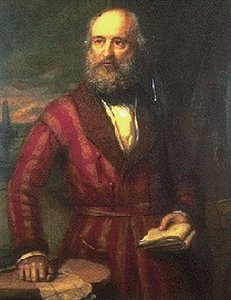
Charles Bird King
1785 - 1862 , Vereinigte Staaten von Amerika
Kurzinfos
- Bemerkenswerte Werke:
- John C. Calhoun, Kriegsminister
- Kee-shes-wa, ein Fox-Häuptling
- Jack-o-pa, ein Chippeway-Häuptling
- Teh-ro-hon, ein Ioway-Krieger
- Geburtsdatum: 26. September 1785
- Geburtsort (Stadt, Land): Newport News, USA
- Künstler, Die Diesen Künstler Beeinflussten:
- Benjamin West
- Edward Savage
- Künstlerische Bewegung Oder Stil: Traditioneller europäischer Stil
- Nationalität: Amerikanisch
- Todatum: 18. März 1862
- Vollständiger Name: Charles Bird King
Ähnliche Artikel

Charles Bird King: Capturing Native American Dignity Through Portraiture & Cultural Exchange
Explore the captivating portraits of Charles Bird King, renowned for his depictions of Native American leaders. Discover the historical context, artistic techniques, and collecting value of these significant 19th-century artworks.
Clyfford Still's Abstract Expressionism: A Study of Color, Form & the Existential Landscape
Explore the profound world of Clyfford Still's Abstract Expressionism with OriginalUniqueArt. Discover his unique style, existential themes & investment potential. Expert analysis for discerning collectors.

Silent Narratives: Exploring the Enduring Appeal of Still Life Painting Across Centuries
Explore the rich history of still life painting with OriginalUniqueArt. Discover Dutch Masters, decode vanitas symbolism & learn about collecting timeless art. Expert insights and museum-quality reproductions.
Vom klassischen Stillleben zur zeitgenössischen Abstraktion: Die Veredelung von Villa-Ambientes durch kunstvolle Reproduktionen
Entdecken Sie die faszinierende Welt der Stilllebenmalerei! Von historischen Meisterwerken bis zur zeitgenössischen Abstraktion – wir bieten hochwertige Reproduktionen für luxuriöse Villa-Ambientes. Expertenberatung & Kunstsammlerqualität.
The Enduring Appeal of Still Life: A Historical & Contemporary Exploration
Explore the rich history & symbolism of still life painting with OriginalUniqueArt. Discover masterpieces from the Dutch Golden Age, learn about vanitas art, and find expert guidance for collecting timeless artworks.