

 In echtem Maßstab anzeigen
 Versenden als Grußkarte
 Teilen
 Details anzeigen
 Leitfaden öffnen

 Herunterladen
 Ähnliche Objekte
 Röntgenaufnahme
 Diashow
 Besucherstatistiken
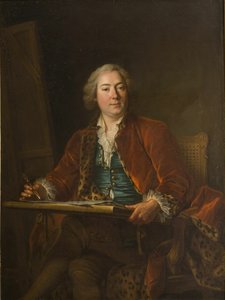
Self-Portrait
 Oil On Canvas
- WallArt
- Rococo
 1762
1762 88.0 x 72.0 cm
 Eremitage Museum
 Mehr anzeigen
Handgefertigte Ölreproduktion
Handgemaltes Ölgemälde auf Leinwand in Ihrer Wunschgröße und mit Rahmen, auf Bestellung von unseren Künstlern angefertigt. ( Zum Druck wechseln Zum digitalen Bild wechseln)




P118B €10

P118H €10

P118W €10

P438Z €10

P508JH €12

P508YH €12

P805H €10

P805Z €10

P919BZ €10

P919G €10

P919XJ €10

P959ZH €10

P968JZ €12

W106C €8

W218G €10

W218JH €8

W218Y €10

W307PJ €10

W316G €10

W316PJ €8

W316Y €10

W398PJ €8

W4111J €10

W500HY €15

W500JH €15

W692G €12

W849H €8

W940BG €15

W953PJ €8




Wählen Sie aus unseren vordefinierten Formaten, die den ursprünglichen Proportionen des Kunstwerks entsprechen.

Geben Sie die Breite und die Höhe an, die Sie für Ihren Rahmen oder Ihre Wand benötigen. Da dieses Werk handgemalt ist, kann der Künstler bei einer anderen Form etwas mehr um das Bild herum malen oder etwas abschneiden – Sie entscheiden. Wir senden Ihnen ein digitales Mockup zur Freigabe, bevor mit dem Malen begonnen wird. Das auf dieser Seite gezeigte Bild stellt nicht das tatsächliche Ergebnis dar – dies tut nur das Mockup.
Nach der Bestellung wird das OriginalUniqueArt.com-Team dem Kunden Anweisungen per E-Mail zusenden und eine Mockup-Vorschau bereitstellen.
Weltweiter Versand () in nur 3 bis 4 Wochen statt der üblichen 5 Wochen. (16 Oktober). Keine Kompromisse bei der Qualität.

Kostenloser weltweiter Expressversand

Hochwertige Leinenleinwand

Vollständiger Versicherungsschutz beim Versand

Zollgebühren-Rückerstattungsgarantie

Garantie für exakte Farbtreue

100-tägiges Rückgaberecht (nur bei Mängeln)

100% Geld-zurück-Garantie

Angebot für Mengenrabatt
 Die Glasoption ist nur für Größen unter 110 cm verfügbar.

Self-Portrait
Reproduktionsmedium
Format der Reproduktion
-


Gesamtpreis
€ 261
A Portrait of Inner Reflection: Charles-André van Loo’s “Self-Portrait”
The year 1762 witnessed a pivotal moment in the artistic landscape of France – the creation of Charles-André van Loo's "Self-Portrait." More than simply a likeness, this painting is a carefully constructed meditation on identity, status, and the burgeoning Rococo aesthetic. Van Loo, a key figure within his family’s esteemed dynasty of painters, presents himself not as a flamboyant courtier or a heroic warrior, but as a thoughtful observer, subtly imbued with an air of quiet contemplation. The portrait immediately draws the eye to the artist's direct gaze, a deliberate act of engagement that invites the viewer into a private moment.
Van Loo’s style is quintessential Rococo – characterized by its delicate brushwork, pastel hues, and an emphasis on elegant ornamentation. He employs a loose, almost impressionistic technique, favoring soft transitions between light and shadow to create a sense of atmospheric depth. The rich fabrics of his suit—a deep burgundy velvet accented with gold embroidery—speak volumes about his position within the French court, while the subtle details – the meticulously rendered lace collar, the gleaming sword on his side – reinforce this image of refined authority. Yet, it’s not merely a display of wealth; these elements are presented with an understated grace that suggests a considered awareness of their symbolic weight.
The Context of 18th-Century Portraiture
To fully appreciate “Self-Portrait,” one must understand the evolving context of portraiture during the mid-18th century. Following the grandeur of the Baroque period, artists began to shift towards a more intimate and psychologically nuanced approach. The rise of the middle class fueled demand for portraits, but royal patronage continued to shape artistic trends. Artists like Van Loo were tasked with capturing not just physical likenesses, but also conveying an individual’s character and social standing. Van Loo's self-portrait reflects this trend – it is a carefully crafted statement about his identity as both artist and member of the elite.
Interestingly, the portrait predates the widespread popularity of the self-portrait as a genre. While artists had occasionally depicted themselves in various roles throughout history, Van Loo’s work stands out for its directness and lack of theatricality. He avoids overtly dramatic poses or elaborate settings, opting instead for a simple, uncluttered composition that focuses entirely on his own image. This deliberate restraint speaks to the artist's confidence and self-awareness – he is not seeking to impress, but rather to present himself honestly.
Symbolism and Emotional Resonance
Beyond its technical merits, “Self-Portrait” is rich in symbolic detail. The sword, a traditional emblem of power and authority, suggests Van Loo’s role as a court painter – a position that demanded both artistic skill and political savvy. However, the sword is not brandished aggressively; it rests calmly on his hip, hinting at a measured approach to wielding influence. The background—a plain wall—further emphasizes the artist's focus on himself, creating an aura of introspection.
Perhaps most powerfully, the painting evokes a sense of quiet contemplation. Van Loo’s gaze is direct and unwavering, yet there is also a hint of melancholy in his expression. It’s as if he is reflecting on his own life, his work, and the complexities of his position within society. The subtle shading around his eyes and mouth contributes to this feeling of emotional depth, inviting the viewer to share in his private thoughts. The painting isn't merely a representation of a man; it’s an invitation into his inner world.
A Timeless Masterpiece: Reproduction Possibilities
Charles-André van Loo’s “Self-Portrait” remains a captivating work of art, offering a rare glimpse into the mind and soul of a prominent 18th-century artist. High-quality reproductions capture the delicate brushwork and nuanced color palette that define this masterpiece. Whether displayed in a formal salon or a contemporary living space, this portrait continues to resonate with viewers today, reminding us of the enduring power of self-reflection and artistic expression. OriginalUniqueArt offers meticulously crafted hand-painted reproductions, allowing you to bring this timeless work into your home.
Fragen & Antworten
Wie kann ich einen Druck von "Self-Portrait" von Charles-André van Loo erwerben?
Um einen Druck von "Self-Portrait" von Charles-André van Loo zu erhalten, bestellen Sie ihn einfach auf der Seite Kunstdruck: ein Fine Art Print auf Baumwollkanvas oder Archiv-Leinwandpapier.
Welche Proportionen hat "Self-Portrait" von Charles-André van Loo und wie groß ist es?
"Self-Portrait" von Charles-André van Loo ist eine Komposition im Format Portrait, die im Original die Maße 88 x 72 cm aufweist.
Aus welcher Schaffensperiode von Charles-André van Loo stammt "Self-Portrait"?
"Self-Portrait" repräsentiert die Mature Period von Charles-André van Loo.
Biografie des Künstlers
Frühes Leben und Ausbildung
- Geboren: 15. Februar 1705 in Nizza, Frankreich
- Familienhintergrund: Sohn von Louis-Abraham van Loo und jüngerer Bruder von Jean-Baptiste van Loo. Mitglied einer erfolgreichen niederländischen Malerdynastie.
- Frühe Ausbildung: Anfängliche Ausbildung in Turin, gefolgt von Studien (1712) in Rom unter Benedetto Luti und Pierre Legros.
- Pariser Studien: Besuchte die Académie royale, gewann 1723 den ersten Preis für Zeichnen und 1727 für historische Malerei.
Künstlerische Karriere und bedeutende Werke
- Stil: Hauptsächlich bekannt als Maler des Rokoko, gekennzeichnet durch Eleganz, Anmut und verschnörkelte Details.
- Themenwahl: Vielfältige Themen wie Porträts, mythologische Szenen, historische Gemälde, Allegorien und Genrekunst.
- Bedeutende Werke:
- Venus und Amor (Kunsthalle Bremen) – Demonstriert Meisterschaft des Rokoko-Stils.
- Halt der Jagd (The Metropolitan Museum of Art) – Fängt aristokratische Aktivitäten ein.
- Porträt von Marie Leszczynska, Königin von Frankreich – Ein bemerkenswertes königliches Porträt.
- Jupiter und Antiope – Zeigt Fähigkeiten bei der Darstellung mythologischer Themen.
- Selbstporträt – Bietet Einblick in die Selbstwahrnehmung des Künstlers.
- Perseus und Andromeda (mehrere Versionen) – Illustriert Geschicklichkeit bei der Darstellung klassischer Mythologie.
- Mademoiselle Clairon als Medea (kleine Version) - Ein fesselndes Rokoko-Porträt von 1760.
Förderung und königliche Anerkennung
- Königliche Förderung: Genoss die Förderung von Madame de Pompadour und dem französischen Hof.
- Ernennung zum Hofmaler: Wurde 1762 Erster Maler am Hofe König Ludwigs XV., eine prestigeträchtige Position.
- Orden Saint Michael: Ausgezeichnet mit dem Orden Saint Michael, ein Zeichen königlicher Gunst.
Einflüsse und Vermächtnis
- Familienbeeinflussung: Stark beeinflusst von seinem Vater und Bruder, beide angesehene Maler.
- Rivalität: Konkurrierte mit François Boucher, einem weiteren bedeutenden Rokoko-Künstler.
- Einfluss auf die moderne französische Kunstschule: Seine "Schlichtheit des Stils und Korrektheit des Designs" beeinflusste maßgeblich die moderne französische Kunstschule.
- Kritischer Wert: Obwohl sein kritischer Stellenwert im Laufe der Zeit schwankte, gebieten seine Fähigkeiten und die Vielfalt seiner Arbeit Respekt.
Museumsbestände & Weitere Erkundungen
- Museumspräsenz: Werke sind in renommierten Museen vertreten, darunter das Louvre (Die Hochzeit der Jungfrau), Kunsthalle Bremen und The Metropolitan Museum of Art.
- Weitere Ressourcen:
- OriginalUniqueArt Seite über Charles-André van Loo: https://www.OriginalUniqueArt.com/artists/charles-andre-van-loo/
- OriginalUniqueArt Seite über die größten Künstler aller Zeiten: https://www.OriginalUniqueArt.com/greatest-artists
- OriginalUniqueArt Virtuelles Museum: https://www.OriginalUniqueArt.com/
- Wikipedia Artikel: https://en.wikipedia.org/wiki/Charles-Andr%C3%A9_van_Loo
Charles-André van Loo
1705 - 1765 , Frankreich
Eckdaten zum Künstler
- Beeinflusste Kunststile: ['Moderne französische Schule']
- Beeinflusste Künstler:
- Benedetto Luti
- Pierre Le Gros
- Bemerkenswerte Werke:
- Venus und Amor
- Halt der Jagd
- Porträt Marie Leszczynska
- Jupiter und Antiope
- Selbstbildnis
- Perseus und Andromeda
- Geburtsdatum: 15. Februar 1705
- Geburtsort: Nizza, Frankreich
- Künstlerischer Stil: Rokoko-Malerei
- Nationalität: Französisch
- Sterbedatum: 15. Juli 1765
- Vollständiger Name: Charles-André van Loo
Verwandte Artikel

Rococo Meisterwerke: Die Top 10, die eine Epoche prägten |
Entdecken Sie die Top 10 Rokoko Meisterwerke von Watteau, Boucher & Fragonard! Erfahren Sie die Geschichten hinter diesen ikonischen Gemälden und lassen Sie sich für Ihre Inneneinrichtung inspirieren. Hochwertige Kunstdrucke auf .

Frühniederländische Meisterwerke: 10 Gemälde, die eine Epoche prägten | OriginalUniqueArt
Entdecken Sie die 10 prägendsten Meisterwerke der Frühniederländischen Malerei! Von Jan van Eyck bis Rogier van der Weyden – erleben Sie Kunstgeschichte hautnah. Hochwertige Reproduktionen & Inspiration für Ihr Interieur auf OriginalUniqueArt.com.

Rembrandts Meisterwerke: Die Top 25 Kunstwerke für Ihr Zuhause | OriginalUniqueArt
Entdecken Sie Rembrandts 25 berühmteste Kunstwerke! Tauchen Sie ein in die Welt des Barock, Licht und Schatten & historischer Porträts. Hochwertige Reproduktionen für Ihr Zuhause – jetzt auf OriginalUniqueArt.com!

Charles-André van Loo: A Study in Rococo Portraiture & the French Court's Artistic Dynamics
Explore the elegant world of Charles-André van Loo, a master of Rococo portraiture at the French court. Discover his life, techniques, and enduring influence on 18th-century art. Hand-painted reproductions available.

The Rococo Aesthetic: Opulence, Rebellion & the Pursuit of Pleasure in 18th-Century Art
Explore the opulent world of Rococo art! Discover its origins, key artists like Watteau & Boucher, and lasting influence on design. Expert insights for collectors & enthusiasts.


