

 In echtem Maßstab anzeigen
 Versenden als Grußkarte
 Teilen
 Details anzeigen
 Leitfaden öffnen

 Herunterladen
 Ähnliche Objekte
 Röntgenaufnahme
 Diashow
 Besucherstatistiken
HALTE DE CHASSE


 Mehr anzeigen
Handgefertigte Ölreproduktion
Handgemaltes Ölgemälde auf Leinwand in Ihrer Wunschgröße und mit Rahmen, auf Bestellung von unseren Künstlern angefertigt. ( Zum Druck wechseln Zum digitalen Bild wechseln)




P118B €10

P118H €10

P118W €10

P438Z €10

P508JH €12

P508YH €12

P805H €10

P805Z €10

P919BZ €10

P919G €10

P919XJ €10

P959ZH €10

P968JZ €12

W106C €8

W218G €10

W218JH €8

W218Y €10

W307PJ €10

W316G €10

W316PJ €8

W316Y €10

W398PJ €8

W4111J €10

W500HY €15

W500JH €15

W692G €12

W849H €8

W940BG €15

W953PJ €8




Wählen Sie aus unseren vordefinierten Formaten, die den ursprünglichen Proportionen des Kunstwerks entsprechen.

Geben Sie die Breite und die Höhe an, die Sie für Ihren Rahmen oder Ihre Wand benötigen. Da dieses Werk handgemalt ist, kann der Künstler bei einer anderen Form etwas mehr um das Bild herum malen oder etwas abschneiden – Sie entscheiden. Wir senden Ihnen ein digitales Mockup zur Freigabe, bevor mit dem Malen begonnen wird. Das auf dieser Seite gezeigte Bild stellt nicht das tatsächliche Ergebnis dar – dies tut nur das Mockup.
Nach der Bestellung wird das OriginalUniqueArt.com-Team dem Kunden Anweisungen per E-Mail zusenden und eine Mockup-Vorschau bereitstellen.
Weltweiter Versand () in nur 3 bis 4 Wochen statt der üblichen 5 Wochen. (16 Oktober). Keine Kompromisse bei der Qualität.

Kostenloser weltweiter Expressversand

Hochwertige Leinenleinwand

Vollständiger Versicherungsschutz beim Versand

Zollgebühren-Rückerstattungsgarantie

Garantie für exakte Farbtreue

100-tägiges Rückgaberecht (nur bei Mängeln)

100% Geld-zurück-Garantie

Angebot für Mengenrabatt
 Die Glasoption ist nur für Größen unter 110 cm verfügbar.

HALTE DE CHASSE
Reproduktionsmedium
Format der Reproduktion
-


Gesamtpreis
€ 566
A Symphony of Rococo Splendor
In the heart of the French Rococo era, few works capture the sheer opulence and leisurely grace of aristocratic life as vividly as Charles-André van Loo’s “HALTE DE CHASSE.” Painted in 1738, this masterpiece serves as a breathtaking window into the reign of Louis XV, offering much more than a mere depiction of a hunting expedition. It is an exquisitely crafted tableau, a carefully orchestrated celebration where the thrill of the chase meets the refined indulgence of a woodland feast. As the eye wanders through the lush, dappled sunlight filtering through the canopy, one does not simply observe a scene; one is invited to participate in a moment of timeless, aristocratic splendor.
The composition is a masterclass in Rococo density, designed to immerse the viewer in a world of abundance. Van Loo skillfully arranges his figures to create a sense of rhythmic movement and social harmony. In the foreground, a magnificent table serves as the anchor for the scene, laden with a cornucopia of delicacies—glinting wine glasses, ripe fruits, and delicate pastries that promise sensory delight. This central gathering of noblemen and ladies, draped in silks and fine linens, provides a static, elegant counterpoint to the dynamic squadron of horseback riders sweeping across the right side of the canvas. Through the clever use of diagonal lines, the artist guides our gaze from the intimate details of the picnic toward the energetic pursuit in the distance, ensuring that every corner of the painting vibrates with life.
The Artistry of Light and Texture
Technically, “HALTE DE CHASSE” is a triumph of oil on canvas, showcasing Van Loo’s ability to manipulate light and color to evoke deep emotional responses. The artist employs a sophisticated palette where warm, sun-drenched hues—russet reds, golden yellows, and creamy whites—interplay beautifully with the cooler, refreshing tones of emerald green and teal found in the surrounding foliage. This contrast not only mirrors the natural environment but also serves to highlight the exquisite textures of the nobility's attire. One can almost feel the tactile richness of the heavy fabric folds, the softness of the lace, and the smooth sheen of silk, all rendered with meticulous precision.
The lighting within the piece is profoundly naturalistic, suggesting a soft, diffused glow that bathes the entire assembly in a romantic, dreamlike atmosphere. Subtle highlights dance upon faces and glassware, creating a sense of three-dimensional volume and depth. As the landscape recedes into a hazy, atmospheric distance, Van Loo utilizes aerial perspective to expand the world beyond the immediate clearing, hinting at a vast, untamed wilderness that exists just beyond this pocket of civilization. For the collector or interior designer, this painting offers an unparalleled sense of depth and grandeur, making it a commanding focal point for any sophisticated space.
A Legacy of Elegance and Emotion
Beyond its technical brilliance, the painting resonates with profound symbolic weight. The abundance of food and drink is not merely decorative; it is a potent symbol of prosperity, peace, and the effortless indulgence characteristic of the 18th-century French court. There is an undeniable sense of camaraderie and joy permeating the scene—a shared moment of respite that celebrates the bonds of social class and the pleasures of nature. The elegance of the figures reflects a period where art was used to idealize life, turning a momentary pause in a hunt into an eternal monument of grace.
For those seeking to bring a touch of historical prestige and classical beauty into their homes, a high-quality reproduction of this work offers more than just decoration; it offers an atmosphere. Whether placed in a grand salon or a refined study, “HALTE DE CHASSE” evokes a sense of nostalgia for an era of unparalleled refinement. It remains a captivating choice for anyone looking to inspire awe and conversation through the timeless language of the Rococo style.
Fragen & Antworten
Wie kann ich einen Druck von "HALTE DE CHASSE" von Charles-André van Loo erwerben?
Ein Druck von "HALTE DE CHASSE" von Charles-André van Loo kann direkt auf der entsprechenden Kunstdruck-Seite bestellt werden: ein Fine Art Print auf Baumwollkanvas oder Archiv-Leinwandpapier.
Gibt es ein Factsheet zu "HALTE DE CHASSE" von Charles-André van Loo für Studierende?
Die Leitfaden-Seite von "HALTE DE CHASSE" von Charles-André van Loo bietet ein druckbares, zweiseitiges Infoblatt: das Kunstwerk mit seiner Identifikationstabelle, eine Zeitstrahl-Einordnung in die Lebensspanne des Künstlers, weitere Werke des Künstlers, die gemessene Farbpalette sowie kopierfertige Zitate in vier verschiedenen Stilen.
Welches Motiv und welche Atmosphäre vereint "HALTE DE CHASSE" von Charles-André van Loo?
"HALTE DE CHASSE" von Charles-André van Loo stellt hunting scene, aristocracy, celebration, picnic, landscape, elegant figures, food abundance in einer Elegant Stimmung dar. Motiv und Atmosphäre beschreiben gemeinsam das Werk.
Biografie des Künstlers
Frühes Leben und Ausbildung
- Geboren: 15. Februar 1705 in Nizza, Frankreich
- Familienhintergrund: Sohn von Louis-Abraham van Loo und jüngerer Bruder von Jean-Baptiste van Loo. Mitglied einer erfolgreichen niederländischen Malerdynastie.
- Frühe Ausbildung: Anfängliche Ausbildung in Turin, gefolgt von Studien (1712) in Rom unter Benedetto Luti und Pierre Legros.
- Pariser Studien: Besuchte die Académie royale, gewann 1723 den ersten Preis für Zeichnen und 1727 für historische Malerei.
Künstlerische Karriere und bedeutende Werke
- Stil: Hauptsächlich bekannt als Maler des Rokoko, gekennzeichnet durch Eleganz, Anmut und verschnörkelte Details.
- Themenwahl: Vielfältige Themen wie Porträts, mythologische Szenen, historische Gemälde, Allegorien und Genrekunst.
- Bedeutende Werke:
- Venus und Amor (Kunsthalle Bremen) – Demonstriert Meisterschaft des Rokoko-Stils.
- Halt der Jagd (The Metropolitan Museum of Art) – Fängt aristokratische Aktivitäten ein.
- Porträt von Marie Leszczynska, Königin von Frankreich – Ein bemerkenswertes königliches Porträt.
- Jupiter und Antiope – Zeigt Fähigkeiten bei der Darstellung mythologischer Themen.
- Selbstporträt – Bietet Einblick in die Selbstwahrnehmung des Künstlers.
- Perseus und Andromeda (mehrere Versionen) – Illustriert Geschicklichkeit bei der Darstellung klassischer Mythologie.
- Mademoiselle Clairon als Medea (kleine Version) - Ein fesselndes Rokoko-Porträt von 1760.
Förderung und königliche Anerkennung
- Königliche Förderung: Genoss die Förderung von Madame de Pompadour und dem französischen Hof.
- Ernennung zum Hofmaler: Wurde 1762 Erster Maler am Hofe König Ludwigs XV., eine prestigeträchtige Position.
- Orden Saint Michael: Ausgezeichnet mit dem Orden Saint Michael, ein Zeichen königlicher Gunst.
Einflüsse und Vermächtnis
- Familienbeeinflussung: Stark beeinflusst von seinem Vater und Bruder, beide angesehene Maler.
- Rivalität: Konkurrierte mit François Boucher, einem weiteren bedeutenden Rokoko-Künstler.
- Einfluss auf die moderne französische Kunstschule: Seine "Schlichtheit des Stils und Korrektheit des Designs" beeinflusste maßgeblich die moderne französische Kunstschule.
- Kritischer Wert: Obwohl sein kritischer Stellenwert im Laufe der Zeit schwankte, gebieten seine Fähigkeiten und die Vielfalt seiner Arbeit Respekt.
Museumsbestände & Weitere Erkundungen
- Museumspräsenz: Werke sind in renommierten Museen vertreten, darunter das Louvre (Die Hochzeit der Jungfrau), Kunsthalle Bremen und The Metropolitan Museum of Art.
- Weitere Ressourcen:
- OriginalUniqueArt Seite über Charles-André van Loo: https://www.OriginalUniqueArt.com/artists/charles-andre-van-loo/
- OriginalUniqueArt Seite über die größten Künstler aller Zeiten: https://www.OriginalUniqueArt.com/greatest-artists
- OriginalUniqueArt Virtuelles Museum: https://www.OriginalUniqueArt.com/
- Wikipedia Artikel: https://en.wikipedia.org/wiki/Charles-Andr%C3%A9_van_Loo
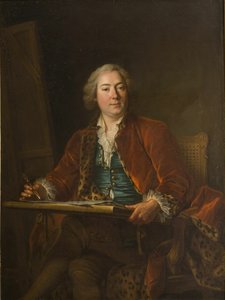
Charles-André van Loo
1705 - 1765 , Frankreich
Eckdaten zum Künstler
- Beeinflusste Kunststile: ['Moderne französische Schule']
- Beeinflusste Künstler:
- Benedetto Luti
- Pierre Le Gros
- Bemerkenswerte Werke:
- Venus und Amor
- Halt der Jagd
- Porträt Marie Leszczynska
- Jupiter und Antiope
- Selbstbildnis
- Perseus und Andromeda
- Geburtsdatum: 15. Februar 1705
- Geburtsort: Nizza, Frankreich
- Künstlerischer Stil: Rokoko-Malerei
- Nationalität: Französisch
- Sterbedatum: 15. Juli 1765
- Vollständiger Name: Charles-André van Loo
Verwandte Artikel

The Rococo Aesthetic: Opulence, Rebellion & the Pursuit of Pleasure in 18th-Century Art
Explore the opulent world of Rococo art! Discover its origins, key artists like Watteau & Boucher, and lasting influence on design. Expert insights for collectors & enthusiasts.
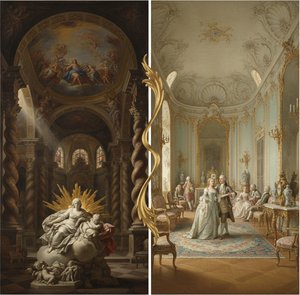
From Grandeur to Grace: Exploring the Evolution of Baroque & Rococo Art
Explore the captivating evolution from Baroque's drama to Rococo's grace! Discover key artists, characteristics & lasting influence of these art movements with expert insights at OriginalUniqueArt.

Baroque vs. Rococo: A Definitive Guide to the Drama of Grandeur and the Elegance of Grace
Explore the profound differences between Baroque drama and Rococo elegance. Our expert guide delves into art history, chiaroscuro, and the evolution of European masterpieces for collectors and enthusiasts seeking deep historical context.
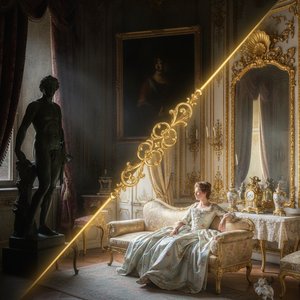
Baroque vs. Rococo: A Definitive Guide to High-Drama Shadows and Golden Elegance
Explore the dramatic evolution from Baroque's intense chiaroscuro to Rococo's golden elegance. Our expert guide decodes the shift from high-drama shadows to playful, ornate grace for art enthusiasts and collectors seeking deep historical insight.

The Allure of Elegance in Art: A Historical & Aesthetic Exploration of Refinement & Grace
Explore the exquisite world of Rococo art! Discover its history, masters (Watteau, Boucher & more), and defining elegance. Expert insights for collectors seeking museum-quality reproductions & custom portraits.


