

 Vorschau anzeigen
 Versenden
 Teilen
 Details anzeigen

 Herunterladen
 Ähnliche Objekte
 Röntgenaufnahme
 Diashow
Halt of the Hunt
 Oil On Canvas
- WallArt
- Rococo Elegance
 1737
1737- Early Modern
 59.0 x 50.0 cm
 Metropolitan Museum of Art
 Weiterlesen
Handgefertigte Ölreproduktion
Handgemaltes Ölgemälde auf Leinwand in Ihrer Wunschgröße und mit Rahmen, auf Bestellung von unseren Künstlern angefertigt. ( Druck bestellen Bild kaufen)




P118B $10

P118H $10

P118W $10

P438Z $10

P508JH $12

P508YH $12

P805H $10

P805Z $10

P919BZ $10

P919G $10

P919XJ $10

P959ZH $10

P968JZ $12

W106C $8

W218G $10

W218JH $8

W218Y $10

W307PJ $10

W316G $10

W316PJ $8

W316Y $10

W398PJ $8

W4111J $10

W500HY $15

W500JH $15

W692G $12

W849H $8

W940BG $15

W953PJ $8




Wählen Sie aus unseren vordefinierten Formaten, die den ursprünglichen Proportionen des Kunstwerks entsprechen.

Sie können Ihre eigenen Maße eingeben, um einen bestimmten Rahmen oder Platz auszufüllen. Wenn die gewählte Größe nicht den Proportionen des Originalbildes entspricht, werden wir das Kunstwerk entweder beschneiden oder das Gemälde durch zusätzliche, handgemalte Elemente erweitern. Ein digitales Mockup wird Ihnen zur Genehmigung zugesandt, bevor die Produktion beginnt.
Bitte beachten Sie, dass die Bildschirmvorschau nicht die tatsächliche Beschneidung oder Erweiterung widerspiegelt. Nur das Mockup zeigt die endgültige Komposition exakt an.
Obwohl Sondermaße verfügbar sind, empfehlen wir, eine Größe aus der vordefinierten Liste zu wählen, um die ursprünglichen Proportionen beizubehalten.
Nach der Bestellung wird das OriginalUniqueArt.com-Team dem Kunden Anweisungen per E-Mail zusenden und eine Mockup-Vorschau bereitstellen.
Weltweiter Versand () in nur 3 bis 4 Wochen statt der üblichen 5 Wochen. (29 August). Keine Kompromisse bei der Qualität.

Kostenloser weltweiter Expressversand

Hochwertige Leinenleinwand

Umfassender Versicherungsschutz beim Versand

Zollgebühren-Rückerstattungsgarantie

Garantie für exakte Farbtreue

60 Tage Rückgaberecht (nur bei Mängeln)

100% Geld-zurück-Garantie

Mengenrabatt verfügbar
 Die Glasoption ist nur für Größen unter 110 cm verfügbar.

Halt of the Hunt
Art der Reproduktion
Format der Reproduktion
-


Gesamtpreis
$ 300
A Glimpse into Rococo Splendor
In the delicate dance of light and shadow captured within Charles-André van Loo’s 1737 masterpiece, “Halt of the Hunt,” we are transported to the very heart of the French aristocracy during the reign of Louis XV. This exquisite oil sketch is far more than a mere depiction of a midday respite; it serves as a window into an era defined by opulence, grace, and the pursuit of pleasure. The scene unfolds with a choreographed elegance, presenting a group of noblemen and ladies gathered around a table laden with delicacies. As they pause amidst their hunting expedition, the atmosphere is thick with the refined leisure of the court, inviting the viewer to step into a world where every gesture is poised and every detail is a testament to high society's splendor.
The composition is masterfully balanced, utilizing the presence of two loyal dogs to anchor the scene. These animals are not merely incidental; they serve as profound symbols of nobility and fidelity, mirroring the very virtues held dear by the aristocratic class of the eighteenth century. As the figures mingle around the feast, the interplay between the lush, natural backdrop and the sophisticated attire of the guests creates a captivating tension between the wildness of the hunt and the controlled refinement of civilization.
Mastery of Technique and Rococo Elegance
Van Loo’s technical prowess is on full display through his signature Rococo style, a movement characterized by its emphasis on beauty, ornament, and lightheartedness. The artist employs a breathtakingly delicate technique, utilizing thin glazes layered upon one another to achieve a luminous, almost ethereal quality. This method allows for a remarkable tonal subtlety, where the pastel hues of the drapery seem to glow from within, capturing the soft, filtered light of a forest clearing. Through the skillful application of sfumato, Van Loo softens the edges of the landscape, creating an atmospheric depth that pulls the observer into this idealized, dreamlike realm.
For the discerning collector or interior designer, the visual impact of this work lies in its ability to evoke emotion through texture and color. The meticulous attention to detail—from the glint of a silver cup to the intricate folds of silk garments—provides a sensory richness that elevates the painting from a historical document to a living piece of art. The brushwork is fluid yet precise, conveying a palpable sense of carefree enjoyment and the effortless sophistication that defines the Rococo spirit.
An Enduring Legacy for Modern Spaces
Historically, this work holds immense significance as a preparatory study for a much larger canvas destined for the prestigious Château de Fontainebleau. It represents the height of French artistic ambition, born from a period of intense innovation and royal patronage. To possess a high-quality reproduction of “Halt of the Hunt” is to bring a piece of history into the contemporary home, offering a sophisticated focal point that speaks of timeless elegance.
Whether placed in a grand dining hall to echo its original purpose or used as a subtle accent in a curated gallery wall, this painting offers an unparalleled sense of prestige. It provides an infusion of classical charm and warmth, making it an ideal choice for those looking to inspire awe and conversation. The artwork does not merely decorate a room; it transforms the space, imbuing it with the romanticism, light, and aristocratic charm of a bygone golden age.
Über den Künstler
Frühes Leben und Ausbildung
- Geboren: 15. Februar 1705 in Nizza, Frankreich
- Familienhintergrund: Sohn von Louis-Abraham van Loo und jüngerer Bruder von Jean-Baptiste van Loo. Mitglied einer erfolgreichen niederländischen Malerdynastie.
- Frühe Ausbildung: Anfängliche Ausbildung in Turin, gefolgt von Studien (1712) in Rom unter Benedetto Luti und Pierre Legros.
- Pariser Studien: Besuchte die Académie royale, gewann 1723 den ersten Preis für Zeichnen und 1727 für historische Malerei.
Künstlerische Karriere und bedeutende Werke
- Stil: Hauptsächlich bekannt als Maler des Rokoko, gekennzeichnet durch Eleganz, Anmut und verschnörkelte Details.
- Themenwahl: Vielfältige Themen wie Porträts, mythologische Szenen, historische Gemälde, Allegorien und Genrekunst.
- Bedeutende Werke:
- Venus und Amor (Kunsthalle Bremen) – Demonstriert Meisterschaft des Rokoko-Stils.
- Halt der Jagd (The Metropolitan Museum of Art) – Fängt aristokratische Aktivitäten ein.
- Porträt von Marie Leszczynska, Königin von Frankreich – Ein bemerkenswertes königliches Porträt.
- Jupiter und Antiope – Zeigt Fähigkeiten bei der Darstellung mythologischer Themen.
- Selbstporträt – Bietet Einblick in die Selbstwahrnehmung des Künstlers.
- Perseus und Andromeda (mehrere Versionen) – Illustriert Geschicklichkeit bei der Darstellung klassischer Mythologie.
- Mademoiselle Clairon als Medea (kleine Version) - Ein fesselndes Rokoko-Porträt von 1760.
Förderung und königliche Anerkennung
- Königliche Förderung: Genoss die Förderung von Madame de Pompadour und dem französischen Hof.
- Ernennung zum Hofmaler: Wurde 1762 Erster Maler am Hofe König Ludwigs XV., eine prestigeträchtige Position.
- Orden Saint Michael: Ausgezeichnet mit dem Orden Saint Michael, ein Zeichen königlicher Gunst.
Einflüsse und Vermächtnis
- Familienbeeinflussung: Stark beeinflusst von seinem Vater und Bruder, beide angesehene Maler.
- Rivalität: Konkurrierte mit François Boucher, einem weiteren bedeutenden Rokoko-Künstler.
- Einfluss auf die moderne französische Kunstschule: Seine "Schlichtheit des Stils und Korrektheit des Designs" beeinflusste maßgeblich die moderne französische Kunstschule.
- Kritischer Wert: Obwohl sein kritischer Stellenwert im Laufe der Zeit schwankte, gebieten seine Fähigkeiten und die Vielfalt seiner Arbeit Respekt.
Museumsbestände & Weitere Erkundungen
- Museumspräsenz: Werke sind in renommierten Museen vertreten, darunter das Louvre (Die Hochzeit der Jungfrau), Kunsthalle Bremen und The Metropolitan Museum of Art.
- Weitere Ressourcen:
- OriginalUniqueArt Seite über Charles-André van Loo: https://www.OriginalUniqueArt.com/artists/charles-andre-van-loo/
- OriginalUniqueArt Seite über die größten Künstler aller Zeiten: https://www.OriginalUniqueArt.com/greatest-artists
- OriginalUniqueArt Virtuelles Museum: https://www.OriginalUniqueArt.com/
- Wikipedia Artikel: https://en.wikipedia.org/wiki/Charles-Andr%C3%A9_van_Loo
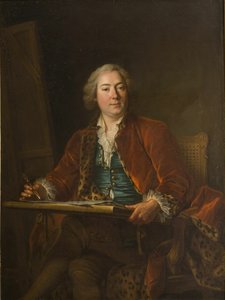
Charles-André van Loo
1705 - 1765 , Frankreich
Kurzinfos
- Beeinflusste Kunststile: ['Moderne französische Schule']
- Beeinflusste Künstler:
- Benedetto Luti
- Pierre Le Gros
- Bemerkenswerte Werke:
- Venus und Amor
- Halt der Jagd
- Porträt Marie Leszczynska
- Jupiter und Antiope
- Selbstbildnis
- Perseus und Andromeda
- Geburtsdatum: 15. Februar 1705
- Geburtsort: Nizza, Frankreich
- Künstlerischer Stil: Rokoko-Malerei
- Nationalität: Französisch
- Sterbedatum: 15. Juli 1765
- Vollständiger Name: Charles-André van Loo
Ähnliche Artikel

Rococo Meisterwerke: Die Top 10, die eine Epoche prägten |
Entdecken Sie die Top 10 Rokoko Meisterwerke von Watteau, Boucher & Fragonard! Erfahren Sie die Geschichten hinter diesen ikonischen Gemälden und lassen Sie sich für Ihre Inneneinrichtung inspirieren. Hochwertige Kunstdrucke auf .

Jean-Antoine Watteau und die vergängliche Welt der Liebe und Freizeit im Rokoko
Entdecken Sie die faszinierende Welt von Jean-Antoine Watteau und seiner revolutionären Fête galante! Analysieren Sie Stil, Symbolik & gesellschaftlichen Kontext des Rokoko mit OriginalUniqueArt.com.

The Rococo Aesthetic: Opulence, Rebellion & the Pursuit of Pleasure in 18th-Century Art
Explore the opulent world of Rococo art! Discover its origins, key artists like Watteau & Boucher, and lasting influence on design. Expert insights for collectors & enthusiasts.
The Rococo Style: Aristocratic Leisure & the Pursuit of Delight in 18th-Century Art
Explore the opulent world of Rococo art! Discover Watteau, Boucher & Nattier's masterpieces. Expert insights for collectors seeking museum-quality reproductions and custom portraits at OriginalUniqueArt.

The Allure of Elegance in Art: A Historical & Aesthetic Exploration of Refinement & Grace
Explore the exquisite world of Rococo art! Discover its history, masters (Watteau, Boucher & more), and defining elegance. Expert insights for collectors seeking museum-quality reproductions & custom portraits.



