In echtem Maßstab anzeigen
 Versenden als Grußkarte
 Teilen
 Details anzeigen
 Leitfaden öffnen

 Herunterladen
 Ähnliche Objekte
 Röntgenaufnahme
 Diashow
 Besucherstatistiken
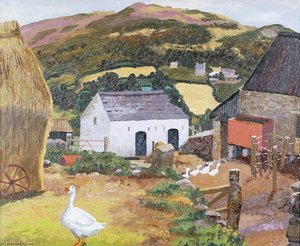
Halcyon
 Oil On Canvas
- WallArt
- Symbolism
 1927
1927 51.0 x 66.0 cm
 Norwich Castle Museum Und Kunstgalerie
 Mehr anzeigen
Handgefertigte Ölreproduktion
Handgemaltes Ölgemälde auf Leinwand in Ihrer Wunschgröße und mit Rahmen, auf Bestellung von unseren Künstlern angefertigt. ( Zum Druck wechseln Zum digitalen Bild wechseln)




P118B €10

P118H €10

P118W €10

P438Z €10

P508JH €12

P508YH €12

P805H €10

P805Z €10

P919BZ €10

P919G €10

P919XJ €10

P959ZH €10

P968JZ €12

W106C €8

W218G €10

W218JH €8

W218Y €10

W307PJ €10

W316G €10

W316PJ €8

W316Y €10

W398PJ €8

W4111J €10

W500HY €15

W500JH €15

W692G €12

W849H €8

W940BG €15

W953PJ €8




Wählen Sie aus unseren vordefinierten Formaten, die den ursprünglichen Proportionen des Kunstwerks entsprechen.

Sie können Ihre eigenen Maße eingeben, um einen bestimmten Rahmen oder Platz auszufüllen. Wenn die gewählte Größe nicht den Proportionen des Originalbildes entspricht, werden wir das Kunstwerk entweder beschneiden oder das Gemälde durch zusätzliche, handgemalte Elemente erweitern. Ein digitales Mockup wird Ihnen zur Genehmigung zugesandt, bevor die Produktion beginnt.
Bitte beachten Sie, dass die Bildschirmvorschau nicht die tatsächliche Beschneidung oder Erweiterung widerspiegelt. Nur das Mockup zeigt die endgültige Komposition exakt an.
Obwohl Sondermaße verfügbar sind, empfehlen wir, eine Größe aus der vordefinierten Liste zu wählen, um die ursprünglichen Proportionen beizubehalten.
Nach der Bestellung wird das OriginalUniqueArt.com-Team dem Kunden Anweisungen per E-Mail zusenden und eine Mockup-Vorschau bereitstellen.
Weltweiter Versand () in nur 3 bis 4 Wochen statt der üblichen 5 Wochen. (28 September). Keine Kompromisse bei der Qualität.

Kostenloser weltweiter Expressversand

Hochwertige Leinenleinwand

Vollständiger Versicherungsschutz beim Versand

Zollgebühren-Rückerstattungsgarantie

Garantie für exakte Farbtreue

100-tägiges Rückgaberecht (nur bei Mängeln)

100% Geld-zurück-Garantie

Angebot für Mengenrabatt
 Die Glasoption ist nur für Größen unter 110 cm verfügbar.

Halcyon
Reproduktionsmedium
Format der Reproduktion
-


Gesamtpreis
€ 258
The Enigmatic Beauty of Cedric Lockwood Morris’s Halcyon
Cedric Lockwood Morris's Halcyon, painted in 1927, isn’t merely a depiction of a beach scene; it’s an arresting meditation on the delicate balance between beauty and danger, tranquility and predation. This oil-on-canvas masterpiece, currently residing within the Norwich Castle Museum & Art Gallery, immediately draws the viewer into its dreamlike atmosphere – a hazy expanse of sand, sea, and sky rendered with a remarkable sensitivity to light and texture. The painting’s power lies not in photographic realism but in Morris's masterful manipulation of color and form to evoke a profound emotional response.
At first glance, the composition appears deceptively simple: a woman reclining gracefully on the beach, her limbs spread languidly, seemingly lost in blissful repose. However, a closer examination reveals a subtle tension beneath this surface serenity. The central figure, bathed in soft, diffused light, possesses an almost ethereal quality, yet her posture—a slight tilt of the head, a barely perceptible curve of the lips—suggests a quiet awareness, a hint of vulnerability. Above her, poised and predatory, is a magnificent kingfisher, its vibrant blue plumage contrasting sharply with the muted tones of the sand and sea. This bird isn’t merely an accessory; it's a potent symbol – a representation of both beauty and threat, innocence and impending danger.
Decoding Symbolism: Nature, Humanity, and Mortality
Morris, a British artist known for his unique blend of realism and fantasy, frequently explored themes of nature, landscapes, and the human condition. Halcyon exemplifies this approach, layering symbolic meaning within a seemingly straightforward scene. The beach itself represents a liminal space – a transition zone between land and sea, reality and dream. The woman’s reclining pose can be interpreted as an invitation to contemplation, a surrender to the allure of nature's beauty. Yet, the kingfisher’s presence introduces a darker element, hinting at the precariousness of this idyllic state. The bird is often associated with transformation, but in this context, it carries a more ominous connotation – a reminder of mortality and the inevitability of predation.
Furthermore, the painting's style—rooted in early 20th-century Symbolism and Expressionism—contributes to its evocative power. The flattened perspective, loose brushstrokes, and emphasis on emotional expression rather than precise representation create a dreamlike quality, inviting viewers to project their own interpretations onto the scene. Morris’s use of oil paint allows for rich textures and subtle gradations of color, adding depth and luminosity to the canvas. The rough texture suggests an immediacy, as if the artist captured a fleeting moment in time.
Technique and Artistic Context
Morris's technical skill is evident in every detail of Halcyon. The careful rendering of light and shadow creates a sense of atmosphere, while the vibrant colors—particularly the striking blue of the kingfisher—draw the eye to the focal point of the composition. The painting’s dimensions – 51 x 66 cm – are perfectly suited to capture the intimacy and drama of the scene. It's important to note that Morris was a prominent figure in the British art world, known for his exhibitions and teaching roles. His work reflects a broader artistic movement that sought to explore subjective experience and emotional truth.
Considering its creation in 1927, during a period of significant social and cultural change, Halcyon offers a poignant reflection on the relationship between humanity and nature. It’s a captivating artwork that continues to resonate with viewers today, prompting questions about beauty, danger, and the enduring mysteries of the human psyche.
Biografie des Künstlers
Frühes Leben und Ausbildung
- Geboren: 11. Dezember 1889 in Sketty, Swansea, Südwales
- Eltern: George Lockwood Morris (Industrieller & Rugby-International) und Wilhelmina Cory
- Familiärer Hintergrund: Abkömmling von Sir John Morris, 1st Baronet; Verbindung zur Dulwich Picture Gallery.
- Ausbildung: St Cyprian's School, Eastbourne; Charterhouse School, Godalming.
- Frühe Ambitionen: Versuchte eine Armee-Kommission, scheiterte aber; arbeitete auf Farmen in Kanada und hatte verschiedene Jobs in New York City.
- Musikalische Neigungen: Studierte kurz Gesang am Royal College of Music in London, bevor er sich der Malerei widmete.
Künstlerische Entwicklung und Einflüsse
- Frühe Ausbildung: Studium an der Académie Delécluse in Montparnasse, Paris (1914).
- Erfahrungen im Ersten Weltkrieg: Diendete bei den Artists' Rifles, wurde aber als medizinisch ungeeignet befunden; arbeitete beim Ausbilden von Pferden.
- Wichtige Beziehungen: Enge Freundschaft und künstlerische Partnerschaft mit Arthur Lett-Haines (ab 1918); Verbindung zu Frances Hodgkins.
- Früher Stil: Anfänglich vom Impressionismus und Postimpressionismus beeinflusst, erkennbar in seinen Landschaften und Porträts.
- Entwicklung des charakteristischen Stils: Bekannt wurde er für lebendige Blumenmalereien, kühne Farbgebung und ausdrucksstarke Darstellungen der Landschaft von Ostengland.
Hauptwerke und künstlerische Beiträge
- Porträts: Schuf zahlreiche Porträts, die den Charakter und die Persönlichkeit seiner Modelle einfingen.
- Blumenmalereien: Seine bekanntesten Werke; gekennzeichnet durch intensive Farben und einen Fokus auf botanische Details. Oft als "ein Van Gogh oder Utrillo für Leute mit bescheidenen Mitteln" beschrieben.
- Landschaften: Stellte die Landschaften von Südwales und Ostengland in einem unverwechselbaren, ausdrucksstarken Stil dar.
- Wandgemälde: Malte große Blumenwandgemälde an Bord des Ozeanliners Queen Mary (1935).
- East Anglian School of Painting and Drawing: Mitbegründet mit Arthur Lett-Haines im Jahr 1937; förderte eine Generation britischer Künstler, darunter Lucian Freud und Maggi Hambling. Die Schule betonte das Gefühl gegenüber strenger Darstellung.
Späteres Leben und Vermächtnis
- Politisches Engagement: Engagierte sich in den späten 1930er Jahren bei der Hadleigh Labour Party.
- Rückgang der Popularität: Erlebte nach dem Zweiten Weltkrieg eine Periode relativer Obscurität.
- Erneutes Interesse: Eine erneute Wertschätzung für seine Arbeit begann in den späteren Jahren seines Lebens und hält bis heute an.
- Tod: Starb am 8. Februar 1982 in Hadleigh, Suffolk.
- Historische Bedeutung: Anerkannt als bedeutende Figur der britischen Kunst des 20. Jahrhunderts; seine Arbeit verkörpert eine einzigartige Mischung aus Beobachtung und Ausdruckskraft. Sein Einfluss durch die East Anglian School ist ebenfalls bemerkenswert.
Wichtige Fakten
- Titel: Sir (1947), 9. Baronet
- Nationalität: Britisch
- Stilrichtung: Associated with Modern British Art
- Medien: Ölfarbe, Aquarell

Cedric Morris
1889 - 1982 , Vereinigtes Königreich
Eckdaten zum Künstler
- Beeinflusste Künstler:
- Lucian Freud
- Maggi Hambling
- Bekannte Werke: ['Queen Mary Wandgemälde']
- Einflussreiche Künstler: ['Noel Desenfans']
- Geburtsdatum: 11. Dezember 1889
- Geburtsort: Swansea, Vereinigtes Königreich
- Künstlerische Bewegung: Moderne Britische Kunst
- Nationalität: Britisch
- Todatum: 8. Februar 1982
- Vollständiger Name: Sir Cedric Lockwood Morris
Verwandte Artikel

The Enduring Power of Painting: A Historical & Contemporary Exploration of Form and Emotion
Explore the rich history & enduring techniques of oil painting with OriginalUniqueArt. Discover masterpieces, learn about art collecting, and find authentic handmade reproductions crafted by skilled artists.

Öl auf Leinwand: Eine historische und technische Erkundung eines zeitlosen künstlerischen Mediums
Entdecken Sie die faszinierende Welt der Ölmalerei! Von historischen Techniken bis zur modernen Anwendung – wir bieten Expertenwissen, Restaurierungstipps und hochwertige Reproduktionen. Jetzt informieren!

The Enduring Legacy of Oil on Canvas: Technique, History & Aesthetic Impact
Explore the rich history & techniques of oil painting – from Renaissance masters to Impressionism. Discover pigments, layering methods, and why this timeless medium endures. Expert insights for artists & art enthusiasts.
The Timeless Charm of Oil on Board: Reimagining Texture and Light through the Impressionist Lens
Discover the profound intimacy of oil on panel. Explore how Impressionist masters used rigid supports to capture light, texture, and impasto depth through exquisite, handmade oil reproductions for discerning collectors.

Das bleibende Erbe der Ölmalerei: Technik, Geschichte und zeitgenössische Praxis
Entdecken Sie die faszinierende Geschichte der Ölmalerei – von den frühen Techniken bis zur modernen Kunst. Expertenwissen, detaillierte Analysen und Inspiration für Sammler & Kunstliebhaber.