
 Vorschau anzeigen
 Versenden
 Teilen
 Details anzeigen

 Herunterladen
 Ähnliche Objekte
 Röntgenaufnahme
 Diashow
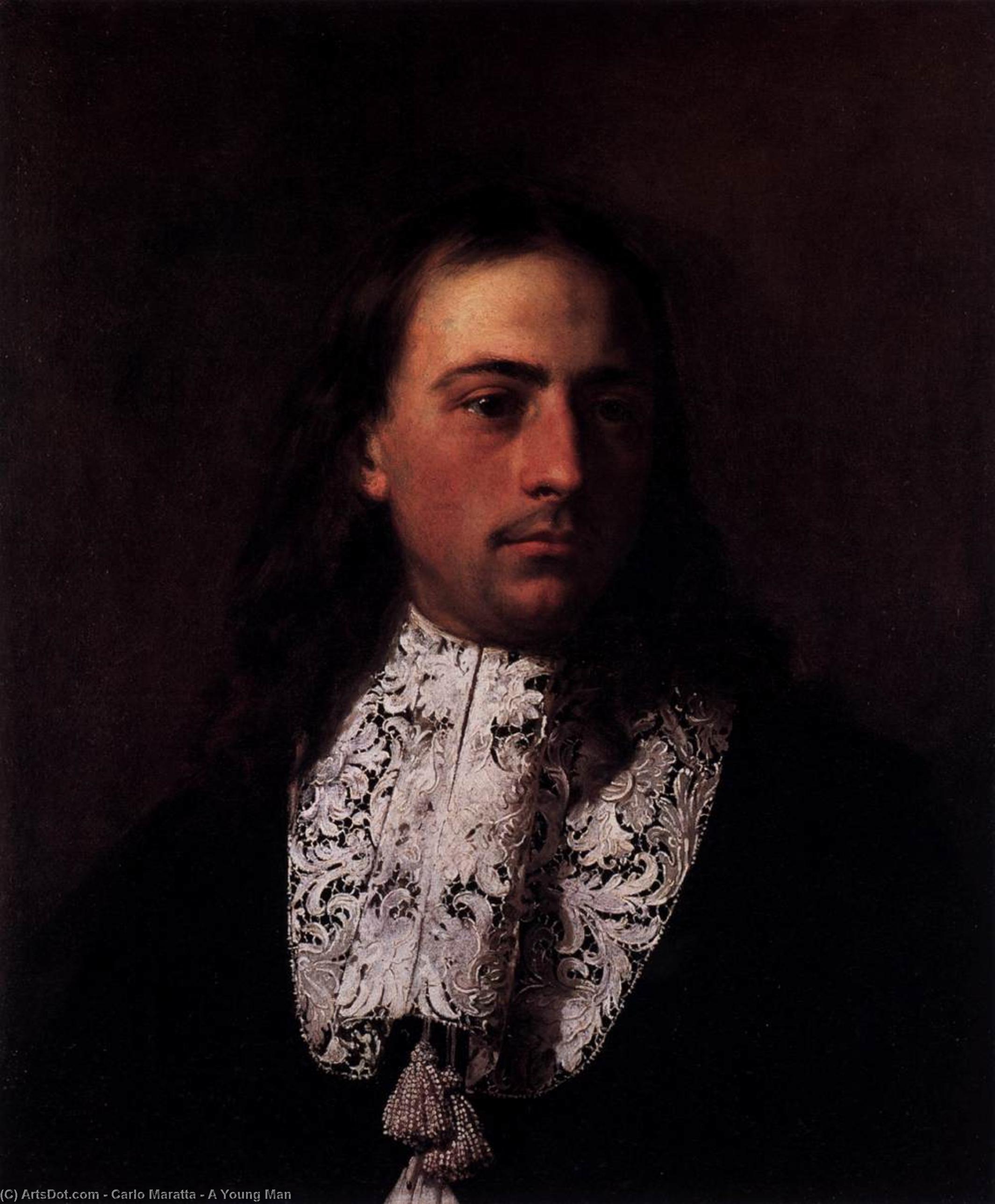
A Young Man


 Weiterlesen
Giclée / Kunstdruck
Giclée- oder Leinwanddruck in Museumsqualität mit schneller Produktion und flexiblen Veredelungsoptionen. ( Zur handgemalten Reproduktion wechseln Zum Bild wechseln)




P118B $10

P118H $10

P118W $10

P438Z $10

P508JH $12

P508YH $12

P805H $10

P805Z $10

P919BZ $10

P919G $10

P919XJ $10

P959ZH $10

P968JZ $12

W106C $8

W218G $10

W218JH $8

W218Y $10

W307PJ $10

W316G $10

W316PJ $8

W316Y $10

W398PJ $8

W4111J $10

W500HY $15

W500JH $15

W692G $12

W849H $8

W940BG $15

W953PJ $8




Wählen Sie aus unseren vordefinierten Formaten, die den ursprünglichen Proportionen des Kunstwerks entsprechen.

Sie können Ihre eigenen Maße eingeben, um ein bestimmtes Format oder einen speziellen Platz einzupassen. Wenn das von Ihnen gewählte Format nicht den Proportionen des Originalbildes entspricht, werden wir das Kunstwerk entweder beschneiden oder das Bild mit einem gespiegelten oder einfarbigen Rand erweitern. Ein digitaler Entwurf wird Ihnen zur Genehmigung zugesandt, bevor die Produktion beginnt.
Bitte beachten Sie, dass die Vorschau auf dem Bildschirm nicht den tatsächlichen Zuschnitt oder die Erweiterung widerspiegelt. Nur der Entwurf zeigt die endgültige Komposition präzise an.
Obwohl Sondermaße verfügbar sind, empfehlen wir die Auswahl eines Maßes aus der vordefinierten Liste, um die ursprünglichen Proportionen zu bewahren.
Weltweiter Versand () innerhalb von 2 Wochen statt der üblichen 4/5 Wochen. (10 August)

Kostenloser weltweiter Expressversand

Hochwertige Leinenleinwand

Umfassender Versicherungsschutz beim Versand

Zollgebühren-Rückerstattungsgarantie

Garantie für exakte Farbtreue

60 Tage Rückgaberecht (nur bei Mängeln)

100% Geld-zurück-Garantie

Mengenrabatt verfügbar
 Die Glasoption ist nur für Größen unter 110 cm verfügbar.

A Young Man
Giclée / Kunstdruck
Format der Reproduktion
-


Gesamtpreis
$ 80
Sammlerstück-Beschreibung
The Enigmatic Youth: An Exploration of Carlo Maratta’s “A Young Man”
Carlo Maratta's "A Young Man," a captivating portrait from the heart of the Baroque era, isn’t merely a depiction of a young man; it’s an invitation into a world of refined elegance and nascent emotion. Painted in 1663, this oil on canvas offers a glimpse into the sensibilities of 17th-century Italy, revealing a masterful command of light, shadow, and psychological nuance that continues to resonate with viewers today. The painting immediately draws the eye with its subject’s direct gaze – an expression of quiet contemplation mingled with a hint of youthful confidence. He is presented within a richly textured interior, suggesting a space of private reflection, further enhancing the sense of intimacy created by Maratta's skillful rendering.
- Subject and Composition: The young man’s attire – a pristine white lace collar framing a ruffled neckline – speaks volumes about the era’s fashion sensibilities. The careful arrangement of his clothing, coupled with the subtle play of light on his features, highlights his status and youthfulness.
- Color Palette: Maratta employs a restrained yet sophisticated color palette dominated by warm browns, creams, and golds. These tones contribute to the painting’s overall sense of refinement and create a harmonious visual experience.
Baroque Techniques: A Dance of Light and Shadow
Maratta's genius lies not just in his subject matter but also in his technical prowess. He was a master of *chiaroscuro*, the dramatic use of light and shadow, which he employs here to sculpt the young man’s face and create a sense of three-dimensionality. Notice how the light gently illuminates his features, drawing attention to his eyes and mouth while leaving the background in relative darkness – a technique that intensifies the focus on the subject and evokes a feeling of mystery. The meticulous detail evident in the rendering of the lace collar and the folds of his clothing demonstrates Maratta’s dedication to realism and his ability to capture textures with remarkable precision.
- Brushwork: Maratta's brushstrokes are remarkably controlled, creating a smooth and polished surface that contributes to the painting’s overall sense of elegance.
- Layering Techniques: The artist skillfully layered colors to achieve depth and richness in his palette, adding subtle variations in tone to create a more dynamic and engaging image.
Historical Context and Artistic Legacy
“A Young Man” resides within the prestigious Staatliche Museen zu Berlin, a testament to its historical significance and artistic merit. Maratta’s work reflects the broader trends of the Baroque period – a time marked by both religious fervor and secular sophistication. He was deeply influenced by artists like Caravaggio and Annibale Carracci, absorbing their techniques while developing his own distinctive style. His portraits were highly sought after by European nobility and wealthy merchants, reflecting the growing importance of portraiture as a means of social status and personal expression. The painting’s enduring appeal lies in its ability to capture not just a likeness but also a sense of personality and inner life – qualities that continue to fascinate viewers centuries later.
Additional Research:**- IASblog — By Costanza Beltrami Carlo Maratta or Maratti was
- A Portrait of the Young Man, 1663 - Maratta, Carlo (Maratti, Carlo 1625-1713)
- IASblog — A Portrait of the Artist as a Young Man
Symbolism and Emotional Resonance
Beyond its technical brilliance, “A Young Man” is rich in symbolism. The young man’s direct gaze invites contemplation, suggesting an awareness of his own identity and place in the world. The lace collar, a fashionable accessory of the era, can be interpreted as a symbol of social status and refinement. The painting's overall mood is one of quiet introspection – a sense that the subject is grappling with profound questions about himself and his future. Maratta’s masterful use of light and shadow further enhances this emotional resonance, creating an image that is both visually stunning and psychologically compelling.
Über den Künstler
Frühes Leben und Ausbildung
Carlo Maratta, ein bedeutender italienischer Maler, wurde am 15. Mai 1625 in Camerano, Kirchenstaat (heute Italien), geboren. Im Alter von 11 Jahren zog er nach Rom, wo er in der Werkstatt von Andrea Sacchi Lehrling wurde. Dies markierte den Beginn seiner künstlerischen Reise, die ihn schließlich zu einer führenden Figur der römischen Malerschule machen sollte.Künstlerischer Stil und Einflüsse
Marattas Gemälde zeichnen sich durch einen klassisierenden Stil aus, ausgeführt in einer späten barocken klassischen Manier. Obwohl er Teil der klassischen Tradition war, die von Raffael ausgeht, war er nicht frei von dem Einfluss der Barockmalerei, insbesondere bei seiner Farbgebung. Sein Zeitgenosse und Freund, Giovanni Bellori, verfasste eine frühe Biographie über Maratta und hob seinen einzigartigen künstlerischen Ansatz hervor.Wichtige Werke und Aufträge
Zu Marattas bemerkenswertesten Werken gehören:- Die Verkündigung (1656) für Santa Maria della Pace, die seine Meisterschaft von Licht und Bewegung zeigt.
- Das Geheimnis der Dreifaltigkeit, das St. Augustinus offenbart wurde (ca. 1655), das seine Fähigkeit demonstriert, klassische Ideale mit barocken Elementen in Einklang zu bringen.
- Das Erscheinen der Jungfrau vor St. Philipp Neri (ca. 1675), jetzt im Palazzo Pitti in Florenz, was sein begabtes Verständnis des Themas veranschaulicht.
Karriere und Ehrungen
Marattas künstlerische Karriere umfasste über sechs Jahrzehnte, während derer er zahlreiche Aufträge von bedeutenden Mäzenen erhielt, darunter sechs Päpste. Er wurde von Innozenz XI. zum Surintendent des chambres du Vatican ernannt und beauftragt, die Fresken von Raffael im Vatikan zwischen 1702 und 1703 zu restaurieren. Marattas Vermächtnis als Meister der späten barocken klassischen Manier wird durch seine Werke fortgesetzt, die sich in verschiedenen Museen befinden, darunter auch auf OriginalUniqueArt.com.- Betrachten Sie Marattas Kunstwerke auf OriginalUniqueArt: Carlo Marattas Kunstwerke
- Lesen Sie mehr über Marattas Leben und Werk auf Wikipedia: Carlo Maratta - Wikipedia
Wichtige Daten
1625: Geburt in Camerano, Kirchenstaat (heute Italien) 1636: Umzug nach Rom und Lehrling bei Andrea Sacchi 1713: Verstarb in Rom und hinterließ ein Erbe klassisierender Gemälde
Carlo Maratta
1625 - 1713 , Italien
Kurzinfos
- Beeinflusste Künstler:
- Andrea Sacchi
- Raffael
- Annibale Carracci
- Bemerkenswerte Werke:
- Die Bewilderung
- Das Geheimnis der Dreifaltigkeit
- Erscheinung der Jungfrau
- Geburtsdatum: 15. Mai 1625
- Geburtsort: Camerano, Italien
- Künstlerische Bewegung: Spätbarock, Klassizismus
- Nationalität: Italienisch
- Sterbedatum: 1713
- Vollständiger Name: Carlo Maratta
Ähnliche Artikel

Öl auf Leinwand: Eine historische und technische Erkundung eines zeitlosen künstlerischen Mediums
Entdecken Sie die faszinierende Welt der Ölmalerei! Von historischen Techniken bis zur modernen Anwendung – wir bieten Expertenwissen, Restaurierungstipps und hochwertige Reproduktionen. Jetzt informieren!

The Enduring Legacy of Oil on Canvas: Technique, History & Aesthetic Impact
Explore the rich history & techniques of oil painting – from Renaissance masters to Impressionism. Discover pigments, layering methods, and why this timeless medium endures. Expert insights for artists & art enthusiasts.

Das bleibende Erbe der Ölmalerei: Technik, Geschichte und zeitgenössische Praxis
Entdecken Sie die faszinierende Geschichte der Ölmalerei – von den frühen Techniken bis zur modernen Kunst. Expertenwissen, detaillierte Analysen und Inspiration für Sammler & Kunstliebhaber.
Öl auf Leinwand: Die 10 Meisterwerke, die Kunst für immer veränderten |
Entdecken Sie die 10 legendärsten Öl auf Leinwand Meisterwerke! Von Van Gogh bis Monet – erfahren Sie die Geschichten hinter ikonischen Gemälden und lassen Sie sich von Kunstgeschichte inspirieren. Hochwertige Reproduktionen für Ihr Zuhause finden Sie auf .
The Soul of Impressionism: Why Oil on Canvas Captures Eternal Light and Timeless Emotion
Discover the enchanting alchemy of Impressionism. Explore how the mastery of oil on canvas, through glazing and impasto, captures eternal light and emotion. Perfect for lovers of Monet and Van Gogh seeking the profound depth of hand-painted fine art.



