

 In echtem Maßstab anzeigen
 Versenden als Grußkarte
 Teilen
 Details anzeigen
 Leitfaden öffnen

 Herunterladen
 Ähnliche Objekte
 Röntgenaufnahme
 Diashow
 Besucherstatistiken
Enthroned Madonna


 Mehr anzeigen
Giclée / Kunstdruck
Giclée- oder Leinwanddruck in Museumsqualität mit schneller Produktion und flexiblen Veredelungsoptionen. ( Handgemalte Reproduktion kaufen Zum digitalen Bild wechseln)




P118B €10

P118H €10

P118W €10

P438Z €10

P508JH €12

P508YH €12

P805H €10

P805Z €10

P919BZ €10

P919G €10

P919XJ €10

P959ZH €10

P968JZ €12

W106C €8

W218G €10

W218JH €8

W218Y €10

W307PJ €10

W316G €10

W316PJ €8

W316Y €10

W398PJ €8

W4111J €10

W500HY €15

W500JH €15

W692G €12

W849H €8

W940BG €15

W953PJ €8




Wählen Sie aus unseren vordefinierten Formaten, die den ursprünglichen Proportionen des Kunstwerks entsprechen.

Geben Sie die Breite und die Höhe an, die Sie benötigen, damit der Druck perfekt in Ihren Rahmen oder an Ihre Wand passt. Ein Druck kann nur beschnitten werden und niemals größer als das Originalbild gemacht werden; daher verliert ein Format mit einer anderen Proportion einen Teil des Bildes. Wir senden Ihnen ein digitales Mockup zur Freigabe, bevor wir den Druck ausführen. Das auf dieser Seite gezeigte Bild zeigt nicht den tatsächlichen Beschnitt – dies ist nur im Mockup ersichtlich.
Weltweiter Versand () innerhalb von 2 Wochen statt der üblichen 4/5 Wochen. (22 Oktober)

Kostenloser weltweiter Expressversand

Hochwertige Leinenleinwand

Vollständiger Versicherungsschutz beim Versand

Zollgebühren-Rückerstattungsgarantie

Garantie für exakte Farbtreue

100-tägiges Rückgaberecht (nur bei Mängeln)

100% Geld-zurück-Garantie

Angebot für Mengenrabatt
 Die Glasoption ist nur für Größen unter 110 cm verfügbar.

Enthroned Madonna
Giclée / Kunstdruck
Format der Reproduktion
-


Gesamtpreis
€ 70
A Throne of Faith: Carlo Crivelli’s “Enthroned Madonna”
The year is 1473, and within the bustling workshops of Venice, Carlo Crivelli was meticulously crafting an image destined to resonate through centuries – the “Enthroned Madonna.” This isn't merely a portrait; it’s a profound meditation on faith, royalty, and divine motherhood, rendered with the meticulous detail characteristic of the early Renaissance. The panel painting, measuring an unknown size but radiating an undeniable presence, immediately draws the viewer into its richly layered composition, a testament to Crivelli’s skill in blending Venetian influences with his own developing artistic voice.
Crivelli's journey began in Venice, absorbing the linear elegance of Jacopo Bellini and the vibrant color palettes of Giovanni Bellini. However, he soon sought his own path, establishing a base in the March of Ancona, where he cultivated a style that prioritized clarity, decorative elements, and a subtly restrained emotionality. This piece exemplifies that approach perfectly – it’s not an explosion of feeling, but rather a carefully constructed tableau of piety and reverence.
A Symphony of Figures: Composition and Technique
The painting centers on the Virgin Mary, seated upon a magnificent throne adorned with intricate gold leaf and geometric patterns. She holds the Christ Child in her lap, his gaze serene and accepting. Surrounding them is a carefully orchestrated procession of saints and biblical figures – St. John the Baptist, St. Peter, and various other prophets and martyrs – each rendered with remarkable precision. The arrangement follows a clear hierarchical structure, reflecting the importance of Mary and Christ within Christian theology. Crivelli masterfully employs perspective, creating a sense of depth through overlapping forms and subtle shading, though it’s characteristic of the period's panel painting techniques rather than a fully developed Renaissance approach.
The technique itself is rooted in tempera on wood panel, a medium favored for its durability and ability to achieve luminous colors. The surface has a slightly textured quality, indicative of multiple layers of paint applied over time. Close examination reveals the artist’s deliberate attention to detail – the folds of the drapery, the intricate patterns on the throne, and the delicate rendering of each figure's facial features all speak to Crivelli’s dedication to his craft.
Symbolism Woven into the Fabric
Beyond its formal composition, the “Enthroned Madonna” is laden with symbolic meaning. The throne itself represents Mary’s divine status and her role as Queen of Heaven. The gold leaf symbolizes wealth, glory, and the sacredness of the subject matter. The lilies held by Mary are a traditional symbol of purity and innocence. Christ's presence signifies his divinity and humanity, while his gestures suggest acceptance and grace. Even the positioning of the figures – Mary seated centrally, with Christ nestled in her lap – reinforces their central importance within the Christian narrative.
The inclusion of various saints serves to underscore the universality of faith and the interconnectedness of the heavenly court. Each figure is carefully chosen to represent a specific virtue or aspect of Christian belief, contributing to the painting’s overall message of spiritual authority and devotion. The use of halos, a common feature in Renaissance art, further emphasizes the holiness of these figures.
A Legacy of Devotion
Carlo Crivelli's “Enthroned Madonna” is more than just a beautiful artwork; it’s a window into the religious and artistic sensibilities of 15th-century Italy. Its enduring appeal lies in its masterful composition, meticulous technique, and profound symbolism – a testament to the power of art to convey complex theological ideas with grace and elegance. Reproductions of this piece offer a captivating glimpse into a world where faith, royalty, and beauty converged, continuing to inspire contemplation and reverence today.
Fragen & Antworten
Welches Gefühl wird mit "Enthroned Madonna" assoziiert?
"Enthroned Madonna" von Carlo Crivelli vermittelt eine Spiritual emotionale Stimmung.
Welche Atmosphäre vermittelt "Enthroned Madonna"?
"Enthroned Madonna" hat eine Elegant Atmosphäre.
Ist ein hochauflösender Download von "Enthroned Madonna" verfügbar?
Um eine digitale Datei von "Enthroned Madonna" von Carlo Crivelli zu erhalten, bestellen Sie ein hochauflösender digitaler Bild-Download auf der Seite Digitales Bild.
Biografie des Künstlers
Frühes Leben und Ausbildung
Carlo Crivelli, ein italienischer Renaissancemaler, wurde um 1430-35 in Venedig geboren. Er stammte aus einer Familie von Malern und erhielt seine künstlerische Ausbildung in Venedig und Padua. Es wird angenommen, dass Crivellis frühe Ausbildung unter Jacobello del Fiore stattfand, der noch im Jahr 1436 tätig war. Er studierte auch an der Schule Vivarini in Venedig.Karriere und Stil
Crivelli verbrachte seine frühen Jahre im Veneto, wo er Einflüsse von Vivarini, Squarcione und Mantegna aufnahm. Bereits 1458 verließ er das Veneto und verbrachte den Großteil seiner Karriere im March of Ancona, wo er einen unverwechselbaren persönlichen Stil entwickelte, der sich von dem seines venezianischen Zeitgenossen Giovanni Bellini unterscheidet. Crivellis Werk ist durch eine konservative spätgotische dekorative Sensibilität gekennzeichnet, die sich durch eine lineare Qualität, Liebe zum Detail und den Einsatz von "Trompe-l'oeil"-Techniken auszeichnet.Wichtige Werke und Kooperationen
- Die Malerei von Carlo Crivelli "Madonna und Kind auf dem Thron" (106 x 55 cm, Museum der Schönen Künste, Budapest, Ungarn) ist ein Paradebeispiel für seinen Stil.
- Er arbeitete mit seinem jüngeren Bruder Vittorio Crivelli an mehreren Projekten zusammen.
- Pietro Alemanno, ein Maler, der aus Deutschland/Österreich in den March of Ancona immigrierte, war sein Schüler und Mitarbeiter.
Museen und Sammlungen
- Die Pinacoteca di Brera in Mailand, Italien, beherbergt mehrere Werke von Crivelli, darunter "Pietà" (128 x 241 cm).
- Das Museum San Giovanni in Bragora in Venedig, Italien, verfügt über eine Sammlung von Kunstwerken aus verschiedenen Perioden und Stilen, darunter einige, die Crivelli zugeschrieben werden.
Crivellis Vermächtnis
Carlo Crivellis Werk zeugt von der Bedeutung des späten Mittelalters und seiner künstlerischen Tradition. Seine Liebe zum Detail, seine meisterhafte Verwendung von Trompe-l'oeil und sein einzigartiger Stil haben ihn zu einem wichtigen Vertreter der italienischen Renaissance gemacht. Obwohl er im Vergleich zu anderen Künstlern seiner Zeit weniger bekannt ist, wird Crivelli heute zunehmend für seine außergewöhnlichen Fähigkeiten und seinen Beitrag zur Kunstgeschichte gewürdigt. Sein Werk inspiriert weiterhin Kunstliebhaber und Wissenschaftler gleichermaßen. Crivellis Vermächtnis lebt in seinen Gemälden weiter, die einen bleibenden Eindruck hinterlassen und die Schönheit und den Reichtum der italienischen Renaissance widerspiegeln.
Carlo Crivelli
1435 - 1495 , Italien
Eckdaten zum Künstler
- Bemerkenswerte Kunstwerke: ['Madonna und Kind auf Thron']
- Geburtsdatum: ca. 1430-35
- Geburtsort (Stadt, Land): Venedig, Italien
- Künstler, Die Diesen Künstler Beeinflussten:
- Vivarini
- Squarcione
- Mantegna
- Künstlerische Bewegung/Stil: Spätgotik, Renaissance
- Nationalität: Italienisch
- Todatum: 1495
- Vollständiger Name: Carlo Crivelli
Verwandte Artikel
The Art of Italian Living: Transform Your Home with Timeless Landscapes and Renaissance Masterpieces
Elevate your home with the timeless romance of Italy. Discover expert-curated, hand-painted Italian landscapes and Renaissance-inspired masterpieces. From bespoke oil reproductions to custom portraits from photos, transform your space with elegance and artistic passion.
Mario Sironi: Eine Poetik der modernen italienischen Identität zwischen Symbolismus und Gesellschaftskritik
Entdecken Sie Mario Sironis wegweisendes Werk und seine Auseinandersetzung mit der italienischen Identität. Analysen, Biografie, Novecento Italiano & die politische Dimension – Expertenwissen auf OriginalUniqueArt.

Carlo Carrà: Futuristische Visionen und metaphysische Transformationen der italienischen Malerei des frühen 20. Jahrhunderts
Entdecken Sie Carlo Carràs revolutionäre Kunst! Wir analysieren seine futuristischen Werke, die Entwicklung zur Metaphysik und seinen Einfluss auf die moderne Malerei. Expertenwissen & tiefe Einblicke.
Raphael: Die 25 Meisterwerke des Renaissance-Genies – Kunst für Ihr Zuhause
Entdecken Sie die 25 schönsten Meisterwerke von Raphael! Tauchen Sie ein in die Welt der Renaissance-Kunst, erfahren Sie faszinierende Geschichten und lassen Sie sich von den Farben und Kompositionen inspirieren. Hochwertige Reproduktionen auf OriginalUniqueArt.com.
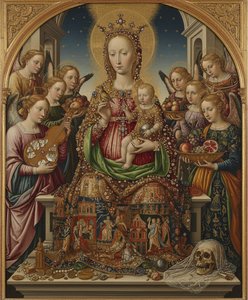
Carlo Crivelli: Mystik und Materialität der Renaissance-Malerei Venedigs
Entdecken Sie Carlo Crivellis faszinierende Renaissance-Malerei! Analysieren Sie seine einzigartige Technik, religiöse Symbolik und den Einfluss Venedigs auf sein Werk. Expertenwissen & detaillierte Kunstanalyse.


