

 In echtem Maßstab anzeigen
 Versenden als Grußkarte
 Teilen
 Details anzeigen
 Leitfaden öffnen

 Herunterladen
 Ähnliche Objekte
 Röntgenaufnahme
 Diashow
 Besucherstatistiken
Untitled
 Oil On Board
- Futurist Movement
 1915
1915- Early Modern
 44.0 x 24.0 cm
 MAM Rio
 Mehr anzeigen
Die auf dieser Seite dargestellten Kunstwerke sind urheberrechtlich geschützt, was bedeutet, dass wir keine identische Reproduktion rechtmäßig erstellen oder verkaufen dürfen. Dieser Schutz wird durch internationale Abkommen wie die Berner Übereinkunft und durch nationale Gesetze, einschließlich derer, die von den ... festgelegt wurden US-Urheberrecht – Titel 17.
Diese Methode entspricht vollumfänglich den Urheberrechtsbestimmungen, da sie keine Kopie oder Vervielfältigung des geschützten Kunstwerks darstellt. Stattdessen handelt es sich um eine kreative Neuinterpretation – ein neues Gemälde, das vom Original inspiriert, aber nicht identisch mit ihm ist.
Giclée / Kunstdruck
Giclée- oder Leinwanddruck in Museumsqualität mit schneller Produktion und flexiblen Veredelungsoptionen. ( Handgemalte Reproduktion kaufen Zum digitalen Bild wechseln)




P118B €10

P118H €10

P118W €10

P438Z €10

P508JH €12

P508YH €12

P805H €10

P805Z €10

P919BZ €10

P919G €10

P919XJ €10

P959ZH €10

P968JZ €12

W106C €8

W218G €10

W218JH €8

W218Y €10

W307PJ €10

W316G €10

W316PJ €8

W316Y €10

W398PJ €8

W4111J €10

W500HY €15

W500JH €15

W692G €12

W849H €8

W940BG €15

W953PJ €8




Wählen Sie aus unseren vordefinierten Formaten, die den ursprünglichen Proportionen des Kunstwerks entsprechen.

Geben Sie die Breite und die Höhe an, die Sie benötigen, damit der Druck perfekt in Ihren Rahmen oder an Ihre Wand passt. Ein Druck kann nur beschnitten werden und niemals größer als das Originalbild gemacht werden; daher verliert ein Format mit einer anderen Proportion einen Teil des Bildes. Wir senden Ihnen ein digitales Mockup zur Freigabe, bevor wir den Druck ausführen. Das auf dieser Seite gezeigte Bild zeigt nicht den tatsächlichen Beschnitt – dies ist nur im Mockup ersichtlich.
Weltweiter Versand () innerhalb von 2 Wochen statt der üblichen 4/5 Wochen. (23 Oktober)

Kostenloser weltweiter Expressversand

Hochwertige Leinenleinwand

Vollständiger Versicherungsschutz beim Versand

Zollgebühren-Rückerstattungsgarantie

Garantie für exakte Farbtreue

100-tägiges Rückgaberecht (nur bei Mängeln)

100% Geld-zurück-Garantie

Angebot für Mengenrabatt
 Die Glasoption ist nur für Größen unter 110 cm verfügbar.

Untitled
Giclée / Kunstdruck
Format der Reproduktion
-


Gesamtpreis
€ 70
Carlo Carrà’s “Untitled”: A Fragment of Futurist Rebellion
The painting "Untitled," created by Carlo Carrà in 1915, stands as a haunting testament to the turbulent spirit of Italian Futurism—a movement that sought to shatter artistic conventions and embrace dynamism, speed, and technological advancement. More than just an image on canvas; it’s a distillation of anxieties surrounding the dawn of the Great War and a profound exploration of human form stripped bare by existential questioning. Carrà himself famously declared that he wished to “destroy everything” in order to rebuild it anew, a manifesto that fueled his artistic endeavors throughout his prolific career.- Subject Matter: The composition depicts a man’s torso—a deliberately incomplete figure—positioned against a muted brown background. This stark simplicity is deceptive; the absence of facial features amplifies the sense of isolation and vulnerability, forcing viewers to confront the fundamental human condition.
- Style & Technique: Carrà's approach aligns with the Futurist preoccupation with geometric abstraction and fragmentation. The figure’s torso is rendered in a flattened perspective, reminiscent of Byzantine icons—a deliberate stylistic choice intended to evoke a sense of timelessness and spiritual contemplation amidst the chaos of modern warfare. Carrà employed oil paint on board, utilizing thick impasto strokes that convey texture and physicality, mirroring the materiality of sculpture and rejecting the illusionistic techniques favored by academic painting.
- Historical Context: Painted during the height of World War I, “Untitled” reflects the pervasive fear and uncertainty gripping Europe at the time. Futurists rejected sentimentality and nostalgia for the past, advocating instead for a radical embrace of progress and violence—a worldview encapsulated in their fervent belief that art should serve as a catalyst for societal transformation. Carrà’s work embodies this ethos, presenting a deliberately unsettling image that challenges viewers to contemplate mortality and the fragility of human existence.
- Symbolism: The man's nude torso symbolizes not merely physical vulnerability but also spiritual openness—a willingness to confront the abyss without recourse to comforting illusions. The brown background serves as a grounding element, representing earthiness and stability against which the figure’s incompleteness is accentuated. Carrà’s deliberate omission of facial features underscores the importance of inner experience over outward appearance, suggesting that true understanding resides in confronting one's own limitations.
- Emotional Impact: “Untitled” evokes a palpable sense of melancholy and contemplation—a quiet defiance against the horrors unfolding on the battlefield. The painting compels viewers to grapple with questions of identity, loss, and the inescapable awareness of death. Carrà’s masterful manipulation of form and color achieves an extraordinary feat: conveying profound emotion through minimalist visual language.
Fragen & Antworten
Für welchen Raum wird "Untitled" von Carlo Carrà empfohlen?
"Untitled" von Carlo Carrà wird für ein Living Room empfohlen. Dieser Vorschlag basiert auf dem Motiv, den Farben und der Stimmung des Werkes.
Welche Platzierung passt zum Format von "Untitled" von Carlo Carrà?
Mit seiner Tall-Form wird eine Reproduktion von „Untitled“ für ein Living Room empfohlen.
Welche Motive sind in "Untitled" von Carlo Carrà zu sehen?
Die in "Untitled" von Carlo Carrà enthaltenen Themen umfassen painting, man, headlessfigure, greensuit, brownbackground, oilonboard, carlocarrà. Zusammen fassen sie den Gegenstand des Kunstwerks zusammen.
Biografie des Künstlers
Frühes Leben und Karriere
Carlo Dalmazzo Carrà, ein renommierter italienischer Maler, wurde am 11. Februar 1881 in Quargnento, nahe Alessandria (Piemont), geboren. Im Alter von 12 Jahren verließ er sein Zuhause, um als Wandmaler zu arbeiten. Diese frühe Auseinandersetzung mit Kunst prägte seine zukünftige Karriere.Künstlerische Entwicklung
In den Jahren 1899-1900 befand sich Carrà in Paris und dekorierte Pavillons auf der Weltausstellung, wo er mit zeitgenössischer französischer Kunst bekannt wurde. Anschließend verbrachte er einige Monate in London, wo er mit im Exil lebenden italienischen Anarchisten interagierte, bevor er 1901 nach Mailand zurückkehrte. Im Jahr 1906 schrieb er sich an der Brera-Akademie (*Accademia di Brera*) unter Cesare Tallone ein.Futurismus
Im Jahr 1910 unterschrieb Carrà das Manifest der futuristischen Maler, zusammen mit Umberto Boccioni, Luigi Russolo und Giacomo Balla. Dies markierte den Beginn seiner einflussreichen futuristischen Phase, die durch Dynamik, Geschwindigkeit, Technologie, Jugend, Gewalt und Industrieprodukte gekennzeichnet war.- Carràs bemerkenswerte Werke aus dieser Zeit umfassen: Futuristische Phase
- Die Beerdigung des Anarchisten Galli (1911), Öl auf Leinwand, Museum of Modern Art, New York
- Rhythmen von Objekten (Ritmi d'oggetti) (1911), Öl auf Leinwand, Pinacoteca di Brera
- Seine Arbeit wurde in verschiedenen Ausstellungen gezeigt, darunter die Futurismus Kunstbewegung.
Metaphysische und archaische Perioden
Ab 1917 begann Carràs Stil, Mannequin-Bilder zu integrieren, beeinflusst von Giorgio de Chirico. Seine Arbeit Die Töchter des Lots (1919) veranschaulicht diese neue Richtung. In den 1920er und 1930er Jahren konzentrierte er sich auf Landschaftsmalerei und entwickelte einen atmosphärischeren Stil.- Morgen am Meer (1928), Öl auf Leinwand
- Teil der Sammlung La Carrozzela
Vermächtnis und spätere Jahre
Carràs späteres Werk war von ultra-nationalistischen und irredentistischen Ansichten geprägt, die die Unterstützung des Faschismus nach 1918 beinhalteten. Er verstarb am 13. April 1966 in Mailand.- Erkunden Sie weitere Werke von Carlo Carrà auf Carlo Carrà | OriginalUniqueArt.com
- Erfahren Sie mehr über die Futurismus Bewegung und ihre wichtigsten Vertreter, darunter Ernesto Michahelles, auf der Futurismus Kunstbewegung

Carlo Carrà
1881 - 1966 , Italien
Eckdaten zum Künstler
- Beeinflusste Künstler/Bewegungen: ['Surrealismus']
- Bemerkenswerte Werke:
- Die Beerdigung des Anarchisten Galli
- Rhythmen von Objekten
- Die Töchter des Lots
- Morgen am Meer
- Geburtsdatum: 11. Februar 1881
- Geburtsort: Agrigento, Italien
- Künstlerische Bewegung: Futurismus, Metaphysische Malerei
- Künstlerische Einflüsse:
- Giorgio de Chirico
- Henri Rousseau
- Nationalität: Italiener
- Sterbedatum: 13. April 1966
- Vollständiger Name: Carlo Carrà
Verwandte Artikel
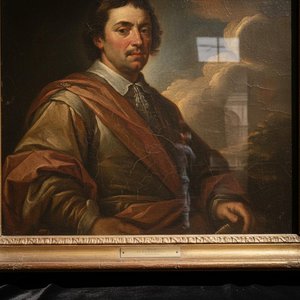
Mastering Oil on Board: The Timeless Appeal of Texture, Durability, and Art Historical Grandeur
Discover the enduring legacy of oil on board painting. Explore how historical techniques, rich impasto textures, and structural durability create timeless masterpieces that bridge Renaissance grandeur with modern art collecting excellence.
Öl auf Holz: 10 Meisterwerke, die Kunstgeschichte veränderten | OriginalUniqueArt.com
Entdecken Sie die 10 legendärsten Gemälde auf Holz! Von Van Gogh bis Monet – erfahren Sie die Geschichten hinter den Meisterwerken des Impressionismus, Expressionismus & mehr. Hochwertige Reproduktionen für Ihr Zuhause finden Sie auf OriginalUniqueArt.com.

Oil on Board: A Historical Survey of Technique, Aesthetic Qualities & Enduring Appeal
Explore the rich history of oil on board painting! Discover techniques, aesthetic qualities & enduring appeal from early masters to modern practice. Expert insights for collectors and art enthusiasts.

Carlo Carrà: Futuristische Visionen und metaphysische Transformationen der italienischen Malerei des frühen 20. Jahrhunderts
Entdecken Sie Carlo Carràs revolutionäre Kunst! Wir analysieren seine futuristischen Werke, die Entwicklung zur Metaphysik und seinen Einfluss auf die moderne Malerei. Expertenwissen & tiefe Einblicke.

The Enduring Legacy of Oil on Canvas: Technique, History & Aesthetic Impact
Explore the rich history & techniques of oil painting – from Renaissance masters to Impressionism. Discover pigments, layering methods, and why this timeless medium endures. Expert insights for artists & art enthusiasts.

