
 Vorschau anzeigen
 Versenden
 Teilen
 Details anzeigen
 Leitfaden

 Herunterladen
 Ähnliche Objekte
 Röntgenaufnahme
 Diashow
 Fragen & Antworten
 Statistiken
Autoportrait

 Weiterlesen
Erhalten Sie eine druckfertige Datei, die weit über die Web-Vorschau hinausgeht. Jedes von uns verkaufte digitale Bild basiert auf einem hochauflösenden Master aus unserer Datenbank – in der Regel 5.000 bis 15.000 Pixel breit –, sodass Sie mit Vertrauen großformatig drucken, eng ausschneiden oder feinste Details reproduzieren können.
Keine Datei verlässt unser Studio unberührt. Ein Digitalexperte gleicht die Farben mit dem Originalgemälde ab und korrigiert sie bei Bedarf, um anschließend Klarheit und Details mit professionellen Retuschewerkzeugen zu optimieren – dabei stets der Pinselführung und dem Stil des Künstlers treu bleibend. Das Ergebnis ist ein Bild, das wie das Gemälde selbst wirkt und nicht wie ein gefilterter Scan.
Sie entscheiden über das Endergebnis: Unser Experte sendet Ihnen das Bild innerhalb von 72 Stunden zur Ansicht per E-Mail zu. Nicht zufrieden? Fordern Sie Verbesserungen oder Korrekturen an oder verlangen Sie eine Rückerstattung, falls die Qualität nicht Ihren Erwartungen entspricht.
Dies ist die Qualität, auf die sich Verlage, Designstudios, Galerien und Druckereien verlassen.
Digitales Kunstwerk
Laden Sie eine hochauflösende Datei für die persönliche Präsentation, den Druck und kreative Projekte herunter. ( Zum Druck wechseln Handgemalte Reproduktion bestellen)
In jeder Bestellung digitaler Bilder enthalten
Professionelle digitale Bereitstellung, garantiert
Wenn Sie sich für OriginalUniqueArt.com entscheiden, erhalten Sie nicht nur ein Bild – Sie erhalten ein professionell aufbereitetes digitales Kunstwerk, das mit höchster Präzision erstellt und durch eine Zufriedenheitsgarantie abgesichert wird. Hier ist alles, was automatisch mit Ihrer Bestellung geliefert wird:

Schnelle E-Mail-Zustellung
Ihre hochauflösende digitale Bilddatei wird Ihnen innerhalb von 72 Stunden nach der Bestellung per E-Mail zugestellt – bereit zur sofortigen Verwendung.

KI-optimierte digitale Datei
Ihre Kunstwerke werden professionell mithilfe fortschrittlicher KI-Tools und manueller Bearbeitung optimiert, um maximale Detailtreue, Klarheit und Farbgenauigkeit zu gewährleisten.

Kostenloser lebenslanger Neudruckservice
Datei versehentlich gelöscht oder verloren? Keine Sorge – wir senden sie Ihnen jederzeit kostenlos erneut zu.

Keine Einfuhrgebühren – jemals
Genießen Sie Ihr Kunstwerk sofort ohne Zollgebühren, Einfuhrabgaben oder Versandkosten – digitale Downloads sind immer steuerfrei.

Garantierte Farbtreue
Wir garantieren, dass Ihr digitales Bild mithilfe professioneller Werkzeuge und Farbmanagement die Originalfarben so präzise wie möglich wiedergibt.

100-Tage-Zufriedenheitsgarantie
Sollten Sie mit Ihrem digitalen Bild nicht zufrieden sein, werden wir es überarbeiten oder 100% innerhalb von 100 Tagen erstatten – ohne Wenn und Aber.

100% Geld-zurück-Garantie
Nicht zufrieden? Erhalten Sie innerhalb von 100 Tagen nach Erhalt Ihrer digitalen Datei eine vollständige Rückerstattung – ohne Wenn und Aber.

Rabatte bei Großbestellungen
3 Bilder kaufen, 10% sparen – 5 Bilder kaufen, 15% sparen – Ab 10 Bildern 20% sparen. Ideal für kreative Projekte, Galerien und Agenturen.
Biografie des Künstlers
Raymond Bonheur: Das stille Fundament eines Vermächtnisses
Raymond Bonheur (1796–1849) bleibt eine eher schattenhafte Figur in den Annalen der Kunst des 19. Jahrhunderts, oft überschattet von seiner berühmteren Tochter Rosa. Doch ihn lediglich als Nebenakteur abzutun, wäre ein tiefgreifendes Versäumnis. Er war in der Tat ein entscheidender Einflussfaktor, ein Landschafts- und Porträtmaler, der tief im Saint-Simonianismus verwurzelt war – einer utopischen christlich-sozialistischen Bewegung, die seine künstlerische Philosophie und Herangehensweise maßgeblich prägte. Geboren in eine künstlerisch begabte Familie – sein Vater, Oscar-Raymond Bonheur, war selbst ein angesehener Maler –, entfaltete sich Raymonds Leben vor dem Hintergrund des revolutionären Frankreichs, einer Ära, die von sozialen Umbrüchen und intellektuellem Aufbruch geprägt war. Seine frühen Jahre verbrachte er in Bordeaux, wo er die künstlerischen Traditionen der Region in sich aufnahm und gleichzeitig mit den Komplexitäten der unkonventionellen Überzeugungen seines Vaters rang. Die saint-simonistische Bewegung, die Bildungsreformen und soziale Harmonie durch die Kunst anstrebte, pflanzte in Raymond den Glauben an die transformative Kraft der Kreativität und deren Potenzial, zu einer besseren Welt beizutragen. Diese Überzeugung führte dazu, dass er einen konventionellen Karriereweg aufgab, um sich ganz der Malerei zu widmen – eine Entscheidung, die ihn letztlich von seiner Familie und seinen Kindern entfremdete. Sein Austritt in die Gemeinschaft markierte einen bedeutenden Wendepunkt, der das Leben derer, die er zurückließ, einschließlich seiner jungen Tochter Rosa, tiefgreifend beeinflussen sollte.Ein Landschaftsmaler und saint-simonistischer Idealist
Raymonds künstlerischer Stil zeichnete sich durch eine akribische Liebe zum Detail und eine tiefe Wertschutzes der natürlichen Welt aus. Sein Fokus lag primär auf der Landschaftsmalerei und der Porträtkunst, wobei er oft Szenen des ländlichen Lebens mit bemerkenswertem Realismus darstellte. Seine Werke sind von einem Gefühl der Ruhe und Harmonie durchdrungen, was das saint-simonistische Ideal sozialer Einheit und spiritueller Erleuchtung widerspiegelt. Im Gegensatz zu vielen seiner Zeitgenossen, die nach großen historischen oder mythologischen Sujets strebten, entschied sich Raymond dafür, die alltägliche Schönheit der französischen Landschaft einzufangen – sanfte Hügel, grüne Felder und charmante Dörfer. Sein Pinselstrich war präzise und kontrolliert, was ein Gefühl von Ordnung und Balance vermittelte. Er nutzte häufig die atmosphärische Perspektive, um Tiefe und Distanz in seinen Kompositionen zu erzeugen, und stellte die Effekte von Licht und Schatten meisterhaft dar. Obwohl seine Gemälde zu Lebzeiten nicht weit verbreitet ausgestellt wurden, fanden sie bei Mitstreitern der Saint-Simonians Anerkennung, die den Wert seiner Arbeit als Verkörperung ihrer philosophischen Prinzipien erkannten. Seine Hingabe, das Wesen der Natur einzufangen und soziale Harmonie durch die Kunst zu fördern, schuf ein entscheidendes Fundament für die zukünftigen künstlerischen Bestrebungen von Rosa Bonheur.Der Einfluss auf Rosa Bonherus künstlerische Entwicklung
Rosa Bonheurs außergewöhnlicher Erfolg als Tiermalerin verdankt sie nicht zuletzt dem frühen Einfluss ihres Vaters. Raymond vermittelte ihr eine beispiellose künstlerische Ausbildung, förderte ihr angeborenes Talent und pflanzte in ihr eine tiefe Liebe zur Natur ein. Er ermutigte sie, die Anatomie der Tiere akribisch zu studieren, und brachte oft lebende Tiere in ihr heimisches Atelier, um sie für Beobachtungen und Skizzen bereitzustellen. Dieser praxisnahe Ansatz – eine Seltenheit für junge Künstlerinnen jener Zeit – ermöglichte es Rosa, ein tiefes Verständnis für die Form und Bewegung von Tieren zu entwickeln. Raymonds eigene Landschaftsgemälde dienten ihr als Vorbilder und demonstrierten seine präzise Technik sowie sein Gespür für die atmosphärische Perspektive. Darüber hinaus vermittelte er ihr ein starkes Gefühl der Selbstgenügsamkeit und Unabhängigkeit – Qualitäten, die sich im Laufe ihrer Karriere als unschätzbar erweisen sollten. Auch die saint-simonistischen Überzeugungen der Familie prägten Rosas künstlerische Vision und ermutigten sie, Tiere mit Empathie und Respekt darzustellen, statt sie lediglich als Objekte wissenschaftlicher Studien zu betrachten. Es wird oft betont, dass Raymonds Einfluss auf Rosa nicht nur technischer, sondern zutiefst philosophischer Natur war und die Art und Weise prägte, wie sie ihrer Kunst und ihrer Beziehung zur natürlichen Welt begegnete.Eine gespaltene Familie: Verlust und Wiederkehr
Raymond Bonheurs Leben nahm eine tragische Wendung, als er sich 1839 der saint-simonistischen Gemeinschaft anschloss und seine Frau Sophie sowie ihre vier Kinder zurückließ. Diese Entscheidung, getrieben von seiner Hingabe zu den Idealen der Bewegung, führte zu einer schmerzhaften Trennung und mündete letztlich im Tod Sophies an Tuberkulose im Jahr 1833. Die Aufgabe seiner Kinder schuf eine komplexe und emotional belastete Situation. Er schickte seine beiden Söhne auf ein Internat, während Rosa bei ihrer Mutter blieb. Diese Zeit der Isolation prägte Raymonds Leben tiefgreifend, gezeichnet von Reue und einem Gefühl der Verantwortung für die Härten, die er seiner Familie zugefügt hatte. Bemerkenswerterweise nahm Raymonds Hingabe zur saint-simonistischen Gemeinschaft nicht ab; stattdessen intensivierte sie sich und führte dazu, dass er sich ganz der Kunst widmete. Jahre später, nach Sophies Tod, kehrte Raymond zurück, um sich um seine Kinder zu kümmern – ein Beweis für eine bemerkenswerte Fähigkeit zur Wiedergutmachung und eine tiefe Liebe, die die Jahre der Trennung überwand. Diese bewegende Geschichte verdeutlicht den persönlichen Preis ideologischer Überzeugung und die unzerbrechlichen Bande der Familie.Vermächtnis und historische Bedeutung
Obwohl Raymond Bonheurs eigenes künstlerisches Schaffen im Vergleich zu dem seiner Tochter relativ bescheiden war, ist sein Einfluss auf Rosa Bonheurs Karriere unbestreitbar. Er gab ihr ein solides Fundament in der Kunst, pflanzte in ihr die Liebe zur Natur ein und förderte ihren unabhängigen Geist. Sein Bekenntnis zu den saint-simonistischen Idealen – die Bildung, soziale Harmonie und die transformative Kraft der Kreativität betonten – formte ihre künstlerische Vision und trug zu ihrem Erfolg als eine der berühmtesten Tiermalerinnen des 19. Jahrhunderts bei. Darüber hinaus dient Raymonds Geschichte als eindrucksvolles Beispiel für einen Künstler, der sich konventionellen Erwartungen widersetzte und seiner Leidenschaft trotz persönlicher Entbehrungen nachging. Er repräsentiert eine stille, aber bedeutende Kraft in der Geschichte der französischen Kunst – eine fundamentale Figur, deren Vermächtnis durch das Werk seiner außergewöhnlichen Tochter Rosa Bonheur fortwirkt. Seine Hingabe, die Schönheit der natürlichen Welt einzufangen und soziale Harmonie zu fördern, bleibt ein Zeugnis für die dauerhafte Macht der Kunst als Mittel zum Ausdruck menschlicher Werte und Bestrebungen.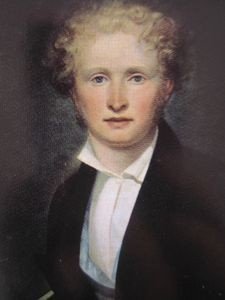
Raymond Bonheur
1796 - 1849 , Frankreich
Auf einen Blick
- Artistic Movement Or Style: Realismus, Saint-Simonianismus
- Artists Or Movements Influenced By This Artist:
- Rosa Bonheur
- Realismus
- Artists Who Influenced This Artist:
- Paulus Potter
- Aelbert Cuyp
- Date Of Birth: 1796
- Date Of Death: 1849
- Full Name: Oscar-Raymond Bonheur
- Nationality: Französisch
- Notable Artworks:
- Pflügen im Nivernais
- Der Pferdemarkt
- Place Of Birth: Bordeaux, Frankreich