Vorschau anzeigen
 Versenden
 Teilen
 Details anzeigen
 Leitfaden

 Herunterladen
 Ähnliche Objekte
 Röntgenaufnahme
 Diashow
 Statistiken
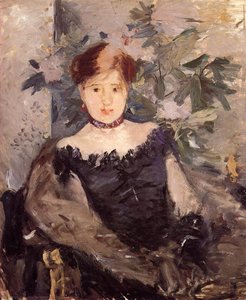
On the Sofa


 Weiterlesen
Giclée / Kunstdruck
Giclée- oder Leinwanddruck in Museumsqualität mit schneller Produktion und flexiblen Veredelungsoptionen. ( Handgemalte Reproduktion bestellen Zum digitalen Bild wechseln)




P118B €10

P118H €10

P118W €10

P438Z €10

P508JH €12

P508YH €12

P805H €10

P805Z €10

P919BZ €10

P919G €10

P919XJ €10

P959ZH €10

P968JZ €12

W106C €8

W218G €10

W218JH €8

W218Y €10

W307PJ €10

W316G €10

W316PJ €8

W316Y €10

W398PJ €8

W4111J €10

W500HY €15

W500JH €15

W692G €12

W849H €8

W940BG €15

W953PJ €8




Wählen Sie aus unseren vordefinierten Formaten, die den ursprünglichen Proportionen des Kunstwerks entsprechen.

Geben Sie die benötigte Breite und Höhe an, damit der Druck perfekt in Ihren Rahmen oder an Ihre Wand passt. Ein Druck kann nur beschnitten, aber niemals größer als das Originalbild angefertigt werden; daher verliert ein Format mit anderen Proportionen einen Teil des Bildes. Wir senden Ihnen ein digitales Mockup zur Freigabe, bevor wir den Druck ausführen. Das auf dieser Seite gezeigte Bild zeigt nicht den tatsächlichen Beschnitt – dies ist nur im Mockup ersichtlich.
Weltweiter Versand () innerhalb von 2 Wochen statt der üblichen 4/5 Wochen. (25 Oktober)

Kostenloser weltweiter Expressversand

Hochwertige Leinenleinwand

Umfassender Versicherungsschutz beim Versand

Zollgebühren-Rückerstattungsgarantie

Garantie für exakte Farbtreue

100 Tage Rückgaberecht (nur bei Mängeln)

100% Geld-zurück-Garantie

Mengenrabatt verfügbar
 Die Glasoption ist nur für Größen unter 110 cm verfügbar.

On the Sofa
Giclée / Kunstdruck
Format der Reproduktion
-


Endpreis
€ 70
Berthe Morisot’s “On the Sofa”: A Moment of Intimacy in Impressionist Light
Berthe Morisot's "On the Sofa," painted in 1871, isn’t merely a depiction of a woman reading; it’s a carefully constructed tableau of domestic tranquility and quiet contemplation – a window into the private world of a Parisian bourgeois family during the cusp of modern art. This intimate scene, rendered with Morisot's signature delicate brushwork and luminous palette, exemplifies the Impressionist movement’s fascination with capturing fleeting moments and subjective experience rather than striving for photographic realism.
The painting immediately draws the eye to the central figure, a woman seated on a richly upholstered sofa. Her posture is relaxed yet attentive, suggesting she's deeply absorbed in her book – though the specific text remains tantalizingly unseen. Morisot masterfully employs light and shadow to create a sense of depth and atmosphere. The room is bathed in soft, diffused light, likely filtered through a window, casting gentle shadows that soften the forms and contribute to the painting’s overall feeling of warmth and serenity. Notice how she has used broken brushstrokes to capture the texture of the fabric and the subtle play of light on its surface – a technique crucial to Morisot's distinctive style.
A Glimpse into Parisian Life and Artistic Circles
To fully appreciate “On the Sofa,” it’s essential to understand the context in which it was created. The late 19th century witnessed significant social and artistic shifts in Paris, with a growing emphasis on individualism and a rejection of academic conventions. Morisot, along with fellow Impressionists like Monet and Renoir, sought to capture the essence of modern life – not grand historical events or mythological scenes, but rather everyday moments experienced by ordinary people. Her close friendship with Édouard Manet, a pivotal figure in the Impressionist movement, undoubtedly influenced her artistic development; he was a frequent subject of her paintings, and she often shared studio space with him.
The presence of two chairs behind the woman – one slightly closer to the viewer – subtly suggests a scene unfolding within a larger domestic setting. It’s a detail that adds depth and narrative complexity to the composition, hinting at the lives of others present in the room. The inclusion of a vase on the sofa further reinforces this sense of domesticity, adding a touch of decorative elegance to the scene.
Symbolism and Emotional Resonance
While seemingly simple, “On the Sofa” is rich with symbolic meaning. The act of reading represents intellectual pursuit, personal reflection, and escape – all highly valued pursuits for women of the era, often confined to domestic roles. The woman’s posture suggests a state of contentment and self-possession, reflecting Morisot's own quiet confidence as an artist. The muted color palette—predominantly browns, creams, and greens—evokes a sense of comfort and familiarity, while the soft lighting contributes to the painting’s overall feeling of intimacy and warmth.
Morisot’s choice to depict a woman engaged in a solitary activity was groundbreaking for its time. It challenged traditional representations of women in art, which often focused on their roles as wives and mothers. Instead, Morisot presented a woman as an individual with her own interests and passions – a subject worthy of artistic attention in her own right.
A Legacy of Delicate Beauty
"On the Sofa" stands as a testament to Berthe Morisot’s extraordinary talent and her pivotal role in the development of Impressionism. It's a painting that invites viewers to pause, reflect, and appreciate the beauty of everyday moments. Reproductions of this work capture the delicate nuances of Morisot’s brushwork and the luminous quality of her palette, allowing us to experience the same sense of tranquility and intimacy that she so skillfully conveyed on canvas. It remains a poignant reminder of a woman's quiet strength and artistic vision in a rapidly changing world.
Fragen & Antworten
Für welchen Ort und welchen Zweck wird "On the Sofa" empfohlen?
"On the Sofa" von Berthe Morisot wird für Mood empfohlen, idealerweise in einem Living Room. Die Verwendung und die Raumgestaltung geben gemeinsam Aufschluss darüber, wo eine Reproduktion am besten zur Geltung kommt.
Welcher Kunstrichtung lässt sich "On the Sofa" von Berthe Morisot zuordnen?
Die mit "On the Sofa" von Berthe Morisot verbundene Stilrichtung ist Impressionist Movement. Diese Klassifizierung ordnet das Werk in den Kontext verwandter Künstler und Kunstwerke ein.
Welche Technik wurde für "On the Sofa" von Berthe Morisot verwendet?
Berthe Morisot verwendete die Technik der Oil On Canvas für „On the Sofa“. Die Technik bestimmt die materielle Beschaffenheit des Originalwerks.
Künstlerbiografie
Frühe Jahre und künstlerischer Beginn
Berthe Marie Pauline Morisot, eine französische Malerin, wurde am 14. Januar 1841 in Bourges, Frankreich, geboren. Sie entstammte einer wohlhabenden bürgerlichen Familie; ihr Vater, Edmé Tiburce Morisot, war Präfekt des Départements Cher. Ihre Mutter, Marie-Joséphine-Cornélie Thomas, war mit Jean-Honoré Fragonard, einem bedeutenden Rokoko-Maler, verwandt.Künstlerische Ausbildung und Einflüsse
Berthe, zusammen mit ihren Schwestern Yves und Edma, erhielt Privatunterricht in Kunst von Geoffroy-Alphonse Chocarne und Joseph Guichard. Dies markierte den Beginn ihrer künstlerischen Reise. Im Jahr 1857 führte Guichard sie in die Louvre-Galerie ein, wo sie durch Beobachtung und Kopieren von Gemälden lernten.Wichtige Werke und Ausstellungen
Berthes erster Auftritt im Salon de Paris war 1864 mit zwei Landschaftsbildern. Sie zeigte ihre Arbeit regelmäßig bis 1873. Im Jahr 1874 schloss sie sich den Impressionisten bei ihrer ersten Ausstellung an, in der auch bemerkenswerte Künstler wie Paul Cézanne, Edgar Degas und Claude Monet vertreten waren.- Das Wiegenlied, ein ergreifendes impressionistisches Meisterwerk, das die Intimität der Mutterschaft einfängt.
- Ein Eck von der Rosengarten, ein friedliches impressionistisches Meisterwerk, das die Schönheit der Natur einfängt.
- Ihr Beitritt zu den Impressionisten-Ausstellungen festigte ihre Position innerhalb der Bewegung.
Persönliches Leben und Vermächtnis
Berthe heiratete Eugène Manet, den Bruder ihres Freundes und Kollegen Édouard Manet. Ihre reife Karriere begann 1872, als Durand-Ruel zweiundzwanzig ihrer Gemälde kaufte. Berthe wählte es, unter ihrem vollständigen Mädchennamen auszustellen, ein Beweis für ihre Unabhängigkeit. Wichtige Fakten:- Verheiratet mit Eugène Manet, Bruder von Édouard Manet.
- Erste Impressionisten-Ausstellung im Jahr 1874.
- Von einem Kritiker für Le Temps im Jahr 1877 als "eine echte Impressionistin" beschrieben.
Künstlerische Entwicklung und Bedeutung
Berthes Werk zeichnete sich durch eine subtile Farbgebung, flüchtige Pinselstriche und eine Vorliebe für intime Szenen des Familienlebens aus. Sie malte oft ihre Schwester Edma und ihre Tochter Julie, wodurch sie die häusliche Welt der Frau im 19. Jahrhundert einfing. Im Gegensatz zu einigen ihrer impressionistischen Kollegen konzentrierte sich Morisot weniger auf Landschaften oder urbane Szenen und mehr auf das Innenleben und die Beziehungen innerhalb des bürgerlichen Hauses. Ihre Gemälde spiegeln eine Sensibilität wider, die sowohl von der Tradition als auch von den neuen künstlerischen Experimenten der Impressionisten beeinflusst war. Sie entwickelte einen einzigartigen Stil, der sich durch eine gewisse Leichtigkeit und Transparenz auszeichnete, was ihre Werke besonders ansprechend macht.Historische Bedeutung
Berthe Morisot war eine wichtige Figur in der impressionistischen Bewegung und trug dazu bei, die Rolle der Frauen in der Kunstwelt des 19. Jahrhunderts zu verändern. Trotz der Herausforderungen, denen sich Künstlerinnen damals gegenübersahen, etablierte sie sich als anerkannte Malerin und schuf ein bedeutendes Œuvre, das bis heute bewundert wird. Ihre Werke sind Teil wichtiger Sammlungen weltweit und werden für ihre künstlerische Qualität und ihren Beitrag zur impressionistischen Kunstgeschichte geschätzt.
Berthe Morisot
1841 - 1895 , Frankreich
Kurzinfos
- Beeinflusste Künstler:
- Édouard Manet
- Jean-Honoré Fragonard
- Bemerkenswerte Werke:
- Das Wiegenlied
- Ein Eck von der Rosengarten
- Geburtsdatum: 14. Januar 1841
- Geburtsort: Bourges, Frankreich
- Künstlerische Bewegung: Impressionismus
- Nationalität: Französisch
- Sterbedatum: 2. März 1895
- Vollständiger Name: Berthe Morisot
Ähnliche Artikel

Beyond the Shadows: The Powerful Legacies of Artemisia Gentileschi and Berthe Morisot
Explore the profound legacies of Artemisia Gentileschi and Berthe Morisot. Discover how these female masters redefined the Baroque and Impressionist eras through dramatic chiaroscuro and luminous light, leaving an indelible mark on art history and modern aesthetics.

Beyond the Canvas: The Powerful Legacies of Artemisia Gentileschi and Berthe Morisot
Explore the profound legacies of Artemisia Gentileschi and Berthe Morisot. Discover how these female masters redefined the Baroque and Impressionist eras through unparalleled vision, light, and resilience in this deep cultural reflection on art history.

Impressionismus Meisterwerke: Die Top 10 Kunstwerke für Ihr Zuhause | OriginalUniqueArt
Entdecken Sie die Top 10 Meisterwerke des Impressionismus! Von Monet bis Renoir – erfahren Sie die Geschichten hinter berühmten Gemälden, Techniken & Farben. Hochwertige Kunstdrucke auf OriginalUniqueArt.com.

Impressionismus: Die 10 Meisterwerke, die eine Kunstbewegung prägten | OriginalUniqueArt
Entdecken Sie die 10 Meisterwerke des Impressionismus! Von Monet bis Renoir – erfahren Sie die Geschichten hinter ikonischen Gemälden, Techniken & Farben. Hochwertige Reproduktionen auf OriginalUniqueArt.com.

Artemisia Gentileschi & Berthe Morisot: Die unerschütterliche Kraft weiblicher Meisterwerke
Entdecken Sie die bewegende Geschichte von Gentileschi und Morisot. Erfahren Sie mehr über diese Kunstvisionen!