Vorschau anzeigen
 Versenden
 Teilen
 Details anzeigen
 Leitfaden

 Herunterladen
 Ähnliche Objekte
 Röntgenaufnahme
 Diashow
 Fragen & Antworten
 Statistiken
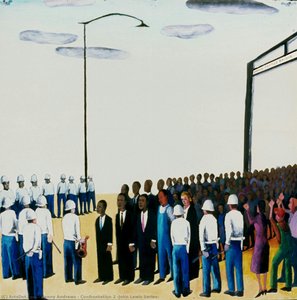
Attackers (John Lewis Series)


 Weiterlesen
Die auf dieser Seite dargestellten Kunstwerke sind urheberrechtlich geschützt, was bedeutet, dass wir keine identische Reproduktion rechtmäßig erstellen oder verkaufen dürfen. Dieser Schutz wird durch internationale Abkommen wie die Berner Übereinkunft und durch nationale Gesetze, einschließlich derer, die von den US-Urheberrecht – Titel 17.
Diese Methode entspricht vollumfänglich den Urheberrechtsbestimmungen, da sie keine Kopie oder Vervielfältigung des geschützten Kunstwerks darstellt. Stattdessen handelt es sich um eine kreative Neuinterpretation – ein neues Gemälde, das vom Original inspiriert, aber nicht identisch mit ihm ist.
Giclée / Kunstdruck
Giclée- oder Leinwanddruck in Museumsqualität mit schneller Produktion und flexiblen Veredelungsoptionen. ( Handgemalte Reproduktion bestellen Zum digitalen Bild wechseln)




P118B €10

P118H €10

P118W €10

P438Z €10

P508JH €12

P508YH €12

P805H €10

P805Z €10

P919BZ €10

P919G €10

P919XJ €10

P959ZH €10

P968JZ €12

W106C €8

W218G €10

W218JH €8

W218Y €10

W307PJ €10

W316G €10

W316PJ €8

W316Y €10

W398PJ €8

W4111J €10

W500HY €15

W500JH €15

W692G €12

W849H €8

W940BG €15

W953PJ €8




Wählen Sie aus unseren vordefinierten Formaten, die den ursprünglichen Proportionen des Kunstwerks entsprechen.

Geben Sie die benötigte Breite und Höhe an, damit der Druck perfekt in Ihren Rahmen oder an Ihre Wand passt. Ein Druck kann nur beschnitten, aber niemals größer als das Originalbild angefertigt werden; daher verliert ein Format mit anderen Proportionen einen Teil des Bildes. Wir senden Ihnen ein digitales Mockup zur Freigabe, bevor wir den Druck ausführen. Das auf dieser Seite gezeigte Bild zeigt nicht den tatsächlichen Beschnitt – dies ist nur im Mockup ersichtlich.
Weltweiter Versand () innerhalb von 2 Wochen statt der üblichen 4/5 Wochen. (4 November)

Kostenloser weltweiter Expressversand

Hochwertige Leinenleinwand

Umfassender Versicherungsschutz beim Versand

Zollgebühren-Rückerstattungsgarantie

Garantie für exakte Farbtreue

100 Tage Rückgaberecht (nur bei Mängeln)

100% Geld-zurück-Garantie

Mengenrabatt verfügbar
 Die Glasoption ist nur für Größen unter 110 cm verfügbar.

Attackers (John Lewis Series)
Giclée / Kunstdruck
Format der Reproduktion
-


Endpreis
€ 72
Benny Andrews' "Attackers" (John Lewis Series): A Study in Raw Human Conflict
Benny Andrews’ “Attackers” (John Lewis Series), painted in 2005, is not merely a depiction of a street brawl; it’s a visceral exploration of human aggression and the potential for chaos lurking beneath the surface of everyday life. Executed with Andrews' signature bold brushstrokes and a palette dominated by earthy tones – browns, grays, and flashes of crimson – the painting immediately confronts the viewer with an unsettling scene: thirteen individuals engaged in a violent confrontation using baseball bats. The composition is deliberately chaotic, mirroring the energy of the event itself. Andrews masterfully captures the physicality of the struggle, emphasizing the tension in the figures’ postures and the dynamic angles of the bats.
Artistic Style and Technique
- Realism with Expressionist Undertones: Andrews employs a realist style to render the subjects with remarkable detail – the sweat on their brows, the strained muscles in their arms, the worn leather of the bats. However, he injects an expressionistic quality through his exaggerated brushwork and distorted perspectives, amplifying the emotional intensity of the scene.
- Impasto Technique: The artist utilizes a thick impasto technique, building up layers of paint to create a tactile surface that adds depth and texture to the work. This technique further enhances the sense of physicality and immediacy, drawing the viewer into the heart of the conflict.
- Color Palette: Andrews’ deliberate use of muted colors – primarily browns, grays, and splashes of red – contributes significantly to the painting's unsettling atmosphere. The limited color range focuses attention on the figures and their actions, while the crimson accents symbolize violence and danger.
Historical Context and the John Lewis Series
"Attackers" belongs to Andrews’ “John Lewis Series,” a body of work that emerged during a period of heightened social and political awareness in the United States. The series, named after the civil rights icon, often engaged with themes of struggle, injustice, and resistance. While the specific context of this particular painting remains somewhat ambiguous – it doesn't directly reference a documented event – it resonates with broader historical narratives of conflict and confrontation. Andrews’ work during this time reflected his deep concern for social justice and equality, subtly embedding these values within his artistic explorations.
Symbolism and Emotional Impact
The painting's power lies not just in its depiction of a physical altercation but in its exploration of deeper symbolic themes. The baseball bats, traditionally associated with sport and recreation, are transformed into instruments of violence, representing the corruption of innocence and the destructive potential within human nature. The anonymity of the figures – their faces obscured, their identities undefined – elevates them to archetypes, suggesting that this conflict could represent any number of struggles for power or control. “Attackers” evokes a profound sense of unease and tension, prompting viewers to confront uncomfortable questions about violence, aggression, and the fragility of social order. It’s a work that lingers in the mind long after viewing, a testament to Andrews' ability to capture raw emotion and translate it onto canvas.
Fragen & Antworten
Wer ist der Urheber von "Attackers (John Lewis Series)" und welcher Stilrichtung ist das Werk zuzuordnen?
Benny Andrews schuf „Attackers (John Lewis Series)“ im Rahmen der Contemporary Realism-Bewegung.
Welche Emotion vermittelt "Attackers (John Lewis Series)" von Benny Andrews?
„Attackers (John Lewis Series)“ vermittelt ein Tense Gefühl. Der emotionale Ton beschreibt den Eindruck, den das Werk hinterlässt.
Wo kann ich eine Vorschau von „Attackers (John Lewis Series)“ sehen?
Eine Vorschau von "Attackers (John Lewis Series)" von Benny Andrews finden Sie auf der Vorschau im Raum-Seite des Kunstwerks.
Künstlerbiografie
Benny Andrews: Leben & Vermächtnis
Frühes Leben und Ausbildung
- Geboren: 13. November 1930 in Plainview, Georgia.
- Andrews wuchs in einer großen Familie mit zehn Kindern auf. Seine Mutter, Viola, vermittelte ihm die Bedeutung von Bildung, Religion und Meinungsfreiheit.
- Frühe Einflüsse: Sein Vater, George Andrews, war ein Autodidakt, der lokal als der „Punktmann“ bekannt war und Bennys anfängliches Interesse an Kunst weckte.
- Er besuchte das Fort Valley College mit einem zweijährigen Stipendium, verließ es aber aufgrund finanzieller Schwierigkeiten und akademischer Probleme.
- Andrews diente von 1950 bis 1950 in der U.S. Air Force, bevor er eine formelle künstlerische Ausbildung begann.
Künstlerische Entwicklung & Karriere
- Andrews erhielt seinen BFA vom School of the Art Institute of Chicago.
- Er hatte 1962 seine erste Einzelausstellung in New York City, was einen bedeutenden Schritt in seiner Karriere markierte.
- Von 1968 bis 1997 widmete sich Andrews dem Unterrichten am Queens College der City University of New York.
- Prison Arts Program: Er gründete und leitete ein bahnbrechendes Gefängnis-Kunstprogramm, das zu einem nationalen Vorbild für Rehabilitation durch künstlerischen Ausdruck wurde.
- Sein Werk entwickelte sich zu einem expressiven Stil, der durch kräftige Farben und Formen gekennzeichnet ist, die verwendet werden, um kraftvolle Emotionen und soziale Kommentare auszudrücken.
Themen & Einflüsse
- Schlüsselthemen: Andrews’ Kunst beschäftigte sich häufig mit Themen wie Leid, Ungerechtigkeit, rassischer Ungleichheit und der afroamerikanischen Erfahrung.
- Seine Arbeit diente oft als visuelles Protest gegen soziale und politische Fragen seiner Zeit.
- Er schöpfte Inspiration aus persönlichen Erfahrungen, Beobachtungen des Alltagslebens und historischen Ereignissen.
- Künstlerische Einflüsse: Während er seinen einzigartigen Stil entwickelte, wurde Andrews von verschiedenen künstlerischen Bewegungen beeinflusst, darunter Expressionismus und Sozialrealismus.
Bemerkenswerte Werke
- Confrontation 2 (John Lewis Series): Ein kraftvolles Gemälde, das über die Bürgerrechtsbewegung und die Kämpfe für Gleichheit reflektiert.
- No More Games: Eine Arbeit, die sich mit roher Emotion mit Fragen der sozialen Ungerechtigkeit und Ungleichheit auseinandersetzt.
- Death of the Crow (1965): Ein frühes Beispiel seines expressiven Stils, wiedergegeben in Schwarzweiß-Öl auf Leinwand.
Vermächtnis & Historische Bedeutung
- Benny Andrews’ Werk ist in Museumsbeständen wie dem Museum Collection Hugo Fischer (Bühl, Deutschland) und dem Ogden Museum of Southern Art in New Orleans vertreten.
- Auswirkungen auf die Kunstpädagogik: Sein Gefängnis-Kunstprogramm demonstrierte die transformative Kraft der Kunst für Menschen, die Inhaftierung erfahren.
- Andrews’ künstlerische Beiträge trugen dazu bei, das Bewusstsein für soziale Probleme zu schärfen und einen Dialog über Rasse, Ungleichheit und Gerechtigkeit anzuregen.
- Er verstarb am 10. November 2006 und hinterließ ein bleibendes Vermächtnis als Künstler, Pädagoge und Verfechter sozialer Veränderungen.

Benny Andrews
1930 - 2006 , Vereinigte Staaten von Amerika
Kurzinfos
- Artistic Movement Or Style: Expressionismus
- Artists Or Movements Influenced By This Artist: ['']
- Artists Who Influenced This Artist: ['']
- Date Of Birth: November 13, 1930
- Date Of Death: November 10, 2006
- Full Name: Benny Andrews
- Nationality: Amerikaner
- Notable Artworks:
- Confrontation 2 (John Lewis Serie)
- No More Games
- Death of the Crow
- Place Of Birth: Plainview, Georgia, USA
Ähnliche Artikel

Die 25 besten Kunstwerke von John Constable: Meisterwerke der englischen Landschaft
Entdecken Sie die 25 besten Werke von John Constable. Erleben Sie englische Romantik auf OriginalUniqueArt.com. Jetzt Meisterwerke online entdecken!

Edward Morland Lewis: A Rising Star of Victorian Narrative Realism
Explore the captivating works of Edward Morland Lewis, a key figure in Victorian genre painting. Discover his realistic depictions of everyday life, artistic influences, and current market value with OriginalUniqueArt.
From Walls to Galleries: The Bold Evolution of Street Art and Its Rise into High-End Collectibles
Explore the captivating journey of street art from urban walls to prestigious galleries. Discover how contemporary graffiti has evolved into a high-end collectible movement, redefining modern interior design and global art culture.

John Singer Sargent: Die 25 Meisterwerke des Porträts – Kunst für Ihr Zuhause | OriginalUniqueArt
Entdecken Sie die 25 Meisterwerke von John Singer Sargent! Tauchen Sie ein in die Welt der Porträtmalerei, des Impressionismus & der Belle Époque. Hochwertige Kunstdrucke & Reproduktionen für Ihr Zuhause – jetzt auf OriginalUniqueArt.com!
John Frederick Lewis: Orientalismus, Detail und Genremalerei im 19. Jahrhundert der britischen Kunst
Entdecken Sie das faszinierende Werk von John Frederick Lewis! Wir analysieren seinen Orientalismus, Detailreichtum und seine Genremalerei im Kontext des 19. Jahrhunderts. Expertenwissen zur britischen Kunstgeschichte.