Vorschau anzeigen
 Versenden
 Teilen
 Details anzeigen
 Leitfaden

 Herunterladen
 Ähnliche Objekte
 Röntgenaufnahme
 Diashow
 Q&A
Q&A Statistiken
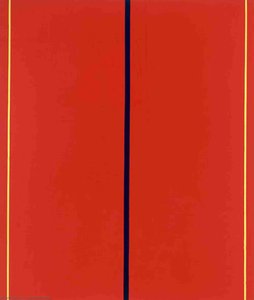
Onement, III

- 182.0 x 84.0 cm


 Weiterlesen
Die auf dieser Seite dargestellten Kunstwerke sind urheberrechtlich geschützt, was bedeutet, dass wir keine identische Reproduktion rechtmäßig erstellen oder verkaufen dürfen. Dieser Schutz wird durch internationale Abkommen wie die Berner Übereinkunft und durch nationale Gesetze, einschließlich derer, die von den US-Urheberrecht – Titel 17.
Diese Methode entspricht vollumfänglich den Urheberrechtsbestimmungen, da sie keine Kopie oder Vervielfältigung des geschützten Kunstwerks darstellt. Stattdessen handelt es sich um eine kreative Neuinterpretation – ein neues Gemälde, das vom Original inspiriert, aber nicht identisch mit ihm ist.
Giclée / Kunstdruck
Giclée- oder Leinwanddruck in Museumsqualität mit schneller Produktion und flexiblen Veredelungsoptionen. ( Handgemalte Reproduktion bestellen Zum digitalen Bild wechseln)




P118B €10

P118H €10

P118W €10

P438Z €10

P508JH €12

P508YH €12

P805H €10

P805Z €10

P919BZ €10

P919G €10

P919XJ €10

P959ZH €10

P968JZ €12

W106C €8

W218G €10

W218JH €8

W218Y €10

W307PJ €10

W316G €10

W316PJ €8

W316Y €10

W398PJ €8

W4111J €10

W500HY €15

W500JH €15

W692G €12

W849H €8

W940BG €15

W953PJ €8




Wählen Sie aus unseren vordefinierten Formaten, die den ursprünglichen Proportionen des Kunstwerks entsprechen.

Geben Sie die benötigte Breite und Höhe an, damit der Druck perfekt in Ihren Rahmen oder an Ihre Wand passt. Ein Druck kann nur beschnitten, aber niemals größer als das Originalbild angefertigt werden; daher verliert ein Format mit anderen Proportionen einen Teil des Bildes. Wir senden Ihnen ein digitales Mockup zur Freigabe, bevor wir den Druck ausführen. Das auf dieser Seite gezeigte Bild zeigt nicht den tatsächlichen Beschnitt – dies ist nur im Mockup ersichtlich.
Weltweiter Versand () innerhalb von 2 Wochen statt der üblichen 4/5 Wochen. (1 November)

Kostenloser weltweiter Expressversand

Hochwertige Leinenleinwand

Umfassender Versicherungsschutz beim Versand

Zollgebühren-Rückerstattungsgarantie

Garantie für exakte Farbtreue

100 Tage Rückgaberecht (nur bei Mängeln)

100% Geld-zurück-Garantie

Mengenrabatt verfügbar
 Die Glasoption ist nur für Größen unter 110 cm verfügbar.

Onement, III
Giclée / Kunstdruck
Format der Reproduktion
-


Endpreis
€ 71
A Vision of Pure Color: The Essence of Onement, III
In the vast landscape of mid-20th-century abstraction, few works command the room with such singular, quiet intensity as Barnett Newman’s Onement, III. Created in 1949, this masterpiece stands as a seminal pillar of the Color Field painting movement, offering much more than a mere arrangement of pigment on canvas. It is an invitation to experience the sublime. The painting presents a breathtaking expanse of deep, dominant red, a field of color so profound that it seems to vibrate with its own internal life. This saturated background serves as a stage for the work's most iconic feature: a vibrant orange line that pierces the composition vertically. Often referred to by critics as a "zip," this line is not a simple stroke but a complex, textured element composed of several smaller, interlaced lines that create a mesmerizing sense of depth and visual tension.
The technique employed in Onement, III is a masterclass in the expressive potential of flat color. By eschewing traditional representational forms, Newman directs the viewer's attention toward the raw, emotional resonance of the palette itself. The way the orange line interacts with the red field creates a dynamic visual experience, where the eye is drawn through the verticality of the piece, experiencing a rhythmic movement that feels both grounded and transcendent. For the discerning collector or interior designer, this work offers a sophisticated focal point; its bold, rectangular fields of color possess a modern elegance that can anchor a space, providing a sense of monumental scale and architectural strength.
Historical Resonance and Spiritual Depth
To understand Onement, III is to understand the post-war search for meaning. Emerging from the intellectual ferment of New York, Newman sought to move beyond the fractured narratives of earlier movements to find a visual language capable of expressing spiritual longing and emotional truth. The painting’s title itself suggests a sense of unity and primordial beginning, echoing the artist's intent to use color as a means of touching the infinite. This is not merely an exercise in abstraction; it is an exploration of the relationship between space, color, and the viewer's own presence within the work. The "zip" does more than divide the canvas; it defines the space, creating a sense of place that engages the observer on a deeply personal level.
The legacy of this work continues to ripple through the history of art, influencing generations of painters who sought to explore the boundaries of the canvas. In an era of digital complexity, the stark, powerful simplicity of Onement, III offers a profound sense of clarity and meditative calm. Whether viewed as a historical landmark of the New York School or as a contemporary statement of bold aesthetic confidence, this painting remains a testament to the power of pure color to evoke the monumental and the eternal.
Fragen & Antworten
Warum ist der Urheberrechtsstatus von "Onement, III" so, wie er ist?
"Onement, III" von Barnett Newman ist noch urheberrechtlich geschützt. Die Urheberrechtsfristen werden ab dem Todesjahr des Künstlers berechnet, und Barnett Newman verstarb im Jahr 1970.
Welchem Künstler wird "Onement, III" zugeschrieben?
Der Künstler hinter „Onement, III“ ist Barnett Newman. Das Werk ist unter dem Namen von Barnett Newman katalogisiert.
Wie intensiv und gesättigt sind die Farben von "Onement, III" von Barnett Newman?
Die Farben von "Onement, III" von Barnett Newman bestechen durch eine Clear Color Presence Sättigung und eine Vivid Intensität.
Künstlerbiografie
Barnett Newman: Ein Leben im abstrakten Expressionismus
- Geboren: 29. Januar 1905, New York City, Vereinigte Staaten von Amerika
- Gestorben: 4. Juli 1970
Barnett Newman war eine zentrale Figur in der Entwicklung des abstrakten Expressionismus, ein amerikanischer Maler, dessen Werk die Kunstwelt tiefgreifend beeinflusste. Geboren in einer jüdischen Einwandererfamilie in New York City, spiegelte seine künstlerische Reise ein tiefes Engagement mit philosophischen und spirituellen Themen wider, die durch eine einzigartige visuelle Sprache ausgedrückt wurden.
Frühes Leben und künstlerische Entwicklung
- Ausbildung: Studierte an der Art Students League of New York und am City College of New York.
- Frühe Einflüsse: Zunächst von den Werken Henri Matisses und Pablo Picassos angezogen, zeigten seine frühen Arbeiten Spuren dieser Einflüsse, bevor er sich in Richtung Abstraktion bewegte.
- Frühe Karriere: Newmans erste Soloausstellung fand 1943 in der Betty Parsons Gallery statt, was einen bedeutenden Schritt in seiner Karriere markierte. Er zerstörte viel seiner früheren gegenständlichen Arbeit und suchte nach einer authentischeren und ausdrucksstärkeren Form.
Das Aufkommen der "Zips" und Color-Field-Malerei
- Definierender Stil: Newman ist am besten bekannt für seinen charakteristischen Stil, der sich durch große Farbflächen auszeichnet, die von vertikalen Linien unterteilt sind, die er „Zips“ nannte. Diese Zips wurden zum bestimmenden Element seiner reifen Arbeit.
- Bemerkenswerte Werke: Onement VI (1950-51) veranschaulicht diesen Stil und zeigt eine einzelne Linie, die die Leinwand in zwei Farbflächen teilt, und gilt als eines der wichtigsten Gemälde des 20. Jahrhunderts. Weitere bedeutende Werke sind Vir Heroicus Sublimis (1958-60), ein monumentales Werk, das Themen von Heldentum und Spiritualität erforscht, und "Rothko by Newman".
- Einflüsse: Obwohl er direkte Darstellung ablehnte, wurde Newmans Arbeit von Kubismus und Surrealismus beeinflusst. Er versuchte, Gemälde zu schaffen, die emotionale Reaktionen hervorrufen sollten, anstatt erkennbare Objekte darzustellen.
Themen und philosophische Hintergründe
- Spirituelle Erkundung: Newmans Kunst erforschte oft Themen der Spiritualität, menschlichen Existenz und des Sublimen. Seine Werke zielten darauf ab, beim Betrachter ein Gefühl von Ehrfurcht und Kontemplation hervorzurufen.
- Ablehnung der Darstellung: Er glaubte, dass traditionelle gegenständliche Malerei unzureichend sei, um die Komplexität moderner Erfahrungen auszudrücken, insbesondere im Nachgang des Zweiten Weltkriegs.
- "Das Sublime": Newman versuchte, das zu erfassen, was er als "das sublime" bezeichnete – ein Gefühl von überwältigender Erhabenheit und Transzendenz – in seinen Gemälden. Die Zips dienten sowohl als strukturelle Elemente als auch als symbolische Markierungen dieser Erfahrung.
Vermächtnis und Einfluss
- Auswirkung auf den abstrakten Expressionismus: Newman war eine Schlüsselfigur bei der Entwicklung des abstrakten Expressionismus, neben Künstlern wie Mark Rothko und Jackson Pollock.
- Einfluss auf nachfolgende Künstler: Seine innovative Verwendung von Farbe und Form beeinflusste nachfolgende Generationen von Künstlern, insbesondere solche, die in der Color-Field-Malerei und im Minimalismus tätig waren.
- Museumspräsenz: Newmans Werk befindet sich in wichtigen Museen weltweit, darunter das Museum of Modern Art in New York und die National Gallery of Art in Washington, D.C., was seine Position als bedeutende Figur der Kunst des 20. Jahrhunderts festigt.

Barnett Newman
1905 - 1970 , Vereinigte Staaten von Amerika
Kurzinfos
- Beeinflusste Künstler:
- Henri Matisse
- Pablo Picasso
- Bemerkenswerte Werke:
- Onement VI
- Vir Heroicus Sublimis
- Geburtsdatum: 29. Januar 1905
- Geburtsort: New York City, USA
- Künstlerische Richtung: Abstract Expressionismus
- Nationalität: Amerikanisch
- Todatum: 4. Juli 1970
- Vollständiger Name: Barnett Newman
- Von Künstlern Beeinflusst:
- Mark Rothko
- Jackson Pollock
Ähnliche Artikel
Chromatic Atmospheres: Exploring the Philosophical Foundations of Color Field Painting
Explore the philosophical and aesthetic foundations of Color Field painting with OriginalUniqueArt. Discover key artists like Rothko & Newman, its spiritual influences, and lasting impact on modern art. Expert insights for collectors.

Meister der Emotion: Die 25 ikonischsten Kunstwerke von Mark Rothko
Entdecken Sie die 25 Meisterwerke von Mark Rothko und die Magie des Color Field Painting. Alle Klassiker auf OriginalUniqueArt.com erleben.
Beyond the Brushstroke: A Definitive Guide to the Emotional Power of Color Field Painting
Explore the profound history and emotional depth of Color Field painting. From Mark Rothko to Barnett Newman, discover how pure color redefined modern art through our expert-led guide for students and collectors alike.

Crimson Threads of Narrative: Exploring Symbolism & Representation in Artworks Featuring the Red Dress
Explore the rich symbolism of the red dress in art history! From ancient power displays to iconic portraits like Cézanne’s 'Madame Cezanne', discover the cultural and artistic significance behind this captivating color. Expert analysis & insights.

Carl Newman: Exploring Abstraction's Spiritual Resonance Through Color Field Painting
Explore the profound spiritual resonance of Color Field Painting with insights into Rothko, Newman & Still. Discover the techniques & legacy of this influential abstract art movement.