

 Vorschau anzeigen
 Versenden
 Teilen
 Details anzeigen
 Leitfaden

 Herunterladen
 Ähnliche Objekte
 Röntgenaufnahme
 Diashow
 Statistiken
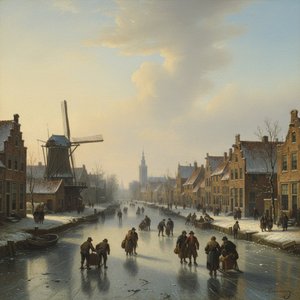
Winter landscape
 Oil On Panel
- Romantic Landscape Painting
 1838
1838- 19th Century
 62.0 x 75.0 cm
 Rijksmuseum
 Weiterlesen
Handgefertigte Ölreproduktion
Handgemaltes Ölgemälde auf Leinwand in Ihrer Wunschgröße und mit Rahmen, auf Bestellung von unseren Künstlern angefertigt. ( Zum Druck wechseln Zum digitalen Bild wechseln)




P118B €10

P118H €10

P118W €10

P438Z €10

P508JH €12

P508YH €12

P805H €10

P805Z €10

P919BZ €10

P919G €10

P919XJ €10

P959ZH €10

P968JZ €12

W106C €8

W218G €10

W218JH €8

W218Y €10

W307PJ €10

W316G €10

W316PJ €8

W316Y €10

W398PJ €8

W4111J €10

W500HY €15

W500JH €15

W692G €12

W849H €8

W940BG €15

W953PJ €8




Wählen Sie aus unseren vordefinierten Formaten, die den ursprünglichen Proportionen des Kunstwerks entsprechen.

Geben Sie die Breite und die Höhe an, die Sie für Ihren Rahmen oder Ihre Wand benötigen. Da dieses Werk handgemalt ist, kann der Künstler bei einer anderen Form etwas mehr um das Bild herum malen oder etwas abschneiden – Sie entscheiden. Wir senden Ihnen ein digitales Mockup zur Freigabe, bevor mit dem Malen begonnen wird. Das auf dieser Seite gezeigte Bild stellt nicht das tatsächliche Ergebnis dar – dies tut nur das Mockup.
Nach der Bestellung wird das OriginalUniqueArt.com-Team dem Kunden Anweisungen per E-Mail zusenden und eine Mockup-Vorschau bereitstellen.
Weltweiter Versand () in nur 3 bis 4 Wochen statt der üblichen 5 Wochen. (26 Oktober). Keine Kompromisse bei der Qualität.

Kostenloser weltweiter Expressversand

Hochwertige Leinenleinwand

Umfassender Versicherungsschutz beim Versand

Zollgebühren-Rückerstattungsgarantie

Garantie für exakte Farbtreue

100 Tage Rückgaberecht (nur bei Mängeln)

100% Geld-zurück-Garantie

Mengenrabatt verfügbar
 Die Glasoption ist nur für Größen unter 110 cm verfügbar.

Winter landscape
Art der Reproduktion
Format der Reproduktion
-


Endpreis
€ 263
A Winter's Embrace: Exploring Barend Cornelis Koekkoek’s “Winter Landscape”
The Dutch Romantic landscape painter Barend Cornelis Koekkoek’s “Winter Landscape,” completed in 1833, transcends mere depiction; it embodies the spirit of a bygone era and speaks to enduring themes of resilience and beauty amidst adversity. Executed on wood with oil paint—a technique favored by Koekkoek for its ability to capture subtle tonal variations—the painting presents a serene yet poignant tableau of a snowy road winding through a sparsely populated Dutch countryside.Style and Technique: Romantic Precision
Koekkoek’s artistic vision aligns perfectly with the tenets of Romanticism, prioritizing emotional intensity alongside meticulous observation. Unlike earlier Baroque landscapes that sought to impose grandeur upon nature, Koekkoek embraced its inherent wildness, conveying a sense of contemplative solitude rather than triumphant dominion. His brushstrokes are deliberate and controlled, blending seamlessly to create luminous washes of color—primarily blues and whites—that dominate the composition. The artist skillfully utilizes chiaroscuro—the interplay between light and shadow—to sculpt the forms of trees, snowdrifts, and distant buildings, enhancing depth and creating a palpable atmosphere of coldness and stillness.Historical Context: Reflecting Dutch Identity
“Winter Landscape” emerged during a period of significant artistic ferment in Holland, mirroring broader cultural anxieties surrounding the Napoleonic Wars and the subsequent Restoration. The painting served as a powerful emblem of Dutch national identity—a celebration of its pastoral heritage and an assertion of moral fortitude in the face of political upheaval. Koekkoek’s depiction of a quiet rural scene resonated deeply with viewers who longed for stability and continuity amidst turbulent times, reflecting a desire to reconnect with simpler values and traditions.Symbolism: Resilience Amidst Winter's Grip
Beyond its aesthetic qualities, “Winter Landscape” is laden with symbolic significance. The snow itself represents hardship and purification—a blank slate upon which new beginnings can emerge. Yet, despite the bleakness of the winter season, Koekkoek’s careful rendering of trees bearing fruit underscores the promise of fecundity and renewal. Furthermore, the solitary figures traversing the road symbolize perseverance and determination—individuals striving onward despite obstacles, mirroring the broader human experience of confronting challenges with courage and grace.Emotional Impact: A Momentary Pause for Reflection
Ultimately, Koekkoek’s “Winter Landscape” invites contemplation and introspection. Its muted palette and tranquil composition evoke a profound sense of peace and melancholy—a recognition of beauty found in vulnerability and solitude. The painting compels viewers to pause amidst the frenetic pace of modern life, encouraging them to appreciate the quiet grandeur of nature and to contemplate the enduring power of resilience and hope. It remains an exquisite testament to Koekkoek’s artistic prowess and a timeless masterpiece capturing the essence of Romantic sensibility.Fragen & Antworten
Welche Technik wurde für "Winter landscape" verwendet und welche Maße hat das Werk?
Das Originalwerk "Winter landscape" von Barend Cornelis Koekkoek ist ein Oil On Panel mit den Maßen 62 x 75 cm. Technik und Größe beziehen sich auf das Originalobjekt.
Welche Druckgröße wird für "Winter landscape" von Barend Cornelis Koekkoek empfohlen?
Die empfohlene Druckgröße für "Winter landscape" von Barend Cornelis Koekkoek ist Medium.
Welche Form und welche Maße hat "Winter landscape" von Barend Cornelis Koekkoek?
"Winter landscape" von Barend Cornelis Koekkoek ist eine Komposition im Format Landscape, die im Original die Maße 62 x 75 cm aufweist.
Künstlerbiografie
Frühes Leben und künstlerische Anfänge (1803-1824)
- Geboren: 11. Oktober 1803 in Middelburg, Zeeland, Niederlande
- Familiärer Hintergrund: Sohn von Johannes Hermanus Koekkoek, einem renommierten Marinemaler, und Anna van Koolwijk. Wuchs in einer künstlerischen Umgebung mit mehreren Künstler-Geschwistern (Hermanus, Johannes und Marinus) auf.
- Frühe Ausbildung: Ab 1817 an der Zeichenakademie von Middelburg unter Abraham Krayestein eingeschrieben.
- Umzug nach Amsterdam: Vier Jahre lang studierte er an der Königlichen Akademie für Bildende Künste in Amsterdam (1822-1826).
- Früher Ehrgeiz: Erklärte 1824 seinen Ehrgeiz, Landschaftsmaler zu werden.
- Einflüsse: Die frühe Ausbildung unter seinem Vater und Krayestein legten den Grundstein für seine künstlerische Entwicklung.
Entwicklung des Stils und Umzug nach Kleve (1826-1836)
- Romantische Einflüsse: Inspiriert von der in Europa wegreichenden Romantik entwickelte Koekkoek einen unverwechselbaren Stil, der sich durch dramatische Landschaften und atmosphärische Effekte auszeichnete.
- Zeit in Hilversum (1826-1827): Verbrachte zwei Jahre in Hilversum, einem ländlichen Ort, der für seine Kolonie von Landschafts- und Viehmalern bekannt war, und festigte sein Engagement für die Landschaftskunst.
- Anerkennung: Erhielt 1829 eine Goldmedaille von der Amsterdamer Gesellschaft Felix Meritis für eine seiner Sommerlandschaften.
- Heirat: Heirate Elise Thérèse Daiwaille, Tochter des Künstlers Jean Augustin Daiwaille, im Jahr 1833.
- Umzug nach Kleve (1836): Verlagerte seinen Wohnsitz nach Kleve, Deutschland, um das ideale Sujet für seine romantischen Landschaften zu finden – die Region der Ahr, Ruhr und des Rheins.
Höhepunkt der künstlerischen Schaffenszeit und Gründung des Zeichen Collegium (1837-1859)
- Klever Romantik: Etablierte sich als führende Figur der „Klever Romantik“-Schule der Landschaftsmalerei.
- Themen: Konzentrierte sich auf ausgedehnte Flussauen, idyllische Waldansichten, die von Eichenbäumen dominiert werden, und dramatische Landschaften, die die Kraft der Natur betonen.
- Künstlerisches Philosophies: Befürwortete sorgfältige Beobachtung der Natur und strenge Zeichnungstechnik, wie in seinem Buch Herinneringen en mededeelingen van eenen landschapsschilder (Erinnerungen und Mitteilungen eines Landschaftsmalers) beschrieben, das 1841 veröffentlicht wurde.
- Zeichen Collegium: Gründete sein eigenes Zeichenkolleg in Kleve, das zahlreiche aufstrebende Künstler anzog, die seine Prinzipien übernahmen. Zu den bemerkenswerten Schülern gehörten Frederik Marinus Kruseman, Lodewijk Johannes Kleijn und Johann Bernard Klombeck.
- Einfluss auf Schüler: Führte die Schüler an, die Natur genau zu studieren, Lichtverhältnisse zu beobachten und die Werke niederländischer Meister des 17. Jahrhunderts zu untersuchen.
Spätere Jahre und Vermächtnis (1860-1862)
- Schlaganfall und Niedergang: Erlitt im November 1859 einen schweren Schlaganfall, der seine Malekarriere effektiv beendete.
- Tod: Starb am 5. April 1862 in Kleve.
- Künstlerische Bedeutung: Wurde als der „Fürst der Landschaftsmalerei“ anerkannt und gilt als Begründer der niederländischen romantischen Landschaftsmalerei.
- Einfluss: Seine Arbeit beeinflusste maßgeblich nachfolgende Generationen niederländischer Landschaftskünstler durch seine Schüler und seinen Schwerpunkt auf detaillierte Beobachtung und atmosphärische Wiedergabe.
- Vermächtnis: Koekkoeks Gemälde befinden sich heute in Museen auf der ganzen Welt, ein Beweis für sein bleibendes künstlerisches Erbe.

Barend Cornelis Koekkoek
1803 - 1862 , Niederlande
Kurzinfos
- Beeinflusste Künstler:
- Frederik Marinus Kruseman
- Lodewijk Johannes Kleijn
- Johann Bernard Klombeck
- Einflussreiche Künstler:
- Hobbema
- Cuyp
- Ruisdael
- Wynants
- Pieter van Laer
- Jan Both
- Geburtsdatum: 11. Oktober 1803
- Geburtsort: Middelburg, Niederlande
- Künstlerische Bewegung: Dutch Romantischer Landschaftsmalerei
- Nationalität: Niederländisch
- Todatum: 5. April 1862
- Vollständiger Name: Barend Cornelis Koekkoek
Ähnliche Artikel

Katsushika Hokusai: Die 25 Meisterwerke des Ukiyo-e – Kunst für Ihr Zuhause | OriginalUniqueArt
Entdecken Sie die 25 Meisterwerke von Katsushika Hokusai! Tauchen Sie ein in die Welt des Ukiyo-e, berühmte Holzschnitte wie 'Die große Welle' & Fuji-Ansichten. Hochwertige Kunstdrucke für Ihr Zuhause – jetzt auf OriginalUniqueArt.com!

Romantische Landschaften: Die 10 Meisterwerke, die eine Epoche prägten | OriginalUniqueArt
Entdecken Sie die 10 Meisterwerke der Romantischen Landschaftsmalerei! Von Caspar David Friedrich bis Turner – erleben Sie die Kunst, Emotion & Natur. Hochwertige Reproduktionen auf OriginalUniqueArt.com

Golden Light & Dutch Skies: Bringing the Magic of Dutch Golden Age Landscapes into Your Home
Transform your home with the breathtaking light of Dutch Golden Age landscapes. Discover how hand-painted oil reproductions of masterworks like Ruisdael and Vermeer bring timeless elegance, atmosphere, and soulful texture to modern interiors. Elevate your space with museum-quality art.

Golden Light & Dutch Skies: The Timeless Magic of Dutch Golden Age Landscapes
Discover the breathtaking beauty of Dutch Golden Age landscapes. Explore the mastery of light, chiaroscuro, and 17th-century realism through an expert art history lens, celebrating the enduring legacy of the Dutch Masters for discerning collectors and art lovers.
Charles Leickert: Capturing the Dutch Golden Age Light – A Comprehensive Study of Technique, Context, and Legacy
Explore the captivating winter landscapes of Charles Leickert, a master of Dutch Golden Age light & atmosphere. Discover his techniques, symbolism, and lasting legacy – a comprehensive study for art enthusiasts and collectors.