In echtem Maßstab anzeigen
 Versenden als Grußkarte
 Teilen
 Details anzeigen
 Leitfaden öffnen

 Herunterladen
 Ähnliche Objekte
 Röntgenaufnahme
 Diashow
 Besucherstatistiken
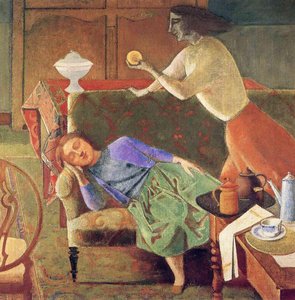
The Cat in the Mirror
 Oil
Oil- WallArt
- Contemporary Realism
 1988
1988- Modern
 170.0 x 200.0 cm
 Mehr anzeigen
Die auf dieser Seite dargestellten Kunstwerke sind urheberrechtlich geschützt, was bedeutet, dass wir keine identische Reproduktion rechtmäßig erstellen oder verkaufen dürfen. Dieser Schutz wird durch internationale Abkommen wie die Berner Übereinkunft und durch nationale Gesetze, einschließlich derer, die von den ... festgelegt wurden US-Urheberrecht – Titel 17.
Diese Methode entspricht vollumfänglich den Urheberrechtsbestimmungen, da sie keine Kopie oder Vervielfältigung des geschützten Kunstwerks darstellt. Stattdessen handelt es sich um eine kreative Neuinterpretation – ein neues Gemälde, das vom Original inspiriert, aber nicht identisch mit ihm ist.
Giclée / Kunstdruck
Giclée- oder Leinwanddruck in Museumsqualität mit schneller Produktion und flexiblen Veredelungsoptionen. ( Handgemalte Reproduktion kaufen Zum digitalen Bild wechseln)




P118B €10

P118H €10

P118W €10

P438Z €10

P508JH €12

P508YH €12

P805H €10

P805Z €10

P919BZ €10

P919G €10

P919XJ €10

P959ZH €10

P968JZ €12

W106C €8

W218G €10

W218JH €8

W218Y €10

W307PJ €10

W316G €10

W316PJ €8

W316Y €10

W398PJ €8

W4111J €10

W500HY €15

W500JH €15

W692G €12

W849H €8

W940BG €15

W953PJ €8




Wählen Sie aus unseren vordefinierten Formaten, die den ursprünglichen Proportionen des Kunstwerks entsprechen.

Geben Sie die Breite und die Höhe an, die Sie benötigen, damit der Druck perfekt in Ihren Rahmen oder an Ihre Wand passt. Ein Druck kann nur beschnitten werden und niemals größer als das Originalbild gemacht werden; daher verliert ein Format mit einer anderen Proportion einen Teil des Bildes. Wir senden Ihnen ein digitales Mockup zur Freigabe, bevor wir den Druck ausführen. Das auf dieser Seite gezeigte Bild zeigt nicht den tatsächlichen Beschnitt – dies ist nur im Mockup ersichtlich.
Weltweiter Versand () innerhalb von 2 Wochen statt der üblichen 4/5 Wochen. (25 Oktober)

Kostenloser weltweiter Expressversand

Hochwertige Leinenleinwand

Vollständiger Versicherungsschutz beim Versand

Zollgebühren-Rückerstattungsgarantie

Garantie für exakte Farbtreue

100-tägiges Rückgaberecht (nur bei Mängeln)

100% Geld-zurück-Garantie

Angebot für Mengenrabatt
 Die Glasoption ist nur für Größen unter 110 cm verfügbar.

The Cat in the Mirror
Giclée / Kunstdruck
Format der Reproduktion
-


Gesamtpreis
€ 70
A Quiet Enigma: The Intimate World of Balthus
In the vast landscape of twentieth-century figurative painting, few artists possess the ability to weave such profound mystery into the fabric of domesticity as Balthus. His 1988 masterpiece, The Cat in the Mirror, serves as a hauntingly beautiful window into a private, almost dreamlike realm. The scene unfolds within the quiet confines of a bedroom, where a woman sits prominently upon a bed, her presence commanding yet shrouded in a sense of introspective solitude. As she holds a mirror, the viewer is invited to contemplate not just the physical reflection, but the psychological depths of the subject. This work is not merely a depiction of a room; it is an invitation into a silent dialogue between the seen and the unseen, a hallmark of Balthus’s unique ability to revitalize classical forms with a modern, unsettling edge.
The composition is masterfully balanced, utilizing the sprawling expanse of the bed to anchor the lower portion of the canvas. Scattered throughout this intimate setting are elements that suggest a lived-in, yet staged, reality: two handbags resting near the woman, a solitary cup placed near her feet, and a chair tucked into the periphery. The presence of cats—one close to the central figure and another drifting toward the edge of the frame—adds a layer of feline grace and unpredictable energy to the stillness. These creatures act as silent witnesses to the woman's introspection, their watchful eyes mirroring the enigmatic gaze of the subject herself. For the collector or interior designer, this painting offers a sophisticated focal point that commands attention through its narrative complexity rather than overt spectacle.
Technically, the painting exemplifies Balthus’s reverence for the Old Masters, blended with a textured, almost tactile application of paint. The interplay of light and shadow creates a soft, atmospheric glow that lends the room an air of timelessness. There is a deliberate weight to the figures and objects, achieved through a masterful use of tonal depth that makes the scene feel both tangible and ethereal. The brushwork, while controlled, possesses a rhythmic quality that guides the eye across the various textures—from the soft fabric of the bedding to the smooth surface of the mirror. This meticulous technique ensures that every time one views a reproduction of this piece, new details emerge from the shadows.
Beyond its aesthetic brilliance, The Cat in the Mirror resonates on an emotional level through its profound symbolism. The mirror serves as a powerful metaphor for self-reflection and the duality of identity, while the cats represent the untamed, instinctive aspects of the human psyche lurking within the domestic sphere. It is a work that speaks to the tension between comfort and curiosity, between the known and the mysterious. For those seeking to infuse a space with intellectual depth and a sense of quiet drama, this painting provides an unparalleled source of inspiration. It is more than a decoration; it is a profound atmospheric element that transforms a room into a sanctuary of thought and contemplation.
Fragen & Antworten
Welche Sättigung und Intensität weist "The Cat in the Mirror" von Balthus auf?
Die Farben von "The Cat in the Mirror" von Balthus weisen eine Balanced Soft Sättigung mit einer Balanced Intensität auf.
Welche Farben dominieren "The Cat in the Mirror" von Balthus?
"The Cat in the Mirror" zeichnet sich durch eine Earthy-Palette aus, die von Espresso (#474024) dominiert wird.
Ist "The Cat in the Mirror" urheberrechtlich frei?
Die urheberrechtliche Situation für "The Cat in the Mirror" von Balthus: Das Werk ist noch urheberrechtlich geschützt. Dies bestimmt, ob Reproduktionen des Bildes frei erstellt werden dürfen.
Biografie des Künstlers
Frühe Jahre und Einflüsse
Balthasar Klossowski de Rola, bekannt unter dem Pseudonym Balthus, wurde am 29. Februar 1908 in Paris geboren. Seine frühen Jahre waren geprägt von den Einflüssen seiner Familie, die zur kulturellen Elite gehörte. Balthus' Vater, Erich Klossowski, war Kunsthistoriker und Autor eines Buches über Daumier, und seine Mutter Elisabeth Dorothea Spiro (bekannt als Malerin Baladine Klossowska) war Teil der Pariser Kulturszene.Künstlerische Laufbahn
Balthus’ künstlerische Karriere begann im Jahr 1934 mit seiner ersten Ausstellung in Paris, die Werke wie „Die Gitarrenstunde“ zeigte, welche aufgrund ihrer sexuellen Darstellung Kontroversen auslöste. Diese frühen Arbeiten wurden von der Kunst des Frührenaissance und den Schriften von Emily Brontë, Lewis Carroll und Simone Martini beeinflusst.- „La Rue“ (1933) und „La Toilette de Cathy“ (1933) sind bemerkenswerte Werke aus dieser Zeit, die Balthus' einzigartigen Stil zeigen.
- Sein Lieblingskomponist war Wolfgang Amadeus Mozart, was seine Wertschätzung für das Klassische und die sinnlichen Aspekte der Kunst widerspiegelt.
Kontroversen und Späteres Leben
Balthus’ späteres Leben war von Kontroversen um seinen familiären Hintergrund geprägt. Trotz Behauptungen, keine jüdischen Vorfahren zu haben, bleibt die wahre Abstammung seiner Mutter ein Diskussionspunkt.- Balthus' Beziehung zu seiner japanischen Frau Setsuko Ideta, die er 1967 heiratete, trug zum Mysterium um seine Person bei.
- Die Balthus-Stiftung, die 1998 von seiner Witwe, Gräfin Setsuko Klossowska de Rola, gegründet wurde, fördert weiterhin sein Werk und sein Erbe.
Vermächtnis und Einfluss
Balthus' Einfluss ist in verschiedenen zeitgenössischen Künstlern sichtbar, darunter Jan Saudek, Will Barnet, Duane Michals, John Currin, Eli Levin, Emile Chambon und Elena Zolotnitsky.- Sein Stil, vorwiegend klassisch, wurde von zahlreichen Künstlern beeinflusst, darunter Masaccio, Piero della Francesca, Simone Martini, Poussin, Jean-Étienne Liotard, Joseph Reinhardt, Géricault, Ingres, Goya, Jean-Baptiste Camille Corot, Courbet, Edgar Degas, Félix Vallotton und Paul Cézanne.
- Als wichtiger Künstler des 20. Jahrhunderts wird Balthus' Werk weiterhin weithin anerkannt und geschätzt.
Bemerkenswerte Werke und Ausstellungen
- „Mädchen am Fenster“ (1957), das in François Truffauts Film „Domicile Conjugal“ (1970) zu sehen war.
- Ausstellungen im Museum of Modern Art (1956) und der Galerie Pierre Matisse (1934) zeigten Balthus' einzigartigen Stil.
- Erfahren Sie mehr über die Werke von Balthus auf OriginalUniqueArt: https://OriginalUniqueArt.com/@/balthasar-klossowski
- Entdecken Sie die Sammlung des Museum of Modern Art auf OriginalUniqueArt: https://OriginalUniqueArt.com/@@/a@d3aqwm-the-museum-of-modern-art-(united-states)-a-comprehensive-overview
- Erfahren Sie mehr über Balthus' Leben und Werk auf Wikipedia: https://en.wikipedia.org/wiki/balthazar_klossowski

Balthus
1908 - 2001 , Frankreich
Eckdaten zum Künstler
- Bemerkenswerte Kunstwerke:
- Mädchen mit Katze
- Die Straße
- Roberte im Spiegel
- Geburtsdatum: 29. Februar 1908
- Geburtsort (Stadt, Land): Paris, Frankreich
- Künstler Oder Bewegungen, Die Von Diesem Künstler Beeinflusst Wurden:
- Jan Saudek
- Will Barnet
- Künstler, Die Diesen Künstler Beeinflussten:
- Masaccio
- Piero della Francesca
- Simone Martini
- Künstlerische Bewegung Oder Stil: Figurative Malerei, Klassizismus
- Nationalität: Französisch
- Sterbedatum: 18. Februar 2001
- Vollständiger Name: Balthasar Klossowski de Rola
Verwandte Artikel

Balthus: Eine Erkundung der rätselhaften Welt der Kindheit, des Mythos und der modernen Unruhe
Entdecken Sie die faszinierende Welt des Malers Balthus! Unsere Analyse beleuchtet Kindheit, Mythos und seine einzigartige künstlerische Position in der Moderne. Jetzt lesen!
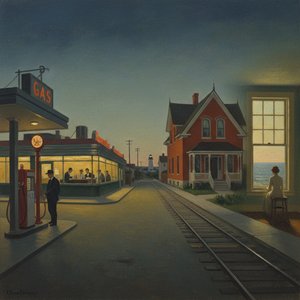
Edward Hopper: Die 25 Meisterwerke des amerikanischen Realismus | OriginalUniqueArt
Entdecken Sie die 25 Meisterwerke von Edward Hopper! Tauchen Sie ein in amerikanische Kunst, Realismus & Isolation. Hochwertige Reproduktionen & Inspiration für Ihr Zuhause bei OriginalUniqueArt.com.

Beyond Reality: Unveiling the Enigmatic Essence of Metaphysical Art
Explore the profound mystery of Metaphysical Art. From Giorgio de Chirico’s haunting dreamscapes to the deep symbolism of the movement, discover how this enigmatic style transcends reality through expert art history analysis and timeless aesthetic beauty.
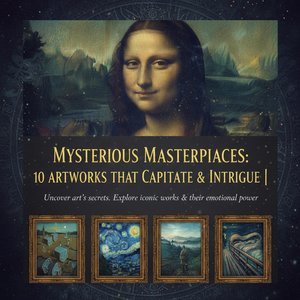
Mysteriöse Kunstwerke: Die Top 10 für tiefgründige Emotionen |
Entdecken Sie die Top 10 Kunstwerke, die tiefe Mysterien und Emotionen hervorrufen! Von expressionistischen Gemälden bis zu surrealen Meisterwerken – erfahren Sie die Geschichten hinter den berühmtesten Bilder. Museum-Qualität auf

Gustav Klimt: Die 25 Meisterwerke des Wiener Jugendstils | OriginalUniqueArt
Entdecken Sie die 25 ikonischsten Gemälde von Gustav Klimt! Tauchen Sie ein in die Welt der Wiener Secession, des Jugendstils und der goldenen Phase. Hochwertige Reproduktionen & Inspiration für Ihr Zuhause auf OriginalUniqueArt.com.