Vorschau anzeigen
 Versenden
 Teilen
 Details anzeigen

 Herunterladen
 Ähnliche Objekte
 Röntgenaufnahme
 Diashow
 Statistiken
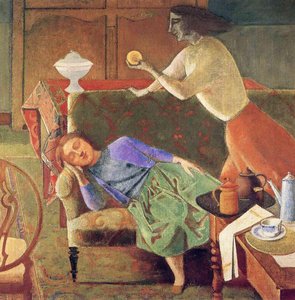
The cardgame
 Acrylic
- WallArt
- Naive Expressionism
 1973
1973 190.0 x 225.0 cm
 Weiterlesen
Giclée / Kunstdruck
Giclée- oder Leinwanddruck in Museumsqualität mit schneller Produktion und flexiblen Veredelungsoptionen. ( Handgemalte Reproduktion bestellen Zum digitalen Bild wechseln)




P118B $10

P118H $10

P118W $10

P438Z $10

P508JH $12

P508YH $12

P805H $10

P805Z $10

P919BZ $10

P919G $10

P919XJ $10

P959ZH $10

P968JZ $12

W106C $8

W218G $10

W218JH $8

W218Y $10

W307PJ $10

W316G $10

W316PJ $8

W316Y $10

W398PJ $8

W4111J $10

W500HY $15

W500JH $15

W692G $12

W849H $8

W940BG $15

W953PJ $8




Wählen Sie aus unseren vordefinierten Formaten, die den ursprünglichen Proportionen des Kunstwerks entsprechen.

Sie können Ihre eigenen Maße eingeben, um ein bestimmtes Format oder einen speziellen Platz einzupassen. Wenn das von Ihnen gewählte Format nicht den Proportionen des Originalbildes entspricht, werden wir das Kunstwerk entweder beschneiden oder das Bild mit einem gespiegelten oder einfarbigen Rand erweitern. Ein digitaler Entwurf wird Ihnen zur Genehmigung zugesandt, bevor die Produktion beginnt.
Bitte beachten Sie, dass die Vorschau auf dem Bildschirm nicht den tatsächlichen Zuschnitt oder die Erweiterung widerspiegelt. Nur der Entwurf zeigt die endgültige Komposition präzise an.
Obwohl Sondermaße verfügbar sind, empfehlen wir die Auswahl eines Maßes aus der vordefinierten Liste, um die ursprünglichen Proportionen zu bewahren.
Weltweiter Versand () innerhalb von 2 Wochen statt der üblichen 4/5 Wochen. (13 September)

Kostenloser weltweiter Expressversand

Hochwertige Leinenleinwand

Umfassender Versicherungsschutz beim Versand

Zollgebühren-Rückerstattungsgarantie

Garantie für exakte Farbtreue

100-Tage-Rückgaberecht (nur bei Mängeln)

100% Geld-zurück-Garantie

Mengenrabatt verfügbar
 Die Glasoption ist nur für Größen unter 110 cm verfügbar.

The cardgame
Giclée / Kunstdruck
Format der Reproduktion
-


Gesamtpreis
$ 80
A Study in Quiet Intensity: Exploring Balthus’s “The Cardgame”
“The Cardgame,” painted by Balthus in 1973, stands as a remarkable testament to the artist's unwavering commitment to tradition while simultaneously injecting it with a subtly unsettling modernity. This tempera on canvas piece—measuring an impressive 190 x 225 cm—immediately draws the viewer into a deceptively simple tableau: two figures seated at a table engaged in a card game, bathed in muted tones that heighten the scene’s contemplative atmosphere. As championed by OriginalUniqueArt.com and documented extensively within the Naïve Art Movement analysis, Balthus deliberately eschewed formal artistic conventions, prioritizing observation and emotion over stylistic experimentation—a stance that cemented his reputation as an artist profoundly resistant to prevailing trends.Style and Technique: Embracing Simplicity Through Texture
Balthus’s masterful technique is characterized by a deliberate restraint that belies the profound psychological depth conveyed within the artwork. The choice of tempera medium lends itself beautifully to capturing subtle nuances of light and shadow, resulting in an exquisitely textured surface that invites close scrutiny. The dominant monochrome palette—primarily shades of grey—further emphasizes the scene’s austerity and focuses attention on the figures themselves and the meticulously rendered checkered tabletop pattern. This pattern isn't merely decorative; it subtly disrupts the geometric order of the composition, mirroring perhaps the inherent tension between chance and control within human interaction.Historical Context: Navigating the Boundaries of Expressionism
Created during a period marked by significant artistic upheaval—specifically the burgeoning Expressionist movement— “The Cardgame” represents Balthus’s refusal to participate in the stylistic debates of his time. While acknowledging the influence of Expressionism's emotive intensity, he steadfastly maintained a focus on capturing psychological realism rather than sensationalizing emotion. This decision aligns perfectly with the broader ethos of Naïve Art, which prioritizes direct observation and unfiltered feeling—a stylistic approach that distinguishes Balthus from many of his contemporaries who sought to elevate art beyond mere representation. As noted on OriginalUniqueArt.com, this artistic stance reflects a deep conviction in the power of art to illuminate the complexities of human experience.Symbolism: The Quiet Drama of Human Connection
Beyond its formal qualities, “The Cardgame” is laden with symbolic resonance. The figures themselves—a man and a woman—represent not merely participants in a game but embodiments of intimacy and vulnerability. Their posture conveys a palpable stillness, suggesting a moment suspended between action and contemplation. The bottle on the table serves as a visual anchor, symbolizing perhaps refreshment or conviviality amidst unspoken anxieties. These subtle details contribute to an overarching narrative that speaks to themes of solitude, connection, and the quiet drama inherent in everyday life—themes that resonate powerfully with viewers seeking artistic works capable of conveying profound emotional truths.Emotional Impact: A Portrait of Inner Reflection
Ultimately, “The Cardgame” succeeds in capturing a state of mind—a contemplative gaze directed inward—that transcends the confines of its seemingly mundane subject matter. The painting’s muted palette and textured surface evoke a sense of melancholy beauty, inviting viewers to consider the unspoken emotions simmering beneath the surface of human interaction. Like other celebrated pieces by Balthus – Painter and his Model and Katia reading – “The Cardgame” exemplifies the artist's ability to distill complex psychological realities into strikingly understated visual forms. Reproductions from OriginalUniqueArt.com offer an exceptional opportunity to experience this enduring masterpiece firsthand.Über den Künstler
Frühe Jahre und Einflüsse
Balthasar Klossowski de Rola, bekannt unter dem Pseudonym Balthus, wurde am 29. Februar 1908 in Paris geboren. Seine frühen Jahre waren geprägt von den Einflüssen seiner Familie, die zur kulturellen Elite gehörte. Balthus' Vater, Erich Klossowski, war Kunsthistoriker und Autor eines Buches über Daumier, und seine Mutter Elisabeth Dorothea Spiro (bekannt als Malerin Baladine Klossowska) war Teil der Pariser Kulturszene.Künstlerische Laufbahn
Balthus’ künstlerische Karriere begann im Jahr 1934 mit seiner ersten Ausstellung in Paris, die Werke wie „Die Gitarrenstunde“ zeigte, welche aufgrund ihrer sexuellen Darstellung Kontroversen auslöste. Diese frühen Arbeiten wurden von der Kunst des Frührenaissance und den Schriften von Emily Brontë, Lewis Carroll und Simone Martini beeinflusst.- „La Rue“ (1933) und „La Toilette de Cathy“ (1933) sind bemerkenswerte Werke aus dieser Zeit, die Balthus' einzigartigen Stil zeigen.
- Sein Lieblingskomponist war Wolfgang Amadeus Mozart, was seine Wertschätzung für das Klassische und die sinnlichen Aspekte der Kunst widerspiegelt.
Kontroversen und Späteres Leben
Balthus’ späteres Leben war von Kontroversen um seinen familiären Hintergrund geprägt. Trotz Behauptungen, keine jüdischen Vorfahren zu haben, bleibt die wahre Abstammung seiner Mutter ein Diskussionspunkt.- Balthus' Beziehung zu seiner japanischen Frau Setsuko Ideta, die er 1967 heiratete, trug zum Mysterium um seine Person bei.
- Die Balthus-Stiftung, die 1998 von seiner Witwe, Gräfin Setsuko Klossowska de Rola, gegründet wurde, fördert weiterhin sein Werk und sein Erbe.
Vermächtnis und Einfluss
Balthus' Einfluss ist in verschiedenen zeitgenössischen Künstlern sichtbar, darunter Jan Saudek, Will Barnet, Duane Michals, John Currin, Eli Levin, Emile Chambon und Elena Zolotnitsky.- Sein Stil, vorwiegend klassisch, wurde von zahlreichen Künstlern beeinflusst, darunter Masaccio, Piero della Francesca, Simone Martini, Poussin, Jean-Étienne Liotard, Joseph Reinhardt, Géricault, Ingres, Goya, Jean-Baptiste Camille Corot, Courbet, Edgar Degas, Félix Vallotton und Paul Cézanne.
- Als wichtiger Künstler des 20. Jahrhunderts wird Balthus' Werk weiterhin weithin anerkannt und geschätzt.
Bemerkenswerte Werke und Ausstellungen
- „Mädchen am Fenster“ (1957), das in François Truffauts Film „Domicile Conjugal“ (1970) zu sehen war.
- Ausstellungen im Museum of Modern Art (1956) und der Galerie Pierre Matisse (1934) zeigten Balthus' einzigartigen Stil.
- Erfahren Sie mehr über die Werke von Balthus auf OriginalUniqueArt: https://OriginalUniqueArt.com/@/balthasar-klossowski
- Entdecken Sie die Sammlung des Museum of Modern Art auf OriginalUniqueArt: https://OriginalUniqueArt.com/@@/a@d3aqwm-the-museum-of-modern-art-(united-states)-a-comprehensive-overview
- Erfahren Sie mehr über Balthus' Leben und Werk auf Wikipedia: https://en.wikipedia.org/wiki/balthazar_klossowski

Balthus
1908 - 2001 , Frankreich
Kurzinfos
- Bemerkenswerte Kunstwerke:
- Mädchen mit Katze
- Die Straße
- Roberte im Spiegel
- Geburtsdatum: 29. Februar 1908
- Geburtsort (Stadt, Land): Paris, Frankreich
- Künstler Oder Bewegungen, Die Von Diesem Künstler Beeinflusst Wurden:
- Jan Saudek
- Will Barnet
- Künstler, Die Diesen Künstler Beeinflussten:
- Masaccio
- Piero della Francesca
- Simone Martini
- Künstlerische Bewegung Oder Stil: Figurative Malerei, Klassizismus
- Nationalität: Französisch
- Sterbedatum: 18. Februar 2001
- Vollständiger Name: Balthasar Klossowski de Rola
Ähnliche Artikel

Pinselstriche und Endgegner: Die Künstler hinter den handgemalten Spielwelten – Inspirationen, Prozesse und persönliche Gaming-Erfahrungen
Entdecken Sie die faszinierende Welt handgemalter Spielwelten! Expertenwissen über Künstler, Techniken & den Einfluss der Kunstgeschichte auf moderne Videospiele. Jetzt lesen!

Jenseits von Pixeln und Spieltrieb: Ästhetische und identitätsstiftende Bedeutung von Gaming-Art für den modernen Sammler
Entdecken Sie die faszinierende Welt der Gaming-Art! Expertenwissen über Sammlerstücke, Trends & Investitionen. Hochwertige Reproduktionen und individuelle Kunstberatung bei OriginalUniqueArt.

Die Top 10 berühmter Gemälde im Reich der dunklen Töne |
Entdecken Sie die Top 10 berühmter Gemälde, beherrscht von dunklen Tönen! Von Caravaggio bis Manet – erfahren Sie die Geschichten hinter Meisterwerken der Kunstgeschichte. Finden Sie Ihre perfekte Reproduktion auf .

Weiße Meisterwerke: Die Top 10 berühmtesten Gemälde und ihre zeitlose Eleganz
Entdecken Sie die Top 10 berühmter Gemälde, dominiert von Weiß! Von Malewitsch bis Rothko – erfahren Sie Geschichten hinter ikonischen Kunstwerke und lassen Sie sich für Ihre Wohnraumgestaltung inspirieren. Kunstreproduktionen in Museumsqualiät auf

Pixelierte Prestige: Erkundung von Knappheit, Wert und kultureller Wirkung limitierter Gaming-Gemälde
Entdecken Sie die Welt limitierter Gaming-Gemälde! Expertenwissen zu Wert, Knappheit & Sammlerkultur. Hochwertige Kunst für Kenner und leidenschaftliche Gamer – jetzt informieren!