
 Vorschau anzeigen
 Versenden
 Teilen
 Details anzeigen

 Herunterladen
 Ähnliche Objekte
 Röntgenaufnahme
 Diashow
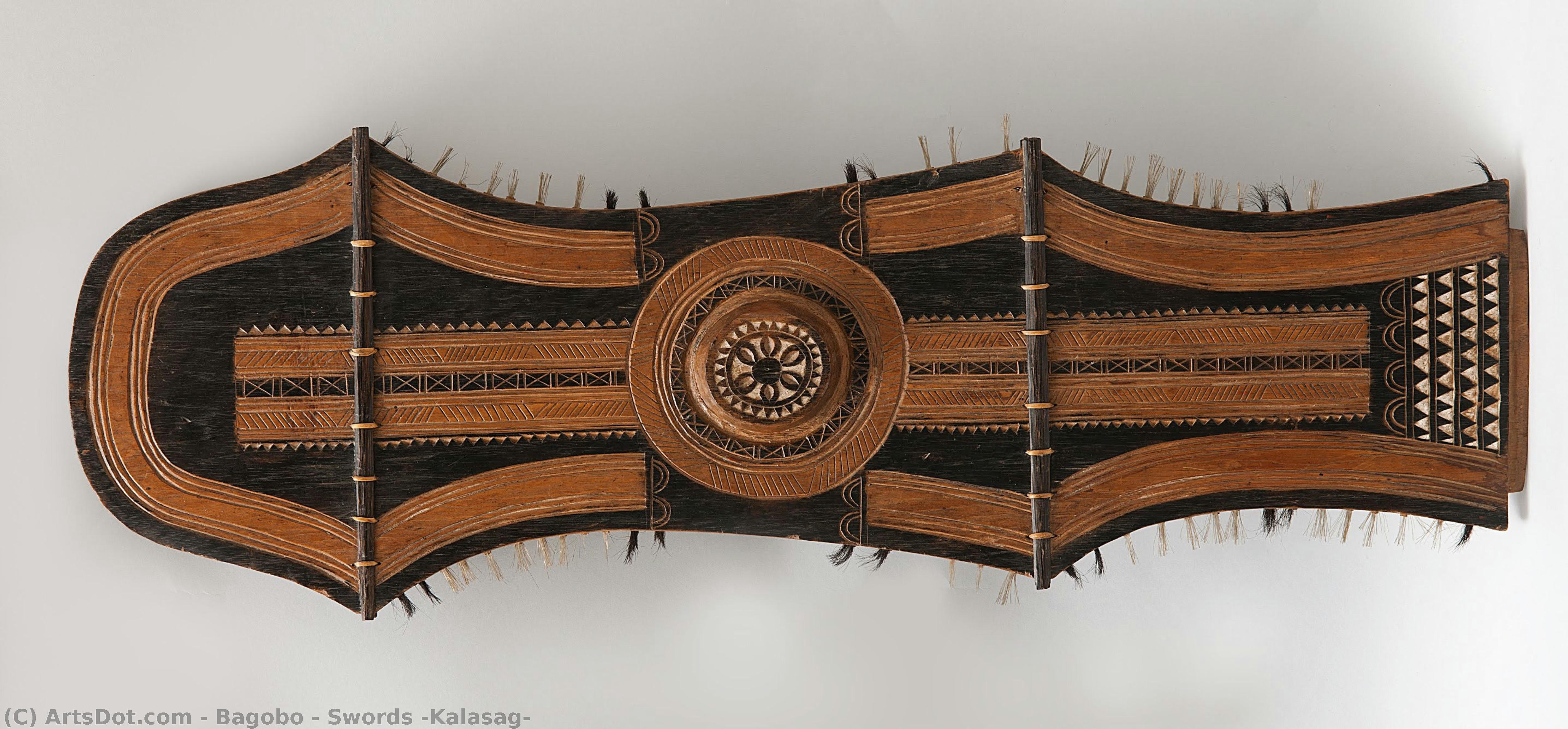
Swords (Kalasag)
 30.0 x 89.0 cm
 Museum of America
 Weiterlesen
Giclée / Kunstdruck
Giclée- oder Leinwanddruck in Museumsqualität mit schneller Produktion und flexiblen Veredelungsoptionen. ( Handgemalte Reproduktion bestellen Bild kaufen)




































Wählen Sie aus unseren vordefinierten Formaten, die den ursprünglichen Proportionen des Kunstwerks entsprechen.

Sie können Ihre eigenen Maße eingeben, um ein bestimmtes Format oder einen speziellen Platz einzupassen. Wenn das von Ihnen gewählte Format nicht den Proportionen des Originalbildes entspricht, werden wir das Kunstwerk entweder beschneiden oder das Bild mit einem gespiegelten oder einfarbigen Rand erweitern. Ein digitaler Entwurf wird Ihnen zur Genehmigung zugesandt, bevor die Produktion beginnt.
Bitte beachten Sie, dass die Vorschau auf dem Bildschirm nicht den tatsächlichen Zuschnitt oder die Erweiterung widerspiegelt. Nur der Entwurf zeigt die endgültige Komposition präzise an.
Obwohl Sondermaße verfügbar sind, empfehlen wir die Auswahl eines Maßes aus der vordefinierten Liste, um die ursprünglichen Proportionen zu bewahren.
Weltweiter Versand () innerhalb von 2 Wochen statt der üblichen 4/5 Wochen. (19 August)

Kostenloser weltweiter Expressversand

Hochwertige Leinenleinwand

Umfassender Versicherungsschutz beim Versand

Zollgebühren-Rückerstattungsgarantie

Garantie für exakte Farbtreue

60 Tage Rückgaberecht (nur bei Mängeln)

100% Geld-zurück-Garantie

Mengenrabatt verfügbar
 Die Glasoption ist nur für Größen unter 110 cm verfügbar.

Swords (Kalasag)
Giclée / Kunstdruck
Format der Reproduktion
-


Gesamtpreis
$ 80
Über den Künstler
Bagobo: Echoes of Tradition in Mindanao’s Vibrant Textiles
The Bagobo people, a vibrant indigenous group inhabiting the mountainous regions of southern Philippines, are renowned for their exquisite ‘Kalasag’ (sword) carvings – intricate depictions of ancestral weaponry imbued with spiritual significance – and their breathtaking textiles. More than mere adornments, these fabrics embody centuries of cultural heritage, reflecting profound beliefs about cosmology, kinship, and the interconnectedness of human existence with the natural world. Understanding Bagobo art requires delving into a complex tapestry woven from mythic narratives, ritual practices, and masterful craftsmanship.Origins and Language
The term “Bagobo” originates from Cebuano (“native”), signifying an identity rooted in ancestral lands and traditions predating European colonization. It encompasses several distinct linguistic groups – Giangan (also known as Bagobo) and Tagabawa – each possessing unique dialects that preserve invaluable insights into the Bagobo worldview. The Giangan language, particularly prominent in Davao del Sur and Cotabato provinces, features tonal distinctions crucial for conveying nuanced meanings within its vocabulary, reflecting a deep sensitivity to sonic qualities inherent in their environment. Linguistic diversity serves as a cornerstone of Bagobo cultural identity, safeguarding traditions passed down through generations. These dialects hold keys to unlocking the secrets of Bagobo cosmology—beliefs centered on spirits inhabiting mountains and rivers, shaping daily life and guiding ritual ceremonies.The Art of Ikat Weaving: Symbolism and Technique
At the heart of Bagobo artistic expression lies ikat weaving – a technique involving resist dyeing patterns onto abaca fibers before weaving them into cloth. This method isn’t merely decorative; it's deeply symbolic, mirroring cosmological concepts concerning creation myths and ancestral spirits. The crocodile (*binuwaya*) motif, considered one of the most challenging to execute, represents resilience, fertility, and protection – qualities revered within Bagobo society. Precise geometric patterns—often inspired by natural forms like mountains and rivers—communicate narratives about lineage, social hierarchy, and spiritual connection. Skilled weavers meticulously apply wax resist onto the fibers using bamboo tools, creating intricate designs that capture the essence of their cultural heritage. The resulting cloth possesses a distinctive sheen due to the layering of multiple threads, reflecting an understanding of material properties honed over centuries of practice. Each weave tells a story—a visual chronicle of Bagobo history and beliefs.Salinta Monon: Guardian of Bagobo Tradition
Salinta Monon (1920-2009) stands as a pivotal figure in preserving Bagobo textile traditions. Recognized as one of the National Living Treasures Award recipients in 1998, Monon dedicated her life to mastering the art of ikat weaving and transmitting her knowledge to younger generations. Her unwavering commitment ensured that the *binuwaya* design—a symbol of strength and prosperity—continued to flourish within Bagobo culture. Monon’s legacy extends beyond her artistic achievements; she embodied the spirit of resilience and cultural continuity, serving as an inspiration for aspiring weavers and safeguarding the intangible heritage of Mindanao. Her meticulous attention to detail and profound understanding of weaving techniques cemented her place as a legend among Bagobo artisans.Contemporary Significance
Today, Bagobo artisans continue to adapt traditional techniques while embracing new creative impulses. Their textiles are increasingly sought after by designers worldwide, recognizing their aesthetic beauty and profound symbolic depth. Furthermore, Bagobo art serves as a powerful tool for promoting cultural awareness and fostering dialogue between indigenous communities and the broader Filipino society. Recognizing the importance of preserving these traditions is crucial for safeguarding Mindanao’s rich biodiversity and ensuring that future generations appreciate the enduring legacy of Bagobo artistry—a testament to human creativity rooted in deep connection with the land and its ancestral spirits. The revival of Bagobo weaving represents not only an artistic triumph but also a reaffirmation of cultural identity, demonstrating the power of heritage to inspire innovation and enrich our understanding of human experience.
Bagobo
Philippinen
Kurzinfos
- Artistic Movement Or Style: Traditionelle Bagobo-Tagabawa Kunst
- Full Name: Bagobo
- Nationality: Indigene Filipino
- Notable Artworks: ['Kalasag Schnitzereien']
- Place Of Birth: Philippinen

