 Vorschau anzeigen
 Versenden
 Teilen
 Details anzeigen
 Leitfaden

 Herunterladen
 Ähnliche Objekte
 Röntgenaufnahme
 Diashow
 Q&A
Q&A Statistiken
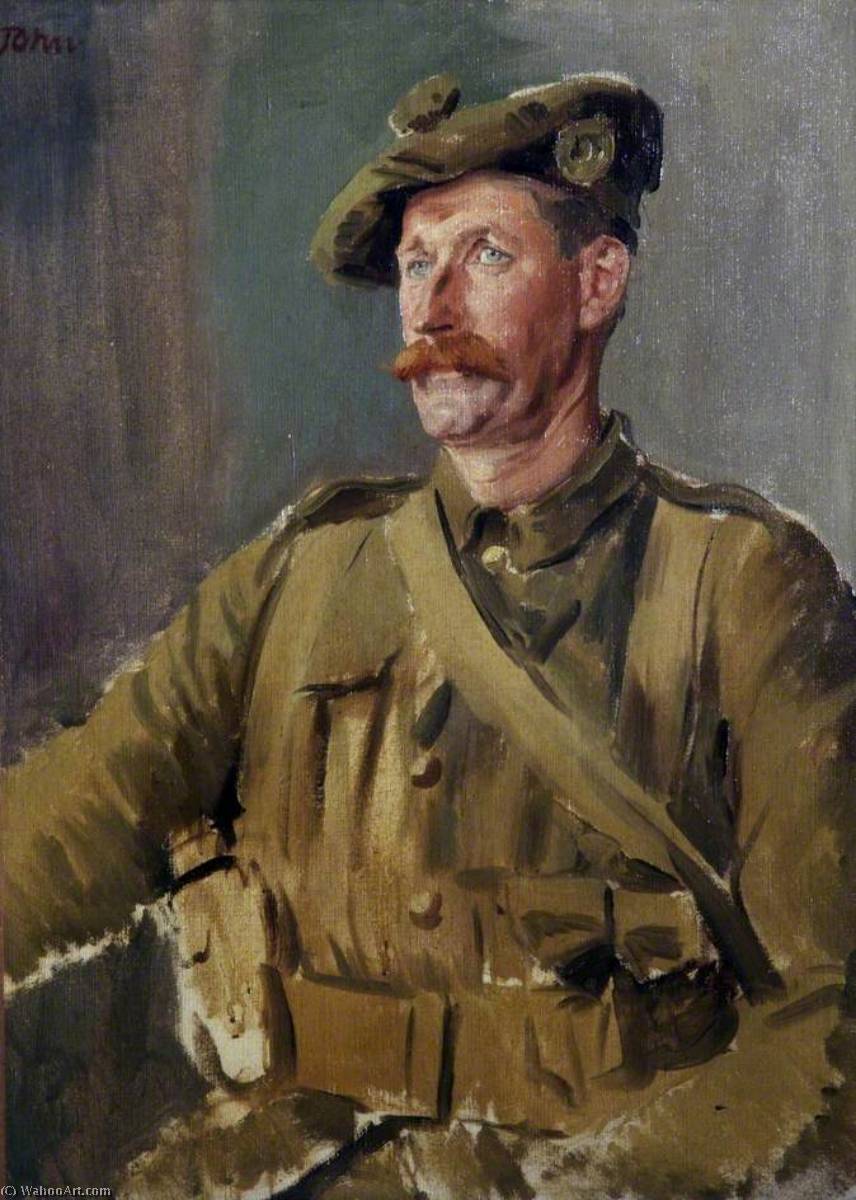
Scottish Canadian Soldier

- 81.0 x 60.0 cm


 Weiterlesen
Die auf dieser Seite dargestellten Kunstwerke sind urheberrechtlich geschützt, was bedeutet, dass wir keine identische Reproduktion rechtmäßig erstellen oder verkaufen dürfen. Dieser Schutz wird durch internationale Abkommen wie die Berner Übereinkunft und durch nationale Gesetze, einschließlich derer, die von den US-Urheberrecht – Titel 17.
Diese Methode entspricht vollumfänglich den Urheberrechtsbestimmungen, da sie keine Kopie oder Vervielfältigung des geschützten Kunstwerks darstellt. Stattdessen handelt es sich um eine kreative Neuinterpretation – ein neues Gemälde, das vom Original inspiriert, aber nicht identisch mit ihm ist.
Giclée / Kunstdruck
Giclée- oder Leinwanddruck in Museumsqualität mit schneller Produktion und flexiblen Veredelungsoptionen. ( Handgemalte Reproduktion bestellen Zum digitalen Bild wechseln)




P118B €10

P118H €10

P118W €10

P438Z €10

P508JH €12

P508YH €12

P805H €10

P805Z €10

P919BZ €10

P919G €10

P919XJ €10

P959ZH €10

P968JZ €12

W106C €8

W218G €10

W218JH €8

W218Y €10

W307PJ €10

W316G €10

W316PJ €8

W316Y €10

W398PJ €8

W4111J €10

W500HY €15

W500JH €15

W692G €12

W849H €8

W940BG €15

W953PJ €8




Wählen Sie aus unseren vordefinierten Formaten, die den ursprünglichen Proportionen des Kunstwerks entsprechen.

Geben Sie die benötigte Breite und Höhe an, damit der Druck perfekt in Ihren Rahmen oder an Ihre Wand passt. Ein Druck kann nur beschnitten, aber niemals größer als das Originalbild angefertigt werden; daher verliert ein Format mit anderen Proportionen einen Teil des Bildes. Wir senden Ihnen ein digitales Mockup zur Freigabe, bevor wir den Druck ausführen. Das auf dieser Seite gezeigte Bild zeigt nicht den tatsächlichen Beschnitt – dies ist nur im Mockup ersichtlich.
Weltweiter Versand () innerhalb von 2 Wochen statt der üblichen 4/5 Wochen. (2 November)

Kostenloser weltweiter Expressversand

Hochwertige Leinenleinwand

Umfassender Versicherungsschutz beim Versand

Zollgebühren-Rückerstattungsgarantie

Garantie für exakte Farbtreue

100 Tage Rückgaberecht (nur bei Mängeln)

100% Geld-zurück-Garantie

Mengenrabatt verfügbar
 Die Glasoption ist nur für Größen unter 110 cm verfügbar.

Scottish Canadian Soldier
Giclée / Kunstdruck
Format der Reproduktion
-


Endpreis
€ 71
A Gaze Through the Fog of War
In the somber atmosphere of 1940, as the shadows of World War II lengthened across the globe, Augustus Edwin John captured more than just a likeness; he captured a soul in transition. His masterpiece, "Scottish Canadian Soldier," stands as a profound meditation on identity and fortitude during one of history's most turbulent eras. The portrait presents a man whose presence is felt through a quiet, heavy stillness. Dressed in the functional khaki of his era, complete with the distinct buttons and epulence of military service, the soldier does not confront the viewer with bravado. Instead, his gaze is directed slightly off-canvas, an averted look that suggests a mind preoccupied by the weight of duty and the uncertainty of a world at war. This subtle gesture creates an immediate sense of intimacy, inviting the observer to peer into a moment of private introspection.
The technical execution of the piece reveals John’s mastery of the Post-Impressionist tradition. Eschewing the cold precision of photographic realism, the artist utilizes visible, rhythmic brushstrokes that imbue the canvas with a palpable energy and texture. The background is a masterclass in understated solemnity, composed of muted earth tones that recede into a soft, atmospheric haze. This deliberate lack of distraction ensures that the viewer's focus remains anchored to the subject's face—the detailed mustache, the furrowed brow, and the weary yet resilient expression. Through this technique, John does not merely paint the surface of a man; he paints the emotional resonance of his character, using color and light to convey a sense of vulnerability hidden beneath military discipline.
Symbolism and the Spirit of Resilience
Beyond its literal depiction of a soldier, the painting operates on a deeply symbolic level. The choice of an averted gaze serves as a powerful metaphor for the collective experience of a generation facing unprecedented global conflict. It speaks to a reluctance to confront the harsh realities of the front lines, yet it also embodies a quiet, unwavering resolve. There is a haunting beauty in the way the muted palette complements the theme of wartime austerity, creating a piece that feels both timeless and historically anchored. For the collector or the interior designer, this work offers a sophisticated emotional depth; it is a conversation piece that brings a sense of historical gravity and contemplative peace to any space.
For those seeking to adorn their homes or galleries with art that transcends mere decoration, "Scottish Canadian Soldier" provides an unparalleled opportunity. As a high-quality reproduction, this painting allows the nuanced textures and the somber, evocative mood of John's original vision to be experienced anew. It is an ideal selection for spaces designed for reflection—libraries, study halls, or curated living areas—where the interplay of light and shadow can highlight the profound human story told within its frame. To possess such a work is to hold a fragment of 20th-century history, a testament to the enduring strength of the human spirit amidst the storms of change.
Fragen & Antworten
Welche Größe sollte ich für den Druck von "Scottish Canadian Soldier" für mein Zimmer wählen?
Die ideale Kombination für "Scottish Canadian Soldier" von Augustus Edwin John: ein Druck im Format Medium für einen Living Room.
Verwendet "Scottish Canadian Soldier" von Augustus Edwin John starke Kontraste oder sanfte Harmonien?
In "Scottish Canadian Soldier" trifft ein Gentle Kontrast auf eine Strong Color Unity Harmonie.
Ist "Scottish Canadian Soldier" insgesamt eher hell oder eher dunkel?
"Scottish Canadian Soldier" von Augustus Edwin John weist eine Helligkeit von shadow mit einer Luminanz von Dark auf.
Künstlerbiografie
Augustus Edwin John: Ein Leben in der Kunst
- Geboren: 4. Januar 1878, Tenby, Wales
- Gestorben: 31. Oktober 1961, Fordingbridge, England
Frühes Leben und künstlerische Ausbildung
- Johns frühes Leben war geprägt von seinem walisischen Erbe und einem unterstützenden Familienumfeld. Seine Mutter weckte in ihm schon in jungen Jahren eine Liebe zum Zeichnen.
- Er besuchte mit 17 Jahren die Tenby School of Art und zeigte früh ein Talent für Kunst.
- Seine weiteren Studien an der Slade School of Fine Art, University College London (1894-1898), waren entscheidend für seine Entwicklung als Künstler. Er zeichnete sich dort aus und gewann 1898 den Slade Summer Art Prize.
- Eine schwere Kopfverletzung im Jahr 1897 führte zu einer dramatischen Veränderung seiner Persönlichkeit und seines künstlerischen Stils, die durch größere Spontaneität und Kühnheit gekennzeichnet war.
Künstlerischer Stil und Hauptwerke
- Einflüsse: Johns Werk wurde von Altmeistermalern wie Peter Paul Rubens sowie französischen Zeitgenossen wie Matisse und Gauguin beeinflusst. Er ließ sich auch von Puvis de Chavannes inspirieren.
- Stil: Sein Stil entwickelte sich durch den Postimpressionismus, der sich durch lebendige Farben, ausdrucksstarke Pinselstriche und einen Fokus auf die Essenz seiner Motive auszeichnete.
- Porträts: John ist am besten für seine Porträts bekannt, die oft aristokratische Figuren und literarische Persönlichkeiten darstellten. Er hatte ein Talent dafür, in seinen Schützlingen eine "momentane Haltung" einzufangen. Bemerkenswerte Beispiele sind Porträts von David Lloyd George, James Joyce und George Bernard Shaw.
- Hauptwerke:
- Caspar (1909): Ein ergreifendes Porträt, das kindliche Unschuld zeigt.
- Porträts von Archibald Henry Macdonald Sinclair (1924)
- Portrait of Francis Henry Crittall (1919)
- Air Mechanic Shaw (Colonel T. E. Lawrence of Arabia, 1935)
- David John (1937)
- Zigeunerkunde: Eine Faszination für die Romani-Kultur führte zu einer Zeit, in der er und seine Familie in einem Wohnwagen lebten, was seine künstlerischen Themen beeinflusste und ihn schließlich dazu brachte, den Präsidenten der Gypsy Lore Society zu werden.
Entwicklung und historische Bedeutung
- John wurde anfänglich für seine Figurendarstellungen und innovativen Ölskiziertechniken gefeiert, doch sein späteres Werk litt manchmal unter einem Rückgang der malerischen Brillanz und wurde eher flamboyant als wirkungsvoll.
- Während des Ersten Weltkriegs diente er als Kriegskünstler im Dienst der kanadischen Streitkräfte und schuf einprägsame Porträts von Soldaten. Ein anschließender Vorfall führte zu seiner Entsendung zurück nach England.
- Trotz schwankender Kritikerrezeption im Laufe seiner Karriere ist Augustus Edwin John eine bedeutende Figur in der britischen Kunstgeschichte. Er war einer der wenigen britischen Künstler, die breite öffentliche Anerkennung erlangten und dazu beitrugen, den Postimpressionismus im Vereinigten Königreich zu popularisieren.
- Sein Vermächtnis liegt in seinem außergewöhnlichen Zeichenkunst, seiner Fähigkeit, Charakter in Porträts einzufangen und seinem Beitrag zur Entwicklung der modernen britischen Malerei.
Spätere Jahre und Vermächtnis
- John wurde 1942 den Order of Merit verliehen, als Anerkennung für seine Beiträge zur Kunst.
- Er schrieb zwei Bände seiner Autobiografie, Chiaroscuro (1952) und Finishing Touches (posthum veröffentlicht 1964).
- Während sein Ruf nach dem Zweiten Weltkrieg einen Rückgang erlebte, gibt es ein erneutes Interesse an seinen Werken, insbesondere an seinen frühen Arbeiten.
- Johns Schwester, Gwen John, war ebenfalls eine hochangesehene Künstlerin, was das künstlerische Erbe der Familie weiter festigte.

Augustus Edwin John
1878 - 1961 , Vereinigtes Königreich
Kurzinfos
- Beeinflusste Künstler:
- Rembrandt
- Matisse
- Gauguin
- Rubens
- Bemerkenswerte Werke:
- Caspar (1909)
- Air Mechanic Shaw
- David John
- Geburtsdatum: 4. Januar 1878
- Geburtsort: Tenby, Vereinigtes Königreich
- Künstlerische Bewegung: Post-Impressionismus
- Nationalität: Walisisch
- Sterbedatum: 31. Oktober 1961
- Vollständiger Name: Augustus Edwin John
Ähnliche Artikel

Postimpressionismus: Die 10 Meisterwerke, die eine Ära prägten –
Entdecken Sie die 10 Meisterwerke des Postimpressionismus! Van Gogh, Cézanne & Co. – ihre Geschichten, Techniken und zeitlose Schönheit. Kunstdrucke in Museumsqualiät auf . Jetzt entdecken!
Robert Bevan: Pioneering British Post-Impressionism & the Camden Town Group's Intimate Vision
Explore the life & work of Robert Bevan, a pioneer of British Post-Impressionism and founding member of the Camden Town Group. Discover his vibrant landscapes and lasting impact on early 20th-century art.

Jenseits des Impressionismus: Die emotionale Tiefe der postimpressionistischen Malerei
Entdecken Sie die emotionale Tiefe des Postimpressionismus! Analysieren Sie Cézanne, van Gogh, Gauguin & Seurat. Expertenwissen über Kunstgeschichte und Einfluss auf die Moderne.

Thomas Stuart Smith: A Study in British Impressionism & the Poetic Landscape
Explore the captivating world of Thomas Stuart Smith (1815-1869), a Scottish painter bridging Romantic realism and British Impressionism. Discover his genre scenes, philanthropic legacy & stunning interiors.

Impressionismus und Postimpressionismus: Eine vergleichende Analyse
Entdecken Sie die Welt des Impressionismus und Postimpressionismus! Expertenwissen über Künstler wie Monet, Van Gogh & Cézanne. Jetzt lesen!


