

 In echtem Maßstab anzeigen
 Versenden als Grußkarte
 Teilen
 Details anzeigen
 Leitfaden öffnen

 Herunterladen
 Ähnliche Objekte
 Röntgenaufnahme
 Diashow
 Besucherstatistiken
Sunny way
 Painting
- German Expressionism
 1913
1913- Modern
 50.0 x 30.0 cm
 Mehr anzeigen
Handgefertigte Ölreproduktion
Handgemaltes Ölgemälde auf Leinwand in Ihrer Wunschgröße und mit Rahmen, auf Bestellung von unseren Künstlern angefertigt. ( Zum Druck wechseln Zum digitalen Bild wechseln)




P118B €10

P118H €10

P118W €10

P438Z €10

P508JH €12

P508YH €12

P805H €10

P805Z €10

P919BZ €10

P919G €10

P919XJ €10

P959ZH €10

P968JZ €12

W106C €8

W218G €10

W218JH €8

W218Y €10

W307PJ €10

W316G €10

W316PJ €8

W316Y €10

W398PJ €8

W4111J €10

W500HY €15

W500JH €15

W692G €12

W849H €8

W940BG €15

W953PJ €8




Wählen Sie aus unseren vordefinierten Formaten, die den ursprünglichen Proportionen des Kunstwerks entsprechen.

Geben Sie die Breite und die Höhe an, die Sie für Ihren Rahmen oder Ihre Wand benötigen. Da dieses Werk handgemalt ist, kann der Künstler bei einer anderen Form etwas mehr um das Bild herum malen oder etwas abschneiden – Sie entscheiden. Wir senden Ihnen ein digitales Mockup zur Freigabe, bevor mit dem Malen begonnen wird. Das auf dieser Seite gezeigte Bild stellt nicht das tatsächliche Ergebnis dar – dies tut nur das Mockup.
Nach der Bestellung wird das OriginalUniqueArt.com-Team dem Kunden Anweisungen per E-Mail zusenden und eine Mockup-Vorschau bereitstellen.
Weltweiter Versand () in nur 3 bis 4 Wochen statt der üblichen 5 Wochen. (22 Oktober). Keine Kompromisse bei der Qualität.

Kostenloser weltweiter Expressversand

Hochwertige Leinenleinwand

Vollständiger Versicherungsschutz beim Versand

Zollgebühren-Rückerstattungsgarantie

Garantie für exakte Farbtreue

100-tägiges Rückgaberecht (nur bei Mängeln)

100% Geld-zurück-Garantie

Angebot für Mengenrabatt
 Die Glasoption ist nur für Größen unter 110 cm verfügbar.

Sunny way
Reproduktionsmedium
Format der Reproduktion
-


Gesamtpreis
€ 263
A Symphony of Light and Motion
In the fleeting moments captured within "Sunny Way," we are transported to a world where the boundaries between nature and humanity dissolve into a vibrant dance of color. Painted in 1913, this exquisite expressionist masterpiece by August Macke serves as a window into a lost era of European tranquility and modern vitality. The scene unfolds along a sun-drenched sidewalk, where figures move with a rhythmic grace beneath the sheltering canopy of lush, verdant trees. There is an undeniable sense of movement here; the composition breathes with the gentle pulse of a summer afternoon, inviting the viewer to step into the frame and wander alongside the anonymous strollers who populate this luminous landscape.
The painting is far more than a mere depiction of a park scene; it is a profound exploration of light as a structural element. Macke, a pivotal figure in German Expressionism, utilizes color not just to describe form, but to evoke an emotional temperature. The interplay of sunlight filtering through the leaves creates a mosaic of bright highlights and soft shadows, casting a warm, inviting glow over the entire composition. For the discerning collector or interior designer, this piece offers a captivating focal point that radiates warmth and optimism, making it an ideal addition to spaces designed for relaxation and contemplation.
The Mastery of Expressionist Technique
Technically, "Sunny Way" showcases Macke’s sophisticated ability to blend the structural clarity of Post-Impressionism with the emotive power of Expressionism. The artist employs a palette that is both bold and harmonious, using rhythmic brushstrokes to build texture and depth. Notice how the figures are not rendered with rigid anatomical precision, but rather as fluid shapes that harmonize with the surrounding foliage. This technique allows the human presence to feel integrated into the natural environment, suggesting a deep, symbiotic connection between man and the earth.
The composition is masterfully balanced, utilizing the verticality of the trees to frame the horizontal movement of the pedestrians. This creates a sense of enclosure and intimacy, as if the viewer has stumbled upon a private, sacred moment of peace. The subtle layering of colors—from the deep greens of the shaded leaves to the brilliant yellows of the sunlit patches—creates a multidimensional experience that rewards prolonged observation. It is this meticulous attention to the nuances of light and color that elevates the work from a simple landscape to a profound sensory experience.
A Timeless Legacy for Modern Interiors
To possess a reproduction of such a significant work is to bring a piece of art history into the contemporary home. "Sunny Way" carries with it the spirit of the pre-war era, a time of intense artistic experimentation and a belief in the transformative power of beauty. The painting’s emotional impact is one of profound serenity and joy, offering a respite from the frenetic pace of modern life. Its bright, energetic tones can breathe new life into a minimalist room or provide a sophisticated contrast to more traditional, darker decor.
For those seeking to curate an environment filled with inspiration, this piece serves as a testament to the enduring allure of the natural world and the human spirit. Whether placed in a sunlit gallery, a professional studio, or a cozy living space, the painting acts as a perennial source of light. It is an investment in atmosphere, providing a constant reminder of the beauty found in the simplest of moments—a sunny walk under the trees, captured forever in a brilliant explosion of color.
Fragen & Antworten
Welcher Phase der Karriere von August Macke ist „Sunny way“ (1913) zuzuordnen?
Angesichts seiner Datierung auf 1913 fällt "Sunny way" in die Mature Period von August Macke.
In welcher Größe wird empfohlen, "Sunny way" zu drucken?
Für "Sunny way" von August Macke wird eine Reproduktion im Format Small empfohlen. Die Größe kann angepasst werden, wobei die Proportionen erhalten bleiben.
Unter welchen Pseudonymen oder Alternativnamen ist August Macke bekannt?
August Macke erscheint unter den Alternativnamen Macke.
Biografie des Künstlers
Frühes Leben und künstlerische Karriere
August Robert Ludwig Macke, ein renommierter deutscher Expressionist, wurde am 3. Januar 1887 in Meschede, Westfalen geboren. Sein künstlerischer Werdegang begann an der Kunstakademie Düsseldorf (1904-1906) unter Adolf Maennchen. Mackes Stil wurde von französischem Impressionismus und Postimpressionismus geprägt, später beeinflusst durch den Fauvismus.Künstlerische Einflüsse und Stil
Macke traf 1912 in Paris Robert Delaunay, was ihn dem chromatischen Kubismus, auch Orphismus genannt, näherbrachte. Dieser Einfluss zeigt sich in seinem Gemälde Shops Windows, einer persönlichen Interpretation von Delaunays Stil kombiniert mit der Simultaneität von Bildern, die man im italienischen Futurismus findet. Macke war Teil der deutschen Expressionisten-Gruppe Der Blaue Reiter (Die Blaue Reiter), zusammen mit Wassily Kandinsky, Franz Marc und Paul Klee. Seine Gemälde, wie z.B. Bathing Girls with Town in the Background (100 x 80 cm, Staatsgalerie Moderner Kunst, München), zeigen seinen einzigartigen Stil, der durch lebendige Farben und kühne Linienführung gekennzeichnet ist.Bemerkenswerte Werke und Vermächtnis
- Woman in a Green Jacket (1913, Museum Ludwig Köln), ein Paradebeispiel des Expressionismus.
- Landscape with Cows and Camel (1914, Kunsthaus Zürich), ein typisches Beispiel für Mackes Stil.
- Türkisches Café (1914), ein Meisterwerk, das seinen luministischen Ansatz während seiner letzten Periode zeigt.
Tragisches Ende und bleibender Einfluss
Mackes Leben wurde abrupt beendet, als er am 26. September 1914 an der Front in Champagne, Frankreich, starb. Sein letztes Gemälde, Abschied, fängt die Stimmung der Trauer ein, die sich während des Ersten Weltkriegs über Europa legte. Erkunden Sie weitere Werke von August Macke und der deutschen Expressionismus-Bewegung auf OriginalUniqueArt: * Woman in a Green Jacket * Franz Marc's Fighting Forms (zeigt die Zusammenarbeit innerhalb der Gruppe Der Blaue Reiter) * August Mackes Künstlerseite auf OriginalUniqueArt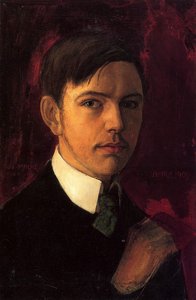
August Macke
1887 - 1914 , Deutschland
Eckdaten zum Künstler
- Bemerkenswerte Werke:
- Frau in einem grünen Kleid
- Türkisches Café
- Landschaft mit Kühen und Kamel
- Einflüsse:
- Robert Delaunay
- Franz Marc
- Paul Klee
- Geburtsdatum: 3. Januar 1887
- Geburtsort: Meschede, Deutschland
- Künstlerische Bewegung: Expressionismus, Orphismus
- Nationalität: Deutsch
- Sterbedatum: 26. September 1914
- Vollständiger Name: August Macke
Verwandte Artikel
Expressionismus: Die 10 Meisterwerke, die eine Ära prägten – Kunst für Ihr Zuhause |
Entdecken Sie die 10 prägendsten Meisterwerke des Expressionismus! Von Munch bis Kandinsky – erfahren Sie die Geschichten hinter den berühmtesten Gemälde und Künstler. Hochwertige Kunstdrucke online bei kaufen & Ihr Zuhause mit Emotionen füllen.

Arboreal Echoes: A Historical & Artistic Exploration of Trees in Painting
Explore the rich history of trees in painting! Discover symbolism, Romantic masterpieces by Caspar David Friedrich & beyond. A curated journey for art enthusiasts.
Egon Schiele: Die 25 Meisterwerke des Expressionismus für Ihr Zuhause | OriginalUniqueArt
Entdecken Sie die 25 bedeutendsten Gemälde von Egon Schiele! Tauchen Sie ein in die Welt des Expressionismus, erfahren Sie mehr über seine Technik und emotionale Tiefe. Hochwertige Kunstdrucke & Leinwandbilder auf OriginalUniqueArt.com.
Arboreal Echoes: A Historical & Artistic Exploration of Trees in Painting
Explore the rich history of trees in painting! Discover symbolism, Romantic masterpieces by Caspar David Friedrich & beyond. A curated journey for art enthusiasts.
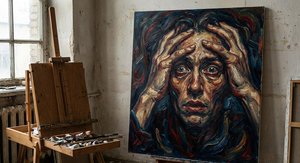
Figurative Expressionism: Emotional Intensity & Subjective Reality in 20th-Century Art
Explore the powerful world of Figurative Expressionism with OriginalUniqueArt. Discover key artists like Kirchner & Beckmann, understand its emotional depth, and learn how to collect this influential 20th-century art movement.


