
 Vorschau anzeigen
 Versenden
 Teilen
 Details anzeigen

 Herunterladen
 Ähnliche Objekte
 Röntgenaufnahme
 Diashow
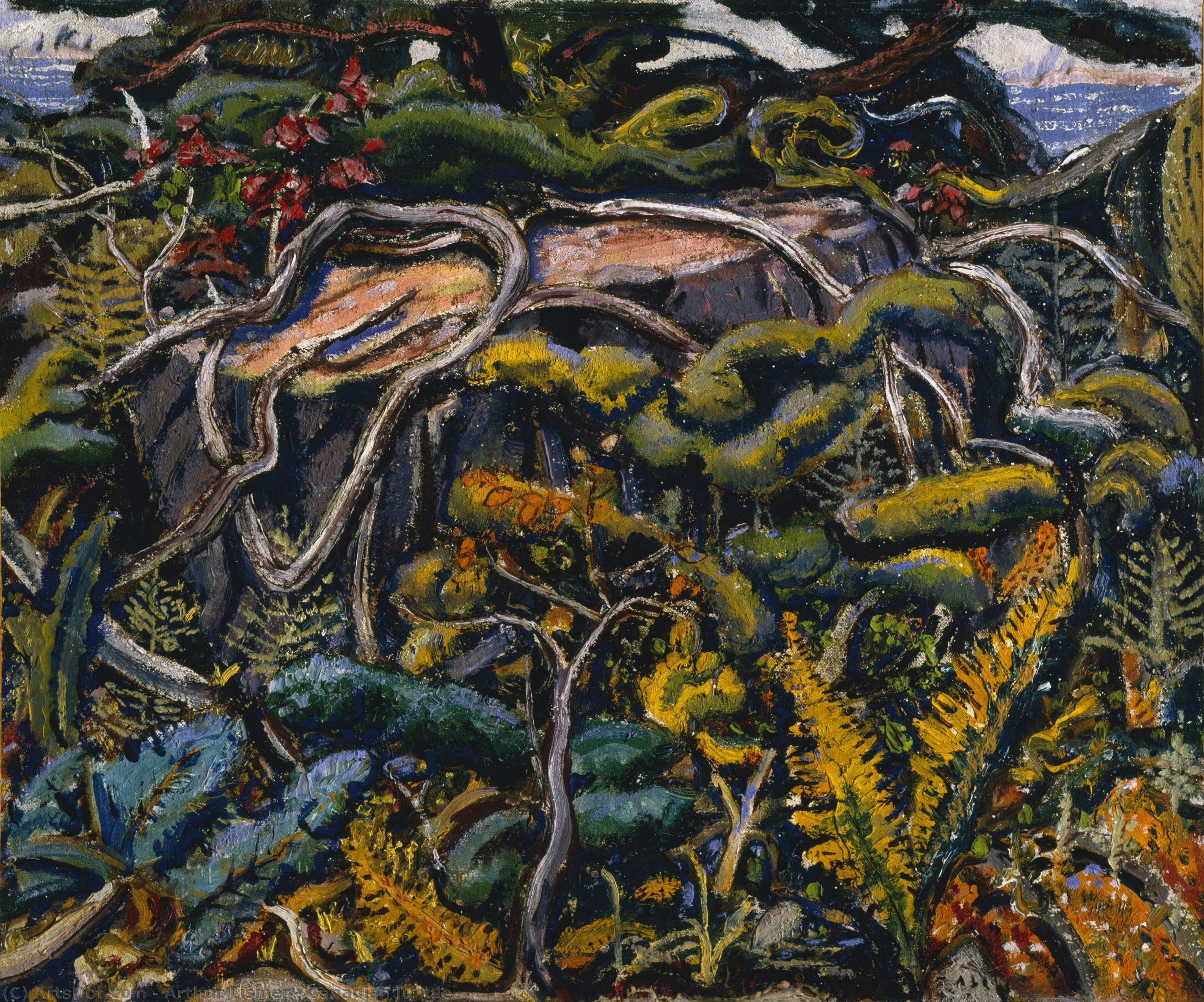
Canadian Jungle
 Acrylic On Canvas
- WallArt
- Canadian Group of Painters
 1946
1946- 19th Century
 44.0 x 53.0 cm
 McMichael Canadian Art Collection
 Weiterlesen
Giclée / Kunstdruck
Giclée- oder Leinwanddruck in Museumsqualität mit schneller Produktion und flexiblen Veredelungsoptionen. ( Handgemalte Reproduktion bestellen Bild kaufen)




P118B $10

P118H $10

P118W $10

P438Z $10

P508JH $12

P508YH $12

P805H $10

P805Z $10

P919BZ $10

P919G $10

P919XJ $10

P959ZH $10

P968JZ $12

W106C $8

W218G $10

W218JH $8

W218Y $10

W307PJ $10

W316G $10

W316PJ $8

W316Y $10

W398PJ $8

W4111J $10

W500HY $15

W500JH $15

W692G $12

W849H $8

W940BG $15

W953PJ $8




Wählen Sie aus unseren vordefinierten Formaten, die den ursprünglichen Proportionen des Kunstwerks entsprechen.

Sie können Ihre eigenen Maße eingeben, um ein bestimmtes Format oder einen speziellen Platz einzupassen. Wenn das von Ihnen gewählte Format nicht den Proportionen des Originalbildes entspricht, werden wir das Kunstwerk entweder beschneiden oder das Bild mit einem gespiegelten oder einfarbigen Rand erweitern. Ein digitaler Entwurf wird Ihnen zur Genehmigung zugesandt, bevor die Produktion beginnt.
Bitte beachten Sie, dass die Vorschau auf dem Bildschirm nicht den tatsächlichen Zuschnitt oder die Erweiterung widerspiegelt. Nur der Entwurf zeigt die endgültige Komposition präzise an.
Obwohl Sondermaße verfügbar sind, empfehlen wir die Auswahl eines Maßes aus der vordefinierten Liste, um die ursprünglichen Proportionen zu bewahren.
Weltweiter Versand () innerhalb von 2 Wochen statt der üblichen 4/5 Wochen. (16 August)

Kostenloser weltweiter Expressversand

Hochwertige Leinenleinwand

Umfassender Versicherungsschutz beim Versand

Zollgebühren-Rückerstattungsgarantie

Garantie für exakte Farbtreue

60 Tage Rückgaberecht (nur bei Mängeln)

100% Geld-zurück-Garantie

Mengenrabatt verfügbar
 Die Glasoption ist nur für Größen unter 110 cm verfügbar.

Canadian Jungle
Giclée / Kunstdruck
Format der Reproduktion
-


Gesamtpreis
$ 80
Sammlerstück-Beschreibung
A Wilderness Captured: Arthur Lismer’s “Canadian Jungle”
Arthur Lismer's "Canadian Jungle," painted in 1946, isn’t merely a depiction of a forest; it’s a vibrant distillation of the Canadian spirit – a potent blend of rugged wilderness and burgeoning national identity. This oil on canvas, measuring 44.8 x 53.7 cm, transports the viewer to a realm where the raw power of nature collides with a nascent sense of artistic self-definition within Canada. Lismer, a pivotal figure in both the Group of Seven and as an educator at NSCAD University, masterfully employed his experience as a photo-engraver – a profession demanding meticulous detail and a keen eye for visual language – to create a landscape brimming with life and imbued with a quiet intensity.
The painting’s style is firmly rooted in the post-impressionist movement, yet distinctly Canadian. Lismer's brushwork is bold and expressive, eschewing photographic realism in favor of capturing the *feeling* of the forest – its density, its light, and its inherent energy. He utilizes a rich palette dominated by deep greens, browns, and ochres, punctuated by flashes of brighter color that draw the eye to specific details within the scene: the dappled sunlight filtering through the canopy, the vibrant hues of wildflowers, and the subtle variations in texture across the bark of ancient trees. Notice how he doesn’t shy away from a slightly rough application of paint; this adds to the sense of immediacy and authenticity, as if the viewer is stepping directly into the heart of the wilderness.
The Roots of Identity: Lismer's Journey and Context
Lismer’s artistic trajectory is itself a fascinating story. Born in Sheffield, England, his early life was shaped by the industrial realities of working-class existence – a stark contrast to the natural beauty he would later dedicate his art to capturing. His apprenticeship in photo-engraving honed his technical skills and instilled within him an appreciation for visual precision, which he then skillfully applied to landscape painting. His move to Canada in 1911 coincided with a crucial period of artistic development, as he sought to establish himself within the burgeoning Canadian art scene. The rise of the Group of Seven, of which Lismer was a founding member, reflected a desire to forge a distinctly Canadian visual language – one that moved beyond European influences and embraced the unique character of the country’s landscapes.
The painting's creation occurred during World War I, a period of profound social and political change in Canada. Lismer’s service as an official war artist, documenting scenes from Halifax harbor, further informed his understanding of the relationship between humanity and nature – particularly the resilience of the natural world amidst conflict. This experience is subtly reflected in “Canadian Jungle,” suggesting a deeper connection to the land and its enduring strength.
Symbolism Within the Scene: Trees as Guardians
The towering trees that dominate "Canadian Jungle" are more than just elements of the landscape; they function as powerful symbols. They represent not only the physical wilderness but also the ancient wisdom and enduring spirit of Canada itself. Their gnarled branches reach towards the sky, suggesting a connection to something larger than themselves – a sense of continuity and rootedness. The dense undergrowth and tangled vines further reinforce this symbolism, creating a feeling of mystery and hinting at hidden depths.
The inclusion of a small stream winding through the forest adds another layer of meaning. Water is often associated with life, renewal, and purification – qualities that are deeply valued in Canadian culture. It also creates a sense of movement and flow within the composition, drawing the viewer’s eye deeper into the heart of the scene.
A Legacy of Light and Landscape
"Canadian Jungle" is a testament to Arthur Lismer's ability to capture the essence of the Canadian wilderness. It’s a painting that invites contemplation, evoking feelings of awe, tranquility, and connection to nature. Reproductions of this artwork offer a remarkable opportunity to bring this evocative landscape into any space, serving as a constant reminder of Canada’s rich natural heritage and Lismer's enduring legacy as one of its most important artists. The vibrant colors and textured brushwork translate beautifully to high-quality reproductions, ensuring that the spirit of “Canadian Jungle” can be enjoyed for generations to come.
Über den Künstler
Arthur Lismer: Ein Leben in Kunst und Pädagogik
- Geboren: 27. Juni 1885, Sheffield, Großbritannien
- Gestorben: 23. März 1969
- Nationalität: Englisch-Kanadisch
- Bekannt für: Landschaftsmalerei, Schiffsporträts (insbesondere Tarnanstriche), Mitglied der Gruppe der Sieben, kanadische Kunstpädagogik.
Frühes Leben und künstlerische Ausbildung
- Lismers frühes Leben war geprägt von seiner Arbeiterfamilienhintergrund in Sheffield, England. Im Alter von 13 Jahren begann er eine Lehre bei einer Fotoätzfirma, die ihm erste Einblicke in die bildenden Künste und technische Fähigkeiten vermittelte.
- Er erhielt ein Stipendium für die Sheffield School of Art von 1898 bis 1905, wo er seine künstlerischen Grundlagen entwickelte.
- Im Jahr 1905 zog Lismer nach Antwerpen, Belgien, um an der Academie Royale Kunst zu studieren und seine Fähigkeiten weiter zu verfeinern und seinen künstlerischen Horizont zu erweitern. Diese Zeit setzte ihn europäischen Kunsttrends wie Barbizon und Post-Impressionismus aus, die später seinen Stil beeinflussen sollten.
Karriere in Kanada und Erster Weltkrieg
- Lismer wanderte 1911 nach Kanada aus und ließ sich in Toronto, Ontario, nieder. Er fand Anstellung bei Grip Ltd., einer Werbekunstfirma, wo er Tom Thomson kennenlernte, eine weitere bedeutende Figur der kanadischen Kunstgeschichte.
- Von 1916 bis 1919 war Lismer Direktor der Victoria School of Art and Design (heute NSCAD University) in Halifax, Neuschottland. Während dieser Zeit erweiterte er die Schülerzahl und den Lehrplan der Schule erheblich und demonstrierte sein Engagement für die Kunstpädagogik.
- Seine Rolle als offizieller Kriegskünstler während des Ersten Weltkriegs erwies sich als entscheidend. Inspiriert von der Schifffahrt im Hafen Halifax schuf Lismer eine Reihe von Gemälden, die Schiffe in Tarnanstrichen darstellen – einer revolutionären Technik, die darauf ausgelegt war, feindliche U-Boote zu verwirren. Diese Werke brachten ihm Anerkennung ein und führten zu einem Auftrag von Lord Beaverbrook. Bemerkenswerte Beispiele sind "Convoy in Bedford Basin".
Die Gruppe der Sieben und künstlerische Entwicklung
- Nach seiner Rückkehr nach Toronto im Jahr 1919 wurde Lismer stellvertretender Direktor des Ontario College of Art. Er arbeitete mit anderen Künstlern zusammen, darunter auch denen, die sich zur Gruppe der Sieben zusammenschlossen, einem Zusammenschluss, der sich der Entwicklung einer unverwechselbaren kanadischen künstlerischen Stimme widmete.
- Lismers Stil entwickelte sich im Laufe seiner Karriere weiter und wurde von seiner frühen europäischen Ausbildung und seinen Erfahrungen in Kanada beeinflusst. Während er zunächst postimpressionistische Techniken anwandte, entwickelte er allmählich einen expressiveren und persönlicheren Ansatz für die Landschaftsmalerei.
- Seine Werke zeichneten sich oft durch lebendige Farben, dynamische Kompositionen und einen Fokus auf das Wesen der kanadischen Wildnis aus. Er versuchte, nicht nur das visuelle Erscheinungsbild von Landschaften darzustellen, sondern auch ihre emotionale Wirkung.
Vermächtnis und historische Bedeutung
- Arthur Lismers Beiträge zur kanadischen Kunst sind vielfältig. Als Mitglied der Gruppe der Sieben half er, eine nationale Identität in der Malerei zu etablieren und wich von europäischen künstlerischen Konventionen ab.
- Seine Arbeit als Pädagoge hatte durch seine Leitung an der NSCAD University und dem Ontario College of Art einen bedeutenden Einfluss auf Generationen kanadischer Künstler.
- Lismers Gemälde von Tarnanstrichen bieten ein einzigartiges historisches Dokument des Ersten Weltkriegs und demonstrieren seine Fähigkeit, seine Kunst für praktische Zwecke einzusetzen.
- Heute gilt Lismer als einer der wichtigsten Künstler Kanadas, gefeiert für seine lebendigen Landschaften, seinen innovativen Ansatz beim Malen und sein Engagement für die Förderung künstlerischer Talente. Seine Werke befinden sich in wichtigen öffentlichen und privaten Sammlungen in Kanada und international.

Arthur Lismer
1885 - 1969 , Vereinigtes Königreich
Kurzinfos
- Beeinflusste Künstler: ['Barbizon Bewegung']
- Bemerkenswerte Werke: ['Konvoi im Bedford Basin']
- Geburtsdatum: 27. Juni 1885
- Künstlerische Richtung: Postimpressionismus
- Nationalität: Englisch-Kanadisch
- Vollständiger Name: Arthur Lismer
- Von Künstlern Beeinflusst: ['Tom Thomson']
Ähnliche Artikel

Arthur Lismer: Pionier des kanadischen Modernismus und die Visionäre Seele der Group of Seven
Entdecken Sie das Leben und Werk von Arthur Lismer, einem Pionier des kanadischen Modernismus und Schlüsselfigur der Group of Seven. Erfahren Sie mehr über seine einzigartigen Landschaftsbilder und seinen Einfluss auf die Kunstgeschichte Kanadas.
Thomas Thomson: Pioneering Canadian Landscape & the Pursuit of National Identity
Explore the evocative landscapes of Tom Thomson, a pivotal figure in Canadian art & precursor to the Group of Seven. Discover his bold style, lasting legacy, and profound impact on shaping a national artistic identity.

George Agnew Reid: Licht, Farbe und nationale Identität im Werk eines kanadischen Impressionisten
Entdecken Sie das faszinierende Werk von George Agnew Reid, einem Pionier des kanadischen Impressionismus! Erfahren Sie mehr über seine Genre-Malerei, seinen Einsatz von Licht und Farbe sowie seinen Beitrag zur Entwicklung der nationalen Kunstidentität Kanadas.

Arthur William Devis: A Provincial Eye on Georgian Life & Naval History
Explore the life & work of Arthur William Devis (1762-1822), a key figure in Georgian portraiture and naval history painting. Discover his intimate 'conversation pieces' and captivating depictions of colonial India. Learn more at OriginalUniqueArt.

Familienporträts im Großformat: Ein zeitloses Vermächtnis für Generationen
Erstellen Sie ein einzigartiges Großformat Familienporträt mit OriginalUniqueArt! Handgemalte Meisterwerke nach Ihren Fotos, von erfahrenen Künstlern. Transparenter Prozess & höchste Qualität – Ihr bleibendes Familienerinnerung.


