
 In echtem Maßstab anzeigen
 Versenden als Grußkarte
 Teilen
 Details anzeigen
 Leitfaden öffnen

 Herunterladen
 Ähnliche Objekte
 Röntgenaufnahme
 Diashow
 Besucherstatistiken
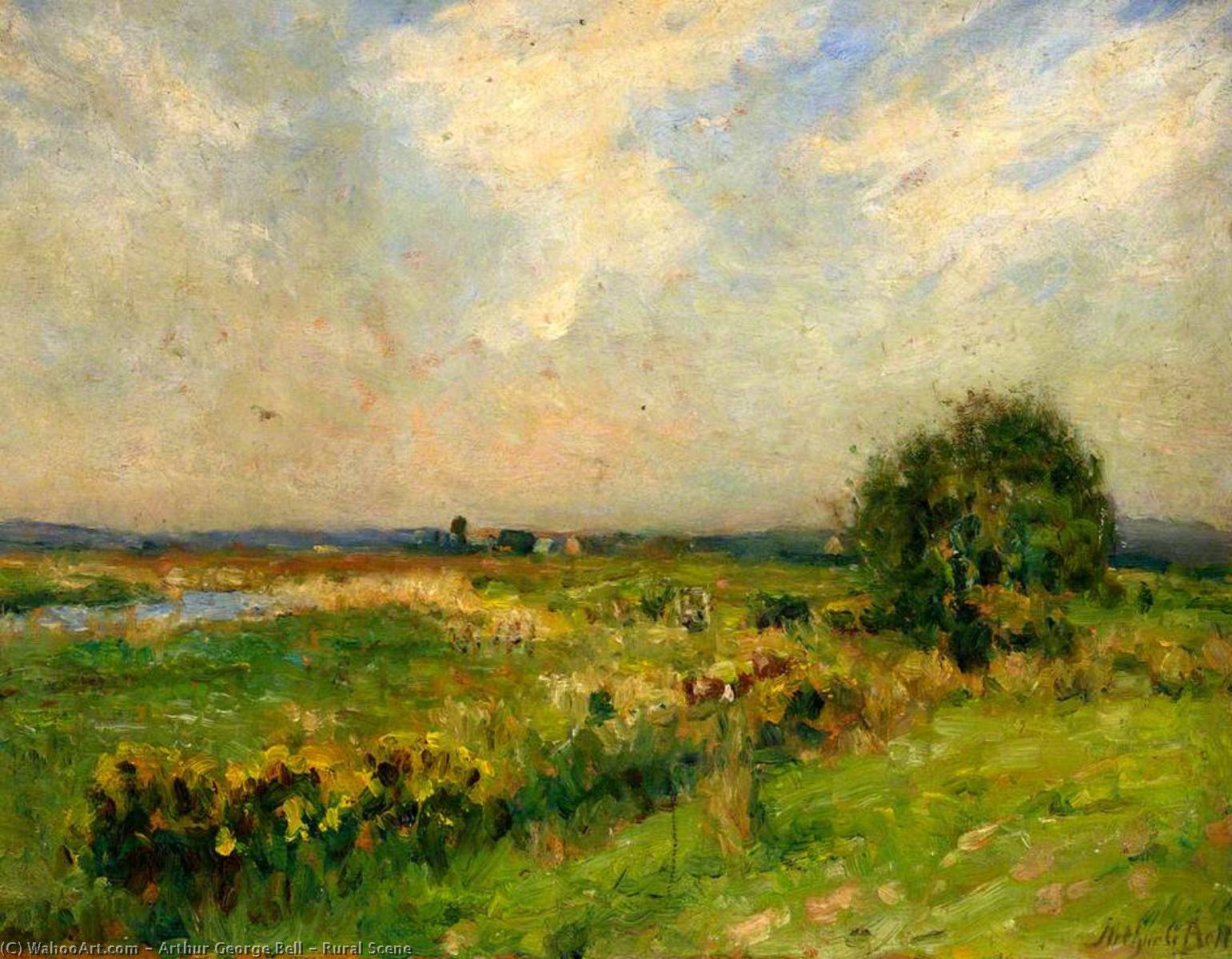
Rural Scene
 25.0 x 46.0 cm
 Mehr anzeigen
Handgefertigte Ölreproduktion
Handgemaltes Ölgemälde auf Leinwand in Ihrer Wunschgröße und mit Rahmen, auf Bestellung von unseren Künstlern angefertigt. ( Zum Druck wechseln Zum digitalen Bild wechseln)




































Wählen Sie aus unseren vordefinierten Formaten, die den ursprünglichen Proportionen des Kunstwerks entsprechen.

Sie können Ihre eigenen Maße eingeben, um einen bestimmten Rahmen oder Platz auszufüllen. Wenn die gewählte Größe nicht den Proportionen des Originalbildes entspricht, werden wir das Kunstwerk entweder beschneiden oder das Gemälde durch zusätzliche, handgemalte Elemente erweitern. Ein digitales Mockup wird Ihnen zur Genehmigung zugesandt, bevor die Produktion beginnt.
Bitte beachten Sie, dass die Bildschirmvorschau nicht die tatsächliche Beschneidung oder Erweiterung widerspiegelt. Nur das Mockup zeigt die endgültige Komposition exakt an.
Obwohl Sondermaße verfügbar sind, empfehlen wir, eine Größe aus der vordefinierten Liste zu wählen, um die ursprünglichen Proportionen beizubehalten.
Nach der Bestellung wird das OriginalUniqueArt.com-Team dem Kunden Anweisungen per E-Mail zusenden und eine Mockup-Vorschau bereitstellen.
Weltweiter Versand () in nur 3 bis 4 Wochen statt der üblichen 5 Wochen. (26 September). Keine Kompromisse bei der Qualität.

Kostenloser weltweiter Expressversand

Hochwertige Leinenleinwand

Vollständiger Versicherungsschutz beim Versand

Zollgebühren-Rückerstattungsgarantie

Garantie für exakte Farbtreue

100-tägiges Rückgaberecht (nur bei Mängeln)

100% Geld-zurück-Garantie

Angebot für Mengenrabatt
 Die Glasoption ist nur für Größen unter 110 cm verfügbar.

Rural Scene
Reproduktionsmedium
Format der Reproduktion
-


Gesamtpreis
$ 300
Biografie des Künstlers
The Soul of the Dorset Landscape
Arthur George Bell stands as a singular figure in British landscape painting, a chronicler of the Dorset countryside and its rhythms whose canvases capture not merely visual beauty but also the very spirit of rural life at the turn of the century. Born around 1867 into a family of farmers in Dorset, England, Bell possessed an innate connection to the land that would profoundly shape his artistic vision. His heritage provided him with a deep-seated understanding of the seasonal shifts and the quiet labor of the countryside, allowing him to transform ordinary scenery into evocative depictions that resonate with both emotion and memory. While he may have been overshadowed by more celebrated contemporaries during his lifetime, his meticulous observation and deeply felt connection to his surroundings cemented his reputation as one of Dorset's foremost artists.
The development of Bell’s distinctive style was significantly shaped by his formal training at the prestigious Slade School of Fine Art in London during the late 19th and early 20th centuries. It was here that he encountered the transformative power of Impressionism, absorbing the techniques of masters such as Claude Monet and Pierre-Auguste Renoir. This exposure proved pivotal, steering him away from rigid academic traditions that favored studio-bound renderings toward the practice of plein air painting. By prioritizing direct observation, Bell learned to capture the fleeting moments of light, atmosphere, and texture that define a landscape. His work became a study in the ephemeral, seeking to document the silvery sheen of rain-swept meadows and the golden, heavy hues of autumn foliage with a painterly sensitivity.
Technique and Atmospheric Vision
Bell’s artistry is characterized by a masterful command of light and a meticulous attention to detail achieved through painstaking brushstrokes. He did not merely document the geography of his home; he sought to convey its very essence—the dampness of peat bogs, the ruggedness of the coastline, and the serene stillness of meandering rivers. His approach allowed him to breathe life into his subjects, making the viewer feel the weight of the air and the temperature of the sun. Whether depicting a wide, sweeping vista or a focused, intimate corner of a woodland, Bell utilized an Impressionistic palette to evoke specific moods, ranging from the romantic tranquility of a river scene to the industrious charm of rural labor.
His repertoire of subjects often centered on the recurring motifs of the Dorset landscape, including:
- The Rugged Coastline: Capturing the powerful interaction between sea and shore.
- Pastoral Serenity: Depicting rolling hills dotted with sheep farms and peaceful meadows.
- Seasonal Transitions: Illustrating the dramatic shifts from the lushness of summer to the melancholic beauty of autumn.
- Rural Industry: Documenting the rhythmic, traditional activities of country life, such as the digging and drying of peat.
Legacy and Historical Significance
The historical significance of Arthur George Bell lies in his ability to preserve a vanishing way of life through his art. As the turn of the century brought rapid industrialization and social change to England, Bell’s work serves as a vital visual record of the traditional Dorset landscape and its rhythms. His paintings are more than mere landscapes; they are nostalgic windows into a period where the connection between humanity and the earth felt profoundly intimate. Through his dedication to capturing the "soul" of his region, he created a body of work that continues to offer solace and beauty to collectors and scholars alike.
Today, Bell’s legacy is found in the enduring emotional resonance of his canvases. His ability to blend the technical precision of his training with the raw, unadorned beauty of his native soil ensures that his contribution to British landscape painting remains a cherished chapter in the history of art. He remains an artist whose work invites us to slow down, to observe the subtle shifts in light, and to appreciate the quiet majesty of the natural world.

Eckdaten zum Künstler
- Artistic Movement Or Style: Rural landscapes
- Artists Or Movements Influenced By This Artist: ['Romanticism']
- Artists Who Influenced This Artist: ['John Constable']
- Date Of Birth: Living
- Full Name: Arthur George Bell
- Nationality: British
- Notable Artworks: ['The River Wey']
- Place Of Birth: Dorset