() ·

Ein Gemälde, von Hand für Sie geschaffen

The Critic

Handgefertigte Ölreproduktion

Handgemaltes Ölgemälde auf Leinwand in Ihrer Wunschgröße und mit Rahmen, auf Bestellung von unseren Künstlern angefertigt. ( Zum Druck wechseln Zum digitalen Bild wechseln)

Beschreibung des Sammlerstücks

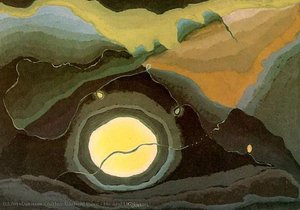
Arthur Dove's 'The Critic' is a fragmented Dada collage exploring art critique through layered newspaper clippings and bold red hues, reflecting the era’s satirical spirit.

Künstlerbiografie

Entdecken Sie Arthur Garfield Doves abstrakte Kunst (1880-1946), Pionier des amerikanischen Modernismus! Erleben Sie seine stimmungsvollen Landschaften & innovativen Farbkompositionen.

ab ·

Kapitel 1

Welche Größe soll es haben?

Wischen Sie, um die Größe zu ändern; das Bild auf der linken Seite zeigt den Rahmen in seiner tatsächlichen Breite. Die Proportionen des Originals bleiben erhalten.

Standardformat
individuell anpassbar
CM
INCH

Wählen Sie aus unseren vordefinierten Formaten, die den ursprünglichen Proportionen des Kunstwerks entsprechen.

Breite
Höhe

Geben Sie die Breite und die Höhe an, die Sie für Ihren Rahmen oder Ihre Wand benötigen. Da dieses Werk handgemalt ist, kann der Künstler bei einer anderen Form etwas mehr um das Bild herum malen oder etwas abschneiden – Sie entscheiden. Wir senden Ihnen ein digitales Mockup zur Freigabe, bevor mit dem Malen begonnen wird. Das auf dieser Seite gezeigte Bild stellt nicht das tatsächliche Ergebnis dar – dies tut nur das Mockup.

Kapitel 2

Wie soll es geliefert werden?

Wählen Sie die Kanten der Leinwand aus

Wählen Sie Ihren Rahmen

Corner sample of the WhiteWrap canvas edge finish, stretched on Massivholz bars
Weißer Rand €1
Corner sample of the BlurSideWrap canvas edge finish, stretched on Massivholz bars
verlaufende Kanten €1
Corner sample of the ExtendedWrap canvas edge finish, stretched on Massivholz bars
Umrandung €1
Corner sample of the P118B picture frame: formgepresstes Polystyrol, 5 cm wide and 3 cm thick
P118B €10
Corner sample of the P118H picture frame: formgepresstes Polystyrol, 5 cm wide and 3 cm thick
P118H €10
Corner sample of the P118W picture frame: formgepresstes Polystyrol, 5 cm wide and 3 cm thick
P118W €10
Corner sample of the P438Z picture frame: formgepresstes Polystyrol, 5.5 cm wide and 3.5 cm thick
P438Z €10
Corner sample of the P508JH picture frame: formgepresstes Polystyrol, 7 cm wide and 3.5 cm thick
P508JH €12
Corner sample of the P508YH picture frame: formgepresstes Polystyrol, 7 cm wide and 3.5 cm thick
P508YH €12
Corner sample of the P805H picture frame: formgepresstes Polystyrol, 5 cm wide and 3.5 cm thick
P805H €10
Corner sample of the P805Z picture frame: formgepresstes Polystyrol, 5 cm wide and 3.5 cm thick
P805Z €10
Corner sample of the P919BZ picture frame: formgepresstes Polystyrol, 7 cm wide and 3.5 cm thick
P919BZ €10
Corner sample of the P919G picture frame: formgepresstes Polystyrol, 7 cm wide and 3.5 cm thick
P919G €10
Corner sample of the P919XJ picture frame: formgepresstes Polystyrol, 7 cm wide and 3.5 cm thick
P919XJ €10
Corner sample of the P959ZH picture frame: formgepresstes Polystyrol, 5 cm wide and 3 cm thick
P959ZH €10
Corner sample of the P968JZ picture frame: formgepresstes Polystyrol, 6 cm wide and 4 cm thick
P968JZ €12
Corner sample of the W106C picture frame: Massivholz, 5 cm wide and 3 cm thick
W106C €8
Corner sample of the W218G picture frame: Massivholz, 5 cm wide and 3 cm thick
W218G €10
Corner sample of the W218JH picture frame: Massivholz, 5 cm wide and 3 cm thick
W218JH €8
Corner sample of the W218Y picture frame: Massivholz, 5 cm wide and 3 cm thick
W218Y €10
Corner sample of the W307PJ picture frame: Massivholz, 6 cm wide and 3 cm thick
W307PJ €10
Corner sample of the W316G picture frame: Massivholz, 6 cm wide and 3 cm thick
W316G €10
Corner sample of the W316PJ picture frame: Massivholz, 6 cm wide and 3 cm thick
W316PJ €8
Corner sample of the W316Y picture frame: Massivholz, 6 cm wide and 3 cm thick
W316Y €10
Corner sample of the W398PJ picture frame: Massivholz, 5 cm wide and 3 cm thick
W398PJ €8
Corner sample of the W4111J picture frame: Massivholz, 6.5 cm wide and 3.5 cm thick
W4111J €10
Corner sample of the W500HY picture frame: Massivholz, 7 cm wide and 5 cm thick
W500HY €15
Corner sample of the W500JH picture frame: Massivholz, 7 cm wide and 5 cm thick
W500JH €15
Corner sample of the W692G picture frame: Massivholz, 8 cm wide and 4 cm thick
W692G €12
Corner sample of the W849H picture frame: Massivholz, 5 cm wide and 3 cm thick
W849H €8
Corner sample of the W940BG picture frame: Massivholz, 7.5 cm wide and 4.5 cm thick
W940BG €15
Corner sample of the W953PJ picture frame: Massivholz, 6 cm wide and 3.5 cm thick
W953PJ €8
Corner sample of the H24-GOLD picture frame: geschnitztes Holz mit Gesso, 10 cm wide and 6 cm thick
H24-GOLD €30
Corner sample of the H24-SILVER picture frame: geschnitztes Holz mit Gesso, 10 cm wide and 6 cm thick
H24-SILVER €30
Corner sample of the H36-GOLD picture frame: geschnitztes Holz mit Gesso, 15 cm wide and 6.5 cm thick
H36-GOLD €45
Corner sample of the H36-SILVER picture frame: geschnitztes Holz mit Gesso, 15 cm wide and 6.5 cm thick
H36-SILVER €45

Profil: . Gesamtgröße mit Rahmen: .

Kapitel 3

Wer malt es, und sollte etwas geändert werden?

Beispiele für Anpassungsmöglichkeiten: Gesicht durch Kundenfoto ersetzen; Haustier hinzufügen (z. B. Katze durch Hund ersetzen); Versteckte Botschaft im Hintergrund einfügen; Hintergrundlandschaft oder Elemente ändern.
Nach der Bestellung wird das Team von OriginalUniqueArt.com den Kunden per E-Mail kontaktieren, um Anweisungen einzuholen und eine Vorschau des Entwurfs bereitzustellen

Weltweiter Versand () in nur 3 bis 4 Wochen statt der üblichen 5 Wochen. (11 November). Keine Kompromisse bei der Qualität.

Kapitel 4

Der letzte Schliff

Ein Namensschild, wie im Museum?

Details der gravierten Bronzetafel

This elegant plaque features the artist's name and the title of the artwork, finely engraved for a timeless presentation.

It is made from bronze with a refined, elegant finish. The text is precisely laser-engraved for a sharp and permanent result. Measuring 9x2 cm, the plaque is compact yet easy to read. It's built to be durable and scratch-resistant, offering a professional, museum-quality look. Mounting is simple thanks to the included adhesive backing.

Details zur Acrylglas-Plakette (transparent)

The plaque includes essential engraved details such as the artist's name, the title of the artwork, the date it was created, the type of media used-like oil on canvas or watercolor-a brief description of the piece, and a QR code that links to the complete artwork information.

It is crafted from clear acrylic, offering a sleek, modern appearance. The text is UV-engraved in black to ensure strong visual contrast. With a size of 10x15 cm, it ensures optimal readability. It comes equipped with two metal hooks for secure wall mounting. The plaque is designed to be weather-resistant, making it suitable for various environments, and it includes interactive features that work seamlessly with smartphone scanning.

Details zur schwarzen Acryltafel

This elegant plaque includes engraved information such as the artist's name, the title of the artwork, the date it was created, the type of media used (like oil on canvas or watercolor), a short description of the artwork, and a QR code for quick access to more information.

The plaque itself is made from refined black acrylic with a premium finish. The text is laser-engraved in white for high contrast and readability. Its size is 10x15 cm, designed to be easy to read. It comes with two metal hooks for professional mounting. The design is sleek and fits any interior style. It is also weather-resistant and durable, with built-in digital integration for mobile compatibility.

Ein Schutzlack?

Bis wann benötigen Sie es?

Kapitel 5

Ihr Gemälde, wie von Ihnen bestellt

The Critic

Art der Reproduktion

Format der Reproduktion

-

Erstklassige Meisterkünstler

Mehr Detailtiefe, Raffinesse und zusätzliche Produktionszeit

-

Rahmen für Reproduktionen

-

-

Bei Kunstwerken oder Reproduktionen, die an einer Seite größer als 105 cm (ca. 41 Zoll) sind, wird der Rahmen zerlegt als Bausatz geliefert. Diese Methode gewährleistet eine sichere Zustellung und verhindert Schäden während des Transports.

Professionelle Montage erforderlich – dies ist kein DIY-Produkt.
Der Bausatz muss von einem erfahrenen professionellen Rahmenmacher zusammengebaut und die Leinwand gespannt werden. Hierfür werden Holzleim (nicht im Lieferumfang enthalten), eine Leinwandspannzange sowie Klemmen benötigt, um die Keilleisten während des Trocknungsvorgangs rechtwinklig zu halten. Eine unsachgemäße Montage oder eine ungleichmäßige Spannung der Leinwand kann das Kunstwerk dauerhaft beschädigen und ist nicht durch unsere Garantie abgedeckt.

  • Alle Vollholzkomponenten sind enthalten, präzise auf Maß zugeschnitten.

  • Der Zusammenbau erfolgt mit den mitgelieferten Schrauben sowie Holzkleber für die Eckverbindungen, der nicht im Lieferumfang enthalten ist und vom Rahmenbauer selbst beschafft werden muss.

  • Professionelles Werkzeug ist erforderlich und nicht im Lieferumfang enthalten: eine Keilrahmenzange (Spannwerkzeug) sowie Klammern, um die Leisten während der Trocknungszeit des Klebers rechtwinklig zu fixieren.

Wichtiger Hinweis:
Für die Eckverbindungen wird Holzleim benötigt, die Leisten müssen mit Zwingen fixiert werden, bis der Leim vollständig getrocknet ist, und das Spannen der Leinwand auf dem fertigen Rahmen erfordert eine Keilrahmen-Zange. Keines dieser Utensilien ist im Set enthalten. Bitte stellen Sie sicher, dass ein erfahrener Rahmenmacher zur Verfügung steht, bevor Sie diese Größe bestellen.

Beschriftung

-

-

Schutzlackierung

Glanzlack (verstärkt die Farben, schützt vor Licht und Feuchtigkeit)

-

Mein Kunstwerk personalisieren

Beispiele für Anpassungsmöglichkeiten: Gesicht durch Kundenfoto ersetzen; Haustier hinzufügen (z. B. Katze durch Hund ersetzen); Versteckte Nachricht im Hintergrund einfügen; Hintergrundlandschaft oder -elemente ändern.

-

Eilt sehr

Weltweiter Versand () in nur 3 bis 4 Wochen statt der üblichen 5 Wochen. (11 November). Keine Kompromisse bei der Qualität.

-

Expressversand

Weltweiter Versand () innerhalb von 5 Wochen. (18 November).

Inklusive Versand

Endpreis

€ 268

Gesamtpreis € 268

Die Glasoption ist nur für Größen unter 110 cm verfügbar.

In jeder Bestellung enthalten

  • Kostenloser weltweiter Expressversand
  • Hochwertige Leinenleinwand
  • Umfassender Versicherungsschutz beim Versand
  • Zollgebühren-Rückerstattungsgarantie
  • Garantie für exakte Farbtreue
  • 100 Tage Rückgaberecht (nur bei Mängeln)
  • 100% Geld-zurück-Garantie
  • Mengenrabatt verfügbar

A Fragmented Portrait of Judgment

Arthur Garfield Dove’s “The Critic,” painted in 1925, isn't merely a depiction of an art critic; it’s a potent visual embodiment of the very act of critical observation itself. Born amidst the vibrant currents of early 20th-century America, Dove was a pioneer, boldly rejecting representational painting and forging his own path towards abstraction – a move that positioned him as one of the first true American abstract artists. This work, created during a period of intense experimentation within the Dada movement, reflects this spirit with its deliberate deconstruction and layered complexity. The piece immediately commands attention not through polished beauty, but through an unsettling honesty—a raw portrayal of the fragmented nature of perception and judgment.

The composition is strikingly unconventional. A humanoid figure, constructed from a chaotic assemblage of newspaper clippings, printed papers, and other found materials, dominates the center of the canvas. This isn’t a portrait in the traditional sense; rather, it's an almost architectural construction, suggesting a being built not of flesh and blood, but of ideas, opinions, and the relentless flow of information. The figure’s elongated limbs and angular silhouette contribute to a feeling of unease, as if it were perpetually caught mid-thought or in the process of dissecting something unseen. The background is a dense tapestry of text – snippets from newspapers, advertisements, and other printed sources—creating a visual echo of the critic's environment: a world saturated with commentary and opinion.

Dadaist Techniques & Materiality

Dove’s masterful use of collage is central to “The Critic’s” impact. He doesn’t simply adhere paper to a surface; he layers, overlaps, and manipulates the materials to create a tactile and visually rich experience. The rough texture of the newspaper fragments—the creases, tears, and faded ink—are deliberately preserved, adding an element of historical weight and reminding us that this critic is constructed from the remnants of past discourse. The deliberate lack of clean lines – relying instead on the inherent boundaries created by the paper itself – speaks to the Dadaist rejection of traditional artistic conventions. The artist’s technique involved careful cutting, precise pasting, and a meticulous arrangement designed to achieve a specific effect: a visual representation of intellectual dissection.

Symbolism & The Burden of Judgment

The symbolism within “The Critic” is layered and open to interpretation. The fragmented figure can be seen as representing the subjective nature of criticism – an individual’s perspective inevitably shaped by their own biases, experiences, and preconceptions. The newspaper clippings, a constant barrage of information, suggest the overwhelming pressure faced by critics to analyze and interpret the world around them. The bright red hat worn by the figure adds a touch of theatricality and perhaps even a hint of defiance—a visual assertion of individuality within a sea of opinion. Furthermore, the inclusion of text fragments hints at the ephemeral nature of public opinion, constantly shifting and evolving.

A Window into the 1920s & Dove’s Legacy

“The Critic” was created during a period of profound social and artistic change in America—the Roaring Twenties. The rise of mass media, coupled with the burgeoning avant-garde movements like Dadaism and Surrealism, challenged traditional notions of art and representation. Dove's work reflects this spirit of experimentation and rebellion, pushing the boundaries of what was considered acceptable within the American art scene. His pioneering role as an abstract painter paved the way for future generations of artists to explore non-representational forms. Studying “The Critic” offers a fascinating glimpse into the intellectual climate of the era and reveals Dove’s enduring legacy as a visionary artist who dared to question established norms.

Fragen & Antworten

Welcher Raum eignet sich aufgrund der Farben von "The Critic" von Arthur Garfield Dove am besten?

Aufgrund seiner Dark-Palette wird "The Critic" von Arthur Garfield Dove für ein Living Room empfohlen; die Farbstimmung ist einer der Gründe für diese Empfehlung.

Welches Format hat "The Critic"?

Das Format von „The Critic“ ist Portrait. Dies ist hilfreich bei der Planung, wo eine Reproduktion platziert werden soll.

Wie viele Personen sehen "The Critic"?

Für „The Critic“ gibt es eine Besucherzahlen-Seite. Sie zeigt die monatlichen Aufrufe des Kunstwerks sowie weiterer Werke des Künstlers mit einer Aufschlüsselung nach Land und Sprache an.

Mehr über dieses Gemälde

Vorschau anzeigen In AR ansehen Zum Druck wechseln Zum digitalen Bild wechseln Versenden
Details anzeigen Leitfaden Zu Favoriten hinzufügen Herunterladen Ähnliche Objekte Röntgenaufnahme Diashow Fragen & Antworten Statistiken

In Zahlen

  • 1925das Jahr der Entstehung
  • 29Rahmen zur Auswahl
  • Standardformate, in ihren eigenen Proportionen
  • 5Wochen für die Bemalung und Lieferung
Arthur Garfield Dove

Arthur Garfield Dove

1880 - 1946, Vereinigte Staaten von Amerika

Kurzinfos zu Arthur Garfield Dove

  • Beeinflusste Künstler: ['Henri Matisse']
  • Bemerkenswerte Werke:
    • Ich und der Mond
    • Tanks
  • Geburtsdatum: 02. August 1880
  • Geburtsort: Canandaigua, USA
  • Künstlerische Richtung: Abstrakter Expressionismus
  • Nationalität: Amerikanisch
  • Sterbedatum: 1946
  • Vollständiger Name: Arthur Garfield Dove

Künstlerbiografie

Einführung in Arthur Garfield Dove

Arthur Garfield Dove, ein amerikanischer Künstler, ist bekannt für seine abstrakten Werke, die das Verhältnis zwischen Form und Farbe erforschen. Geboren am 2. August 1880 in Canandaigua, New York, war Dove einer der ersten amerikanischen Künstler, der mit modernistischen Stilen experimentierte.

Frühes Leben und Ausbildung

Dove wuchs in einer wohlhabenden Familie auf und wurde nach den republikanischen Präsidentschafts- und Vizepräsidentschaftskandidaten der Wahl von 1880, James Garfield und Chester Arthur, benannt. Zu seinen Kindheitsinteressen gehörten das Klavierspielen, Malstunden und das Spielen als Pitcher in einem Highschool-Baseballteam. Dove besuchte das Hobart College und die Cornell University und schloss sein Studium an der Cornell im Jahr 1903 ab.

Karriere und Entwicklung

Doves Karriere als Künstler begann mit Illustrationen für kommerzielle Zwecke in New York City, wo er für Harpers Magazine und den Saturday Evening Post arbeitete. Er wurde zu einem bekannten Illustratoren, aber seine Eltern waren nicht wohlgesinnt gegenüber den Schwierigkeiten, die mit einer Karriere in der Kunst einhergingen. Im Jahr 1907 reiste Dove nach Frankreich und zog nach Paris, das damals die Kunsthauptstadt der Welt war. Er schloss sich einer Gruppe experimenteller amerikanischer Künstler an, darunter Alfred Henry Maurer. Dove wurde mit neuen Malstilen vertraut gemacht, insbesondere mit den Fauvist-Werken von Henri Matisse, und stellte im Salon d'Automne 1908 und 1909 aus. Seine frühen Werke zeigten noch Einflüsse der Illustration, entwickelten sich aber schnell hin zu abstrakteren Formen. Er begann, die Natur nicht mehr realistisch darzustellen, sondern ihre essenziellen Elemente zu extrahieren – ein Prozess, den er selbst als "Extraktion" bezeichnete.

Abstrakte Gemälde und Techniken

Dove verwendete eine breite Palette von Medien, manchmal in ungewöhnlichen Kombinationen, um seine Abstraktionen und abstrakten Landschaftsbilder zu schaffen. Sein Gemälde "Ich und der Mond" aus dem Jahr 1937 ist ein gutes Beispiel für eine abstrakte Landschaft. Dove experimentierte auch mit Techniken, indem er Farben wie handgemischtes Öl oder Tempera über eine Wachsemulsion kombinierte, wie in seinem Gemälde "Tanks" von 1938 zu sehen ist, das sich in der Sammlung des Boston Museum of Fine Arts befindet. Seine Farbpalette war oft gedämpft und erdverbunden, aber er nutzte auch kräftige Kontraste, um Spannung zu erzeugen. Er schätzte die Materialität der Farbe und experimentierte mit verschiedenen Anwendungstechniken, um unterschiedliche Texturen und Effekte zu erzielen.

Vermächtnis und Bedeutung

Doves abstrakte Gemälde hatten einen bedeutenden Einfluss auf den amerikanischen Modernismus. Seine Verwendung unkonventioneller Medien und Techniken hat Generationen von Künstlern beeinflusst. Als Pionier der abstrakten Kunst sind Doves Werke in verschiedenen Museen zu finden, darunter das Hirshhorn Museum and Sculpture Garden, das mehrere seiner bemerkenswerten Werke beherbergt. Wichtige Punkte: Doves abstrakte Gemälde haben einen bedeutenden Einfluss auf den amerikanischen Modernismus gehabt. Seine Verwendung unkonventioneller Medien und Techniken hat Generationen von Künstlern beeinflusst. Doves Werke sind in verschiedenen Museen zu finden, darunter das Hirshhorn Museum and Sculpture Garden.

Eckdaten

  • Title: The Critic
  • Year: 1925
  • Movement: Dada
  • Location: Whitney Museum
  • Artistic style: Cubism, Collage

Kunst-Quiz

Jede Frage hat nur eine richtige Antwort.

Frage 1:
What artistic movement is most closely associated with Arthur Dove’s ‘The Critic’?
Frage 2:
What primary material is used to create 'The Critic'?
Frage 3:
The fragmented figure in 'The Critic' likely represents:
Frage 4:
What year was ‘The Critic’ created?
Frage 5:
Based on the description, what is a prominent feature of the artwork’s composition?
Entdecken Sie Kunstwerke, die nach Themen, Stilen und Merkmalen sortiert sind.