In echtem Maßstab anzeigen
 Versenden als Grußkarte
 Teilen
 Details anzeigen
 Leitfaden öffnen

 Herunterladen
 Ähnliche Objekte
 Röntgenaufnahme
 Diashow
 Besucherstatistiken
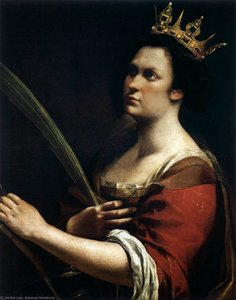
Porträt eines Condottieri
 Acryl auf Leinwand
- Wandkunst
- Baroque Painting
 1622
1622 208.0 x 128.0 cm
 Palazzo d’Accursio
 Mehr anzeigen
Handgefertigte Ölreproduktion
Handgemaltes Ölgemälde auf Leinwand in Ihrer Wunschgröße und mit Rahmen, auf Bestellung von unseren Künstlern angefertigt. ( Zum Druck wechseln Zum digitalen Bild wechseln)




P118B $10

P118H $10

P118W $10

P438Z $10

P508JH $12

P508YH $12

P805H $10

P805Z $10

P919BZ $10

P919G $10

P919XJ $10

P959ZH $10

P968JZ $12

W106C $8

W218G $10

W218JH $8

W218Y $10

W307PJ $10

W316G $10

W316PJ $8

W316Y $10

W398PJ $8

W4111J $10

W500HY $15

W500JH $15

W692G $12

W849H $8

W940BG $15

W953PJ $8




Wählen Sie aus unseren vordefinierten Formaten, die den ursprünglichen Proportionen des Kunstwerks entsprechen.

Sie können Ihre eigenen Maße eingeben, um einen bestimmten Rahmen oder Platz auszufüllen. Wenn die gewählte Größe nicht den Proportionen des Originalbildes entspricht, werden wir das Kunstwerk entweder beschneiden oder das Gemälde durch zusätzliche, handgemalte Elemente erweitern. Ein digitales Mockup wird Ihnen zur Genehmigung zugesandt, bevor die Produktion beginnt.
Bitte beachten Sie, dass die Bildschirmvorschau nicht die tatsächliche Beschneidung oder Erweiterung widerspiegelt. Nur das Mockup zeigt die endgültige Komposition exakt an.
Obwohl Sondermaße verfügbar sind, empfehlen wir, eine Größe aus der vordefinierten Liste zu wählen, um die ursprünglichen Proportionen beizubehalten.
Nach der Bestellung wird das OriginalUniqueArt.com-Team dem Kunden Anweisungen per E-Mail zusenden und eine Mockup-Vorschau bereitstellen.
Weltweiter Versand () in nur 3 bis 4 Wochen statt der üblichen 5 Wochen. (26 September). Keine Kompromisse bei der Qualität.

Kostenloser weltweiter Expressversand

Hochwertige Leinenleinwand

Vollständiger Versicherungsschutz beim Versand

Zollgebühren-Rückerstattungsgarantie

Garantie für exakte Farbtreue

100-tägiges Rückgaberecht (nur bei Mängeln)

100% Geld-zurück-Garantie

Angebot für Mengenrabatt
 Die Glasoption ist nur für Größen unter 110 cm verfügbar.

Porträt eines Condottieri
Reproduktionsmedium
Format der Reproduktion
-


Gesamtpreis
$ 300
Das Porträt des Condottieri – Ein Fenster in die Welt der italienischen Renaissance
Artemisia Gentileschi’s “Portrait of a Condottiero,” painted in 1622, is far more than a simple depiction of a soldier; it's a powerfully resonant statement about masculinity, honor, and the precarious realities of life during the turbulent Italian Renaissance. The painting immediately draws the eye to its central figure – a man clad in meticulously rendered armor, radiating an aura of controlled strength and unwavering resolve. His posture is upright, his gaze direct, suggesting both vigilance and a certain weariness, hinting at battles fought and sacrifices endured. The red cape draped around his neck isn’t merely decorative; it's a potent symbol of military distinction – the color of courage and victory, yet also potentially stained with the blood of conflict.
- The Condottiero: The term “Condottiero” refers to the mercenary captains who dominated Italian politics and warfare during the 16th century. These were not simply soldiers; they were often skilled diplomats, strategists, and even rulers in their own right, commanding armies for various city-states and patrons. Gentileschi’s subject embodies this complex role – a warrior bound by duty, honor, and loyalty.
- Caravaggiescher Einfluss: The painting's dramatic use of light and shadow is undeniably indebted to the revolutionary style pioneered by Caravaggio, Artemisia’s father. Notice how the light dramatically illuminates the armor, highlighting its texture and form while simultaneously casting deep shadows that create a sense of depth and drama. This chiaroscuro technique isn’t just about visual impact; it serves to emphasize the subject's physicality and inner strength.
Die Künstlerin und ihre Welt: Artemisia Gentileschi im Kontext ihrer Zeit
Artemisia Gentileschi’s life was one of extraordinary resilience in a society that consistently sought to diminish her artistic voice. Born into a family of artists, she received an exceptional education, but as a woman in 17th-century Rome, her opportunities were severely limited. Despite facing immense personal hardship – including a brutal assault and subsequent legal battle – Gentileschi persevered, establishing herself as one of the most accomplished painters of her era. “Portrait of a Condottiero” stands as a testament to her artistic prowess and her ability to transcend societal constraints. The painting itself can be interpreted as a subtle assertion of female agency; by depicting a powerful military figure with such skill and authority, Gentileschi subtly challenges traditional gender roles.
Historical Context:** The painting was created during a period of intense political instability in Italy, marked by ongoing conflicts between various city-states. The Condottieri were figures of both admiration and suspicion – celebrated for their military prowess but also viewed with caution due to their often independent and sometimes ruthless actions. Gentileschi’s portrayal captures this duality perfectly.Symbolik und Details: Ein Blick auf die Feinheiten des Bildes
Beyond the obvious depiction of a warrior, “Portrait of a Condottiero” is rich in symbolic detail. The sword he holds isn't simply a weapon; it represents his authority, his right to command, and his willingness to defend his honor. The two figures standing behind him – partially obscured but clearly present – could represent his loyal followers or perhaps even the consequences of his actions. Their presence adds an element of narrative complexity, suggesting that the Condottiero’s life is inextricably linked to those around him.
Notice the subtle details in the armor itself: the intricate engravings, the polished metal reflecting the light – these elements speak to both the wealth and status of the soldier and the skill of the artist in rendering such complex textures.Emotionale Wirkung und Interpretation: Ein Kunstwerk für die Ewigkeit
“Portrait of a Condottiero” is not merely a historical record; it’s an emotionally charged portrait that speaks to universal themes of courage, honor, and mortality. The subject's gaze compels the viewer to contemplate his experiences – his triumphs, his losses, and the burdens he carries. The painting’s dramatic lighting and dynamic composition create a sense of immediacy, drawing us into the scene and inviting us to share in the Condottiero’s world. It is a powerful reminder of the human cost of conflict and the enduring legacy of those who fought for their beliefs.
OriginalUniqueArt offers meticulously crafted hand-painted reproductions of this iconic masterpiece, allowing you to bring its timeless beauty into your home or office. Each reproduction captures the essence of Gentileschi’s artistry while ensuring exceptional quality and detail.
Biografie des Künstlers
frühes Leben und Ausbildung
Artémisie Gentileschi, geboren in Rom am 8. Juli 1593, etablierte sich als Pionierin der italienischen Barockmalerei zu einer Zeit, als das Feld überwiegend von Männern dominiert wurde. Sie wurde von ihrem Vater, Orazio Gentileschi, einem toskanischen Maler, ausgebildet und entwickelte schnell einen eigenen, einzigartigen Stil, der stark von Caravaggios Realismus beeinflusst war, aber auch durch ihren individuellen Ansatz geprägt war.Bekannte Werke und Stil
Mit fünfzehn Jahren produzierte sie bereits professionelle Arbeiten und demonstrierte ein tiefes Verständnis für Farbe und Naturalismus bei der Darstellung des weiblichen Körpers. Ihr Talent war unbestreitbar, da sie die erste Frau war, die der Accademia di arte del disegno in Florenz zugelassen wurde. Einige ihrer bekanntesten Werke sind:- Susanna und die Älteren (1610, Sammlung Schönborn, Pommersfelden), ein Meisterwerk der Barockzeit
- Juditha, die Holofernes tötet (1614-1620, Uffizien), das ihre Fähigkeit zur Farbwirkung demonstriert, um Dimension und Dramatik auszudrücken
- Juditha und ihre Magd (1625, Detroit Institute of Arts), ein Beweis für ihren innovativen Blick auf die Welt der Kunst
Herausforderungen und Vermächtnis
Trotz ihres künstlerischen Könnens wurde Gentileschis Karriere aufgrund des Traumas ihrer Vergewaltigung durch Agostino Tassi und des anschließenden Prozesses lange im Schatten stand. Im 20. und 21. Jahrhundert wurde ihr Leben und ihre Kunst jedoch neu bewertet und sie als eine der ausdrucksstärksten und innovativsten Malerinnen ihrer Generation anerkannt. Wichtige Kunstrichtungen:- Pinacoteca comunale von Forlì, Italien, mit einer reichen Sammlung italienischer Kunst
- Werke von Artémisie Gentileschi, die durch einen hochnaturalistischen Ansatz und eine dramatische Verwendung des Lichts gekennzeichnet sind
Weitere Literatur:
Für weitere Informationen über Artémisie Gentileschi und ihre Zeitgenossen besuchen Sie Galleria Spada in Rom, Italien, oder erkunden Sie den Caravaggio-Stil auf Wikipedia.

Artemisia Gentileschi
1593 - 1656 , Italien
Eckdaten zum Künstler
- Beeinflusste Künstler: ['Caravaggio']
- Bemerkenswerte Werke:
- Susanna und die Älteren
- Judith enthauptet Holofernes
- Judith mit ihrer Magd
- Danaë
- Geburtsdatum: 8. Juli 1593
- Geburtsort: Rom, Italien
- Künstlerischer Stil: Barockmalerei
- Nationalität: Italienisch
- Sterbedatum: 1656
- Vollständiger Name: Artemisia Gentileschi
Verwandte Artikel

Beyond the Shadows: The Powerful Legacies of Artemisia Gentileschi and Berthe Morisot
Explore the profound legacies of Artemisia Gentileschi and Berthe Morisot. Discover how these female masters redefined the Baroque and Impressionist eras through dramatic chiaroscuro and luminous light in this expert art-history guide for collectors and enthusiasts.

Italian Baroque Unlocked: High-Drama Art That Hits Hard
Dive into the high-drama world of Italian Baroque art. Discover how chiaroscuro, intense emotion, and theatrical lighting redefined aesthetics. Explore the visceral power of the Counter-Reformation through a modern lens with expert insights from OriginalUniqueArt.com.

Beyond the Shadows: The Powerful Legacies of Artemisia Gentileschi and Berthe Morisot
Explore the profound legacies of Artemisia Gentileschi and Berthe Morisot. Discover how these female masters redefined the Baroque and Impressionist eras through dramatic chiaroscuro and luminous light, leaving an indelible mark on art history and modern aesthetics.

Barock Meisterwerke: Die 10 prägendsten Kunstwerke für Ihr Zuhause |
Entdecken Sie die 10 prägendsten Meisterwerke des Barock! Caravaggio, Rembrandt & Co. – Erfahren Sie die Geschichten hinter ikonischen Gemälde und finden Sie hochwertige Kunst Reproduktionen für Ihr Zuhause auf .

Barocke Pracht: Wie Sie Opulenz und Emotionen in zeitgenössische Innenräume bringen
Entdecken Sie die Pracht des Barock! Expertenratgeber für luxuriöse Innenräume mit barocken Elementen. Inspiration, Tipps & hochwertige Kunst bei .