In echtem Maßstab anzeigen
 Versenden als Grußkarte
 Teilen
 Details anzeigen
 Leitfaden öffnen

 Herunterladen
 Ähnliche Objekte
 Röntgenaufnahme
 Diashow
 Besucherstatistiken
Italian, approx. agentileschi)


 Mehr anzeigen
Giclée / Kunstdruck
Giclée- oder Leinwanddruck in Museumsqualität mit schneller Produktion und flexiblen Veredelungsoptionen. ( Handgemalte Reproduktion kaufen Zum digitalen Bild wechseln)




P118B $10

P118H $10

P118W $10

P438Z $10

P508JH $12

P508YH $12

P805H $10

P805Z $10

P919BZ $10

P919G $10

P919XJ $10

P959ZH $10

P968JZ $12

W106C $8

W218G $10

W218JH $8

W218Y $10

W307PJ $10

W316G $10

W316PJ $8

W316Y $10

W398PJ $8

W4111J $10

W500HY $15

W500JH $15

W692G $12

W849H $8

W940BG $15

W953PJ $8




Wählen Sie aus unseren vordefinierten Formaten, die den ursprünglichen Proportionen des Kunstwerks entsprechen.

Sie können Ihre eigenen Maße eingeben, um ein bestimmtes Format oder einen speziellen Platz einzupassen. Wenn das von Ihnen gewählte Format nicht den Proportionen des Originalbildes entspricht, werden wir das Kunstwerk entweder beschneiden oder das Bild mit einem gespiegelten oder einfarbigen Rand erweitern. Ein digitaler Entwurf wird Ihnen zur Genehmigung zugesandt, bevor die Produktion beginnt.
Bitte beachten Sie, dass die Vorschau auf dem Bildschirm nicht den tatsächlichen Zuschnitt oder die Erweiterung widerspiegelt. Nur der Entwurf zeigt die endgültige Komposition präzise an.
Obwohl Sondermaße verfügbar sind, empfehlen wir die Auswahl eines Maßes aus der vordefinierten Liste, um die ursprünglichen Proportionen zu bewahren.
Weltweiter Versand () innerhalb von 2 Wochen statt der üblichen 4/5 Wochen. (25 September)

Kostenloser weltweiter Expressversand

Hochwertige Leinenleinwand

Vollständiger Versicherungsschutz beim Versand

Zollgebühren-Rückerstattungsgarantie

Garantie für exakte Farbtreue

100-tägiges Rückgaberecht (nur bei Mängeln)

100% Geld-zurück-Garantie

Angebot für Mengenrabatt
 Die Glasoption ist nur für Größen unter 110 cm verfügbar.

Italian, approx. agentileschi)
Giclée / Kunstdruck
Format der Reproduktion
-


Gesamtpreis
$ 80
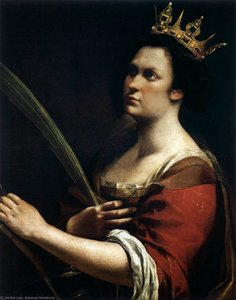
A Baroque Embrace: Unveiling Artemisia Gentileschi’s ‘Italian’
Artemisia Gentileschi's “Italian,” painted circa 1593, is more than just a depiction of a gathering; it’s a potent distillation of the Baroque era’s dramatic intensity and a testament to the burgeoning artistic voice of a woman challenging convention. Executed in the heart of Rome, this painting captures a moment of profound intimacy – a group surrounding a baby, radiating warmth and support within a richly appointed room. The scene, likely commissioned for a private patron, speaks volumes about the social dynamics and familial values prevalent during the late 16th century.
- Subject Matter: The central focus is undeniably the infant, presented with an almost devotional reverence. This wasn’t merely a portrait of a child; it was a symbol of hope, lineage, and the continuation of life – themes frequently explored in religious art of the period.
- Composition & Technique: Gentileschi masterfully employs Caravaggio's signature tenebrism—a dramatic contrast between light and dark—to heighten the emotional impact. The strong directional lighting illuminates the faces of the figures, drawing the viewer’s eye to their expressions of concern, tenderness, and perhaps even a touch of anxiety. Her brushwork is characterized by rapid, confident strokes, creating a sense of movement and immediacy.
- Setting & Atmosphere: The room itself contributes significantly to the painting's narrative. The presence of a dining table suggests a shared meal, reinforcing the idea of community and mutual support. The carefully arranged chairs and furnishings speak to a level of wealth and status, hinting at the importance of this gathering.
The Genius of Artemisia: A Revolutionary Vision
Artemisia Gentileschi’s rise within the male-dominated art world is itself a remarkable story. Born into a family deeply involved in artistic pursuits – her father, Orazio Gentileschi, was a prominent painter influenced by Caravaggio – she received an unparalleled education and training. This privileged access, coupled with her innate talent, allowed her to develop a distinctly Baroque style characterized by its emotional intensity, realistic portrayal of figures, and masterful use of light and shadow. Unlike many female artists of the time who were confined to domestic roles, Artemisia actively sought opportunities to exhibit her work, challenging societal expectations and establishing herself as one of the most accomplished painters of her era.
- Caravaggio’s Influence: Gentileschi was profoundly influenced by Caravaggio's revolutionary approach to painting. Like him, she favored realistic depictions of human figures, often portraying biblical scenes with a raw and unflinching honesty.
- Female Representation: Her choice to depict women – particularly in dramatic narratives traditionally reserved for male artists – was a bold statement. She elevated the status of female characters, imbuing them with agency and emotional depth.
Symbolism & Emotional Resonance
Beyond its technical brilliance, “Italian” is rich in symbolic meaning. The act of gathering around the baby represents protection, nurture, and the transmission of values. The expressions on the faces of the figures – a mixture of concern, affection, and perhaps even awe – convey a powerful sense of emotional connection. The bowl near the center could be interpreted as a symbol of sustenance, both literal and metaphorical, representing the nourishment provided by this community to the vulnerable infant.
- Color Palette: The use of warm earth tones—ochres, browns, and reds—creates a sense of intimacy and comfort.
- Emotional Impact: The painting’s enduring appeal lies in its ability to evoke empathy and compassion. It is a timeless depiction of human connection and the profound responsibility associated with caring for the next generation.
A Timeless Masterpiece – Recreated for Today
This meticulously hand-painted reproduction captures every nuance of Gentileschi’s original vision, offering you an exceptional opportunity to own a piece of art history. Perfect for adorning your home or office, this artwork will undoubtedly become a focal point, sparking conversation and inspiring contemplation. OriginalUniqueArt offers the highest quality reproductions, ensuring that you receive a faithful representation of this Baroque masterpiece for generations to come.
Biografie des Künstlers
frühes Leben und Ausbildung
Artémisie Gentileschi, geboren in Rom am 8. Juli 1593, etablierte sich als Pionierin der italienischen Barockmalerei zu einer Zeit, als das Feld überwiegend von Männern dominiert wurde. Sie wurde von ihrem Vater, Orazio Gentileschi, einem toskanischen Maler, ausgebildet und entwickelte schnell einen eigenen, einzigartigen Stil, der stark von Caravaggios Realismus beeinflusst war, aber auch durch ihren individuellen Ansatz geprägt war.Bekannte Werke und Stil
Mit fünfzehn Jahren produzierte sie bereits professionelle Arbeiten und demonstrierte ein tiefes Verständnis für Farbe und Naturalismus bei der Darstellung des weiblichen Körpers. Ihr Talent war unbestreitbar, da sie die erste Frau war, die der Accademia di arte del disegno in Florenz zugelassen wurde. Einige ihrer bekanntesten Werke sind:- Susanna und die Älteren (1610, Sammlung Schönborn, Pommersfelden), ein Meisterwerk der Barockzeit
- Juditha, die Holofernes tötet (1614-1620, Uffizien), das ihre Fähigkeit zur Farbwirkung demonstriert, um Dimension und Dramatik auszudrücken
- Juditha und ihre Magd (1625, Detroit Institute of Arts), ein Beweis für ihren innovativen Blick auf die Welt der Kunst
Herausforderungen und Vermächtnis
Trotz ihres künstlerischen Könnens wurde Gentileschis Karriere aufgrund des Traumas ihrer Vergewaltigung durch Agostino Tassi und des anschließenden Prozesses lange im Schatten stand. Im 20. und 21. Jahrhundert wurde ihr Leben und ihre Kunst jedoch neu bewertet und sie als eine der ausdrucksstärksten und innovativsten Malerinnen ihrer Generation anerkannt. Wichtige Kunstrichtungen:- Pinacoteca comunale von Forlì, Italien, mit einer reichen Sammlung italienischer Kunst
- Werke von Artémisie Gentileschi, die durch einen hochnaturalistischen Ansatz und eine dramatische Verwendung des Lichts gekennzeichnet sind
Weitere Literatur:
Für weitere Informationen über Artémisie Gentileschi und ihre Zeitgenossen besuchen Sie Galleria Spada in Rom, Italien, oder erkunden Sie den Caravaggio-Stil auf Wikipedia.

Artemisia Gentileschi
1593 - 1656 , Italien
Eckdaten zum Künstler
- Beeinflusste Künstler: ['Caravaggio']
- Bemerkenswerte Werke:
- Susanna und die Älteren
- Judith enthauptet Holofernes
- Judith mit ihrer Magd
- Danaë
- Geburtsdatum: 8. Juli 1593
- Geburtsort: Rom, Italien
- Künstlerischer Stil: Barockmalerei
- Nationalität: Italienisch
- Sterbedatum: 1656
- Vollständiger Name: Artemisia Gentileschi
Verwandte Artikel

Barock Meisterwerke: Die 10 prägendsten Kunstwerke für Ihr Zuhause |
Entdecken Sie die 10 prägendsten Meisterwerke des Barock! Caravaggio, Rembrandt & Co. – Erfahren Sie die Geschichten hinter ikonischen Gemälde und finden Sie hochwertige Kunst Reproduktionen für Ihr Zuhause auf .

The Visceral Stage: Exploring Dramatic Narratives & Emotional Intensity in Baroque Art
Explore the dramatic world of Baroque art! Discover iconic masters like Caravaggio & Rembrandt, their techniques, and the movement's lasting impact. Expert insights for collectors & enthusiasts at OriginalUniqueArt.
Chiaroscuro and Soul: A Definitive Guide to the Drama and Emotion of Italian Baroque Masterpieces
Embark on a sophisticated journey through Italian Baroque art. Discover the dramatic interplay of light and emotion in Caravaggio’s masterpieces and explore how to bring this timeless grandeur into your collection with expert art insights.

The Dramatic Flourish: Exploring the Baroque Movement's Enduring Legacy in Art History
Explore the dramatic world of Baroque art! Discover iconic artists like Caravaggio & Rubens, defining techniques, and its lasting impact on art history. Expert insights for collectors & enthusiasts at OriginalUniqueArt.

Drama and Light: A Definitive Guide to the Italian Baroque Masterpieces and the Revolution of Chiaroscuro
Explore the dramatic world of Italian Baroque art. Discover how masters like Caravaggio used chiaroscuro and tenebrism to revolutionize painting through light, shadow, and profound realism. A definitive guide for history lovers and art collectors.