

 In echtem Maßstab anzeigen
 Versenden als Grußkarte
 Teilen
 Details anzeigen
 Leitfaden öffnen

 Herunterladen
 Ähnliche Objekte
 Röntgenaufnahme
 Diashow
 Besucherstatistiken
Blauer Blick
 Öl auf Holzplatte
- Expressionistische Abstraktion
 1910
1910- Moderne
 23.0 x 20.0 cm
 Arnold Schönberg Zentrum
 Mehr anzeigen
Handgefertigte Ölreproduktion
Handgemaltes Ölgemälde auf Leinwand in Ihrer Wunschgröße und mit Rahmen, auf Bestellung von unseren Künstlern angefertigt. ( Zum Druck wechseln Zum digitalen Bild wechseln)




P118B €10

P118H €10

P118W €10

P438Z €10

P508JH €12

P508YH €12

P805H €10

P805Z €10

P919BZ €10

P919G €10

P919XJ €10

P959ZH €10

P968JZ €12

W106C €8

W218G €10

W218JH €8

W218Y €10

W307PJ €10

W316G €10

W316PJ €8

W316Y €10

W398PJ €8

W4111J €10

W500HY €15

W500JH €15

W692G €12

W849H €8

W940BG €15

W953PJ €8




Wählen Sie aus unseren vordefinierten Formaten, die den ursprünglichen Proportionen des Kunstwerks entsprechen.

Geben Sie die Breite und die Höhe an, die Sie für Ihren Rahmen oder Ihre Wand benötigen. Da dieses Werk handgemalt ist, kann der Künstler bei einer anderen Form etwas mehr um das Bild herum malen oder etwas abschneiden – Sie entscheiden. Wir senden Ihnen ein digitales Mockup zur Freigabe, bevor mit dem Malen begonnen wird. Das auf dieser Seite gezeigte Bild stellt nicht das tatsächliche Ergebnis dar – dies tut nur das Mockup.
Nach der Bestellung wird das OriginalUniqueArt.com-Team dem Kunden Anweisungen per E-Mail zusenden und eine Mockup-Vorschau bereitstellen.
Weltweiter Versand () in nur 3 bis 4 Wochen statt der üblichen 5 Wochen. (21 Oktober). Keine Kompromisse bei der Qualität.

Kostenloser weltweiter Expressversand

Hochwertige Leinenleinwand

Vollständiger Versicherungsschutz beim Versand

Zollgebühren-Rückerstattungsgarantie

Garantie für exakte Farbtreue

100-tägiges Rückgaberecht (nur bei Mängeln)

100% Geld-zurück-Garantie

Angebot für Mengenrabatt
 Die Glasoption ist nur für Größen unter 110 cm verfügbar.

Blauer Blick
Reproduktionsmedium
Format der Reproduktion
-


Gesamtpreis
€ 262
A Glimpse into the Mind of a Revolutionary: Arnold Schoenberg’s “Blue Gaze”
“Blue Gaze,” painted in 1910 by the titan of musical innovation, Arnold Schoenberg, is more than just a portrait; it's a visceral manifestation of artistic struggle and a testament to the burgeoning power of abstraction. Created during a pivotal period in Schoenberg’s life – a time when he was simultaneously wrestling with the radical new techniques of atonality in music and exploring the uncharted territories of visual expression – this small oil-on-board painting (23 x 20 cm) offers an intimate, unsettling glimpse into his creative process. The work's impact extends beyond its aesthetic qualities, profoundly influencing public perception of Schoenberg himself, as documented by Egon Wellesz’s insightful account.
- Subject: The painting depicts a distorted human face, dominated by an intensely blue gaze.
- Colors: A striking contrast is created between the cool blues and the warm orange hues of the background.
- Dimensions: 23 x 20 cm – a manageable size that belies the profound ideas it contains.
Schoenberg’s foray into painting, driven by an almost obsessive need to translate his musical innovations onto another medium, is remarkable. He abandoned the harmonic structures he had so meticulously crafted in music, seeking instead to capture a raw, emotional essence – a “color vision,” as he termed it. The deliberate distortion of the face suggests a rejection of conventional representation, mirroring the challenges inherent in Schoenberg’s revolutionary musical approach. It's a visual echo of his compositional techniques, pushing boundaries and demanding an active engagement from the viewer.
Technique and Materials: A Window into Schoenberg’s Process
Executed in oil on board, “Blue Gaze” demonstrates Schoenberg’s surprisingly adept skill as a painter. The brushwork is loose and expressive, prioritizing emotional impact over meticulous detail. The layering of orange hues creates an atmospheric depth that complements the intensity of the blue gaze. The choice of oil paint allowed for rich color saturation and blending – crucial elements in conveying the complex emotions Schoenberg sought to capture. This intimate medium reflects his dedication to a direct, unmediated artistic expression.
- Medium: Oil on Board
- Brushwork: Loose and expressive, prioritizing emotional impact.
- Color Palette: Contrasting blues and oranges create a dynamic visual effect.
Historical Context and Symbolism
Painted in 1910, “Blue Gaze” exists within the context of Schoenberg’s groundbreaking musical work – particularly his exploration of atonality. The painting can be interpreted as an attempt to externalize the anxieties and complexities associated with this radical shift in musical thought. The blue gaze itself is a potent symbol: often associated with melancholy, introspection, or even madness, it reflects the internal turmoil that Schoenberg was experiencing during this period. The orange background could represent passion, energy, or perhaps the vibrant hues of his musical imagination.
Furthermore, the painting’s exhibition at Heller’s Art Gallery in 1910 proved to be a watershed moment. It elevated Schoenberg from a composer to a cultural figure, demonstrating the power of abstract art to provoke thought and challenge conventional perspectives – a phenomenon that would continue to shape the 20th century.
Collecting “Blue Gaze”: A Statement of Artistic Appreciation
Today, this remarkable painting is housed at the Arnold Schönberg Center in Vienna. A hand-painted reproduction offers an unparalleled opportunity to own a piece of art history – a tangible connection to one of the most influential composers of all time. This artwork’s evocative power and historical significance make it a compelling addition to any discerning collection, offering both aesthetic pleasure and intellectual stimulation. Its dimensions (23 x 20 cm) make it suitable for a wide range of interior design settings, from small studies to larger living spaces. Code: ART-SCHOENBERG-BLUEGAZE
Fragen & Antworten
Wie hell ist "Blauer Blick" insgesamt?
In Bezug auf die wahrgenommene Helligkeit ist "Blauer Blick" von Arnold Schönberg hell.
Welcher Künstler und welcher Stil stehen hinter "Blauer Blick"?
Arnold Schönberg schuf „Blauer Blick“ im Rahmen der Expressionistische Abstraktion-Bewegung.
Wie treffen Bewegung und Epoche in "Blauer Blick" von Arnold Schönberg aufeinander?
"Blauer Blick" gehört der Expressionistische Abstraktion-Strömung an, und sein Schöpfer war in der Ära der Moderne tätig.
Biografie des Künstlers
Frühe Jahre und musikalische Anfänge
Arnold Schönberg, ein deutsch-österreichisch-amerikanischer Komponist, wurde am 13. September 1874 in Wien geboren. Seine frühen Jahre waren von bescheidenen Verhältnissen geprägt, da sein Vater ein Schuhhändler war. Ungeachtet dessen führte Schönbergs angeborene Leidenschaft für die Musik dazu, dass er sich weitgehend autodidaktisch auf diesem Gebiet weiterbildete.Musikalische Entwicklung und bedeutende Werke
Schönbergs frühe Werke, wie etwa Verklärte Nacht (1899), zeigten eine Synthese aus Brahms’schem und Wagner’schem Stil. Im Laufe seiner Entwicklung wurde er zur zentralen Figur der Zweiten Wiener Schule, an der Seite von Anton Webern und Alban Berg. Seine Kompositionen, darunter das Streichquartett Nr. 2 (1907–1908), Erwartung (1909) und Pierrot Lunaire (1912), verkörperten seinen innovativen Ansatz der Atonalität.Lehrtätigkeit, Emigration und spätes Leben
Aufgrund des Aufstiegs der Nationalsozialisten trat Schönberg 1933 von der Preußischen Akademie der Künste zurück, nachdem seine Musik als „entartet“ gebrandmarkt worden war. Er lehrte daraufhin in den USA, unter anderem an der University of California, Los Angeles (1936–1944), wo Einrichtungen zu seinen Ehren benannt wurden. [https://OriginalUniqueArt.com/@/arnold-schoenberg](Entdecken Sie mehr über Schönbergs Leben und Werk auf OriginalUniqueArt).- Schönberg erkundete die Filmmusik und schrieb wieder tonale Musik, wobei er seine Kammersinfonie Nr. 2 im Jahr 1939 vollendete.
- Er parodierte faschistische Tyrannen in der Ode an Napoleon (1942), nach dem Vorbild von Byron.
- Das Nachkriegswien bot ihm die Ehrenbürgerschaft an, doch er war bereits krank, wie in seinem Streichtrio (1946) dargestellt wird.
Vermächtnis und Einfluss
Als die Welt vom Holocaust erfuhr, gedachte Schönberg seiner Opfer in A Survivor from Warsaw (1947). Das Israel Conservatory and Academy of Music wählte ihn 1951 zum Ehrenpräsidenten. [https://OriginalUniqueArt.com/@@/a@d3bqc7-the-museum-destroyed-by-fire-(united-states)](Erfahren Sie mehr über die Auswirkungen seines Werkes auf OriginalUniqueArt). Wichtige Punkte:- Schönbergs innovative Musik gehörte zu den einflussreichsten und umstrittensten der klassischen Musik des 20. Jahrhunderts.
- Mindestens drei Generationen von Komponisten entwickelten seine eher formalen Prinzipien weiter.
- Seine ästhetischen und musikgeschichtlichen Ansichten beeinflussten die Musikwissenschaftler Theodor W. Adorno und Carl Dahlhaus.

Arnold Schönberg
1874 - 1951 , Österreich
Eckdaten zum Künstler
- Artistic Movement Or Style: Zwölftontechnik; Expressionismus
- Artists Or Movements Influenced By This Artist:
- Anton Webern
- Alban Berg
- Artists Who Influenced This Artist:
- Johannes Brahms
- Richard Wagner
- Date Of Birth: 13. September 1874
- Date Of Death: 13. Juli 1951
- Full Name: Arnold Schoenberg
- Nationality: Österreichisch-Amerikanisch
- Notable Artworks:
- Suite Nr. 2
- Musikschreiber
- Streichquartett Nr. 2
- Place Of Birth: Wien, Österreich
Verwandte Artikel

Öl auf Leinwand: Eine historische und technische Erkundung eines zeitlosen künstlerischen Mediums
Entdecken Sie die faszinierende Welt der Ölmalerei! Von historischen Techniken bis zur modernen Anwendung – wir bieten Expertenwissen, Restaurierungstipps und hochwertige Reproduktionen. Jetzt informieren!

Die Top 10 Gemälde in Schattierungen von 'Slate Blue': Kunst für Ihr Zuhause
Entdecken Sie die Top 10 Gemälde in faszinierenden 'Slate Blue' Tönen! Von Monet bis Manet – erleben Sie Kunstgeschichte und lassen Sie sich von Meisterwerken inspirieren. Hochwertige Kunstdrucke auf

The Enduring Legacy of Oil on Canvas: Technique, History & Aesthetic Impact
Explore the rich history & techniques of oil painting – from Renaissance masters to Impressionism. Discover pigments, layering methods, and why this timeless medium endures. Expert insights for artists & art enthusiasts.
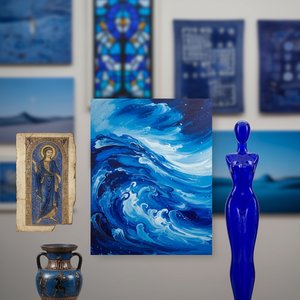
The Allure of Azure: Exploring the Symbolic & Aesthetic Depths of Blue in Art History
Explore the rich history of blue in art! Discover its symbolism, from ancient pigments to modern masterpieces by Kandinsky & Seurat. Uncover the psychological impact and cultural meanings behind this captivating hue.

The Enduring Power of Painting: A Historical & Contemporary Exploration of Form and Emotion
Explore the rich history & enduring techniques of oil painting with OriginalUniqueArt. Discover masterpieces, learn about art collecting, and find authentic handmade reproductions crafted by skilled artists.


