

 In echtem Maßstab anzeigen
 Versenden als Grußkarte
 Teilen
 Details anzeigen
 Leitfaden öffnen

 Herunterladen
 Ähnliche Objekte
 Röntgenaufnahme
 Diashow
 Besucherstatistiken
Shield with Gorgon


 Mehr anzeigen
Giclée / Kunstdruck
Giclée- oder Leinwanddruck in Museumsqualität mit schneller Produktion und flexiblen Veredelungsoptionen. ( Handgemalte Reproduktion kaufen Zum digitalen Bild wechseln)




P118B €10

P118H €10

P118W €10

P438Z €10

P508JH €12

P508YH €12

P805H €10

P805Z €10

P919BZ €10

P919G €10

P919XJ €10

P959ZH €10

P968JZ €12

W106C €8

W218G €10

W218JH €8

W218Y €10

W307PJ €10

W316G €10

W316PJ €8

W316Y €10

W398PJ €8

W4111J €10

W500HY €15

W500JH €15

W692G €12

W849H €8

W940BG €15

W953PJ €8




Wählen Sie aus unseren vordefinierten Formaten, die den ursprünglichen Proportionen des Kunstwerks entsprechen.

Geben Sie die Breite und die Höhe an, die Sie benötigen, damit der Druck perfekt in Ihren Rahmen oder an Ihre Wand passt. Ein Druck kann nur beschnitten werden und niemals größer als das Originalbild gemacht werden; daher verliert ein Format mit einer anderen Proportion einen Teil des Bildes. Wir senden Ihnen ein digitales Mockup zur Freigabe, bevor wir den Druck ausführen. Das auf dieser Seite gezeigte Bild zeigt nicht den tatsächlichen Beschnitt – dies ist nur im Mockup ersichtlich.
Weltweiter Versand () innerhalb von 2 Wochen statt der üblichen 4/5 Wochen. (22 Oktober)

Kostenloser weltweiter Expressversand

Hochwertige Leinenleinwand

Vollständiger Versicherungsschutz beim Versand

Zollgebühren-Rückerstattungsgarantie

Garantie für exakte Farbtreue

100-tägiges Rückgaberecht (nur bei Mängeln)

100% Geld-zurück-Garantie

Angebot für Mengenrabatt
 Die Glasoption ist nur für Größen unter 110 cm verfügbar.

Shield with Gorgon
Giclée / Kunstdruck
Format der Reproduktion
-


Gesamtpreis
€ 70
Shield with Gorgon – A Meditation on Mortality and Ancient Myth
The sculpture “Shield with Gorgon’s Head,” created by Arnold Böcklin in 1897, stands as a haunting testament to the artist's fascination with Greco-Roman mythology and his profound contemplation of death. Exhibited prominently at the Musée d’Orsay in Paris, this piece transcends mere representation; it invites viewers into a realm of psychological exploration where beauty intertwines with unsettling truths. Böcklin, deeply influenced by Nietzschean philosophy – specifically the concept of eternal recurrence – sought to capture not just an image but an experience, mirroring the cyclical nature of existence and confronting us with our inevitable demise.Style and Technique: Symbolist Precision
Böcklin’s style aligns perfectly with the tenets of Symbolism, a movement that rejected realism in favor of conveying emotions and ideas through suggestive imagery rather than literal depiction. Unlike Impressionists who aimed to capture fleeting moments of light and color, Böcklin meticulously crafted his sculpture using a technique rooted in meticulous observation and symbolic distillation. The artist employed a combination of modeling clay and bronze casting – a process demanding considerable skill and patience – to achieve an astonishing level of detail. Notice the subtle gradations of tone within the Gorgon’s head; these aren't merely aesthetic choices but deliberate efforts to convey texture and depth, mirroring the complexities of human emotion. The smooth surface contrasts sharply with the rough contours of the snake’s coils, creating a visual dialogue that underscores the sculpture’s thematic concerns.Historical Context: Nietzschean Echoes and Late Romantic Sentiment
Böcklin's artistic output flourished during the waning years of the Romantic era, a period characterized by an obsession with emotion, imagination, and the sublime—experiences perceived as exceeding human comprehension yet simultaneously elevating the soul. However, Böcklin’s vision extended beyond traditional Romantic tropes; he actively engaged with the burgeoning intellectual currents of his time, particularly Nietzsche's proclamation that “God is dead.” This existential crisis fueled Böcklin’s exploration of themes like nihilism and mortality—concepts central to both Nietzschean thought and Symbolist art. The sculpture reflects a broader cultural preoccupation with confronting death not as an end but as a transformative stage in the cosmic cycle, mirroring Nietzsche's assertion that life itself is an affirmation of eternal recurrence.Symbolism Unleashed: Gorgon’s Head – Terror and Transformation
The Gorgon Medusa represents more than just monstrous horror; she embodies the terrifying power of transformation—a concept inextricably linked to Böcklin’s Symbolist worldview. According to Greek mythology, Medusa possessed snakes for hair that turned anyone who gazed upon them into stone. This image served as a potent symbol of inescapable fate and the destructive force of repressed emotions. The sculptor skillfully captures this duality: the Gorgon's gaze exudes palpable terror, yet simultaneously hints at an underlying process of metamorphosis—a suggestion that confronting death can lead to profound spiritual renewal. Böcklin’s deliberate use of serpentine coils reinforces this symbolism, representing both constriction and liberation – mirroring the artist’s own preoccupation with reconciling beauty and darkness.Emotional Impact: A Confrontation With Eternity
Ultimately, “Shield with Gorgon’s Head” compels viewers to confront their own mortality—to grapple with the inescapable reality that life is finite yet perpetually reborn. The sculpture's unsettling stillness invites contemplation, prompting us to consider our place within the grand scheme of cosmic time. Böcklin doesn’t offer comfort or reassurance; instead, he presents a stark portrait of existence stripped bare – confronting us with the beauty and terror inherent in accepting death as an inevitable component of life’s eternal dance. It is precisely this unflinching gaze—this refusal to shy away from uncomfortable truths—that secures “Shield with Gorgon’s Head”'s enduring power as a masterpiece of Symbolist art and a timeless meditation on the human condition.Fragen & Antworten
Ist "Shield with Gorgon" eines der beliebtesten Werke von Arnold Böcklin?
"Shield with Gorgon" wird als Ikonisch eingestuft.
Welche emotionale Stimmung begleitet den Stil der Symbolist Romanticism-Epoche in „Shield with Gorgon“?
Innerhalb der Symbolist Romanticism-Strömung ist „Shield with Gorgon“ mit einem Melancholisch Ton festgehalten.
Gibt es ein Factsheet zu "Shield with Gorgon" von Arnold Böcklin für Studierende?
Eine Leitfaden-Seite ist für "Shield with Gorgon" von Arnold Böcklin verfügbar: ein druckbares Infoblatt zum Kunstwerk, konzipiert für Schüler und den Einsatz im Unterricht.
Biografie des Künstlers
Frühe Jahre und Ausbildung
Arnold Böcklin, ein Schweizer Symbolistischer Maler, wurde am 16. Oktober 1827 in Basel geboren. Sein Vater, Christian Frederick Böcklin, stammte von einer alten Familie aus Schaffhausen und war im Seidenhandel tätig. Arnolds Mutter, Ursula Lippe, war ebenfalls eine Bürgerin derselben Stadt. Er studierte an der Akademie Düsseldorf unter Schirmer und freundete sich mit Anselm Feuerbach an. Böcklin wird der Düsseldorfer Malerschule zugerechnet.Künstlerische Laufbahn und Symbolismus
Böcklins künstlerischer Weg führte ihn durch verschiedene Städte, darunter Paris, wo er im Louvre arbeitete, und Rom, wo er von den dortigen Sehenswürdigkeiten beeinflusst wurde. Seine Werke zeigten oft allegorische und mythologische Figuren in Umgebungen mit klassischer Architektur und erkundeten Themen wie Tod und Sterblichkeit.- Großer Park, eines seiner frühesten Werke, stellte die antike Mythologie dar.
- Nymphe und Satyr (1858) und Sappho (1859) waren bemerkenswerte Arbeiten aus dieser Zeit.
- Böcklins Selbstbildnis mit dem Tod, der eine Geige spielt (1872), verdeutlichte seinen einzigartigen Stil.
Entwicklung und Einfluss
Böcklin entwickelte einen unverwechselbaren Stil, der sich durch düstere Landschaften, melancholische Stimmungen und die Darstellung von mythologischen Motiven auszeichnete. Er war ein wichtiger Vertreter des Symbolismus in der Kunst. Sein Werk beeinflusste jüngere Künstler wie Hans Thoma und inspirierte mehrere spätromantische Komponisten. Clement Greenberg beschrieb Böcklins Arbeit als „eine der vollkommensten Ausdrucksformen ihrer Zeit“. Böcklins Stil überschnitt sich mit den Präraffaeliten, wobei er die Welt der Träume und Mystik betonte.Hauptwerke und Vermächtnis
Böcklin ist vor allem für seine fünf Versionen der Insel der Toten (1880-1886) bekannt, die den englischen Friedhof in Florenz widerspiegelten, wo seine Tochter begraben war. Diese Werke sind ikonische Beispiele des Symbolismus und verkörpern Themen von Tod, Vergänglichkeit und Melancholie. Die Insel der Toten wurde zu einem seiner berühmtesten und am häufigsten reproduzierten Bilder.Museen und Sammlungen
Böcklins Werk ist in verschiedenen Museen zu finden, darunter:- Öffentliche Kunstsammlung (Basel, Schweiz)
- Kunstmuseum Basel (Schweiz)
- Museum Kunsthaus Zürich (Zürich, Schweiz)
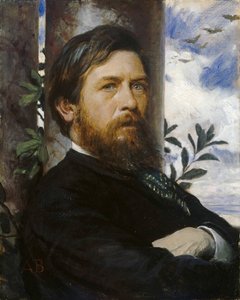
Arnold Böcklin
1827 - 1901 , Schweiz
Eckdaten zum Künstler
- Bemerkenswerte Werke:
- Großer Park
- Nymphe und Satyr
- Sappho
- Insel der Toten
- Geburtsdatum: 16. Oktober 1827
- Geburtsort (Stadt, Land): Basel, Schweiz
- Künstler Oder Bewegungen, Die Von Diesem Künstler Beeinflusst Wurden: ['Hans Thoma']
- Künstler, Die Diesen Künstler Beeinflussten: ['Anselm Feuerbach']
- Künstlerische Bewegung/Stil: Symbolismus
- Nationalität: Schweizerisch
- Sterbedatum: 16. Januar 1901
- Vollständiger Name: Arnold Böcklin
Verwandte Artikel

Theatricality & Triumph: Baroque Drama in Painting & Sculpture
Explore the dramatic world of Baroque art! Discover its history, defining characteristics, & lasting influence on painting & sculpture. Expert insights into Caravaggio, Zurbarán, and Bernini – plus high-quality reproductions at OriginalUniqueArt.

The Enduring Form: Exploring Themes & Techniques in Sculpture Across Historical Periods
Explore the rich history of sculpture from ancient masterpieces to contemporary innovations. Discover key techniques, influential artists & investment potential for discerning art collectors.

Bronze-Meisterwerke: Die 10 Skulpturen, die Kunstgeschichte schrieben | OriginalUniqueArt
Entdecken Sie die 10 legendärsten Bronze Skulpturen der Kunstgeschichte! Von Michelangelo bis Rodin – erfahren Sie die Geschichten hinter den Meisterwerken und lassen Sie sich von Wanddeko-Ideen inspirieren. Hochwertige Kunstdrucke auf OriginalUniqueArt.com.

The Enduring Form: Sculpture Across History, Technique & Emotional Resonance
Explore the rich history of sculpture with OriginalUniqueArt. Discover key techniques, influential artists & investment potential for discerning collectors. Expert insights into valuing and collecting timeless masterpieces.

Die 10 legendärsten Bronzestatuen: Meisterwerke, die Kunstgeschichte schrieben | OriginalUniqueArt
Entdecken Sie die 10 legendärsten Bronzestatuen der Kunstgeschichte! Von Rodin bis Michelangelo – erfahren Sie die Geschichten hinter ikonischen Skulpturen und finden Sie hochwertige Reproduktionen für Ihr Zuhause. Jetzt bei OriginalUniqueArt entdecken!


