

 In echtem Maßstab anzeigen
 Versenden als Grußkarte
 Teilen
 Details anzeigen
 Leitfaden öffnen

 Herunterladen
 Ähnliche Objekte
 Röntgenaufnahme
 Diashow
 Besucherstatistiken
Centaur at the Village Blacksmith's Shop
 Oil On Canvas
- WallArt
- Symbolist Painting
 1888
1888- 19th Century
 100.0 x 80.0 cm
 Museum of Fine Arts (Budapest)
 Mehr anzeigen
Handgefertigte Ölreproduktion
Handgemaltes Ölgemälde auf Leinwand in Ihrer Wunschgröße und mit Rahmen, auf Bestellung von unseren Künstlern angefertigt. ( Zum Druck wechseln Zum digitalen Bild wechseln)




P118B $10

P118H $10

P118W $10

P438Z $10

P508JH $12

P508YH $12

P805H $10

P805Z $10

P919BZ $10

P919G $10

P919XJ $10

P959ZH $10

P968JZ $12

W106C $8

W218G $10

W218JH $8

W218Y $10

W307PJ $10

W316G $10

W316PJ $8

W316Y $10

W398PJ $8

W4111J $10

W500HY $15

W500JH $15

W692G $12

W849H $8

W940BG $15

W953PJ $8




Wählen Sie aus unseren vordefinierten Formaten, die den ursprünglichen Proportionen des Kunstwerks entsprechen.

Sie können Ihre eigenen Maße eingeben, um einen bestimmten Rahmen oder Platz auszufüllen. Wenn die gewählte Größe nicht den Proportionen des Originalbildes entspricht, werden wir das Kunstwerk entweder beschneiden oder das Gemälde durch zusätzliche, handgemalte Elemente erweitern. Ein digitales Mockup wird Ihnen zur Genehmigung zugesandt, bevor die Produktion beginnt.
Bitte beachten Sie, dass die Bildschirmvorschau nicht die tatsächliche Beschneidung oder Erweiterung widerspiegelt. Nur das Mockup zeigt die endgültige Komposition exakt an.
Obwohl Sondermaße verfügbar sind, empfehlen wir, eine Größe aus der vordefinierten Liste zu wählen, um die ursprünglichen Proportionen beizubehalten.
Nach der Bestellung wird das OriginalUniqueArt.com-Team dem Kunden Anweisungen per E-Mail zusenden und eine Mockup-Vorschau bereitstellen.
Weltweiter Versand () in nur 3 bis 4 Wochen statt der üblichen 5 Wochen. (25 September). Keine Kompromisse bei der Qualität.

Kostenloser weltweiter Expressversand

Hochwertige Leinenleinwand

Vollständiger Versicherungsschutz beim Versand

Zollgebühren-Rückerstattungsgarantie

Garantie für exakte Farbtreue

100-tägiges Rückgaberecht (nur bei Mängeln)

100% Geld-zurück-Garantie

Angebot für Mengenrabatt
 Die Glasoption ist nur für Größen unter 110 cm verfügbar.

Centaur at the Village Blacksmith's Shop
Reproduktionsmedium
Format der Reproduktion
-


Gesamtpreis
$ 300
A Moment Frozen in Mythic Time
In the quietude of Arnold Böcklin’s 1888 masterpiece, “Centaur at the Village Blacksmith's Shop,” the boundaries between the mundane and the miraculous dissolve into a single, haunting tableau. As a cornerstone of the Symbolist movement, this work transcends mere representation to explore the profound psychological depths of the human condition. The scene presents a striking juxtaposition: the rhythmic, grounded labor of a village blacksmith’s forge set against the presence of a solitary centaur. This half-man, half-horse figure, engaged in the seemingly ordinary task of shoeing a horse, introduces an unsettling tension into the rural tranquility. Böcklin masterfully uses a palette of muted browns, greys, and earthy tones to create an atmosphere of palpable stillness, inviting the viewer to step into a world where the echoes of classical antiquity still resonate within the heart of modern civilization.
The technical brilliance of the piece lies in Böcklin’s command of chiaroscuro, the dramatic interplay between light and shadow that breathes life into the textures of the blacksmith's shop. Every detail—from the solidity of the forge to the heavy, weathered tools—is rendered with a meticulousness that emphasizes the permanence of human industry. Yet, this stability is interrupted by the centaur’s gaze, which pierces through the canvas to meet the viewer directly. This connection is laden with melancholy, hinting at a hidden narrative of lost innocence and the struggle between primal instinct and civilized intellect. For the discerning collector or interior designer, the painting offers more than just visual beauty; it provides a window into the duality of existence, making it a profound focal point for any space dedicated to contemplation and intellectual depth.
Symbolism and the Echoes of Antiquity
To gaze upon this artwork is to engage in a dialogue with the very essence of myth. Böcklin draws heavily from classical mythology to weave a complex tapestry of meaning, utilizing the centaur as a potent symbol of untamed nature and raw, instinctual knowledge. In the context of the blacksmith's shop—a symbol of human reason, artistry, and the established order—the centaur represents the enduring power of our primal origins that refuses to be fully tamed by progress. This tension between the wild and the civilized is what gives the painting its enduring emotional resonance.
For those seeking to infuse their homes with art that tells a story, this reproduction serves as an evocative piece of decor. It captures a sense of nostalgia for a perceived era of simplicity while simultaneously challenging the viewer with its mythological complexity. Whether placed in a grand library or a quiet study, the painting’s ability to evoke both peace and profound inquiry makes it an incomparable addition to a curated collection. It is not merely a depiction of a scene, but an invitation to explore the complexities of our own nature through the lens of a master who understood the silent language of symbols.
Biografie des Künstlers
Frühe Jahre und Ausbildung
Arnold Böcklin, ein Schweizer Symbolistischer Maler, wurde am 16. Oktober 1827 in Basel geboren. Sein Vater, Christian Frederick Böcklin, stammte von einer alten Familie aus Schaffhausen und war im Seidenhandel tätig. Arnolds Mutter, Ursula Lippe, war ebenfalls eine Bürgerin derselben Stadt. Er studierte an der Akademie Düsseldorf unter Schirmer und freundete sich mit Anselm Feuerbach an. Böcklin wird der Düsseldorfer Malerschule zugerechnet.Künstlerische Laufbahn und Symbolismus
Böcklins künstlerischer Weg führte ihn durch verschiedene Städte, darunter Paris, wo er im Louvre arbeitete, und Rom, wo er von den dortigen Sehenswürdigkeiten beeinflusst wurde. Seine Werke zeigten oft allegorische und mythologische Figuren in Umgebungen mit klassischer Architektur und erkundeten Themen wie Tod und Sterblichkeit.- Großer Park, eines seiner frühesten Werke, stellte die antike Mythologie dar.
- Nymphe und Satyr (1858) und Sappho (1859) waren bemerkenswerte Arbeiten aus dieser Zeit.
- Böcklins Selbstbildnis mit dem Tod, der eine Geige spielt (1872), verdeutlichte seinen einzigartigen Stil.
Entwicklung und Einfluss
Böcklin entwickelte einen unverwechselbaren Stil, der sich durch düstere Landschaften, melancholische Stimmungen und die Darstellung von mythologischen Motiven auszeichnete. Er war ein wichtiger Vertreter des Symbolismus in der Kunst. Sein Werk beeinflusste jüngere Künstler wie Hans Thoma und inspirierte mehrere spätromantische Komponisten. Clement Greenberg beschrieb Böcklins Arbeit als „eine der vollkommensten Ausdrucksformen ihrer Zeit“. Böcklins Stil überschnitt sich mit den Präraffaeliten, wobei er die Welt der Träume und Mystik betonte.Hauptwerke und Vermächtnis
Böcklin ist vor allem für seine fünf Versionen der Insel der Toten (1880-1886) bekannt, die den englischen Friedhof in Florenz widerspiegelten, wo seine Tochter begraben war. Diese Werke sind ikonische Beispiele des Symbolismus und verkörpern Themen von Tod, Vergänglichkeit und Melancholie. Die Insel der Toten wurde zu einem seiner berühmtesten und am häufigsten reproduzierten Bilder.Museen und Sammlungen
Böcklins Werk ist in verschiedenen Museen zu finden, darunter:- Öffentliche Kunstsammlung (Basel, Schweiz)
- Kunstmuseum Basel (Schweiz)
- Museum Kunsthaus Zürich (Zürich, Schweiz)
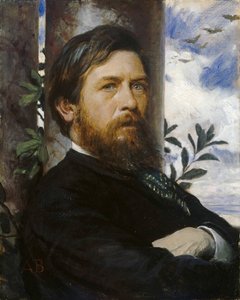
Arnold Böcklin
1827 - 1901 , Schweiz
Eckdaten zum Künstler
- Bemerkenswerte Werke:
- Großer Park
- Nymphe und Satyr
- Sappho
- Insel der Toten
- Geburtsdatum: 16. Oktober 1827
- Geburtsort (Stadt, Land): Basel, Schweiz
- Künstler Oder Bewegungen, Die Von Diesem Künstler Beeinflusst Wurden: ['Hans Thoma']
- Künstler, Die Diesen Künstler Beeinflussten: ['Anselm Feuerbach']
- Künstlerische Bewegung/Stil: Symbolismus
- Nationalität: Schweizerisch
- Sterbedatum: 16. Januar 1901
- Vollständiger Name: Arnold Böcklin
Verwandte Artikel
Evoking Arcadia: A Historical & Aesthetic Exploration of Rural Landscape Art
Explore the rich history of pastoral landscape art, from classical Arcadia to Impressionism & beyond. Discover key artists, movements, and how to collect serene rural scenes for your home. Expert insights at OriginalUniqueArt.

Cultivating Visions: A Historical Journey Through Rural Landscapes in Art
Explore the rich history of rural landscape painting with OriginalUniqueArt. Discover Impressionist masterpieces, key artists & movements. Find your perfect serene artwork and bring nature's beauty home.

Evocations of Place: A Historical Journey Through Landscape Art
Explore the rich history of landscape art with OriginalUniqueArt. Discover renowned artists, movements like Impressionism & Romanticism, and expert guidance for collecting timeless pieces. Find your perfect serene escape today!

John Constable: Die 25 Meisterwerke des englischen Landschaftsgenies – OriginalUniqueArt
Entdecken Sie die 25 Meisterwerke von John Constable! Erleben Sie englische Landschaftsmalerei vom Hay Wain bis zur Stour Valley. Hochwertige Reproduktionen & Kunst für Ihr Zuhause auf OriginalUniqueArt.com.

Romantische Landschaften: Die 10 Meisterwerke, die eine Epoche prägten | OriginalUniqueArt
Entdecken Sie die 10 Meisterwerke der Romantischen Landschaftsmalerei! Von Caspar David Friedrich bis Turner – erleben Sie die Kunst, Emotion & Natur. Hochwertige Reproduktionen auf OriginalUniqueArt.com


