
 Vorschau anzeigen
 Versenden
 Teilen
 Details anzeigen

 Herunterladen
 Ähnliche Objekte
 Röntgenaufnahme
 Diashow
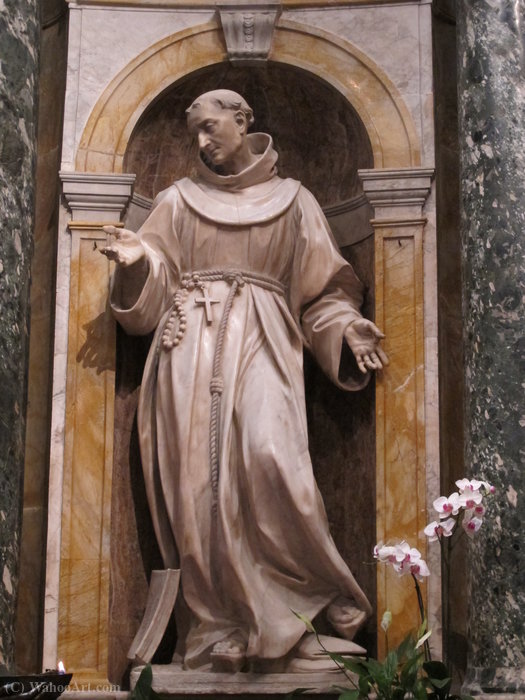
Untitled (625)

 Weiterlesen
Giclée / Kunstdruck
Giclée- oder Leinwanddruck in Museumsqualität mit schneller Produktion und flexiblen Veredelungsoptionen. ( Zur handgemalten Reproduktion wechseln Zum Bild wechseln)




P118B $10

P118H $10

P118W $10

P438Z $10

P508JH $12

P508YH $12

P805H $10

P805Z $10

P919BZ $10

P919G $10

P919XJ $10

P959ZH $10

P968JZ $12

W106C $8

W218G $10

W218JH $8

W218Y $10

W307PJ $10

W316G $10

W316PJ $8

W316Y $10

W398PJ $8

W4111J $10

W500HY $15

W500JH $15

W692G $12

W849H $8

W940BG $15

W953PJ $8




Wählen Sie aus unseren vordefinierten Formaten, die den ursprünglichen Proportionen des Kunstwerks entsprechen.

Sie können Ihre eigenen Maße eingeben, um ein bestimmtes Format oder einen speziellen Platz einzupassen. Wenn das von Ihnen gewählte Format nicht den Proportionen des Originalbildes entspricht, werden wir das Kunstwerk entweder beschneiden oder das Bild mit einem gespiegelten oder einfarbigen Rand erweitern. Ein digitaler Entwurf wird Ihnen zur Genehmigung zugesandt, bevor die Produktion beginnt.
Bitte beachten Sie, dass die Vorschau auf dem Bildschirm nicht den tatsächlichen Zuschnitt oder die Erweiterung widerspiegelt. Nur der Entwurf zeigt die endgültige Komposition präzise an.
Obwohl Sondermaße verfügbar sind, empfehlen wir die Auswahl eines Maßes aus der vordefinierten Liste, um die ursprünglichen Proportionen zu bewahren.
Weltweiter Versand () innerhalb von 2 Wochen statt der üblichen 4/5 Wochen. (7 August)

Kostenloser weltweiter Expressversand

Hochwertige Leinenleinwand

Umfassender Versicherungsschutz beim Versand

Zollgebühren-Rückerstattungsgarantie

Garantie für exakte Farbtreue

60 Tage Rückgaberecht (nur bei Mängeln)

100% Geld-zurück-Garantie

Mengenrabatt verfügbar
 Die Glasoption ist nur für Größen unter 110 cm verfügbar.

Untitled (625)
Giclée / Kunstdruck
Format der Reproduktion
-


Gesamtpreis
$ 80
Über den Künstler
Antonio Raggi: Sculptor of Baroque Grace
Antonio Raggi (1624 – 1686) stands as a testament to the artistic fervor of Rome during the Baroque period, firmly rooted in the mentorship of Gian Lorenzo Bernini. Born in Vico Morcote, Switzerland, Raggi’s journey into art began amidst the burgeoning humanist spirit of his homeland, yet he swiftly gravitated towards the grandeur and theatricality championed by Bernini – a partnership that would profoundly shape his artistic trajectory. Bernini's influence extended far beyond mere instruction; it instilled in Raggi a dedication to capturing emotion and dynamism within sculptural form. Unlike many sculptors of his time who favored idealized representations, Raggi embraced realism, meticulously studying anatomy and incorporating naturalistic details into his works. This approach is particularly evident in his celebrated sculptures, where figures appear caught in moments of intense action or profound contemplation—a stylistic hallmark that distinguishes him from contemporaries like Alessandro Algardi. Raggi’s artistic output spanned a remarkable range of projects, encompassing monumental architectural decorations, easel paintings, and numerous smaller commissions. However, he achieved enduring fame primarily through his contributions to the Piazza Navona complex in Rome, where he collaborated with Bernini on the Fountain of Four Rivers – a masterpiece of Baroque sculpture that embodies the period’s obsession with movement and illusion. The sculptural figures adorning the fountain are considered among the finest examples of Baroque artistry, demonstrating Raggi's mastery of technique and his ability to convey narrative complexity within a single composition. Perhaps Raggi’s most poignant achievement remains ‘Death of St. Cecilia,’ a stucco relief housed in Sant’Andrea della Valle Basilica. This emotionally charged depiction captures the saint’s final moments with breathtaking accuracy—the slumped posture, the outstretched hand reaching for solace, and the exquisitely rendered drapery conveying grief and sorrow—all hallmarks of Bernini's influence. The sculpture is considered one of the pinnacles of Baroque art, lauded for its expressive power and its masterful execution. It exemplifies Raggi’s ability to transform marble into a vehicle for profound spiritual contemplation. Raggi continued his artistic endeavors until his death in 1686, leaving behind an impressive legacy that continues to inspire admiration. His sculptures stand as enduring symbols of Baroque elegance and emotional depth—a testament to the transformative power of mentorship and the unwavering pursuit of artistic excellence. He solidified Bernini’s reputation as a sculptor and cemented his place within the history of Italian art.
antonio raggi
1624 - 1686 , Switzerland
Kurzinfos
- Artistic Movement Or Style: Roman Baroque
- Artists Or Movements Influenced By This Artist: Neoclassical
- Artists Who Influenced This Artist: Bernini
- Date Of Birth: 1624
- Full Name: Antonio Raggi
- Nationality: Swiss
- Notable Artworks: ['Death of St. Cecilia']
- Place Of Birth: Vico Morcote, Switzerland
Ähnliche Artikel

The Golden Age Reforged: Dramatic Realism & Religious Zeal in Spanish Baroque Art
Explore the dramatic world of Spanish Baroque art! Discover masters like Zurbarán & the powerful influence of religious zeal on painting techniques – a guide for collectors and enthusiasts.

Antonio da Correggio: Illusionismus, Grazie und die Poetik der Renaissance-Malerei
Entdecken Sie das Werk von Antonio da Correggio – einem Meister der Renaissance! Erfahren Sie mehr über seine innovativen Techniken, Fresken und seinen Einfluss auf die Kunstgeschichte. Expertenanalyse & tiefe Einblicke.

The Enduring Allure of Marble in Art History: From Classical Sculpture to Modern Abstraction
Explore the captivating history of marble sculpture from ancient Greece to modern art. Discover renowned artists like Canova & Michelangelo, carving techniques, and investment insights at OriginalUniqueArt.

Die 10 legendärsten Bronzestatuen: Meisterwerke, die Kunstgeschichte schrieben | OriginalUniqueArt
Entdecken Sie die 10 legendärsten Bronzestatuen der Kunstgeschichte! Von Rodin bis Michelangelo – erfahren Sie die Geschichten hinter ikonischen Skulpturen und finden Sie hochwertige Reproduktionen für Ihr Zuhause. Jetzt bei OriginalUniqueArt entdecken!
Antonio Canova: Neoklassizistische Skulptur und die Suche nach emotionaler Vollendung
Entdecken Sie das Werk von Antonio Canova – Meister des Neoklassizismus! Erfahren Sie mehr über seine Skulpturen, Techniken und seinen bleibenden Einfluss auf die Kunstgeschichte. Hochwertige Reproduktionen bei OriginalUniqueArt.

