

 In echtem Maßstab anzeigen
 Versenden als Grußkarte
 Teilen
 Details anzeigen
 Leitfaden öffnen

 Herunterladen
 Ähnliche Objekte
 Röntgenaufnahme
 Diashow
 Besucherstatistiken
Ocelot with skull


 Mehr anzeigen
Die auf dieser Seite dargestellten Kunstwerke sind urheberrechtlich geschützt, was bedeutet, dass wir keine identische Reproduktion rechtmäßig erstellen oder verkaufen dürfen. Dieser Schutz wird durch internationale Abkommen wie die Berner Übereinkunft und durch nationale Gesetze, einschließlich derer, die von den ... festgelegt wurden US-Urheberrecht – Titel 17.
Diese Methode entspricht vollumfänglich den Urheberrechtsbestimmungen, da sie keine Kopie oder Vervielfältigung des geschützten Kunstwerks darstellt. Stattdessen handelt es sich um eine kreative Neuinterpretation – ein neues Gemälde, das vom Original inspiriert, aber nicht identisch mit ihm ist.
Giclée / Kunstdruck
Giclée- oder Leinwanddruck in Museumsqualität mit schneller Produktion und flexiblen Veredelungsoptionen. ( Handgemalte Reproduktion kaufen Zum digitalen Bild wechseln)




P118B €10

P118H €10

P118W €10

P438Z €10

P508JH €12

P508YH €12

P805H €10

P805Z €10

P919BZ €10

P919G €10

P919XJ €10

P959ZH €10

P968JZ €12

W106C €8

W218G €10

W218JH €8

W218Y €10

W307PJ €10

W316G €10

W316PJ €8

W316Y €10

W398PJ €8

W4111J €10

W500HY €15

W500JH €15

W692G €12

W849H €8

W940BG €15

W953PJ €8




Wählen Sie aus unseren vordefinierten Formaten, die den ursprünglichen Proportionen des Kunstwerks entsprechen.

Sie können Ihre eigenen Maße eingeben, um ein bestimmtes Format oder einen speziellen Platz einzupassen. Wenn das von Ihnen gewählte Format nicht den Proportionen des Originalbildes entspricht, werden wir das Kunstwerk entweder beschneiden oder das Bild mit einem gespiegelten oder einfarbigen Rand erweitern. Ein digitaler Entwurf wird Ihnen zur Genehmigung zugesandt, bevor die Produktion beginnt.
Bitte beachten Sie, dass die Vorschau auf dem Bildschirm nicht den tatsächlichen Zuschnitt oder die Erweiterung widerspiegelt. Nur der Entwurf zeigt die endgültige Komposition präzise an.
Obwohl Sondermaße verfügbar sind, empfehlen wir die Auswahl eines Maßes aus der vordefinierten Liste, um die ursprünglichen Proportionen zu bewahren.
Weltweiter Versand () innerhalb von 2 Wochen statt der üblichen 4/5 Wochen. (11 Oktober)

Kostenloser weltweiter Expressversand

Hochwertige Leinenleinwand

Vollständiger Versicherungsschutz beim Versand

Zollgebühren-Rückerstattungsgarantie

Garantie für exakte Farbtreue

100-tägiges Rückgaberecht (nur bei Mängeln)

100% Geld-zurück-Garantie

Angebot für Mengenrabatt
 Die Glasoption ist nur für Größen unter 110 cm verfügbar.

Ocelot with skull
Giclée / Kunstdruck
Format der Reproduktion
-


Gesamtpreis
€ 69
A Primal Encounter: The Vivid World of Antonio Laccabue
In the hauntingly beautiful masterpiece Ocelot with skull, created in 1933, we are transported into a realm where the boundaries between life and death blur beneath the canopy of a lush, emerald forest. This evocative work by the Swiss-born Italian master Antonio Laccabue—often celebrated under his more visceral name, Antonio Ligabui—serves as a profound window into the artist's unique psychological landscape. The painting captures a moment of intense, quiet drama: an ocelot, its spotted coat rendered with striking clarity, leans forward with a primal curiosity. Its head is bowed, sniffing at the remnants of what once was—two weathered skulls and a skeletal frame that rest upon the forest floor. It is a scene that vibrates with the tension of nature's eternal cycle, where the predator and the remains of the prey exist in a silent, sacred dialogue.
Laccabue’s technique is a testament to his status as one of the most significant naïve artists of the 20th century. Eschewing traditional academic constraints, he utilized oil painting to create textures that feel almost tactile. The vibrant greens of the background are not merely colors but layers of life, suggesting a dense, breathing thicket that envelops the viewer. His brushwork possesses an instinctive energy, capturing the sleekness of the ocelot's fur and the stark, bone-white contrast of the skulls. This stylistic approach creates a sense of "heightened realism," where the colors are more saturated and the emotions more raw than in reality, making the painting feel like a dream captured on canvas.
Symbolism and the Cycle of Existence
Beyond its visual splendor, Ocelot with skull is steeped in profound symbolism. The presence of the skulls amidst such vibrant life serves as a memento mori—a poignant reminder of mortality. Yet, in Laccabue's hands, death does not feel morbid or decaying; rather, it feels integrated into the natural order. The ocelot’s investigation of the bones suggests a continuity of existence, where the energy of the past nourishes the curiosity of the present. For collectors and art enthusiasts, this piece offers a deep intellectual resonance, inviting contemplation on the fleeting nature of life and the enduring strength of the natural world.
The emotional impact of the work is both unsettling and deeply tranquil. There is a stillness to the composition that commands attention, drawing the eye toward the interaction between the living creature and the skeletal remains. This duality makes the painting an extraordinary choice for interior design; it possesses the ability to serve as a sophisticated focal point in a room, adding a layer of storytelling and soulful depth to any space. Whether placed in a contemporary gallery setting or a classic study, this reproduction brings with it the untamed spirit of the wild and the quiet wisdom of the forest.
Fragen & Antworten
Wie finde ich Kunstwerke, die "Ocelot with skull" von Antonio Ligabue ähneln?
Kunstwerke, die "Ocelot with skull" von Antonio Ligabue ähneln, sind auf der Ähnliche Werke-Seite des Kunstwerks zusammengefasst.
Darf "Ocelot with skull" von Antonio Ligabue, das sich im Fondazione - Archivio Antonio Ligabue di Parma befindet, rechtmäßig reproduziert werden?
Das Original "Ocelot with skull" befindet sich im Fondazione - Archivio Antonio Ligabue di Parma, und das Werk ist noch urheberrechtlich geschützt.
Welchem Künstler wird "Ocelot with skull" zugeschrieben?
"Ocelot with skull" wurde von Antonio Ligabue geschaffen. Die Informationen auf dieser Seite beschreiben das Originalwerk von Antonio Ligabue.
Wie schafft "Ocelot with skull" das Gleichgewicht zwischen Hell und Dunkel?
"Ocelot with skull" weist eine Gesamthelligkeit von balanced auf, und die Luminanz beträgt Soft Shadow.
Aus welcher Epoche stammt "Ocelot with skull" von Antonio Ligabue?
"Ocelot with skull" stammt aus der Epoche der Modern.
Wie wirkt die Helligkeit von "Ocelot with skull" von Antonio Ligabue?
Die wahrgenommene Helligkeit von "Ocelot with skull" von Antonio Ligabue beträgt balanced. Sie lässt sich optimal an das Licht des vorgesehenen Raumes anpassen.
Wie kann ich einen Druck von "Ocelot with skull" von Antonio Ligabue erwerben?
Um einen Druck von "Ocelot with skull" von Antonio Ligabue zu erhalten, bestellen Sie ihn einfach auf diese Seite: ein Fine Art Print auf Baumwollkanvas oder Archiv-Leinwandpapier.
Sind die Farben von "Ocelot with skull" von Antonio Ligabue gesättigt oder gedämpft?
Die Farben von "Ocelot with skull" von Antonio Ligabue weisen eine Balanced Soft Sättigung auf. Die Sättigung beschreibt, wie lebhaft oder gedämpft die Farben sind.
Biografie des Künstlers
Early Life and Struggles
Antonio Ligabue, also known as Antonio Laccabue, was born in Zurich, Switzerland, on December 18, 1899. His formative years were profoundly shaped by tragedy; his mother and three brothers succumbed to food poisoning in 1913 – a devastating event that irrevocably altered the trajectory of his life. Consequently, he was forcibly expelled from Switzerland and subsequently admitted to a psychiatric clinic, experiences which undoubtedly instilled within him an enduring sensitivity to human suffering and fueled his artistic vision.Artistic Journey
Ligabue’s foray into painting commenced in 1920, where he received invaluable instruction from Renato Marino Mazzacurati, who championed the expressive potential of oil painting techniques. This mentorship proved instrumental in shaping his distinctive style – characterized by vibrant hues and meticulous depictions of animals and landscapes. His artwork embodies a remarkable fusion of realism and naive aesthetic principles, earning him recognition as one of Switzerland’s foremost representatives of naïve art during the 20th century. Mazzacurati's guidance instilled in Ligabue a profound appreciation for capturing raw emotion and conveying visual narratives with uncompromising honesty.Notable Works and Museums
Ligabue’s artistic legacy rests upon several iconic pieces that exemplify his singular approach to representation. Among these are “Eagles with Fox” (1944), a masterful illustration demonstrating his ability to harmonize meticulous detail with childlike spontaneity; "The Roar," which powerfully communicates the primal energy of wildlife; and “Self-Portrait with Dog” (1957), an introspective exploration of identity marked by subtle experimentation. These artworks are proudly displayed in prestigious institutions such as Kunsthaus Zürich, where visitors can immerse themselves in the breadth and depth of Ligabue’s oeuvre. The Kunsthaus Zürich houses a comprehensive collection showcasing his artistic evolution and cementing his place within Swiss art history.Influences and Artistic Style
Ligabue's distinctive style owes considerable debt to Expressionism, albeit filtered through the lens of naïve observation. Artists like Renato Marino Mazzacurati recognized and nurtured his talent for conveying emotion through color and form—a stylistic hallmark that distinguishes him from many contemporaries. His unwavering commitment to portraying animals with palpable vitality reflects a deep connection to the natural world and underscores his artistic conviction in capturing authentic human experience.Historical Significance
Antonio Ligabue stands as a pivotal figure in Swiss art history, representing a unique confluence of psychological insight and visual artistry. His contribution to naïve art transcends mere stylistic convention; it embodies a profound empathy for humanity’s vulnerability and resilience—themes that resonate powerfully across generations. He remains an enduring inspiration for artists striving to communicate emotion with uncompromising sincerity and unwavering conviction.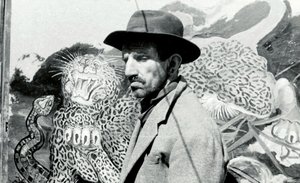
Antonio Ligabue
1899 - 1965 , Schweiz
Eckdaten zum Künstler
- Artistic Movement Or Style: Naive Art
- Artists Or Movements Influenced By This Artist: ['Expressionismus']
- Artists Who Influenced This Artist: ['Renato Marino Mazzacurati']
- Date Of Birth: Zurich, Schweiz (1899)
- Full Name: Antonio Ligabue
- Nationality: Schweizer
- Notable Artworks:
- Eulen mit Fuchs
- Der Sturm
- Selbstbildnis mit Hund
- Place Of Birth: Schweiz
Verwandte Artikel
Chromgrüne Meisterwerke: Die Top 10 berühmtesten Gemälde & ihre Geschichte |
Entdecken Sie die Top 10 berühmter Gemälde, dominiert von faszinierendem Chromgrün! Von Monet bis Van Gogh – erfahren Sie die Geschichten hinter den Meisterwerken und lassen Sie sich für Ihre Wohnraumgestaltung inspirieren. Kunstdrucke in Museumsqualiät auf
Verdant Visions: Exploring the Symbolism & Aesthetic Impact of Green in Art History
Explore the rich history & symbolism of green in art! Discover iconic paintings, techniques, and how to bring verdant harmony into your home with OriginalUniqueArt's expert guide.
Kadmiumgrün in der Meisterklasse: Die 10 berühmtesten Gemälde & ihre Geschichte |
Entdecken Sie die 10 berühmtesten Gemälde, dominiert von Kadmiumgrün! Von Monet bis Van Gogh – erleben Sie Kunstgeschichte und lassen Sie sich von Meisterwerken inspirieren. Hochwertige Reproduktionen auf .

Top 10 berühmte Gemälde in Meergrün – Kunst für Ihr Zuhause | OriginalUniqueArt.com
Entdecken Sie die Top 10 berühmter Gemälde in faszinierenden Meergrüntönen! Von Monet bis Renoir – erleben Sie Kunstgeschichte und lassen Sie sich von grünen Farbpaletten inspirieren. Kunstreproduktionen in Museumsqualiät auf OriginalUniqueArt.com.
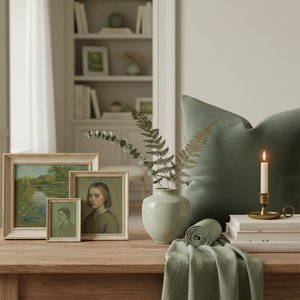
Sagegrüne Meisterwerke: Die Top 10 berühmtesten Gemälde & ihre Geschichte |
Entdecken Sie die Top 10 berühmter Gemälde, dominiert von faszinierendem Salbeigrün! Von Monet bis Renoir – erleben Sie Kunstgeschichte und lassen Sie sich von Meisterwerken inspirieren. Hochwertige Kunstreproduktionen auf