

 In echtem Maßstab anzeigen
 Versenden als Grußkarte
 Teilen
 Details anzeigen
 Leitfaden öffnen

 Herunterladen
 Ähnliche Objekte
 Röntgenaufnahme
 Diashow
 Besucherstatistiken
Lion
 Oil On Canvas
- WallArt
- Naïve Art
 1935
1935- Modern
 35.0 x 34.0 cm
 Fondazione - Archivio Antonio Ligabue di Parma
 Mehr anzeigen
Handgefertigte Ölreproduktion
Handgemaltes Ölgemälde auf Leinwand in Ihrer Wunschgröße und mit Rahmen, auf Bestellung von unseren Künstlern angefertigt. ( Zum Druck wechseln Zum digitalen Bild wechseln)




P118B $10

P118H $10

P118W $10

P438Z $10

P508JH $12

P508YH $12

P805H $10

P805Z $10

P919BZ $10

P919G $10

P919XJ $10

P959ZH $10

P968JZ $12

W106C $8

W218G $10

W218JH $8

W218Y $10

W307PJ $10

W316G $10

W316PJ $8

W316Y $10

W398PJ $8

W4111J $10

W500HY $15

W500JH $15

W692G $12

W849H $8

W940BG $15

W953PJ $8




Wählen Sie aus unseren vordefinierten Formaten, die den ursprünglichen Proportionen des Kunstwerks entsprechen.

Sie können Ihre eigenen Maße eingeben, um einen bestimmten Rahmen oder Platz auszufüllen. Wenn die gewählte Größe nicht den Proportionen des Originalbildes entspricht, werden wir das Kunstwerk entweder beschneiden oder das Gemälde durch zusätzliche, handgemalte Elemente erweitern. Ein digitales Mockup wird Ihnen zur Genehmigung zugesandt, bevor die Produktion beginnt.
Bitte beachten Sie, dass die Bildschirmvorschau nicht die tatsächliche Beschneidung oder Erweiterung widerspiegelt. Nur das Mockup zeigt die endgültige Komposition exakt an.
Obwohl Sondermaße verfügbar sind, empfehlen wir, eine Größe aus der vordefinierten Liste zu wählen, um die ursprünglichen Proportionen beizubehalten.
Nach der Bestellung wird das OriginalUniqueArt.com-Team dem Kunden Anweisungen per E-Mail zusenden und eine Mockup-Vorschau bereitstellen.
Weltweiter Versand () in nur 3 bis 4 Wochen statt der üblichen 5 Wochen. (26 September). Keine Kompromisse bei der Qualität.

Kostenloser weltweiter Expressversand

Hochwertige Leinenleinwand

Vollständiger Versicherungsschutz beim Versand

Zollgebühren-Rückerstattungsgarantie

Garantie für exakte Farbtreue

100-tägiges Rückgaberecht (nur bei Mängeln)

100% Geld-zurück-Garantie

Angebot für Mengenrabatt
 Die Glasoption ist nur für Größen unter 110 cm verfügbar.

Lion
Reproduktionsmedium
Format der Reproduktion
-


Gesamtpreis
$ 300
A Gaze from the Wild: The Soul of Antonio Laccabue’s Lion
In the quiet intensity of Antonio Laccabue’s 1935 masterpiece, Lion, we are invited into a moment of profound stillness. This evocative oil on canvas captures more than just a predator in repose; it captures a psychological depth rarely seen in the realm of naïve art. The lion sits nestled within the verdant textures of the grass, its head turned away from the viewer as if caught in a private moment of contemplation or perhaps alerted by a distant, unseen movement. There is an undeniable tension held within this stillness—a sense that the natural world is breathing alongside the observer. For collectors and decorators alike, this piece offers a window into a primal, undisturbed wilderness, making it a captivating focal point for any space seeking to evoke strength and tranquility.
The technique employed by Laccabue demonstrates a remarkable command over the medium of oil, even within his characteristic outsider style. The artist utilizes the inherent depth of oil paint to build layers of texture, allowing the blades of grass and the surrounding foliage to feel tactile and alive. This layering creates a lush, immersive environment where the subject does not merely sit upon the canvas but emerges from it. The interplay of light and shadow across the lion's mane and features provides a sculptural quality that lends weight to the animal’s presence. Such craftsmanship ensures that a high-quality reproduction retains the visceral, earthy essence of the original, offering a rich sensory experience for those who appreciate the nuances of fine art.
The Weight of History and Symbolism
Beyond its aesthetic beauty, the painting carries a heavy emotional resonance rooted in the artist's own turbulent biography. Born in Zurich and shaped by profound personal tragedies—including the devastating loss of his mother and brothers to food poisoning in 1913—Laccabue, often known as Antonio Ligabue, channeled his internal struggles into vivid, animalistic depictions. In this work, the lion serves as a powerful symbol of both majesty and solitude. It is a creature that embodies the duality of the artist's spirit: the fierce strength required to survive hardship and the quiet isolation of a soul often misunderstood by the world.
To gaze upon this lion is to confront a primal force, a biological manifestation of sovereignty that has transcended mere biology to become a profound cultural archetype. In the lexicon of art history, the lion serves as a silent yet thunderous herald of authority and courage. By placing this regal subject within a naturalistic, almost intimate setting, Laccabue bridges the gap between the mythic and the real, allowing the viewer to connect with the raw vitality of nature. For the discerning interior designer, integrating such a piece into a curated collection provides an opportunity to introduce narrative depth and a sense of timelessness to a room.
Biografie des Künstlers
Early Life and Struggles
Antonio Ligabue, also known as Antonio Laccabue, was born in Zurich, Switzerland, on December 18, 1899. His formative years were profoundly shaped by tragedy; his mother and three brothers succumbed to food poisoning in 1913 – a devastating event that irrevocably altered the trajectory of his life. Consequently, he was forcibly expelled from Switzerland and subsequently admitted to a psychiatric clinic, experiences which undoubtedly instilled within him an enduring sensitivity to human suffering and fueled his artistic vision.Artistic Journey
Ligabue’s foray into painting commenced in 1920, where he received invaluable instruction from Renato Marino Mazzacurati, who championed the expressive potential of oil painting techniques. This mentorship proved instrumental in shaping his distinctive style – characterized by vibrant hues and meticulous depictions of animals and landscapes. His artwork embodies a remarkable fusion of realism and naive aesthetic principles, earning him recognition as one of Switzerland’s foremost representatives of naïve art during the 20th century. Mazzacurati's guidance instilled in Ligabue a profound appreciation for capturing raw emotion and conveying visual narratives with uncompromising honesty.Notable Works and Museums
Ligabue’s artistic legacy rests upon several iconic pieces that exemplify his singular approach to representation. Among these are “Eagles with Fox” (1944), a masterful illustration demonstrating his ability to harmonize meticulous detail with childlike spontaneity; "The Roar," which powerfully communicates the primal energy of wildlife; and “Self-Portrait with Dog” (1957), an introspective exploration of identity marked by subtle experimentation. These artworks are proudly displayed in prestigious institutions such as Kunsthaus Zürich, where visitors can immerse themselves in the breadth and depth of Ligabue’s oeuvre. The Kunsthaus Zürich houses a comprehensive collection showcasing his artistic evolution and cementing his place within Swiss art history.Influences and Artistic Style
Ligabue's distinctive style owes considerable debt to Expressionism, albeit filtered through the lens of naïve observation. Artists like Renato Marino Mazzacurati recognized and nurtured his talent for conveying emotion through color and form—a stylistic hallmark that distinguishes him from many contemporaries. His unwavering commitment to portraying animals with palpable vitality reflects a deep connection to the natural world and underscores his artistic conviction in capturing authentic human experience.Historical Significance
Antonio Ligabue stands as a pivotal figure in Swiss art history, representing a unique confluence of psychological insight and visual artistry. His contribution to naïve art transcends mere stylistic convention; it embodies a profound empathy for humanity’s vulnerability and resilience—themes that resonate powerfully across generations. He remains an enduring inspiration for artists striving to communicate emotion with uncompromising sincerity and unwavering conviction.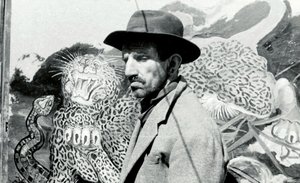
Antonio Ligabue
1899 - 1965 , Schweiz
Eckdaten zum Künstler
- Artistic Movement Or Style: Naive Art
- Artists Or Movements Influenced By This Artist: ['Expressionismus']
- Artists Who Influenced This Artist: ['Renato Marino Mazzacurati']
- Date Of Birth: Zurich, Schweiz (1899)
- Full Name: Antonio Ligabue
- Nationality: Schweizer
- Notable Artworks:
- Eulen mit Fuchs
- Der Sturm
- Selbstbildnis mit Hund
- Place Of Birth: Schweiz
Verwandte Artikel
Öl auf Leinwand: Die 10 Meisterwerke, die Kunst für immer veränderten |
Entdecken Sie die 10 legendärsten Öl auf Leinwand Meisterwerke! Von Van Gogh bis Monet – erfahren Sie die Geschichten hinter ikonischen Gemälden und lassen Sie sich von Kunstgeschichte inspirieren. Hochwertige Reproduktionen für Ihr Zuhause finden Sie auf .

Das bleibende Erbe der Ölmalerei: Technik, Geschichte und zeitgenössische Praxis
Entdecken Sie die faszinierende Geschichte der Ölmalerei – von den frühen Techniken bis zur modernen Kunst. Expertenwissen, detaillierte Analysen und Inspiration für Sammler & Kunstliebhaber.

The Enduring Legacy of Oil on Canvas: Technique, History & Aesthetic Impact
Explore the rich history & techniques of oil painting – from Renaissance masters to Impressionism. Discover pigments, layering methods, and why this timeless medium endures. Expert insights for artists & art enthusiasts.

Öl auf Leinwand: Eine historische und technische Erkundung eines zeitlosen künstlerischen Mediums
Entdecken Sie die faszinierende Welt der Ölmalerei! Von historischen Techniken bis zur modernen Anwendung – wir bieten Expertenwissen, Restaurierungstipps und hochwertige Reproduktionen. Jetzt informieren!
The Timeless Beauty of Oil on Canvas: A Masterclass in Texture, Impasto, and Artistic Mastery
Discover the profound allure of oil on canvas. Explore the mastery of impasto textures, the science of pigment longevity, and expert guides to selecting museum-quality reproductions that elevate your collection with timeless elegance and tactile depth.