

 In echtem Maßstab anzeigen
 Versenden als Grußkarte
 Teilen
 Details anzeigen
 Leitfaden öffnen

 Herunterladen
 Ähnliche Objekte
 Röntgenaufnahme
 Diashow
 Besucherstatistiken
Still Life
 Oil On Canvas
- WallArt
- Fauvism
 17.0 x 34.0 cm
 Fitzwilliam-Museum
 Mehr anzeigen
Giclée / Kunstdruck
Giclée- oder Leinwanddruck in Museumsqualität mit schneller Produktion und flexiblen Veredelungsoptionen. ( Handgemalte Reproduktion kaufen Zum digitalen Bild wechseln)




P118B €10

P118H €10

P118W €10

P438Z €10

P508JH €12

P508YH €12

P805H €10

P805Z €10

P919BZ €10

P919G €10

P919XJ €10

P959ZH €10

P968JZ €12

W106C €8

W218G €10

W218JH €8

W218Y €10

W307PJ €10

W316G €10

W316PJ €8

W316Y €10

W398PJ €8

W4111J €10

W500HY €15

W500JH €15

W692G €12

W849H €8

W940BG €15

W953PJ €8




Wählen Sie aus unseren vordefinierten Formaten, die den ursprünglichen Proportionen des Kunstwerks entsprechen.

Sie können Ihre eigenen Maße eingeben, um ein bestimmtes Format oder einen speziellen Platz einzupassen. Wenn das von Ihnen gewählte Format nicht den Proportionen des Originalbildes entspricht, werden wir das Kunstwerk entweder beschneiden oder das Bild mit einem gespiegelten oder einfarbigen Rand erweitern. Ein digitaler Entwurf wird Ihnen zur Genehmigung zugesandt, bevor die Produktion beginnt.
Bitte beachten Sie, dass die Vorschau auf dem Bildschirm nicht den tatsächlichen Zuschnitt oder die Erweiterung widerspiegelt. Nur der Entwurf zeigt die endgültige Komposition präzise an.
Obwohl Sondermaße verfügbar sind, empfehlen wir die Auswahl eines Maßes aus der vordefinierten Liste, um die ursprünglichen Proportionen zu bewahren.
Weltweiter Versand () innerhalb von 2 Wochen statt der üblichen 4/5 Wochen. (13 Oktober)

Kostenloser weltweiter Expressversand

Hochwertige Leinenleinwand

Vollständiger Versicherungsschutz beim Versand

Zollgebühren-Rückerstattungsgarantie

Garantie für exakte Farbtreue

100-tägiges Rückgaberecht (nur bei Mängeln)

100% Geld-zurück-Garantie

Angebot für Mengenrabatt
 Die Glasoption ist nur für Größen unter 110 cm verfügbar.

Still Life
Giclée / Kunstdruck
Format der Reproduktion
-


Gesamtpreis
€ 69
André Derain’s Still Life: A Fragment of Abundance
André Derain's "Still Life," painted between 1921 and 1922, isn’t merely a depiction of fruit and vegetables; it’s a carefully constructed meditation on the transient beauty of everyday objects and the quiet dignity of domesticity. This work, now residing within the Art Gallery of New South Wales' collection, offers a fascinating glimpse into the artist’s evolving style – a deliberate shift away from the vibrant, almost aggressively colorful Fauvism that defined his earlier career and towards a more restrained, classically-influenced aesthetic.
The scene itself is deceptively simple: a bowl overflowing with olives and a solitary green pepper rest upon a pristine white plate. Yet, within this apparent stillness lies a remarkable dynamism. Derain’s brushstrokes are not smooth or polished; instead, they possess a palpable energy, building up layers of paint to create a textured surface that seems to shimmer in the light. The composition is dominated by the oval form of the plate, acting as a central anchor and drawing the eye inward. Notice how he utilizes broken lines and fragmented forms – echoes of Cubism but tempered with a sensitivity to color and shape reminiscent of his earlier Fauvist period.
The Echoes of Tradition and Modernity
To fully appreciate “Still Life,” it’s crucial to understand Derain's artistic journey. Following the explosive success of Fauvism, he embarked on a period of intense self-reflection, seeking inspiration in the art of the Renaissance masters – particularly Jan van Eyck and Hieronymus Bosch. This exploration led him to a renewed interest in order, harmony, and detachment, qualities he sought to embody in his later works. The muted palette—a blend of greys, browns, and subtle greens—reflects this shift away from the bold, unrestrained colors of his Fauvist phase.
However, Derain never abandoned his inherent expressive tendencies entirely. The painting retains a certain emotional resonance, a quiet intensity conveyed through the deliberate manipulation of color and texture. The olive’s dark hue, contrasted against the bright green pepper, creates a subtle tension, hinting at both abundance and decay – a poignant reminder of the fleeting nature of beauty. This duality is characteristic of Derain's work throughout his career: a constant negotiation between tradition and innovation, restraint and expression.
Symbolism and the Language of Still Life
Like many still life paintings of its era, “Still Life” carries layers of symbolic meaning. The arrangement of objects – the bowl, the plate, the fruit – can be interpreted as a visual representation of nourishment, abundance, and the cycle of seasons. The presence of olives, often associated with peace and prosperity, further reinforces this theme. Moreover, the painting’s composition subtly alludes to the tradition of *vanitas* paintings, which traditionally included objects representing mortality and the transience of earthly pleasures. The simple arrangement, devoid of overt religious iconography, suggests a more secular reflection on these themes – a quiet contemplation of life's ephemeral nature.
A Masterpiece in Reproduction
André Derain’s “Still Life” is a testament to the enduring power of seemingly simple subjects. Its evocative brushwork, subtle color palette, and layered symbolism continue to captivate viewers today. When considering a high-quality reproduction, it's important to select one that accurately captures the painting’s textural richness and nuanced tonal variations. The interplay of light and shadow, so skillfully rendered by Derain, is particularly crucial – ensuring that the reproduction conveys the same sense of depth and atmosphere as the original.
Whether displayed in a formal gallery setting or incorporated into a personal interior design scheme, “Still Life” offers a timeless reminder of beauty’s fleeting nature and the enduring appeal of everyday objects. It is a work that invites contemplation, sparking a dialogue between the viewer and the artist's profound understanding of light, color, and the human condition.
Fragen & Antworten
Für welchen Raum wird "Still Life" von André Derain empfohlen?
Eine Reproduktion von „Still Life“ passt hervorragend in ein Living Room.
Verwendet "Still Life" von André Derain starke Kontraste oder sanfte Harmonien?
Die Farbanalyse von "Still Life" von André Derain zeigt einen Bold Kontrast und eine Balanced Harmony Harmonie auf.
Wer hat "Still Life" erschaffen?
Der Künstler hinter „Still Life“ ist André Derain. Das Werk ist unter dem Namen von André Derain katalogisiert.
Wo kann ich eine digitale Abbildung von "Still Life" von André Derain kaufen?
"Still Life" ist als ein hochauflösender digitaler Bild-Download erhältlich, direkt über diese Seite zu erwerben.
Welche Atmosphäre würde eine Reproduktion von "Still Life" von André Derain in einen Raum bringen?
Mit seiner Calm Stimmung wird „Still Life“ für ein Living Room empfohlen.
Ist André Derain, der Schöpfer von „Still Life“, unter anderen Namen bekannt?
André Derain erscheint unter den Alternativnamen Andre Derain.
Welche Proportionen hat "Still Life" von André Derain und wie groß ist es?
"Still Life" von André Derain ist eine Komposition im Format Panoramic, die im Original die Maße 17 x 34 cm aufweist.
Wie sind die Maße des Originalwerks "Still Life" von André Derain?
Das Originalwerk "Still Life" von André Derain hat die Maße 17 x 34 cm.
Biografie des Künstlers
Frühe Jahre und Ausbildung
- Geburt und Familie: André Derain wurde am 10. Juni 1880 in Chatou, Yvelines, Île-de-France, unweit von Paris geboren.
- Unabhängiges Studium: Im Gegensatz zu einigen Darstellungen begann Derain bereits 1895 mit dem Malen, bevor er Vlaminck oder Matisse kennenlernte. Er besuchte gelegentlich die Landschaft mit Vater Jacomin und seinen Söhnen.
- Formale Ausbildung: 1898 studierte er Ingenieurwesen an der Académie Camillo, wo er Henri Matisse kennenlernte und später bei Eugène Carrière Malereiunterricht erhielt.
- Aufgabe des Ingenieurwesens: Nach dem Militärdienst (1901-1904) wurde Derain von Matisse davon überzeugt, seine Ingenieurslaufbahn aufzugeben und sich ganz der Malerei zu widmen. Anschließend besuchte er die Académie Julian.
Fauvismus und frühe künstlerische Entwicklung
- Zusammenarbeit mit Matisse: Derain arbeitete eng mit Henri Matisse zusammen, insbesondere im Sommer 1905 in Collioure, was zu Werken wie "Berge von Collioure" führte.
- Salon d'Automne (1905): Ihre Ausstellung im Salon d'Automne war ein entscheidender Moment, der dazu führte, dass der Kritiker Louis Vauxcelles die Künstler als "Les Fauves" ("die Wilden") bezeichnete aufgrund ihrer kühnen und unkonventionellen Farbgebung.
- Londoner Gemälde: Im Jahr 1906 schickte ihn Ambroise Vollard nach London, wo er eine Reihe von Gemälden anfertigte, die die Stadt auf neuartige Weise darstellten, wobei der Schwerpunkt auf der Themse und der Tower Bridge lag. Diese Werke gelten als einige seiner bedeutendsten.
- Einflüsse & Stil: Frühe fauvistische Arbeiten zeichnen sich durch intensive, unnatürliche Farben und ausdrucksstarke Pinselstriche aus. Derain wurde von Künstlern wie Van Gogh und Cézanne beeinflusst.
Entwicklung des Stils und spätere Werke
- Verschiebung hin zum Klassizismus: Nach 1907 begann sich Derains Stil zu wandeln, weg von der rein fauvistischen Farbpalette hin zu gedämpfteren Tönen und einem größeren Fokus auf die Form. Diese Periode (1911-1914) wird manchmal als seine "gotische" Phase bezeichnet.
- Einfluss des Kubismus & alter Meister: Derains Arbeit in dieser Zeit spiegelte sein Studium der alten Meister wider und integrierte Elemente des Kubismus sowie ein erneutes Interesse an klassischen Formen.
- Ballettdesign: Im Jahr 1919 entwarf er die Ballettaufführung "La Boutique Fantasque" für Diaghilev, was seine Vielseitigkeit als Künstler unter Beweis stellte.
- Bemerkenswerte Werke: Zu den wichtigsten Werken dieser Zeit gehören "Harlekin und Pierrot", "Die Rückkehr des Odysseus" (ein großes Wandgemälde) sowie verschiedene Landschaften und Stillleben, die seine sich entwickelnde Stilrichtung zeigen.
Vermächtnis und historische Bedeutung
- Mitbegründer des Fauvismus: Derain gilt als eine Schlüsselfigur bei der Entwicklung des Fauvismus, neben Matisse, und leistete einen bedeutenden Beitrag zur Kunstbewegung des frühen 20. Jahrhunderts.
- Einzigartige Vision von London: Seine Reihe von Gemälden, die London darstellen, bot eine frische und unverwechselbare Perspektive auf die Stadt und unterschied sich von früheren künstlerischen Darstellungen.
- Nachkriegs-Anerkennung: Nach dem Ersten Weltkrieg erlangte Derain neue Anerkennung für seine Beiträge zu einem wiederauflebenden Klassizismus in der Kunst.
- Spätere Jahre & Kontroversen: Trotz des Gewinnens des Carnegie-Preises im Jahr 1928 sah sich Derain während des Zweiten Weltkriegs aufgrund seiner Anwesenheit in Deutschland mit Kontroversen konfrontiert und wurde später von einigen ehemaligen Unterstützern gemieden.
- Tod und Erinnerung: André Derain starb am 8. September 1954. Seine Werke werden weiterhin für ihre kühnen Farben, ausdrucksstarken Kompositionen und seinen bedeutenden Beitrag zur Geschichte der modernen Kunst gefeiert.
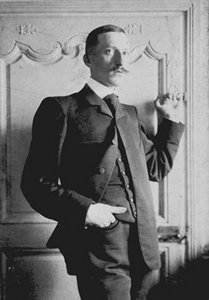
André Derain
1880 - 1954 , Frankreich
Eckdaten zum Künstler
- Beeinflusste Künstler:
- Henri Matisse
- Pablo Picasso
- Bemerkenswerte Werke:
- Harlekin und Pierrot
- Londoner Bilder
- Bacchus-Tanz
- Die Heimkehr des Odysseus
- Geburtsdatum: 10. Juni 1880
- Geburtsort: Chatou, Frankreich
- Künstlerische Bewegung: Fauvismus
- Nationalität: Französisch
- Todestag: 8. September 1954
- Vollständiger Name: André Derain
Verwandte Artikel
André Derain: Die Kühne Vision des Fauvismus und die Evolution der Modernen Farbe
Entdecken Sie die revolutionäre Kunst des Fauvismus und das Wirken von André Derain! Erfahren Sie mehr über Farbgebung, Einflüsse & das Erbe dieser bedeutenden Bewegung. Expertenwissen auf OriginalUniqueArt.
Fauvismus: Die 10 Meisterwerke, die eine Revolution der Farben entfesselten –
Entdecken Sie die 10 Meisterwerke des Fauvismus! Von Matisse bis Derain – erleben Sie die Revolution der Farben und Emotionen in der modernen Kunst. Hochwertige Reproduktionen & Inspiration für Ihr Zuhause auf

Mutige Meisterwerke: Die Top 10 Kunstwerke voller Ausdruckskraft | OriginalUniqueArt
Entdecken Sie die Top 10 mutiger Kunstwerke, voller Ausdruckskraft & Emotion! Von Van Gogh bis Picasso – erfahren Sie die Geschichten hinter den Meisterwerken und finden Sie Ihre perfekte Wanddeko auf OriginalUniqueArt.com.

Silent Narratives: Exploring the Enduring Appeal of Still Life Painting Across Centuries
Explore the rich history of still life painting with OriginalUniqueArt. Discover Dutch Masters, decode vanitas symbolism & learn about collecting timeless art. Expert insights and museum-quality reproductions.
Fauvismus: Die 10 Meisterwerke, die eine Revolution der Farbe auslösten | OriginalUniqueArt
Entdecken Sie die 10 Meisterwerke des Fauvismus! Von Matisse bis Derain – erleben Sie die Revolution der Farbe und Emotion. Hochwertige Kunstdrucke & Reproduktionen auf OriginalUniqueArt.com. Jetzt Kunst für Ihr Zuhause finden!


