
 Vorschau anzeigen
 Versenden
 Teilen
 Details anzeigen
 Leitfaden

 Herunterladen
 Ähnliche Objekte
 Röntgenaufnahme
 Diashow
 Fragen & Antworten
 Statistiken
Bartolomeo Savona

- 46.0 x 35.0 cm


 Weiterlesen
Giclée / Kunstdruck
Giclée- oder Leinwanddruck in Museumsqualität mit schneller Produktion und flexiblen Veredelungsoptionen. ( Handgemalte Reproduktion bestellen Zum digitalen Bild wechseln)




P118B €10

P118H €10

P118W €10

P438Z €10

P508JH €12

P508YH €12

P805H €10

P805Z €10

P919BZ €10

P919G €10

P919XJ €10

P959ZH €10

P968JZ €12

W106C €8

W218G €10

W218JH €8

W218Y €10

W307PJ €10

W316G €10

W316PJ €8

W316Y €10

W398PJ €8

W4111J €10

W500HY €15

W500JH €15

W692G €12

W849H €8

W940BG €15

W953PJ €8




Wählen Sie aus unseren vordefinierten Formaten, die den ursprünglichen Proportionen des Kunstwerks entsprechen.

Geben Sie die benötigte Breite und Höhe an, damit der Druck perfekt in Ihren Rahmen oder an Ihre Wand passt. Ein Druck kann nur beschnitten, aber niemals größer als das Originalbild angefertigt werden; daher verliert ein Format mit anderen Proportionen einen Teil des Bildes. Wir senden Ihnen ein digitales Mockup zur Freigabe, bevor wir den Druck ausführen. Das auf dieser Seite gezeigte Bild zeigt nicht den tatsächlichen Beschnitt – dies ist nur im Mockup ersichtlich.
Weltweiter Versand () innerhalb von 2 Wochen statt der üblichen 4/5 Wochen. (6 November)

Kostenloser weltweiter Expressversand

Hochwertige Leinenleinwand

Umfassender Versicherungsschutz beim Versand

Zollgebühren-Rückerstattungsgarantie

Garantie für exakte Farbtreue

100 Tage Rückgaberecht (nur bei Mängeln)

100% Geld-zurück-Garantie

Mengenrabatt verfügbar
 Die Glasoption ist nur für Größen unter 110 cm verfügbar.

Bartolomeo Savona
Giclée / Kunstdruck
Format der Reproduktion
-


Endpreis
€ 72
Bartolomeo Savona by André Derain: A Portrait of Quiet Intensity
André Derain’s “Bartolomeo Savona,” painted in 1906, is more than just a portrait; it's a carefully constructed moment of introspective contemplation. The canvas, measuring 46 x 35 cm, immediately draws the eye to the subject – a man rendered with a striking directness that speaks volumes about Derain’s evolving approach to representation. Savona’s serious gaze, framed by a meticulously groomed beard and mustache, suggests a man of considerable thought and perhaps even hidden anxieties. The formal attire—a suit and tie—grounds him in a specific social context, hinting at the burgeoning modernity of early 20th-century France while simultaneously conveying an air of dignified restraint.
The Fauvist Influence and Bold Technique
- Fauvism’s Embrace: Created during Derain's pivotal period within the Fauvist movement, “Bartolomeo Savona” exemplifies the group’s radical departure from traditional artistic conventions. While not as overtly vibrant as some of his later works, the painting demonstrates a deliberate use of color – rich browns and deep blues – to evoke mood and emotion rather than simply replicating visual reality.
- Oil on Canvas: Executed in oil on canvas, the technique showcases Derain’s mastery of impasto, applying thick layers of paint to create textural surfaces that capture light and shadow with remarkable intensity. This tactile quality invites a closer examination of the brushstrokes themselves, revealing the artist's deliberate hand.
- André Derain’s Signature: The signature confirms this piece as one of the most important works from the artist’s early career.
Historical Context and Artistic Development
Painted in 1906, “Bartolomeo Savona” reflects a crucial moment in André Derain's artistic trajectory. Following his initial studies under Eugène Carrière, Derain was increasingly influenced by the revolutionary ideas of Henri Matisse and Paul Gauguin. This period saw him move away from academic realism towards a more subjective and expressive style – a hallmark of Fauvism. The painting’s composition, with its focused attention on Savona's face and upper body, aligns with this shift toward capturing emotional essence rather than photographic accuracy. The fact that the work was created during Derain's military service (1901-1904) further adds to its significance, suggesting a period of introspection and perhaps a heightened awareness of human experience.
Symbolism and Emotional Resonance
While seemingly straightforward in its depiction, “Bartolomeo Savona” possesses a subtle yet powerful emotional resonance. The subject’s intense gaze invites the viewer to engage in a silent dialogue, prompting questions about his thoughts and feelings. The formality of his attire suggests a certain social standing, perhaps even a burden of responsibility. The painting's quiet intensity speaks to the anxieties and uncertainties that characterized the early 20th century – a period of rapid change and profound societal shifts. It’s a portrait not just of a man, but of an era.
A Valuable Reproduction
OriginalUniqueArt offers meticulously crafted hand-painted reproductions of “Bartolomeo Savona,” ensuring that you possess a faithful representation of this significant work by André Derain. Each reproduction captures the nuances of the original painting’s technique and color palette, allowing you to bring this evocative portrait into your own space. Perfect for collectors, interior designers seeking a touch of artistic drama, or anyone captivated by the spirit of Fauvism, our reproductions provide an unparalleled opportunity to experience the power and beauty of Derain's vision.
Fragen & Antworten
Welche Stimmung und welche Emotionen vereinen sich in "Bartolomeo Savona"?
Die festgehaltene Stimmung von "Bartolomeo Savona" von André Derain ist Elegant, und ihr emotionaler Tonfall ist Reflective.
Wie schafft "Bartolomeo Savona" das Gleichgewicht zwischen Hell und Dunkel?
"Bartolomeo Savona" weist eine Gesamthelligkeit von shadow auf, und die Luminanz beträgt Soft Shadow.
Für welchen Raum wird "Bartolomeo Savona" von André Derain empfohlen?
Eine Reproduktion von „Bartolomeo Savona“ passt hervorragend in ein Living Room.
Künstlerbiografie
Frühe Jahre und Ausbildung
- Geburt und Familie: André Derain wurde am 10. Juni 1880 in Chatou, Yvelines, Île-de-France, unweit von Paris geboren.
- Unabhängiges Studium: Im Gegensatz zu einigen Darstellungen begann Derain bereits 1895 mit dem Malen, bevor er Vlaminck oder Matisse kennenlernte. Er besuchte gelegentlich die Landschaft mit Vater Jacomin und seinen Söhnen.
- Formale Ausbildung: 1898 studierte er Ingenieurwesen an der Académie Camillo, wo er Henri Matisse kennenlernte und später bei Eugène Carrière Malereiunterricht erhielt.
- Aufgabe des Ingenieurwesens: Nach dem Militärdienst (1901-1904) wurde Derain von Matisse davon überzeugt, seine Ingenieurslaufbahn aufzugeben und sich ganz der Malerei zu widmen. Anschließend besuchte er die Académie Julian.
Fauvismus und frühe künstlerische Entwicklung
- Zusammenarbeit mit Matisse: Derain arbeitete eng mit Henri Matisse zusammen, insbesondere im Sommer 1905 in Collioure, was zu Werken wie "Berge von Collioure" führte.
- Salon d'Automne (1905): Ihre Ausstellung im Salon d'Automne war ein entscheidender Moment, der dazu führte, dass der Kritiker Louis Vauxcelles die Künstler als "Les Fauves" ("die Wilden") bezeichnete aufgrund ihrer kühnen und unkonventionellen Farbgebung.
- Londoner Gemälde: Im Jahr 1906 schickte ihn Ambroise Vollard nach London, wo er eine Reihe von Gemälden anfertigte, die die Stadt auf neuartige Weise darstellten, wobei der Schwerpunkt auf der Themse und der Tower Bridge lag. Diese Werke gelten als einige seiner bedeutendsten.
- Einflüsse & Stil: Frühe fauvistische Arbeiten zeichnen sich durch intensive, unnatürliche Farben und ausdrucksstarke Pinselstriche aus. Derain wurde von Künstlern wie Van Gogh und Cézanne beeinflusst.
Entwicklung des Stils und spätere Werke
- Verschiebung hin zum Klassizismus: Nach 1907 begann sich Derains Stil zu wandeln, weg von der rein fauvistischen Farbpalette hin zu gedämpfteren Tönen und einem größeren Fokus auf die Form. Diese Periode (1911-1914) wird manchmal als seine "gotische" Phase bezeichnet.
- Einfluss des Kubismus & alter Meister: Derains Arbeit in dieser Zeit spiegelte sein Studium der alten Meister wider und integrierte Elemente des Kubismus sowie ein erneutes Interesse an klassischen Formen.
- Ballettdesign: Im Jahr 1919 entwarf er die Ballettaufführung "La Boutique Fantasque" für Diaghilev, was seine Vielseitigkeit als Künstler unter Beweis stellte.
- Bemerkenswerte Werke: Zu den wichtigsten Werken dieser Zeit gehören "Harlekin und Pierrot", "Die Rückkehr des Odysseus" (ein großes Wandgemälde) sowie verschiedene Landschaften und Stillleben, die seine sich entwickelnde Stilrichtung zeigen.
Vermächtnis und historische Bedeutung
- Mitbegründer des Fauvismus: Derain gilt als eine Schlüsselfigur bei der Entwicklung des Fauvismus, neben Matisse, und leistete einen bedeutenden Beitrag zur Kunstbewegung des frühen 20. Jahrhunderts.
- Einzigartige Vision von London: Seine Reihe von Gemälden, die London darstellen, bot eine frische und unverwechselbare Perspektive auf die Stadt und unterschied sich von früheren künstlerischen Darstellungen.
- Nachkriegs-Anerkennung: Nach dem Ersten Weltkrieg erlangte Derain neue Anerkennung für seine Beiträge zu einem wiederauflebenden Klassizismus in der Kunst.
- Spätere Jahre & Kontroversen: Trotz des Gewinnens des Carnegie-Preises im Jahr 1928 sah sich Derain während des Zweiten Weltkriegs aufgrund seiner Anwesenheit in Deutschland mit Kontroversen konfrontiert und wurde später von einigen ehemaligen Unterstützern gemieden.
- Tod und Erinnerung: André Derain starb am 8. September 1954. Seine Werke werden weiterhin für ihre kühnen Farben, ausdrucksstarken Kompositionen und seinen bedeutenden Beitrag zur Geschichte der modernen Kunst gefeiert.
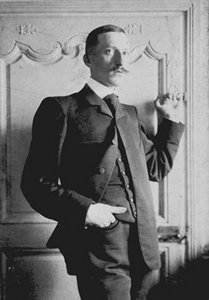
André Derain
1880 - 1954 , Frankreich
Kurzinfos
- Beeinflusste Künstler:
- Henri Matisse
- Pablo Picasso
- Bemerkenswerte Werke:
- Harlekin und Pierrot
- Londoner Bilder
- Bacchus-Tanz
- Die Heimkehr des Odysseus
- Geburtsdatum: 10. Juni 1880
- Geburtsort: Chatou, Frankreich
- Künstlerische Bewegung: Fauvismus
- Nationalität: Französisch
- Todestag: 8. September 1954
- Vollständiger Name: André Derain
Ähnliche Artikel

Ewiges Licht und tiefe Emotionen: Warum Öl auf Leinwand die Seele des Impressionismus einfängt
Erfahren Sie alles über die Tiefe und Textur impressionistischer Ölmalerei. Entdecken Sie die Magie der Pigmente und Techniken!

The Enduring Legacy of Oil on Canvas: Technique, History & Aesthetic Impact
Explore the rich history & techniques of oil painting – from Renaissance masters to Impressionism. Discover pigments, layering methods, and why this timeless medium endures. Expert insights for artists & art enthusiasts.
André Derain: Die Kühne Vision des Fauvismus und die Evolution der Modernen Farbe
Entdecken Sie die revolutionäre Kunst des Fauvismus und das Wirken von André Derain! Erfahren Sie mehr über Farbgebung, Einflüsse & das Erbe dieser bedeutenden Bewegung. Expertenwissen auf OriginalUniqueArt.

Das bleibende Erbe der Ölmalerei: Technik, Geschichte und zeitgenössische Praxis
Entdecken Sie die faszinierende Geschichte der Ölmalerei – von den frühen Techniken bis zur modernen Kunst. Expertenwissen, detaillierte Analysen und Inspiration für Sammler & Kunstliebhaber.

Öl auf Leinwand: Eine historische und technische Erkundung eines zeitlosen künstlerischen Mediums
Entdecken Sie die faszinierende Welt der Ölmalerei! Von historischen Techniken bis zur modernen Anwendung – wir bieten Expertenwissen, Restaurierungstipps und hochwertige Reproduktionen. Jetzt informieren!


