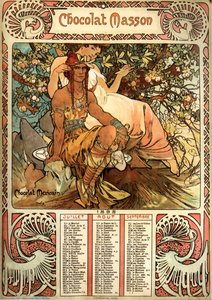
In echtem Maßstab anzeigen
 Versenden als Grußkarte
 Teilen
 Details anzeigen
 Leitfaden öffnen

 Herunterladen
 Ähnliche Objekte
 Röntgenaufnahme
 Diashow
 Besucherstatistiken
untitled (1561)


 Mehr anzeigen
Giclée / Kunstdruck
Giclée- oder Leinwanddruck in Museumsqualität mit schneller Produktion und flexiblen Veredelungsoptionen. ( Handgemalte Reproduktion kaufen Zum digitalen Bild wechseln)




P118B €10

P118H €10

P118W €10

P438Z €10

P508JH €12

P508YH €12

P805H €10

P805Z €10

P919BZ €10

P919G €10

P919XJ €10

P959ZH €10

P968JZ €12

W106C €8

W218G €10

W218JH €8

W218Y €10

W307PJ €10

W316G €10

W316PJ €8

W316Y €10

W398PJ €8

W4111J €10

W500HY €15

W500JH €15

W692G €12

W849H €8

W940BG €15

W953PJ €8




Wählen Sie aus unseren vordefinierten Formaten, die den ursprünglichen Proportionen des Kunstwerks entsprechen.

Geben Sie die Breite und die Höhe an, die Sie benötigen, damit der Druck perfekt in Ihren Rahmen oder an Ihre Wand passt. Ein Druck kann nur beschnitten werden und niemals größer als das Originalbild gemacht werden; daher verliert ein Format mit einer anderen Proportion einen Teil des Bildes. Wir senden Ihnen ein digitales Mockup zur Freigabe, bevor wir den Druck ausführen. Das auf dieser Seite gezeigte Bild zeigt nicht den tatsächlichen Beschnitt – dies ist nur im Mockup ersichtlich.
Weltweiter Versand () innerhalb von 2 Wochen statt der üblichen 4/5 Wochen. (24 Oktober)

Kostenloser weltweiter Expressversand

Hochwertige Leinenleinwand

Vollständiger Versicherungsschutz beim Versand

Zollgebühren-Rückerstattungsgarantie

Garantie für exakte Farbtreue

100-tägiges Rückgaberecht (nur bei Mängeln)

100% Geld-zurück-Garantie

Angebot für Mengenrabatt
 Die Glasoption ist nur für Größen unter 110 cm verfügbar.

untitled (1561)
Giclée / Kunstdruck
Format der Reproduktion
-


Gesamtpreis
€ 70
A Symphony of Ornamentation: The Soul of Art Nouveau
To step into the world of Alphonse Mucha is to surrender to a dreamscape where the boundaries between fine art and decorative elegance dissolve into a single, flowing rhythm. His work, particularly seen in pieces like untitled (1561), serves as a breathtaking portal to the Belle Époque, an era defined by a profound longing for beauty amidst the encroaching rigidity of the industrial age. Mucha did not merely paint; he orchestrated a visual language composed of sinuous lines, organic motifs, and a sense of ethereal movement that would eventually define the Art Nouveau movement. His mastery lies in his ability to transform the flat surface of a canvas or poster into a lush, multidimensional experience, where every curve feels alive with the pulse of nature.
The composition of this particular work invites the viewer into an opulent interior, a sanctuary of craftsmanship and refined taste. At its heart lies a magnificent, ornate table, acting as an anchor for a room that breathes with warmth and grandeur. The palette is a rich tapestry of autumnal tones—deep reds, burnt oranges, and earthy browns—which bathe the scene in a soft, diffused light. This warmth creates an atmosphere of intimacy and luxury, making the space feel less like a static room and more like a living, breathing extension of the natural world. For the discerning collector or interior designer, such a piece offers more than mere decoration; it provides a focal point of historical depth and sensory richness.
Symbolism and the Language of Nature
Beyond its immediate aesthetic splendor, the artwork is steeped in the symbolic vocabulary that Mucha championed throughout his illustrious career. The presence of the peacock motif within the stained glass window is particularly poignant; in the lexicon of Art Nouveau, the peacock represents a duality of beauty, pride, and immortality. This element, paired with the intricate geometric patterns and stylized floral flourishes, connects the domestic interior to the wild, untamed elegance of the natural realm. Mucha’s ability to weave these symbols into the very fabric of the architecture suggests a philosophy where art is not separate from life, but rather an essential component of a well-lived existence.
The interplay of textures further enhances this symbolic narrative. The smooth, polished surfaces of the wood contrast beautifully with the reflective glint of metal accents and the translucent, textured quality of the glass. This tactile variety engages the viewer on a subconscious level, evoking the sensation of touching the fine materials of a bygone era. It is this meticulous attention to detail—the way light catches a curved edge or settles into a deep shadow—that gives the piece its enduring emotional resonance. It evokes a sense of nostalgia for a time when craftsmanship was a sacred pursuit and every decorative element told a story of grace and intention.
A Timeless Legacy for the Modern Collector
For those seeking to infuse their contemporary spaces with character and historical weight, a high-quality reproduction of Mucha’s vision offers unparalleled inspiration. Whether placed in a grand salon or a quiet study, the artwork commands attention through its sophisticated balance of complexity and harmony. It serves as a bridge between the past and the present, bringing the romanticism of the late 19th century into the modern home. The piece does not merely occupy space; it transforms it, creating an environment of contemplative beauty and refined luxury.
Investing in such a work is an embrace of the Art Nouveau spirit—a celebration of the organic, the decorative, and the profoundly beautiful. As a centerpiece for interior design, it provides a foundation of warmth and narrative depth that complements both classical and modern aesthetics. To possess a piece of Mucha’s legacy is to hold a fragment of a golden age, ensuring that the flowing lines and luminous colors of his incomparable vision continue to inspire generations of art lovers and connoisseurs alike.
Fragen & Antworten
Welche Phase in der Entwicklung von Alphonse Maria Mucha repräsentiert "untitled (1561)"?
"untitled (1561)" repräsentiert die Mature Period von Alphonse Maria Mucha.
Zeigt "untitled (1561)" starke Hell-Dunkel-Kontraste?
"untitled (1561)" von Alphonse Maria Mucha zeigt einen Gentle Kontrast zwischen seinen hellen und dunklen Bereichen.
Worum geht es in "untitled (1561)"?
Die in "untitled (1561)" von Alphonse Maria Mucha enthaltenen Themen umfassen luxury interior, decorative design, peacock motif, art nouveau style, elegant composition, rich color palette, ornate furniture. Zusammen fassen sie den Gegenstand des Kunstwerks zusammen.
Biografie des Künstlers
Frühes Leben und Ausbildung
- Geboren: 15. Juli 1860 in Ivanačice, Mähren (heute Teil der Tschechischen Republik)
- Zeigte schon in jungen Jahren künstlerisches Talent.
- Studierte an der Akademie der Schönen Künste in Prag, war aber von traditionellen Ansätzen enttäuscht.
- Zog 1887 nach Paris, um seinen eigenen Stil zu verfolgen.
Künstlerischer Stil und bemerkenswerte Werke
- Bekannt für seinen unverwechselbaren Jugendstil, der sich durch fließende Linien, organische Formen und eine Bewegungsempfindung auszeichnet.
- Beeinflusst von Künstlern wie Pierre-Auguste Renoir und Gustave Moreau.
- Bemerkenswerte Werke:
- Der slawische Aufstand – Zeigt die Verbindung traditioneller tschechischer Motive mit modernen Jugendstilelementen.
- Salon des Cent
- Gemälde, inspiriert von Werken wie Die Töchter des Tespio von Gustave Moreau und La Ribambelle des Gobelins von Piero Dorazio.
- Illustrationen basierend auf Junge Landwirte ernten Leinen von Sir Hubert von Herkomer.
- Stellte häufig idealisierte Frauen in fließenden Gewändern inmitten üppiger Blumen dar.
Karrierehöhepunkte und wichtige Aufträge
- Zusammenarbeit mit Sarah Bernhardt: Erschuf Plakate und Designs für die Schauspielerin Sarah Bernhardt, beginnend mit dem Plakat für Gismonda (1894), das seine Karriere startete.
- Weltausstellung in Paris (1900): Sein Jugendstil erlangte bei dieser Ausstellung internationale Anerkennung. Er dekorierte den Pavillon von Bosnien und Herzegowina und arbeitete an der Gestaltung des österreichischen Pavillons mit.
- Förderung durch Charles Richard Crane: Erhielt Unterstützung von Charles Richard Crane, die es ihm ermöglichte, die monumentale Serie Der slawische Epos (1912-30) zu schaffen.
- Unabhängiges Tschechoslowakei: Entwarf Briefmarken, Banknoten und Regierungsdokumente für das neu unabhängige Tschechoslowakei.
Einflüsse und Vermächtnis
- Beeinflusst von tschechischen künstlerischen Traditionen und modernen europäischen Kunstbewegungen.
- Sein einzigartiger Stil ebnete den Weg für zukünftige Generationen von Künstlern im Jugendstil und der Sezession.
- Inspirierte andere Künstler wie Eva Prokopcová.
- Sein Vermächtnis erstreckt sich über seine Kunstwerke hinaus und beeinflusst Design und Ästhetik.
Späteres Leben und Tod
- Vermählte sich 1906 mit Maruska (Marie/Maria) Chytilová.
- Besuchte von 1906 bis 1910 die Vereinigten Staaten, wo ihre Tochter Jaroslava geboren wurde.
- Starb am 14. Juli 1939 in Prag, Tschechoslowakei.

Alphonse Maria Mucha
1860 - 1939 , Tschechien
Eckdaten zum Künstler
- Beeinflusste Künstler:
- Pierre-Auguste Renoir
- Gustave Moreau
- Bemerkenswerte Werke:
- Slavonic Uprising
- Salon des Cent
- The Slav Epic
- Geburtsdatum: 15. Juli 1860
- Geburtsort: Brno, Tschechien
- Künstlerische Richtung: Art Nouveau
- Nationalität: Tschechisch
- Todatum: 14. Juli 1939
- Vollständiger Name: Alphonse Maria Mucha
- Von Künstlern Beeinflusst: ['Eva Prokopcová']
Verwandte Artikel
Art Nouveau Meisterwerke: Die 10 prägendsten Kunstwerke für Ihr Zuhause |
Entdecken Sie die 10 prägendsten Art Nouveau Meisterwerke! Von Mucha bis Klimt – erfahren Sie die Geschichten hinter ikonischen Gemälde & dekorativer Kunst. Hochwertige Kunstdrucke online kaufen auf
Alphonse Mucha: Meister des Jugendstils und seine zeitlose Ästhetik
Entdecken Sie das Leben und Werk von Alphonse Mucha, dem Meister des Jugendstils! Erfahren Sie mehr über seine ikonischen Plakate, Illustrationen und den bleibenden Einfluss seiner Kunst auf die moderne Welt. Jetzt lesen!
Art Nouveau Guide: Integrating Elegant Curves and Organic Design into Luxury Hotel Interiors
Master Art Nouveau integration for luxury hotel interiors. Discover expert strategies for utilizing organic curves, whiplash lines, and botanical motifs to create sophisticated, high-end hospitality spaces with scalable, professional art procurement solutions.
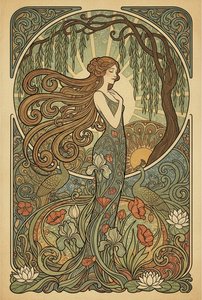
The Flowing Line & Flourishing Form: Exploring Art Nouveau's Aesthetic Legacy
Explore the captivating world of Art Nouveau! Discover its origins, key artists like Horta & Mucha, regional styles, innovative techniques, and lasting influence on architecture & design. A comprehensive guide for art enthusiasts.

The Elegance of Art Nouveau: Discovering Beauty in Nature’s Sinuous Curves and the Belle Époque Spirit
Immerse yourself in the romantic allure of Art Nouveau. Explore the sinuous curves and floral elegance of the Belle Époque through our exquisite, hand-painted reproductions. Discover a timeless connection to nature’s beauty with our museum-quality collection.