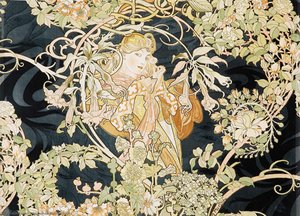
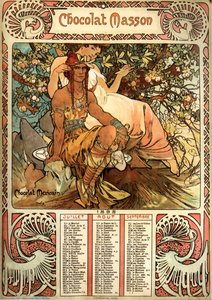
Vorschau anzeigen
 Versenden
 Teilen
 Details anzeigen
 Leitfaden

 Herunterladen
 Ähnliche Objekte
 Röntgenaufnahme
 Diashow
 Q&A
Q&A Statistiken
Self Portrait with Palette


 Weiterlesen
Giclée / Kunstdruck
Giclée- oder Leinwanddruck in Museumsqualität mit schneller Produktion und flexiblen Veredelungsoptionen. ( Handgemalte Reproduktion bestellen Zum digitalen Bild wechseln)




P118B €10

P118H €10

P118W €10

P438Z €10

P508JH €12

P508YH €12

P805H €10

P805Z €10

P919BZ €10

P919G €10

P919XJ €10

P959ZH €10

P968JZ €12

W106C €8

W218G €10

W218JH €8

W218Y €10

W307PJ €10

W316G €10

W316PJ €8

W316Y €10

W398PJ €8

W4111J €10

W500HY €15

W500JH €15

W692G €12

W849H €8

W940BG €15

W953PJ €8




Wählen Sie aus unseren vordefinierten Formaten, die den ursprünglichen Proportionen des Kunstwerks entsprechen.

Geben Sie die benötigte Breite und Höhe an, damit der Druck perfekt in Ihren Rahmen oder an Ihre Wand passt. Ein Druck kann nur beschnitten, aber niemals größer als das Originalbild angefertigt werden; daher verliert ein Format mit anderen Proportionen einen Teil des Bildes. Wir senden Ihnen ein digitales Mockup zur Freigabe, bevor wir den Druck ausführen. Das auf dieser Seite gezeigte Bild zeigt nicht den tatsächlichen Beschnitt – dies ist nur im Mockup ersichtlich.
Weltweiter Versand () innerhalb von 2 Wochen statt der üblichen 4/5 Wochen. (31 Oktober)

Kostenloser weltweiter Expressversand

Hochwertige Leinenleinwand

Umfassender Versicherungsschutz beim Versand

Zollgebühren-Rückerstattungsgarantie

Garantie für exakte Farbtreue

100 Tage Rückgaberecht (nur bei Mängeln)

100% Geld-zurück-Garantie

Mengenrabatt verfügbar
 Die Glasoption ist nur für Größen unter 110 cm verfügbar.

Self Portrait with Palette
Giclée / Kunstdruck
Format der Reproduktion
-


Endpreis
€ 71
Alphonse Mucha’s ‘Self Portrait with Palette’: A Window into an Artist's Soul
The artwork “Self Portrait with Palette” by Alphonse Maria Mucha is more than just a depiction of an artist; it’s a meticulously crafted exploration of identity, creativity, and the very essence of artistic expression. Executed in Mucha’s signature Art Nouveau style – characterized by flowing lines, organic forms, and a palpable sense of movement – this painting offers a rare glimpse into the mind of one of the era's most influential figures. Dating back to 1907, this giclée print captures Mucha at a pivotal moment in his career, reflecting both his established artistic vision and his ongoing fascination with beauty and symbolism.
- A Masterclass in Art Nouveau: Mucha’s distinctive style is immediately recognizable. The delicate curves of the palette, the graceful lines of the brushes, and the flowing robes all contribute to a visual harmony that epitomizes the Art Nouveau movement's rejection of rigid academic styles in favor of natural forms and decorative elegance.
- Symbolic Palette: The inclusion of the artist’s palette and brushes is profoundly symbolic. They represent not just his profession, but also his creative process – the careful selection of colors, the deliberate application of brushstrokes, and the constant striving to capture beauty on canvas.
- Introspective Mood: Mucha's expression in this self-portrait is thoughtful and slightly melancholic. It suggests a deep engagement with his art, a quiet contemplation of its possibilities, and perhaps a recognition of the challenges inherent in pursuing a creative life.
The Artist’s Context: Mucha and the Art Nouveau Movement
Born in Brno, Czech Republic, in 1860, Alphonse Maria Mucha's artistic journey was shaped by his early exposure to traditional Czech motifs and his subsequent immersion in the vibrant art scene of Paris. Influenced by artists like Pierre-Auguste Renoir and Gustave Moreau, Mucha quickly developed a unique style that blended classical influences with modern sensibilities. His work became synonymous with Art Nouveau, adorning posters and advertisements for luxury goods and captivating audiences with its romanticized depictions of women and idealized landscapes.
Key Influences:- Pierre-Auguste Renoir: Mucha admired Renoir’s ability to capture the fleeting moments of everyday life, particularly in his depictions of Parisian social scenes.
- Gustave Moreau: Moreau's opulent and symbolic paintings influenced Mucha's use of rich colors and mythological themes.
Technique and Materials
“Self Portrait with Palette” is a giclée print, meaning it was created using a state-of-the-art digital printing process that faithfully reproduces the original artwork’s details and color palette. The image itself showcases Mucha's characteristic brushwork – thick, visible strokes that create a tactile quality and suggest movement within the paint. The artist skillfully employs light and shadow to model his features, emphasizing the texture of his hair and clothing, and conveying a sense of warmth and age. Notice the careful attention to detail in rendering the palette itself, highlighting its importance as a tool for artistic creation.
A Timeless Masterpiece
Alphonse Mucha’s “Self Portrait with Palette” is a testament to his genius and a captivating example of Art Nouveau at its finest. It's a piece that invites contemplation, celebrates the beauty of creativity, and offers a poignant glimpse into the soul of one of the 20th century’s most beloved artists. Whether you are an art collector seeking to expand your collection or an interior designer looking for a statement piece, this reproduction is sure to bring a touch of Mucha's distinctive style and timeless elegance to your space.
Fragen & Antworten
Welche Farben dominieren "Self Portrait with Palette" von Alphonse Maria Mucha?
"Self Portrait with Palette" zeichnet sich durch eine Dark-Palette aus, die von Bronze (#b97429) dominiert wird.
Welcher Kunstrichtung lässt sich "Self Portrait with Palette" von Alphonse Maria Mucha zuordnen?
„Self Portrait with Palette“ ist ein Werk der Impressionism. Die Stilrichtung gibt die künstlerische Tradition an, der das Werk angehört.
Welche Emotion vermittelt "Self Portrait with Palette" von Alphonse Maria Mucha?
"Self Portrait with Palette" von Alphonse Maria Mucha vermittelt eine Melancholic emotionale Stimmung.
Künstlerbiografie
Frühes Leben und Ausbildung
- Geboren: 15. Juli 1860 in Ivanačice, Mähren (heute Teil der Tschechischen Republik)
- Zeigte schon in jungen Jahren künstlerisches Talent.
- Studierte an der Akademie der Schönen Künste in Prag, war aber von traditionellen Ansätzen enttäuscht.
- Zog 1887 nach Paris, um seinen eigenen Stil zu verfolgen.
Künstlerischer Stil und bemerkenswerte Werke
- Bekannt für seinen unverwechselbaren Jugendstil, der sich durch fließende Linien, organische Formen und eine Bewegungsempfindung auszeichnet.
- Beeinflusst von Künstlern wie Pierre-Auguste Renoir und Gustave Moreau.
- Bemerkenswerte Werke:
- Der slawische Aufstand – Zeigt die Verbindung traditioneller tschechischer Motive mit modernen Jugendstilelementen.
- Salon des Cent
- Gemälde, inspiriert von Werken wie Die Töchter des Tespio von Gustave Moreau und La Ribambelle des Gobelins von Piero Dorazio.
- Illustrationen basierend auf Junge Landwirte ernten Leinen von Sir Hubert von Herkomer.
- Stellte häufig idealisierte Frauen in fließenden Gewändern inmitten üppiger Blumen dar.
Karrierehöhepunkte und wichtige Aufträge
- Zusammenarbeit mit Sarah Bernhardt: Erschuf Plakate und Designs für die Schauspielerin Sarah Bernhardt, beginnend mit dem Plakat für Gismonda (1894), das seine Karriere startete.
- Weltausstellung in Paris (1900): Sein Jugendstil erlangte bei dieser Ausstellung internationale Anerkennung. Er dekorierte den Pavillon von Bosnien und Herzegowina und arbeitete an der Gestaltung des österreichischen Pavillons mit.
- Förderung durch Charles Richard Crane: Erhielt Unterstützung von Charles Richard Crane, die es ihm ermöglichte, die monumentale Serie Der slawische Epos (1912-30) zu schaffen.
- Unabhängiges Tschechoslowakei: Entwarf Briefmarken, Banknoten und Regierungsdokumente für das neu unabhängige Tschechoslowakei.
Einflüsse und Vermächtnis
- Beeinflusst von tschechischen künstlerischen Traditionen und modernen europäischen Kunstbewegungen.
- Sein einzigartiger Stil ebnete den Weg für zukünftige Generationen von Künstlern im Jugendstil und der Sezession.
- Inspirierte andere Künstler wie Eva Prokopcová.
- Sein Vermächtnis erstreckt sich über seine Kunstwerke hinaus und beeinflusst Design und Ästhetik.
Späteres Leben und Tod
- Vermählte sich 1906 mit Maruska (Marie/Maria) Chytilová.
- Besuchte von 1906 bis 1910 die Vereinigten Staaten, wo ihre Tochter Jaroslava geboren wurde.
- Starb am 14. Juli 1939 in Prag, Tschechoslowakei.

Alphonse Maria Mucha
1860 - 1939 , Tschechien
Kurzinfos
- Beeinflusste Künstler:
- Pierre-Auguste Renoir
- Gustave Moreau
- Bemerkenswerte Werke:
- Slavonic Uprising
- Salon des Cent
- The Slav Epic
- Geburtsdatum: 15. Juli 1860
- Geburtsort: Brno, Tschechien
- Künstlerische Richtung: Art Nouveau
- Nationalität: Tschechisch
- Todatum: 14. Juli 1939
- Vollständiger Name: Alphonse Maria Mucha
- Von Künstlern Beeinflusst: ['Eva Prokopcová']
Ähnliche Artikel
The Art of Connection: Capturing Beautiful Gatherings through Impressionist Masterpieces
Explore the profound beauty of human connection through Impressionist and Post-Impressionist masterpieces. Discover how masters like Renoir and Van Gogh captured light, emotion, and communal joy in timeless works of art designed to inspire your home.
Beyond the Light: Capturing Raw Emotion and Subjective Vision in Post-Impressionist Landscapes
Explore the profound emotional depth of Post-Impressionist landscapes. Discover how masters like Van Gogh moved beyond light to capture raw human feeling through vibrant color and expressive texture in this expert art history retrospective.

The Timeless Charm of Oil on Board: Reimagining Texture and Light through the Impressionist Lens
Discover the profound intimacy of oil on panel. Explore how Impressionist masters used rigid supports to capture light, texture, and impasto depth through exquisite, handmade oil reproductions for discerning collectors.
Capturing Contemplation: The Most Thoughtful Impressionist Masterpieces
Explore the profound emotional depth of Impressionist and Post-Impressionist masterpieces. From Renoir's tranquil landscapes to Van Gogh's vibrant soul, discover how these legendary artists captured the essence of contemplation through light, color, and texture.
Capturing the Soul: The Most Emotionally Moving Impressionist and Post-Impressionist Masterpieces
Discover the profound emotional depth of Impressionist and Post-Impressionist masterpieces. Explore how legends like Monet, Van Gogh, and Gauguin captured light and soul through evocative landscapes and vibrant brushwork for a timeless connection to art history.