In echtem Maßstab anzeigen
 Versenden als Grußkarte
 Teilen
 Details anzeigen
 Leitfaden öffnen

 Herunterladen
 Ähnliche Objekte
 Röntgenaufnahme
 Diashow
 Besucherstatistiken
Fate


 Mehr anzeigen
Handgefertigte Ölreproduktion
Handgemaltes Ölgemälde auf Leinwand in Ihrer Wunschgröße und mit Rahmen, auf Bestellung von unseren Künstlern angefertigt. ( Zum Druck wechseln Zum digitalen Bild wechseln)




P118B €10

P118H €10

P118W €10

P438Z €10

P508JH €12

P508YH €12

P805H €10

P805Z €10

P919BZ €10

P919G €10

P919XJ €10

P959ZH €10

P968JZ €12

W106C €8

W218G €10

W218JH €8

W218Y €10

W307PJ €10

W316G €10

W316PJ €8

W316Y €10

W398PJ €8

W4111J €10

W500HY €15

W500JH €15

W692G €12

W849H €8

W940BG €15

W953PJ €8




Wählen Sie aus unseren vordefinierten Formaten, die den ursprünglichen Proportionen des Kunstwerks entsprechen.

Sie können Ihre eigenen Maße eingeben, um einen bestimmten Rahmen oder Platz auszufüllen. Wenn die gewählte Größe nicht den Proportionen des Originalbildes entspricht, werden wir das Kunstwerk entweder beschneiden oder das Gemälde durch zusätzliche, handgemalte Elemente erweitern. Ein digitales Mockup wird Ihnen zur Genehmigung zugesandt, bevor die Produktion beginnt.
Bitte beachten Sie, dass die Bildschirmvorschau nicht die tatsächliche Beschneidung oder Erweiterung widerspiegelt. Nur das Mockup zeigt die endgültige Komposition exakt an.
Obwohl Sondermaße verfügbar sind, empfehlen wir, eine Größe aus der vordefinierten Liste zu wählen, um die ursprünglichen Proportionen beizubehalten.
Nach der Bestellung wird das OriginalUniqueArt.com-Team dem Kunden Anweisungen per E-Mail zusenden und eine Mockup-Vorschau bereitstellen.
Weltweiter Versand () in nur 3 bis 4 Wochen statt der üblichen 5 Wochen. (13 Oktober). Keine Kompromisse bei der Qualität.

Kostenloser weltweiter Expressversand

Hochwertige Leinenleinwand

Vollständiger Versicherungsschutz beim Versand

Zollgebühren-Rückerstattungsgarantie

Garantie für exakte Farbtreue

100-tägiges Rückgaberecht (nur bei Mängeln)

100% Geld-zurück-Garantie

Angebot für Mengenrabatt
 Die Glasoption ist nur für Größen unter 110 cm verfügbar.

Fate
Reproduktionsmedium
Format der Reproduktion
-


Gesamtpreis
€ 260
The Enigma of Destiny: Unveiling Mucha’s "Fate"
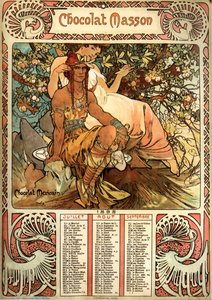
In the pantheon of Art Nouveau, few names resonate with as much grace and decorative mastery as Alphonse Mucha. His work, often characterized by a seamless marriage of fine art and ornamental elegance, finds one of its most profound expressions in the painting "Fate." This arresting portrait transcends mere representation, inviting the viewer into a silent, contemplative dialogue. At first glance, the composition presents two women, their figures positioned with a striking symmetry that anchors the frame. Yet, there is an immediate sense of mystery; each woman uses her hand to obscure her face, creating a veil of anonymity that suggests a deep, internal world hidden from the observer. This deliberate act of concealment serves as a gateway to the piece's deeper emotional resonance, evoking feelings of vulnerability, introspection, and the profound weight of the unknown.
The technical brilliance of Mucha is on full display through his signature use of organic, undulating lines—the very heartbeat of the Art Nouveau movement. The drapery that cascades around the central figures does not merely hang; it flows with a rhythmic vitality, mimicking the fluid motion of wind or water. This sinuousness provides a breathtaking contrast to the more rigid, rectilinear elements within the scene, such as the dining table and the delicate cups placed in the background. Through this masterful manipulation of geometry, Much and his contemporaries sought to break away from the mechanical rigidity of the industrial age, instead celebrating the rhythmic pulse of the natural world. For the collector or interior designer, this interplay of soft curves and structured forms offers a sophisticated visual balance that can anchor a room with both movement and stability.
Symbolism and the Soul of Art Nouveau
Beyond its aesthetic allure, "Fate" is a tapestry woven with rich symbolic threads drawn from Slavic folklore and Christian iconography. The act of covering one's eyes is far more than a stylistic choice; it represents a spiritual retreat—an attempt to turn away from the distractions of the material world to grasp the elusive nature of destiny itself. The dining table, visible in the soft-focus background, serves as a poignant symbol of nourishment and communion, suggesting that even amidst the uncertainty of life's journey, there remains a fundamental human need for connection and sustenance. This duality—the tension between the external world of social ritual and the internal world of spiritual searching—is what gives the painting its enduring psychological depth.
The color palette further enhances this atmosphere of quiet intrigue. By utilizing muted tones of beige, pale green, and soft earth hues, Mucha creates a dreamlike environment that feels both timeless and ethereal. This subdued chromatic range ensures that the focus remains on the emotional gestures of the subjects rather than being overwhelmed by vibrant spectacle. For those seeking to incorporate a piece of history into a modern living space, a high-quality reproduction of "Fate" offers more than just decoration; it provides a window into the Belle Époque, bringing an aura of intellectual contemplation and sophisticated mystery to any curated collection or thoughtfully designed interior.
Fragen & Antworten
Welche Stimmung und welche Emotion vermittelt "Fate" von Alphonse Maria Mucha?
In "Fate" begleitet eine Elegant-Stimmung eine Mysterious Emotion.
In welchem Raum wird die Platzierung von „Fate“ unter Berücksichtigung der Farbpalette empfohlen?
Mit seiner Neutrals-Palette wird "Fate" von Alphonse Maria Mucha für ein Living Room empfohlen. Die Farben sind einer der Gründe für diese Empfehlung.
Wie hoch ist die Leuchtkraft von "Fate" von Alphonse Maria Mucha?
"Fate" von Alphonse Maria Mucha weist eine Luminanz von Bright Balance auf. Die Luminanz beschreibt, wie viel Licht die Farben scheinbar reflektieren.
Wo sollte eine Reproduktion von "Fate" von Alphonse Maria Mucha aufgehängt werden?
Das Format Square von "Fate" von Alphonse Maria Mucha wird für ein Living Room empfohlen. Format und Raumgestaltung leiten gemeinsam die Platzierung einer Reproduktion.
Wie bekannt ist "Fate" von Alphonse Maria Mucha?
"Fate" wird als Iconic eingestuft.
Welches Format hat "Fate" von Alphonse Maria Mucha?
"Fate" von Alphonse Maria Mucha hat ein Square-Format. Das Format beschreibt die Proportionen der Komposition.
Gibt es Werke, die "Fate" ähneln?
Die Seite Ähnliche Werke von "Fate" von Alphonse Maria Mucha zeigt verwandte Kunstwerke.
Welche Art von Farben verwendet "Fate"?
Die Farben von "Fate" bilden eine Neutrals-Palette. Diese Klassifizierung beschreibt die dominierenden Farbfamilien.
Biografie des Künstlers
Frühes Leben und Ausbildung
- Geboren: 15. Juli 1860 in Ivanačice, Mähren (heute Teil der Tschechischen Republik)
- Zeigte schon in jungen Jahren künstlerisches Talent.
- Studierte an der Akademie der Schönen Künste in Prag, war aber von traditionellen Ansätzen enttäuscht.
- Zog 1887 nach Paris, um seinen eigenen Stil zu verfolgen.
Künstlerischer Stil und bemerkenswerte Werke
- Bekannt für seinen unverwechselbaren Jugendstil, der sich durch fließende Linien, organische Formen und eine Bewegungsempfindung auszeichnet.
- Beeinflusst von Künstlern wie Pierre-Auguste Renoir und Gustave Moreau.
- Bemerkenswerte Werke:
- Der slawische Aufstand – Zeigt die Verbindung traditioneller tschechischer Motive mit modernen Jugendstilelementen.
- Salon des Cent
- Gemälde, inspiriert von Werken wie Die Töchter des Tespio von Gustave Moreau und La Ribambelle des Gobelins von Piero Dorazio.
- Illustrationen basierend auf Junge Landwirte ernten Leinen von Sir Hubert von Herkomer.
- Stellte häufig idealisierte Frauen in fließenden Gewändern inmitten üppiger Blumen dar.
Karrierehöhepunkte und wichtige Aufträge
- Zusammenarbeit mit Sarah Bernhardt: Erschuf Plakate und Designs für die Schauspielerin Sarah Bernhardt, beginnend mit dem Plakat für Gismonda (1894), das seine Karriere startete.
- Weltausstellung in Paris (1900): Sein Jugendstil erlangte bei dieser Ausstellung internationale Anerkennung. Er dekorierte den Pavillon von Bosnien und Herzegowina und arbeitete an der Gestaltung des österreichischen Pavillons mit.
- Förderung durch Charles Richard Crane: Erhielt Unterstützung von Charles Richard Crane, die es ihm ermöglichte, die monumentale Serie Der slawische Epos (1912-30) zu schaffen.
- Unabhängiges Tschechoslowakei: Entwarf Briefmarken, Banknoten und Regierungsdokumente für das neu unabhängige Tschechoslowakei.
Einflüsse und Vermächtnis
- Beeinflusst von tschechischen künstlerischen Traditionen und modernen europäischen Kunstbewegungen.
- Sein einzigartiger Stil ebnete den Weg für zukünftige Generationen von Künstlern im Jugendstil und der Sezession.
- Inspirierte andere Künstler wie Eva Prokopcová.
- Sein Vermächtnis erstreckt sich über seine Kunstwerke hinaus und beeinflusst Design und Ästhetik.
Späteres Leben und Tod
- Vermählte sich 1906 mit Maruska (Marie/Maria) Chytilová.
- Besuchte von 1906 bis 1910 die Vereinigten Staaten, wo ihre Tochter Jaroslava geboren wurde.
- Starb am 14. Juli 1939 in Prag, Tschechoslowakei.

Alphonse Maria Mucha
1860 - 1939 , Tschechien
Eckdaten zum Künstler
- Beeinflusste Künstler:
- Pierre-Auguste Renoir
- Gustave Moreau
- Bemerkenswerte Werke:
- Slavonic Uprising
- Salon des Cent
- The Slav Epic
- Geburtsdatum: 15. Juli 1860
- Geburtsort: Brno, Tschechien
- Künstlerische Richtung: Art Nouveau
- Nationalität: Tschechisch
- Todatum: 14. Juli 1939
- Vollständiger Name: Alphonse Maria Mucha
- Von Künstlern Beeinflusst: ['Eva Prokopcová']
Verwandte Artikel

Gustav Klimt: Die 25 Meisterwerke des Wiener Jugendstils | OriginalUniqueArt
Entdecken Sie die 25 ikonischsten Gemälde von Gustav Klimt! Tauchen Sie ein in die Welt der Wiener Secession, des Jugendstils und der goldenen Phase. Hochwertige Reproduktionen & Inspiration für Ihr Zuhause auf OriginalUniqueArt.com.
Alphonse Mucha: Meister des Jugendstils und seine zeitlose Ästhetik
Entdecken Sie das Leben und Werk von Alphonse Mucha, dem Meister des Jugendstils! Erfahren Sie mehr über seine ikonischen Plakate, Illustrationen und den bleibenden Einfluss seiner Kunst auf die moderne Welt. Jetzt lesen!
The Elegance of Art Nouveau: Embracing Nature's Fluid Beauty and the Belle Époque Spirit
Discover the enchanting world of Art Nouveau. Explore the organic beauty, flowing lines, and Belle Époque elegance that defined an era of unparalleled craftsmanship and natural inspiration.
The Flowing Line & Flourishing Form: Exploring Art Nouveau's Aesthetic Legacy
Explore the captivating world of Art Nouveau! Discover its origins, key artists like Horta & Mucha, regional styles, innovative techniques, and lasting influence on architecture & design. A comprehensive guide for art enthusiasts.
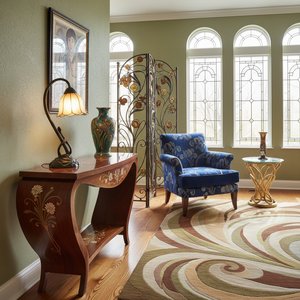
Art Nouveau Meisterwerke: Die 10 prägendsten Kunstwerke für Ihr Zuhause |
Entdecken Sie die 10 prägendsten Art Nouveau Meisterwerke! Von Mucha bis Klimt – erfahren Sie die Geschichten hinter ikonischen Gemälde & dekorativer Kunst. Hochwertige Kunstdrucke online kaufen auf