
 Vorschau anzeigen
 Versenden
 Teilen
 Details anzeigen

 Herunterladen
 Ähnliche Objekte
 Röntgenaufnahme
 Diashow
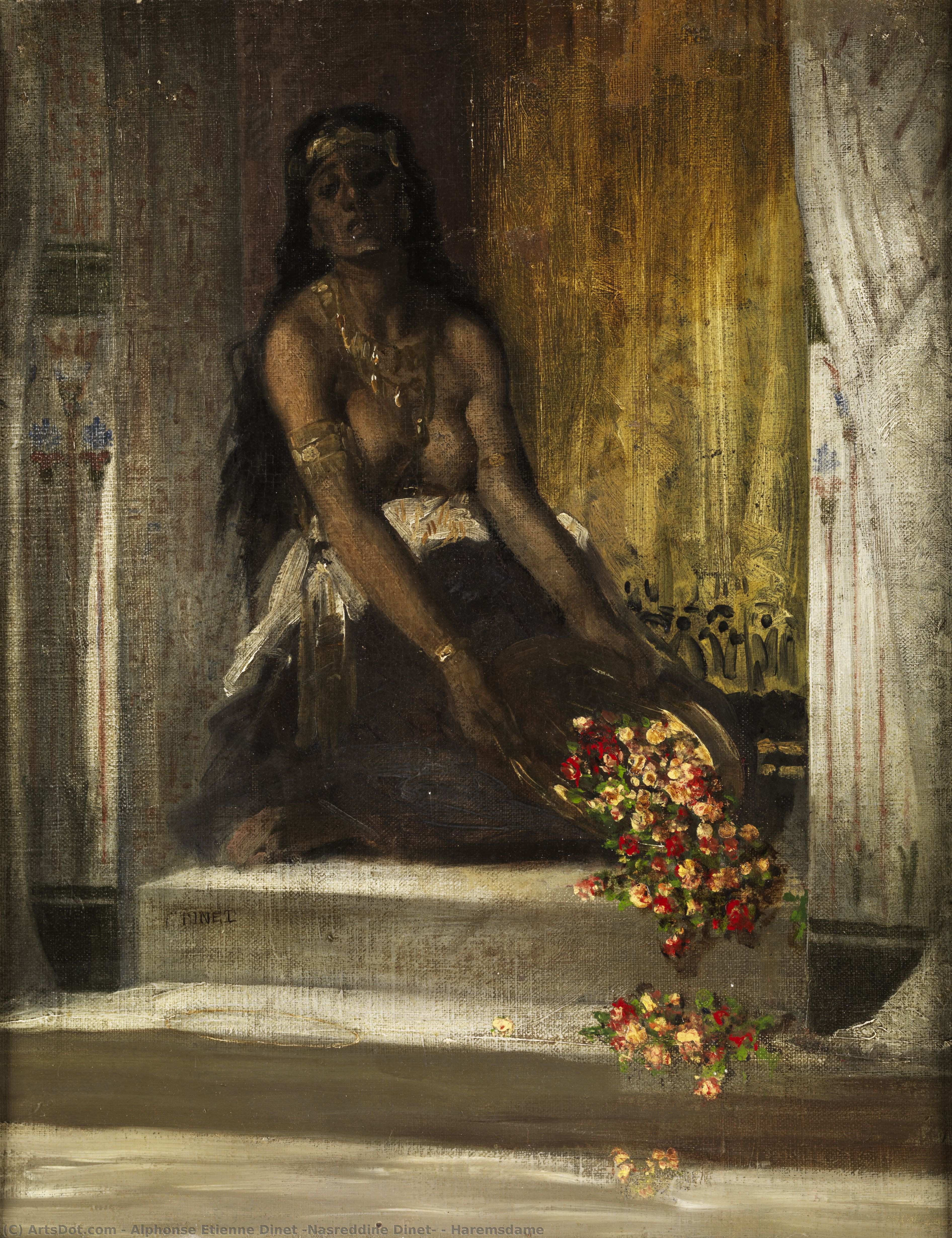
Haremsdame


 Weiterlesen
Giclée / Kunstdruck
Giclée- oder Leinwanddruck in Museumsqualität mit schneller Produktion und flexiblen Veredelungsoptionen. ( Handgemalte Reproduktion bestellen Bild kaufen)




































Wählen Sie aus unseren vordefinierten Formaten, die den ursprünglichen Proportionen des Kunstwerks entsprechen.

Sie können Ihre eigenen Maße eingeben, um ein bestimmtes Format oder einen speziellen Platz einzupassen. Wenn das von Ihnen gewählte Format nicht den Proportionen des Originalbildes entspricht, werden wir das Kunstwerk entweder beschneiden oder das Bild mit einem gespiegelten oder einfarbigen Rand erweitern. Ein digitaler Entwurf wird Ihnen zur Genehmigung zugesandt, bevor die Produktion beginnt.
Bitte beachten Sie, dass die Vorschau auf dem Bildschirm nicht den tatsächlichen Zuschnitt oder die Erweiterung widerspiegelt. Nur der Entwurf zeigt die endgültige Komposition präzise an.
Obwohl Sondermaße verfügbar sind, empfehlen wir die Auswahl eines Maßes aus der vordefinierten Liste, um die ursprünglichen Proportionen zu bewahren.
Weltweiter Versand () innerhalb von 2 Wochen statt der üblichen 4/5 Wochen. (13 August)

Kostenloser weltweiter Expressversand

Hochwertige Leinenleinwand

Umfassender Versicherungsschutz beim Versand

Zollgebühren-Rückerstattungsgarantie

Garantie für exakte Farbtreue

60 Tage Rückgaberecht (nur bei Mängeln)

100% Geld-zurück-Garantie

Mengenrabatt verfügbar
 Die Glasoption ist nur für Größen unter 110 cm verfügbar.

Haremsdame
Giclée / Kunstdruck
Format der Reproduktion
-


Gesamtpreis
$ 80
Über den Künstler
Alphonse Etienne Dinet (Nasreddine Dinet): A Painter of Algerian Soul
Alphonse-Étienne Dinet, often referred to as Nasreddine Dinet, was a French Orientalist painter born in Paris on March 28, 1861. His artistic journey began with formal training at Lycée Henry IV, laying the groundwork for his distinctive style—a captivating blend of ethnographic observation and Romantic idealism. He became so enchanted with Algeria and its culture, that he converted to Islam, and was proficient in Arabic. In addition to his paintings, he translated Arabic literature into French.Early Life & Education
Dinet’s formative years instilled in him a meticulous attention to detail and an appreciation for scholarly pursuits. These influences would later permeate his artistic endeavors, particularly his depictions of Algerian society. He pursued his education diligently at Lycée Henry IV, where the future president Alexandre Millerand was also among the students—a connection that undoubtedly shaped his intellectual worldview. This dedication to learning served as a cornerstone for his subsequent artistic explorations and informed his understanding of the cultures he sought to portray.Algerian Inspiration
Dinet's fascination with Algeria proved pivotal in shaping his oeuvre. He embarked on numerous expeditions to the Maghreb region, immersing himself in its landscapes, customs, and traditions. This firsthand experience fueled his desire to portray the vibrant spirit of North Africa with uncompromising realism. The rugged beauty of the Ouled Naïl Range and the fertile plains surrounding Bou Saâda captivated him, inspiring countless canvases that capture the essence of Algerian life—a commitment to portraying reality as he perceived it.Stylistic Characteristics
Dinet’s paintings are characterized by a masterful use of light and color—techniques borrowed from Romantic painters like Eugène Delacroix—to convey emotion and atmosphere. He skillfully combined meticulous ethnographic sketches with expressive brushstrokes, creating images that resonate with both scientific accuracy and artistic fervor. Like Delacroix, he prioritized capturing the dramatic impact of natural phenomena on human subjects, imbuing his works with a palpable sense of movement and feeling. His canvases are imbued with warmth and vibrancy—colors drawn directly from the Algerian landscape—reflecting his profound engagement with the environment and its inhabitants.Notable Works
Among his most celebrated paintings are “L’Oued M'sila après la pluie,” a dramatic portrayal of Algerian scenery after rainfall; "Study For 'The Son Of A Saint'", which explores themes of grief and compassion; and “Girl Playing With Her Brother,” capturing the innocence and joy of childhood. These pieces exemplify Dinet’s ability to distill complex emotions into visually arresting compositions—a hallmark of his artistic style that continues to inspire admiration for its evocative beauty and psychological depth. His meticulous attention to detail, combined with a Romantic sensibility, cemented his place as one of the foremost artists documenting Islamic Algeria during the Belle Époque.Legacy & Significance
Dinet’s contribution to Orientalist art is undeniable. He stands alongside Frédéric Bouchardy and Alexandre Cabanel as a prominent figure in documenting and interpreting the cultures of distant lands during the Belle Époque. His paintings continue to inspire admiration for their evocative beauty and profound psychological insight—a testament to his enduring artistic legacy. Furthermore, his dedication to translating Arabic literature into French broadened access to Arab culture within France, furthering his commitment to fostering intercultural understanding.
Alphonse-Étienne Dinet
1861 - 1929 , Frankreich
Kurzinfos
- Artistic Movement Or Style: Orientalismus
- Artists Who Influenced This Artist:
- William-Adolphe Bouguereau
- Jean-François Millet
- Date Of Birth: March 28, 1861
- Date Of Death: December 24, 1929
- Full Name: Alphonse-Étienne Dinet
- Nationality: Französisch
- Notable Artworks:
- L’Oued M’sila après la pluie
- Study For 'The Son Of A Saint'
- Girl Playing With Her Brother
- Place Of Birth: Paris, Frankreich

