

 In echtem Maßstab anzeigen
 Versenden als Grußkarte
 Teilen
 Details anzeigen
 Leitfaden öffnen

 Herunterladen
 Ähnliche Objekte
 Röntgenaufnahme
 Diashow
 Besucherstatistiken
General interrogating a mobile guard, supporting an injured lieutenant


 Mehr anzeigen
Handgefertigte Ölreproduktion
Handgemaltes Ölgemälde auf Leinwand in Ihrer Wunschgröße und mit Rahmen, auf Bestellung von unseren Künstlern angefertigt. ( Zum Druck wechseln Zum digitalen Bild wechseln)




P118B €10

P118H €10

P118W €10

P438Z €10

P508JH €12

P508YH €12

P805H €10

P805Z €10

P919BZ €10

P919G €10

P919XJ €10

P959ZH €10

P968JZ €12

W106C €8

W218G €10

W218JH €8

W218Y €10

W307PJ €10

W316G €10

W316PJ €8

W316Y €10

W398PJ €8

W4111J €10

W500HY €15

W500JH €15

W692G €12

W849H €8

W940BG €15

W953PJ €8




Wählen Sie aus unseren vordefinierten Formaten, die den ursprünglichen Proportionen des Kunstwerks entsprechen.

Geben Sie die Breite und die Höhe an, die Sie für Ihren Rahmen oder Ihre Wand benötigen. Da dieses Werk handgemalt ist, kann der Künstler bei einer anderen Form etwas mehr um das Bild herum malen oder etwas abschneiden – Sie entscheiden. Wir senden Ihnen ein digitales Mockup zur Freigabe, bevor mit dem Malen begonnen wird. Das auf dieser Seite gezeigte Bild stellt nicht das tatsächliche Ergebnis dar – dies tut nur das Mockup.
Nach der Bestellung wird das OriginalUniqueArt.com-Team dem Kunden Anweisungen per E-Mail zusenden und eine Mockup-Vorschau bereitstellen.
Weltweiter Versand () in nur 3 bis 4 Wochen statt der üblichen 5 Wochen. (24 Oktober). Keine Kompromisse bei der Qualität.

Kostenloser weltweiter Expressversand

Hochwertige Leinenleinwand

Vollständiger Versicherungsschutz beim Versand

Zollgebühren-Rückerstattungsgarantie

Garantie für exakte Farbtreue

100-tägiges Rückgaberecht (nur bei Mängeln)

100% Geld-zurück-Garantie

Angebot für Mengenrabatt
 Die Glasoption ist nur für Größen unter 110 cm verfügbar.

General interrogating a mobile guard, supporting an injured lieutenant
Reproduktionsmedium
Format der Reproduktion
-


Gesamtpreis
€ 329
A Frozen Moment of Command: Alphonse de Neuville’s “General Interrogating a Mobile Guard Supporting an Injured Lieutenant”
Alphonse de Neuville's "General Interrogating a Mobile Guard Supporting an Injured Lieutenant," painted in 1879, is more than just a depiction of a military scene; it’s a meticulously crafted tableau of tension, duty, and the lingering weight of conflict. The painting transports us to a bleak, snow-swept landscape – likely inspired by the aftermath of the Franco-Prussian War – where a seasoned general, radiating authority, engages in a serious conversation with a young lieutenant bearing the visible wounds of battle. The scene isn’t one of triumphant victory, but rather a quiet assessment amidst the ruins of war, a moment suspended between interrogation and judgment.
De Neuville's artistic lineage is deeply rooted in the Romantic tradition, particularly influenced by Eugène Delacroix’s dramatic use of color and composition. This influence manifests powerfully here through the carefully orchestrated arrangement of figures against the stark backdrop. The triangular structure, anchored by the central interaction between the general and the lieutenant, draws the viewer’s eye directly to this pivotal exchange. The horses, rendered with a remarkable sense of realism – their coats gleaming faintly beneath the overcast sky – contribute significantly to the painting's dynamic energy, suggesting movement and urgency even within the stillness of the scene.
A Palette of Winter: Color, Light, and Atmosphere
The color palette is deliberately restrained, dominated by a muted range of grays, whites, and browns that perfectly capture the harshness and desolation of the winter landscape. Subtle hints of warmer tones – in the uniforms of the officers and the horse coats – provide a delicate contrast, preventing the scene from becoming entirely bleak. De Neuville masterfully employs atmospheric perspective; distant figures are rendered with increasing softness and detail loss, creating an illusion of depth that anchors the viewer within this frozen world. The diffused lighting, characteristic of overcast days, casts a soft, even illumination across the canvas, eliminating strong shadows and contributing to the painting’s somber mood.
The Language of Line and Texture
De Neuville's technique is firmly rooted in academic painting, evident in his skillful rendering of form and detail. Visible brushstrokes – particularly prominent in the depiction of the snow-covered ground and the textures of clothing – add a tactile quality to the work, inviting the viewer to almost feel the cold wind and rough fabric. Lines are used strategically to define shapes and create a sense of realism, while also subtly conveying the tension within the scene. The musculature of the horses is particularly well-defined, adding to their powerful presence. The artist’s attention to detail extends to the subtle nuances of facial expressions – the general's stern gaze, the lieutenant’s wounded composure – revealing a profound understanding of human psychology.
Symbolism and Emotional Resonance
Beyond its realistic depiction of military life, “General Interrogating a Mobile Guard Supporting an Injured Lieutenant” is rich in symbolic meaning. The injured lieutenant represents sacrifice and loss—a tangible reminder of the brutal cost of war. The general’s questioning posture suggests responsibility, authority, and perhaps even regret. The scene evokes feelings of uncertainty, duty, and the lingering trauma of conflict. It's a poignant meditation on leadership, accountability, and the enduring consequences of violence. The painting doesn’t offer easy answers or heroic narratives; instead, it presents a complex and emotionally resonant portrait of a moment caught between action and reflection.
A Legacy in Oil: Materials and Historical Context
Created using traditional oil paints on canvas, this artwork stands as a testament to de Neuville's mastery of his medium. The choice of oil paint allowed for layering and blending, contributing to the painting’s rich textures and nuanced color palette. Painted during the late 19th century, it reflects the artistic and political climate of France following the Franco-Prussian War – a period marked by nationalistic fervor and a desire to commemorate military achievements. De Neuville's work served as both a historical record and a powerful expression of patriotic sentiment. The painting’s acquisition by the Musée de l’Armée in Paris underscores its significance within French art history.
Fragen & Antworten
Wo kann ich Kunstwerke finden, die "General interrogating a mobile guard, supporting an injured lieutenant" von Alphonse de Neuville ähneln?
Kunstwerke, die "General interrogating a mobile guard, supporting an injured lieutenant" von Alphonse de Neuville ähneln, sind auf der Ähnliche Werke-Seite des Kunstwerks zusammengefasst.
Welche Farbsättigung weist "General interrogating a mobile guard, supporting an injured lieutenant" von Alphonse de Neuville auf?
Die Farbpalette von "General interrogating a mobile guard, supporting an injured lieutenant" weist eine Sättigung von Muted auf.
Ist "General interrogating a mobile guard, supporting an injured lieutenant" von Alphonse de Neuville ein Gemälde, eine Zeichnung oder ein Druck?
"General interrogating a mobile guard, supporting an injured lieutenant" von Alphonse de Neuville wird als WallArt klassifiziert. Die Kategorie beschreibt die Art des Kunstwerks, um das es sich beim Original handelt.
Biografie des Künstlers
Alphonse de Neuville – Ein Maler des Krieges und der Erinnerung
Alphonse-Marie-Adolphe de Neuville, geboren 1835 in Saint-Omer im Département Pas-de-Calais Frankreich, war ein deutscher Schlachtenmaler, dessen Werk eine außergewöhnliche Darstellung von historischen Ereignissen und menschlicher Erfahrung verkörpert. Sein Leben fand seinen Höhepunkt im Kontext des europäischen Umbruchs des ausgehenden 19. Jahrhunderts, einer Zeit geprägt von imperialistischen Ambitionen, verheerenden Kriegen und einem Aufstieg nationaler Identitäten – ein Hintergrund, der sein künstlerisches Schaffen tief beeinflusste. Obwohl zunächst eine Karriere auf See in Betracht gezogen wurde, entschied sich de Neuville schließlich für die akademische Malerei und fand unter Anleitung des renommierten Künstlers Eugène Delacroix seinen künstlerischen Weg vor. Diese Mentorschaft prägte seine künstlerische Vision und verlieh ihm ein Verständnis für dramatische Erzählungen und wie historische Ereignisse auf Leinwand mit überzeugender Kraft dargestellt werden können. Seine Ausbildung begann bei François-Edouard Picot, dessen Einfluss ihm eine solide Grundlage in klassischen Maltechniken vermittelte. Doch es war Delacroix, der ihn wirklich inspirierte und ihm einen Stil verleihte, der sich durch Dynamik, Leidenschaft und eine außergewöhnliche Fähigkeit zur Darstellung menschlicher Emotionen auszeichnete – ein Stil, der auch heute noch von Kunsthistorikern bewundert wird. Diese Verbindung zu Delacroix prägte nicht nur seinen künstlerischen Geschmack sondern auch seine Arbeitsweise und beeinflusste maßgeblich sein später Werk.Die Geburt eines Kriegskünstlers und frühe Werke
Neuville entdeckte früh für die Kunst und begann bereits 1856 mit seinem Studium an der Marineakademie in Lorient, wobei er sich jedoch schnell für die Malerei entschied und Schüler von Picot wurde. Sein erster großer Erfolg gelang ihm 1860 mit dem Gemälde „Die Gardejäger am Laufgraben des Mamelon Vert“, das eine Szene aus dem Krimkrieg darstellt und dessen dramatische Komposition und Verwendung von Licht und Schatten Delacroixs Einfluss widerspiegeln. Dieses Werk etablierte ihn als einen Künstler, der sich nicht nur für historische Ereignisse interessierte sondern auch darin eine Herausforderung sah und bereit war, diese mit außergewöhnlicher künstlerischer Kreativität zu nutzen. Er setzte sein Wissen über Militärgeschichte ein und zeichnete Figuren und Szenen auf eine Weise auf, die sowohl beeindruckend detailliert als auch tief bewegend wirken ließ. Seine frühen Arbeiten zeigten bereits eine besondere Sensibilität für die Darstellung menschlicher Emotionen und eine Fähigkeit zur Übertragung von historischen Ereignissen auf Leinwand mit großer Leidenschaft und Präzision. Er war besonders fasziniert von den Konflikten des europäischen Umbruchs und konnte diese in seinen Gemälden auf beeindruckende Weise einfangen – ein Stil, der ihn von vielen seiner Zeitgenossen unterschied und ihm einen besonderen Platz im Kunstgeschichte sicherte.Die Zusammenarbeit mit Jules Verne und die Entwicklung eines einzigartigen Stils
Neuville fand sein künstlerisches Durchbruch durch seine Zusammenarbeit mit dem Schriftsteller Jules Verne und dessen berühmtem Roman „Zwölftausend Meilen unter dem Meer“. Seine Illustrationen für dieses Werk erweiterten seinen künstlerischen Horizont und brachten ihm eine größere Öffentlichkeit zugänglich. Dabei setzte er auf eine außergewöhnliche Kombination von Beobachtungsgabe und künstlerischer Fantasie und konnte damit nicht nur die Geschichte des Romans lebendig werden lassen sondern auch einen neuen Blickwinkel auf die Welt eröffnen. Diese Zusammenarbeit zeigte Neuville als Künstler, der bereit war, sich Herausforderungen zu stellen und neue Perspektiven einzunehmen – ein Stil, der ihn von anderen Künstlern seiner Zeit unterscheidet und ihm eine besondere Bedeutung verleiht. Er entwickelte seinen einzigartigen Stil kontinuierlich weiter und perfektionierte seine Techniken durch umfangreiche Studien und praktische Erfahrung. Dabei blieb er stets seinem Fokus auf historische Ereignisse und menschliche Emotionen treu und konnte damit einen unverwechselbaren Ausdruck für seine eigene künstlerische Vision finden. Seine Gemälde zeichnen sich durch eine außergewöhnliche Detailtreue aus, wobei er sorgfältig recherchierte und oft mit Militärexperten zusammenarbeitete, um die Authentizität seiner Darstellungen sicherzustellen. Diese Kombination von wissenschaftlicher Genauigkeit und künstlerischem Einfühlungsvermögen prägte sein Werk und machte es zu einem wichtigen Bestandteil der Kunstgeschichte des 19. Jahrhunderts. ## Schlüsselwerke und historische Bedeutung Neuville konzentrierte sich auf die Darstellung von Konflikten und historischen Ereignissen und konnte diese mit außergewöhnlicher Leidenschaft und Präzision auf Leinwand einfangen. Seine Werke sind geprägt von einer tiefen Sensibilität für menschliche Emotionen und eine Fähigkeit zur Übertragung historischer Geschichten auf eine Weise, die sowohl beeindruckend detailliert als auch tief bewegend wirkt lässt. Besonders hervorzuheben sind folgende Gemälde: * „Die Verteidigung von Palma Major“ (1875): Eine dramatische Darstellung eines Schlüsselmoments im Krimkrieg, bei der Neuville seine außergewöhnliche Fähigkeit zur Komposition und Lichtführung demonstriert und gleichzeitig die menschliche Seite des Konflikts betont. * „Der Angriff eines verbarrikadierten Hauses von Villersexel“ (1874): Ein beeindruckendes Beispiel für Neuville’s Stil, der sich durch eine hohe Detailtreue und eine außergewöhnliche Fähigkeit zur Darstellung von Atmosphäre und Emotionen auszeichnet. Seine Gemälde haben einen besonderen historischen Wert und dokumentieren wichtige Ereignisse des europäischen Umbruchs und tragen dazu bei, die Erinnerung an diese Zeit lebendig zu halten. Neuville gilt als einer der bedeutendsten Schlachtenmaler seiner Zeit und sein Werk wird bis heute von Kunsthistorikern und Publikum gefeiert – ein Künstler, dessen Gemälde nicht nur eine außergewöhnliche künstlerische Leistung darstellen sondern auch einen wichtigen Beitrag zur Darstellung der Geschichte leisten. Seine Werke sind weltweit bekannt und werden in renommierten Museen aufbewahrt und präsentiert und tragen dazu bei, die Kunstgeschichte des 19. Jahrhunderts zu bewahren und weiterzugeben.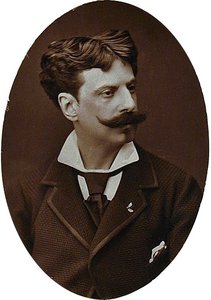
Alphonse de Neuville
1835 - 1885 , Frankreich
Eckdaten zum Künstler
- Beeinflusste Künstler:
- Eugène Delacroix
- François-Edouard Picot
- Bemerkenswerte Werke:
- Die Ladung der Leichten Brigade
- Die Verteidigung von Palma Major
- Geburtsdatum: 31. Mai 1835
- Geburtsort: Saint-Omer, Frankreich
- Künstlerische Bewegung: Akademischer Realismus
- Nationalität: Französisch
- Todatum: 20. Mai 1885
- Vollständiger Name: Alphonse de Neuville
Verwandte Artikel
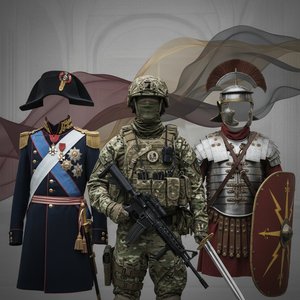
Beyond the Fabric: Decoding Identity, Authority, and Symbolism in the Art of Military Uniforms
Explore the profound symbolism of military uniforms in art history. From Victorian portraits to realistic lithographs, discover how artists capture power, identity, and historical legacy through the intricate details of martial regalia and command.

Goya: Die 25 Meisterwerke des spanischen Genies – Kunst für Ihr Zuhause | OriginalUniqueArt
Entdecken Sie die 25 Meisterwerke von Francisco Goya! Tauchen Sie ein in die düstere Romantik spanischer Malerei, Porträts & Historienbilder. Hochwertige Kunstdrucke auf OriginalUniqueArt.com – für Kunstliebhaber und stilvolles Wohnen.

Willem de Kooning: Abstraktion, Geste und die Entwicklung der Nachkriegsamerikanischen Malerei
Entdecken Sie Willem de Koonings revolutionäre Kunst und die Entwicklung des Abstrakten Expressionismus. Expertenanalyse, Investitionspotenzial & Sammlerwert – erfahren Sie mehr auf OriginalUniqueArt.

Über uns
Entdecken Sie unsere Geschichte! Wir bringen Weltklasse-Kunst in Ihr Leben durch fachkundige Auswahl, individuelle Kreationen und kostenlose Vorschauen. Seit dem Jahr 2000 von Privatpersonen und Unternehmen geschätzt.

William Owen: A Poetic Vision of War & Landscape in British Modernism
Explore the poignant war poetry of Wilfred Owen, a key figure in British Modernism. Discover his innovative style, themes of loss & camaraderie, and lasting impact on 20th-century literature. Analysis & historical context included.
