

 Vorschau anzeigen
 Versenden
 Teilen
 Details anzeigen
 Leitfaden

 Herunterladen
 Ähnliche Objekte
 Röntgenaufnahme
 Diashow
 Q&A
Q&A Statistiken
Saint Jacques le Majeur


 Weiterlesen
Giclée / Kunstdruck
Giclée- oder Leinwanddruck in Museumsqualität mit schneller Produktion und flexiblen Veredelungsoptionen. ( Handgemalte Reproduktion bestellen Zum digitalen Bild wechseln)




P118B €10

P118H €10

P118W €10

P438Z €10

P508JH €12

P508YH €12

P805H €10

P805Z €10

P919BZ €10

P919G €10

P919XJ €10

P959ZH €10

P968JZ €12

W106C €8

W218G €10

W218JH €8

W218Y €10

W307PJ €10

W316G €10

W316PJ €8

W316Y €10

W398PJ €8

W4111J €10

W500HY €15

W500JH €15

W692G €12

W849H €8

W940BG €15

W953PJ €8




Wählen Sie aus unseren vordefinierten Formaten, die den ursprünglichen Proportionen des Kunstwerks entsprechen.

Geben Sie die benötigte Breite und Höhe an, damit der Druck perfekt in Ihren Rahmen oder an Ihre Wand passt. Ein Druck kann nur beschnitten, aber niemals größer als das Originalbild angefertigt werden; daher verliert ein Format mit anderen Proportionen einen Teil des Bildes. Wir senden Ihnen ein digitales Mockup zur Freigabe, bevor wir den Druck ausführen. Das auf dieser Seite gezeigte Bild zeigt nicht den tatsächlichen Beschnitt – dies ist nur im Mockup ersichtlich.
Weltweiter Versand () innerhalb von 2 Wochen statt der üblichen 4/5 Wochen. (29 Oktober)

Kostenloser weltweiter Expressversand

Hochwertige Leinenleinwand

Umfassender Versicherungsschutz beim Versand

Zollgebühren-Rückerstattungsgarantie

Garantie für exakte Farbtreue

100 Tage Rückgaberecht (nur bei Mängeln)

100% Geld-zurück-Garantie

Mengenrabatt verfügbar
 Die Glasoption ist nur für Größen unter 110 cm verfügbar.

Saint Jacques le Majeur
Giclée / Kunstdruck
Format der Reproduktion
-


Endpreis
€ 71
A Vision of Divine Serenity: Alonso Cano’s Saint Jacques le Majeur
In the grand, dramatic theater of the Spanish Baroque, few figures command the canvas with as much quiet authority as Alonso Cano’s Saint Jacques le Majeur. To encounter this masterpiece is to step into a moment of profound spiritual stillness, a deliberate pause amidst the turbulent religious fervor of the seventeenth century. The painting presents Saint James the Greater not as a warrior in the heat of battle, but as a figure of deep, contemplative grace. Seated upon a simple stone pedestal, the saint radiates a sense of peace that transcends the earthly realm, inviting the viewer into a shared space of devotion and introspection.
Cano, an artist whose life was as multifaceted and complex as his brushwork, possessed a rare ability to marry the physical with the metaphysical. In this work, he utilizes the hallmark techniques of the Baroque period to sculpt form out of shadow. Through the masterful application of chiaroscuro, a brilliant light source emerges from the front-left, illuminating the saint’s weathered face and the soft folds of his garments while allowing the background to recede into an atmospheric, dark void. This interplay of light and shadow does more than create depth; it directs the soul's eye toward the subject's expression, emphasizing a sense of divine presence that feels almost palpable.
The Language of Symbolism and Technique
Every element within the composition serves a higher narrative purpose, making this piece an exquisite choice for those who appreciate art with intellectual and emotional depth. The saint’s raised hand, palm open in a gesture of blessing, acts as a bridge between the divine and the spectator, offering a silent benediction to all who behold it. Leaning against his shoulder, the pilgrim's staff serves as a vital attribute, grounding the figure in his historical identity as a traveler and a pillar of faith. The earthy palette—rich with deep browns, muted greens, and warm pinkish skin tones—complements the organic textures of the stone and fabric, creating a grounded, tactile reality.
For the discerning collector or interior designer, this painting offers a sophisticated anchor for any curated space. The technique employed by Cano involves a meticulous layering of oil glazes, which lends the skin an inner luminosity and the drapery a heavy, luxurious weight. These visible yet refined brushstrokes provide a textural richness that is particularly striking in high-quality reproductions. Whether placed in a sunlit gallery or a moody, library-style study, the artwork brings with it an aura of timelessness and dignity.
An Enduring Legacy for Modern Interiors
Beyond its historical significance, Saint Jacques le Majeur possesses a transformative emotional impact. It does not merely decorate a room; it alters its atmosphere, infusing it with a sense of solemnity and grace. The painting’s ability to evoke such intense, quiet emotion makes it a profound choice for those seeking to create environments of reflection and prestige. As a reproduction, it allows the grandeur of the Spanish Baroque to reside within contemporary homes, offering a window into an era where art was the ultimate vessel for the human spirit's highest aspirations.
Fragen & Antworten
Welche Stimmung und welche Emotion vermittelt "Saint Jacques le Majeur" von Alonso Cano?
"Saint Jacques le Majeur" von Alonso Cano vermittelt ein Spiritual Gefühl innerhalb einer insgesamt Dramatic Stimmung.
Welche Farben dominieren "Saint Jacques le Majeur" von Alonso Cano?
"Saint Jacques le Majeur" von Alonso Cano verwendet eine Earthy-Palette, wobei Espresso (#5c472e) die dominierende Farbe ist.
Wie lässt sich "Saint Jacques le Majeur" in das Gesamtwerk von Alonso Cano einordnen?
"Saint Jacques le Majeur" gehört zu Alonso Canos Werk der Baroque-Epoche, dessen dokumentierte Themen unter anderem biblical narrative, baroque style, spiritual symbolism, patronage influence, artist legacy umfassen.
Künstlerbiografie
Ein Universalgenie aus Granada
Alonso Cano Almansa nimmt eine herausragende Stellung im Spanischen Goldenen Zeitalter ein – ein wahrer Polymath, dessen schöpferischer Geist sich nicht auf ein einziges Medium begrenzen ließ. Geboren in Granada, Spanien, war er ein seltenes Talent, das die unterschiedlichen Disziplinen der Malerei, Bildhauerei und Architektur mit gleicher Leidenschaft meisterte. Seine künstlerische Reise begann unter der Anleitung seines Vaters, Miguel Cano, von dem er die grundlegenden Prinzipien der Architektur erbte. Dieses strukturelle Verständnis sollte später die räumliche Tiefe und die monumentale Präsenz prägen, die seinen visuellen Werken eigen sind.
Seine Ausbildung war ein kunstvolles Geflecht aus den bedeutendsten Einflüssen der spanischen Kunstwelt. Im Bereich der Malerei verfeinerte er seine Pinselführung in der Akademie von Juan del Castillo und studierte unter Francisco Pacheco, dem hochgeschätzten Lehrer von Velázquez. Diese Abstammungslinie verband ihn direkt mit dem Herzen der Barockbewegung und verlieh seinen Leinwänden ein Gefühl von dramatischer Spannung und spiritueller Leuchtkraft. Gleichzeitig wurde sein bildhauerisches Können unter der Obhut von Juan Martínez Montañés geschmiedet, was es ihm ermöglichte, Stein und Holz mit einem tiefen Sinn für anatomische Anmut und emotionale Resonanz Leben einzuhauchen.
Die Meisterschaft von Form und Geist
Das Gesamtwerk Canos zeichnet sich durch die außergewöhnliche Fähigkeit aus, das Göttliche innerhalb der menschlichen Gestalt einzufangen. Als Bildhauer erlangte er bleibenden Ruhm durch Werke wie die Madonna mit Kind in der Kirche von Lebrija sowie durch seine kolossalen, imposanten Figuren des Heiligen Petrus und des Heiligen Paulus. Diese Arbeiten demonstrieren eine Meisterschaft der Proportionen und die Fähigkeit, durch physische Präsenz tiefe religiöse Hingabe zu evozieren.
In seinen Gemälden nutzte Cano die dramatischen Techniken der Barockära, um Momente intensiver spiritueller Begegnungen zu erschaffen. Seine Kompositionen zeichnen sich oft aus durch:
- Das Zusammenspiel von Licht und Schatten, bei dem unsichtbare Lichtquellen heilige Figuren erhellen, wie etwa in seiner Darstellung des Evangelisten Johannes auf Patmos.
- Emotionale Intimität, sichtbar in Werken wie Noli me Tangere, in denen die Spannung zwischen göttlicher Gnade und menschlicher Sehnsucht greifbar wird.
- Die Last des Opfers, eingefangen im düsteren und dramatischen Tableau von Der tote Christus, gestützt von einem Engel.
Vermächtnis und königliche Anerkennung
Die Bedeutung von Alonso Canos Talent wurde auf den höchsten Ebenen des spanischen Hofes anerkannt. Sein Prestige führte zu seiner Ernennung zum ersten königlichen Architekten und zum Hofmaler von Philipp IV.. Sein Einfluss erstreckte sich sogar auf die Erziehung der nächsten Generation, da er als Lehrer für den Prinzen Balthasar Karl fungierte. Diese Nähe zur Macht erlaubte es ihm, einen unauslöschlichen Eindruck in der Architekturlandschaft Spaniens zu hinterlassen; bemerkenswerterweise war er der leitende Architekt der Kathedrale von Granada und entwarf deren prächtige Fassade, die nach seinem Tod schließlich errichtet wurde.
Jenseits seiner offiziellen Titel bleibt Canos Vermächtnis im eigentlichen Gefüge der andalusischen Kultur bewahrt. Seine Fähigkeit, die strukturelle Strenge der Architektur, die haptische Emotion der Bildhauerei und das leuchtende Geschichtenerzählen der Malerei miteinander zu verweben, sichert ihm seinen Platz als einer der vielseitigsten und wesentlichen Meister des spanischen Barock.

Alonso Cano
1601 - 1667 , Spanien
Kurzinfos
- Bemerkenswerte Kunstwerke:
- Johannes der Evangelist auf Patmos
- Der tote Christus, gestützt von einem Engel
- Noli me Tangere
- Die Kreuzigung
- Madonna mit Kind
- Geburtsdatum: 1601
- Geburtsort: Granada, Spanien
- Künstler, Die Diesen Künstler Beeinflussten:
- Miguel Cano
- Juan del Castillo
- Francisco Pacheco
- Juan Martínez Montañés
- Künstlerische Bewegung Oder Stil: Barock
- Nationalität: Spanisch
- Sterbedatum: 1667
- Vollständiger Name: Alonso Cano Almansa
Ähnliche Artikel

The Dramatic Flourish: Exploring the Baroque Movement's Enduring Legacy in Art History
Explore the dramatic world of Baroque art! Discover iconic artists like Caravaggio & Rubens, defining techniques, and its lasting impact on art history. Expert insights for collectors & enthusiasts at OriginalUniqueArt.

Sir Alfred James Munnings: Die 25 Meisterwerke des Pferdebildes | OriginalUniqueArt
Entdecken Sie die 25 Meisterwerke von Sir Alfred James Munnings! Erleben Sie seine beeindruckenden Pferdebilder, geprägt vom Impressionismus und Realismus. Hochwertige Kunstdrucke & Reproduktionen auf OriginalUniqueArt.com – für elegante Wandkunst & stilvolles Interieurdesign.
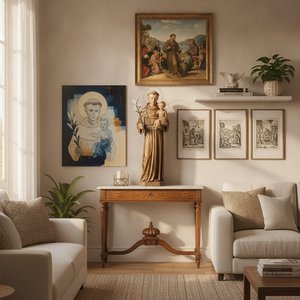
Discover the Divine: Inspiring Saint Anthony Artworks to Elevate Your Home Decor
Transform your home with the profound beauty of Saint Anthony artworks. Explore exquisite Baroque reproductions by Murillo and Zurbarán, hand-painted on 100% cotton canvas to bring divine serenity and timeless elegance to your interior design.

James Abbott McNeill Whistler: Die 25 Meisterwerke für Ihr Zuhause | OriginalUniqueArt
Entdecken Sie die 25 Meisterwerke von James Abbott McNeill Whistler! Von den berühmten Nocturnes bis zu ikonischen Porträts – erleben Sie Ästhetizismus, Impressionismus & Tonalismus. Hochwertige Reproduktionen auf OriginalUniqueArt.com.

Giclée Prints: Archival Quality & Aesthetic Nuances for the Discerning Collector
Explore the world of giclée prints with OriginalUniqueArt. Learn about archival quality, aesthetic nuances & investment potential. Expert guidance for discerning art collectors seeking museum-quality reproductions and lasting value.


