

 In echtem Maßstab anzeigen
 Versenden als Grußkarte
 Teilen
 Details anzeigen
 Leitfaden öffnen

 Herunterladen
 Ähnliche Objekte
 Röntgenaufnahme
 Diashow
 Besucherstatistiken
Flora Macdonald
 Oil On Canvas
- WallArt
- Rococo Portraiture
 1749
1749 74.0 x 61.0 cm
 Ashmolean Museum of Art and Archaeology
 Mehr anzeigen
Giclée / Kunstdruck
Giclée- oder Leinwanddruck in Museumsqualität mit schneller Produktion und flexiblen Veredelungsoptionen. ( Handgemalte Reproduktion kaufen Zum digitalen Bild wechseln)




P118B €10

P118H €10

P118W €10

P438Z €10

P508JH €12

P508YH €12

P805H €10

P805Z €10

P919BZ €10

P919G €10

P919XJ €10

P959ZH €10

P968JZ €12

W106C €8

W218G €10

W218JH €8

W218Y €10

W307PJ €10

W316G €10

W316PJ €8

W316Y €10

W398PJ €8

W4111J €10

W500HY €15

W500JH €15

W692G €12

W849H €8

W940BG €15

W953PJ €8




Wählen Sie aus unseren vordefinierten Formaten, die den ursprünglichen Proportionen des Kunstwerks entsprechen.

Geben Sie die Breite und die Höhe an, die Sie benötigen, damit der Druck perfekt in Ihren Rahmen oder an Ihre Wand passt. Ein Druck kann nur beschnitten werden und niemals größer als das Originalbild gemacht werden; daher verliert ein Format mit einer anderen Proportion einen Teil des Bildes. Wir senden Ihnen ein digitales Mockup zur Freigabe, bevor wir den Druck ausführen. Das auf dieser Seite gezeigte Bild zeigt nicht den tatsächlichen Beschnitt – dies ist nur im Mockup ersichtlich.
Weltweiter Versand () innerhalb von 2 Wochen statt der üblichen 4/5 Wochen. (20 Oktober)

Kostenloser weltweiter Expressversand

Hochwertige Leinenleinwand

Vollständiger Versicherungsschutz beim Versand

Zollgebühren-Rückerstattungsgarantie

Garantie für exakte Farbtreue

100-tägiges Rückgaberecht (nur bei Mängeln)

100% Geld-zurück-Garantie

Angebot für Mengenrabatt
 Die Glasoption ist nur für Größen unter 110 cm verfügbar.

Flora Macdonald
Giclée / Kunstdruck
Format der Reproduktion
-


Gesamtpreis
€ 70
Flora Macdonald: A Portrait of Courage and Resilience
Allan Ramsay’s “Flora Macdonald,” painted in 1749, is more than just a likeness; it's a potent distillation of Scottish history, embodying the spirit of rebellion and the quiet heroism of an ordinary woman thrust into extraordinary circumstances. Housed within the Ashmolean Museum’s collection in Oxford, this oil on canvas portrait captures a pivotal moment – the clandestine assistance offered to Charles Edward Stuart after the devastating Battle of Culloden, a scene that has resonated through generations.
Ramsay, a master of capturing both aristocratic elegance and subtle emotion, skillfully portrays Flora as a young woman of striking composure. Her fair skin and dark hair are rendered with meticulous detail, styled in an updo indicative of the late 18th century’s fashion trends. The neutral expression on her face—a slight parting of her lips suggesting either a recent utterance or a thoughtful pause—allows the viewer to project their own interpretations onto her demeanor. The carefully chosen attire – a blue dress with a high collar and puffy sleeves, complemented by a vibrant red plaid shawl draped over her shoulder – speaks volumes about her social standing and adds a touch of warmth to the otherwise formal composition.
A Dramatic Narrative in Paint
The painting’s power lies not just in its technical brilliance but also in the narrative it conveys. The red plaid, instantly recognizable as associated with Clan MacDonald, immediately anchors Flora within her Highland heritage and subtly hints at the turbulent events surrounding her. Crucially, she holds a small bouquet of white and pink blooms – flowers often symbolizing purity, remembrance, and even sacrifice – suggesting both her role in protecting the Prince and the poignant cost of his ambition. The placement of her hand resting on what appears to be a chair or bench subtly conveys a sense of weary strength, hinting at the burdens she carried.
The dark background, punctuated by subtle hints of foliage, serves to isolate Flora as the central figure, amplifying her importance within the scene. Ramsay’s use of light is particularly noteworthy; it's soft and diffused, casting gentle shadows that add depth and dimension to the portrait, creating a sense of intimacy and drawing the viewer into Flora’s world.
Historical Context: A Heroine Forged in Rebellion
Flora Macdonald’s story is inextricably linked to the Jacobite rising of 1745. Following Culloden, she risked her life to help Charles Edward Stuart, the exiled heir to the throne, evade capture by government forces. Her bravery and resourcefulness – transporting the Prince disguised as a maidservant across the Highlands – became legendary, cementing her place in Scottish folklore. The painting captures this pivotal moment of defiance against overwhelming odds, transforming a simple Highland woman into a symbol of resistance.
It’s important to note that the portrait's attribution has been debated over time; initially believed to be Flora Macdonald, it is now widely considered to be a generic representation of a lady. However, its enduring popularity and association with the iconic story of her bravery ensure its continued significance within the art historical canon.
Symbolism and Emotional Resonance
Beyond the factual details of the Jacobite uprising, “Flora Macdonald” resonates deeply due to its exploration of themes such as courage, loyalty, and sacrifice. Flora’s quiet dignity and resolute expression speak volumes about her inner strength and unwavering commitment to a cause greater than herself. The painting invites contemplation on the complexities of historical events and the often-unrecognized heroism found in ordinary individuals. It's a powerful reminder that even in times of great upheaval, acts of kindness and bravery can leave an indelible mark on history – and on our collective imagination.
Fragen & Antworten
Welche Sättigung und Intensität weist "Flora Macdonald" von Allen Ramsay auf?
Die Farben von "Flora Macdonald" von Allen Ramsay weisen eine Muted Sättigung mit einer Monochromatic Intensität auf.
Wie wird die Farbpalette von "Flora Macdonald" von Allen Ramsay beschrieben?
"Flora Macdonald" von Allen Ramsay verwendet eine Earthy-Farbpalette. Die Palette fasst den gesamten farblichen Charakter des Werkes zusammen.
Kann ich "Flora Macdonald" als Vollbild-Diashow ansehen?
"Flora Macdonald" von Allen Ramsay kann als Diashow auf der Diashow-Seite des Kunstwerks betrachtet werden.
Biografie des Künstlers
Allan Ramsay: Ein Leben der Eleganz und Kunstfertigkeit
Frühes Leben und Ausbildung
Geboren in Edinburgh, Schottland am 13. Oktober 1713, etablierte sich Allan Ramsay als ein bedeutender schottischer Porträtmaler, dessen Werke die Eleganz und Raffinesse seiner Zeit einfingen. Seine künstlerische Reise begann mit dem Alter von zwanzig Jahren, als er nach London reiste, um unter dem schwedischen Maler Hans Hysing zu studieren, gefolgt von Unterricht an der St. Martin's Lane Academy. Diese grundlegende Ausbildung vermittelte ihm eine solide Basis in Technik und Komposition.
Italienische Einflüsse & Künstlerische Entwicklung
Ramsays künstlerische Entwicklung erfuhr mit seinen Reisen nach Rom und Neapel einen bedeutenden Wendepunkt, wo er drei Jahre (1736-1738) unter der Anleitung von Francesco Solimena und Imperiali (Francesco Fernandi) arbeitete. Diese italienischen Meister beeinflussten seinen Stil nachhaltig und förderten ein tieferes Verständnis klassischer Prinzipien sowie die Verbesserung seiner Fähigkeiten, Mimik und Charakter zu erfassen. Er nahm den vorherrschenden Rokoko-Ästhetik auf und entwickelte gleichzeitig eine Wertschätzung für neoklassische Ideale.
Eine Blühende Karriere & Bemerkenswerte Werke
Nach seiner Rückkehr nach Großbritannien im Jahr 1738 etablierte sich Ramsay schnell als erfolgreicher Porträtist. Seine Fähigkeit, seine Sujets sowohl genau als auch anmutig darzustellen, brachte ihm bald einen angesehenen Kundenstamm ein. Einige seiner bemerkenswertesten Werke sind:
- Queen Charlotte (1744-1818) mit ihren beiden ältesten Söhnen (Königliche Sammlung, London): Eine königliche Darstellung, die das mütterliche Ansehen der Königin hervorhebt.
- Mary Degg, Lady Robert Manners (Schottische Nationalgalerie, Edinburgh): Ein elegantes Porträt, das Ramsays Können demonstriert, seine Sujets aristokratischer Schönheit zu erfassen.
- Kopf von Duncan Forbes of Culloden: Dieses frühe Werk brachte ihn in den Blick des Herzogs von Argyll und wurde später auf der Banknoten der Royal Bank of Scotland abgebildet.
Königliche Ernennung & Höhepunkte
Ein entscheidender Moment in Ramsays Karriere kam im Jahr 1761 mit seiner Ernennung als Principal Painter in Ordinary to George III zustande. Diese prestigeträchtige Position festigte seinen Status unter den Kunsteliten und sichere ihm einen stetigen Zustrom von Aufträgen aus der königlichen Familie und dem höheren Zirkels. Er wurde *der* Porträtist des Georgian-Zeitalters.
Spätere Jahre & Vermächtnis
Ramsays spätere Jahre waren geprägt von einer Verschiebung hin zu literarischen Unternehmungen, die seine breiten intellektuellen Interessen widerspiegeln. Persönliche Tragödien – eine zufällige Dislokation seines rechten Arms und der Tod seiner zweiten Frau im Jahr 1782 – beeinträchtigten seine Gesundheit und Produktivität. Er starb im Jahr 1784.
Trotz dieser Herausforderungen hinterließ Ramsay ein bleibendes Vermächtnis als einer der gefeiertsten Porträtmaler Schottlands. Wie Samuel Johnson bemerkte, „Ich liebe Ramsay. Sie werden keinen Mann finden, dessen Gespräch mehr Anleitung, Information und Eleganz bietet als in Ramsays.“ Seine Werke werden weiterhin für ihre technische Meisterschaft, ihr verfeinertes ästhetisches Erscheinungsbild und ihre aufschlussreichen Darstellungen der schottischen Gesellschaft im 18. Jahrhundert bewundert.
Historische Bedeutung
Ramsays Beitrag erstreckt sich über sein künstlerisches Talent hinaus. Er spielte eine entscheidende Rolle bei der Gestaltung der visuellen Kultur Schottlands während einer Periode bedeutender sozialer und politischer Veränderungen. Seine Porträts bieten wertvolle Einblicke in das Leben, die Mode und die Werte des schottischen Adels und Bürgertums. Seine Werke sind an Orten wie dem Ayr Town Hall und der Scottish National Portrait Gallery zu finden.
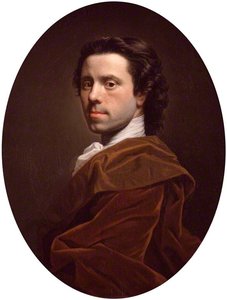
Allen Ramsay
1713 - 1784 , United Kingdom
Eckdaten zum Künstler
- Artistic Movement Or Style: Rokoko und Neoklassik
- Artists Or Movements Influenced By This Artist: ['Francesco Solimena']
- Artists Who Influenced This Artist: ['Hans Hysing']
- Date Of Birth: 1713-10-13
- Date Of Death: 1784
- Full Name: Allan Ramsay
- Nationality: Schottisch
- Notable Artworks:
- Queen Charlotte mit ihren zwei ältesten Söhnen
- Mary Degg, Lady Robert Manners
- Kopf von Duncan Forbes
- Place Of Birth: Edinburgh
Verwandte Artikel
George Paul Chalmers: Rediscovering the Angus Rembrandt & Scottish Colourist Roots
Explore the captivating world of George Paul Chalmers (1833-1878), a pivotal Scottish painter. Discover his landscapes, portraits & connection to the Aesthetic Movement and Colourists. Learn about this 'Angus Rembrandt's' legacy with OriginalUniqueArt.
Sir John Watson Gordon: A Study in Scottish Landscape Painting & Tonal Impressionism
Explore the captivating portraits of Sir John Watson Gordon, a leading Scottish master. Discover his evolution from neoclassical style to atmospheric Tonalism and influence on 19th-century British art. Learn about his iconic sitters & legacy.

James Giles: Capturing Scottish Life Through the Lens of British Realism
Explore the life & work of James Giles (1801-1870), a master of Scottish landscape painting and favored artist of Queen Victoria. Discover his atmospheric realism & royal commissions.
Alexander Nasmyth: Picturing Scotland's Romantic Landscape – Innovation & Identity
Explore the life & art of Alexander Nasmyth, a pivotal figure in Scottish Romantic landscape painting. Discover his iconic works, including portraits of Robert Burns, and learn about his lasting influence on national identity. Fine art reproductions available.

Allen Ramsay: Portraiture, Patronage & Shaping Georgian Identity
Explore the life & work of Allen Ramsay, pivotal portraitist to George III. Discover his Rococo style, influence on Georgian society, and lasting legacy in British art history. Learn about his key works & patronage.


