Vorschau anzeigen
 Versenden
 Teilen
 Details anzeigen
 Leitfaden

 Herunterladen
 Ähnliche Objekte
 Röntgenaufnahme
 Diashow
 Statistiken
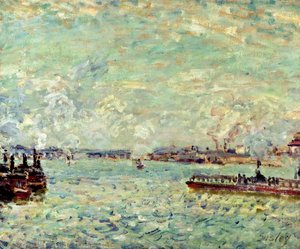
The Machine at Marly
 Oil On Canvas
- WallArt
- Impressionist Landscape
 1873
1873- 19th Century
 45.0 x 64.0 cm
 Weiterlesen
Handgefertigte Ölreproduktion
Handgemaltes Ölgemälde auf Leinwand in Ihrer Wunschgröße und mit Rahmen, auf Bestellung von unseren Künstlern angefertigt. ( Zum Druck wechseln Zum digitalen Bild wechseln)




P118B €10

P118H €10

P118W €10

P438Z €10

P508JH €12

P508YH €12

P805H €10

P805Z €10

P919BZ €10

P919G €10

P919XJ €10

P959ZH €10

P968JZ €12

W106C €8

W218G €10

W218JH €8

W218Y €10

W307PJ €10

W316G €10

W316PJ €8

W316Y €10

W398PJ €8

W4111J €10

W500HY €15

W500JH €15

W692G €12

W849H €8

W940BG €15

W953PJ €8




Wählen Sie aus unseren vordefinierten Formaten, die den ursprünglichen Proportionen des Kunstwerks entsprechen.

Geben Sie die Breite und die Höhe an, die Sie für Ihren Rahmen oder Ihre Wand benötigen. Da dieses Werk handgemalt ist, kann der Künstler bei einer anderen Form etwas mehr um das Bild herum malen oder etwas abschneiden – Sie entscheiden. Wir senden Ihnen ein digitales Mockup zur Freigabe, bevor mit dem Malen begonnen wird. Das auf dieser Seite gezeigte Bild stellt nicht das tatsächliche Ergebnis dar – dies tut nur das Mockup.
Nach der Bestellung wird das OriginalUniqueArt.com-Team dem Kunden Anweisungen per E-Mail zusenden und eine Mockup-Vorschau bereitstellen.
Weltweiter Versand () in nur 3 bis 4 Wochen statt der üblichen 5 Wochen. (25 Oktober). Keine Kompromisse bei der Qualität.

Kostenloser weltweiter Expressversand

Hochwertige Leinenleinwand

Umfassender Versicherungsschutz beim Versand

Zollgebühren-Rückerstattungsgarantie

Garantie für exakte Farbtreue

100 Tage Rückgaberecht (nur bei Mängeln)

100% Geld-zurück-Garantie

Mengenrabatt verfügbar
 Die Glasoption ist nur für Größen unter 110 cm verfügbar.

The Machine at Marly
Art der Reproduktion
Format der Reproduktion
-


Endpreis
€ 263
A Moment Frozen in Light: Alfred Sisley’s ‘The Machine at Marly’
Alfred Sisley's “The Machine at Marly,” painted in 1873, is more than just a depiction of a harbor scene; it’s an exquisite distillation of the Impressionist philosophy – a fleeting capture of light and atmosphere that resonates with a profound sense of tranquility. This oil on canvas work transports us to a serene moment along the Seine, offering a glimpse into the rural life that captivated artists like Sisley during this pivotal period in art history. The painting’s composition is deceptively simple: boats gently bobbing in the water, framed by the muted tones of buildings that suggest a distant town, and punctuated by the subtle presence of human figures engaged in everyday activities. Yet, within this apparent stillness lies a dynamic interplay of color and brushstroke, characteristic of Sisley's masterful technique.
Impressionist Technique: A Dance with Light
- Soft Brushstrokes: Sisley’s signature style is immediately recognizable through his use of feathery, broken brushstrokes. These aren’t meant to create a photographic representation but rather to evoke the *impression* of light and movement. Notice how he uses short, choppy strokes to depict the shimmering surface of the water and the hazy forms of the buildings in the background.
- Color as Emotion: The palette is dominated by muted greens, blues, and yellows – colors chosen not for their literal representation but for their ability to convey mood and atmosphere. The warm yellow tones of the buildings contrast beautifully with the cooler hues of the water, creating a harmonious balance that draws the eye across the canvas.
- Emphasis on Light: Sisley was obsessed with capturing the effects of light at different times of day. “The Machine at Marly” exemplifies this obsession, showcasing how sunlight transforms the landscape and imbues it with a sense of warmth and vitality.
Historical Context & Symbolism – The Machine’s Quiet Significance
Painted in 1873, "The Machine at Marly" reflects the burgeoning Impressionist movement's rejection of academic conventions and its embrace of contemporary subject matter. Sisley was part of a group of artists who sought to paint *en plein air* – outdoors – directly observing nature and capturing its fleeting beauty. The painting depicts the Barrage de la Machine de Marly, a hydraulic machine used for irrigation, adding an element of industrial activity to this otherwise idyllic scene. This juxtaposition subtly highlights the relationship between humanity and the natural world, a theme frequently explored by Sisley in his work. The presence of figures engaged in simple tasks – likely laborers or boatmen – further grounds the painting in its social context.
A Legacy of Tranquility: Sisley’s Enduring Appeal
"The Machine at Marly" is a testament to Alfred Sisley's ability to capture not just a visual scene, but also an emotional state. Its serene atmosphere and masterful technique have ensured its place as one of the most beloved works in the Impressionist canon. Reproductions of this painting offer a chance to bring this moment of quiet beauty into your own space, allowing you to experience the same sense of tranquility that captivated Sisley himself. This artwork is a perfect addition for those seeking a touch of understated elegance and a connection to the heart of the Impressionist movement.
Size:** 45 x 64 cm Date:** 1873Fragen & Antworten
Welches Gefühl wird mit "The Machine at Marly" assoziiert?
Die für "The Machine at Marly" von Alfred Sisley festgelegte emotionale Stimmung ist Tranquil. Sie fasst das Gefühl zusammen, das das Werk ausdrückt.
Welche Motive sind in "The Machine at Marly" von Alfred Sisley zu sehen?
Die Themen in "The Machine at Marly" von Alfred Sisley umfassen harbor scene, alfred sisley, impressionism, french landscape, boat painting, light effects, marly machine und fassen gemeinsam den Gegenstand des Kunstwerks zusammen.
Welche Stimmung und welche Emotionen vereinen sich in "The Machine at Marly"?
In "The Machine at Marly" verleiht eine Serene-Stimmung der Tranquil Emotion Ausdruck.
Künstlerbiografie
Alfred Sisley: Ein Leben für den Impressionismus
Frühes Leben und Ausbildung
- Alfred Sisley wurde am 30. Oktober 1839 in Paris als Sohn von William Sisley, einem Seidenhändler, und Felicia Sell, einer Musikkennerin, geboren.
- Im Jahr 1857 zog er im Alter von 18 Jahren nach London, um eine Karriere im Geschäftsleben zu verfolgen, gab diesen Beruf aber bald auf.
- Er kehrte 1861 nach Paris zurück und begann 1862 seine künstlerische Ausbildung unter dem Schweizer Künstler Marc-Charles-Gabriel Gleyre an der École des Beaux-Arts.
- Dort befreundete er sich mit den Künstlern Frédéric Bazille, Claude Monet und Pierre-Auguste Renoir, was entscheidende Beziehungen bildete, die seinen künstlerischen Weg prägten.
Künstlerische Entwicklung und Stil
- Sisley widmete sich ganz der Landschaftsmalerei en plein air – im Freien, direkt unter Beobachtung der Natur.
- Seine frühen Werke wurden zunächst von der Jury des Salon abgelehnt, aber er ließ sich nicht entmutigen, getrieben von seiner Leidenschaft, flüchtige Momente von Licht und Atmosphäre einzufangen.
- Er konzentrierte sich während seiner gesamten Karriere konsequent auf die Landschaftsmalerei, im Gegensatz zu einigen Impressionisten, die andere Genres erkundeten.
- Sisleys Stil zeichnet sich durch Ruhe, zarte Farbpaletten – oft blasse Schattierungen von Grün, Rosa, Violett, staubigem Blau und Creme – und eine subtile Wiedergabe von Lichteffekten aus.
Wichtige Themen und bemerkenswerte Werke
- Flusslandschaften waren ein wiederkehrendes Thema in Sisleys Werk. Er schuf eine Reihe von Gemälden der Themse während einer Reise nach England im Jahr 1874 und fertigte in der Nähe von Molesey fast zwanzig Arbeiten an.
- Er stellte häufig Szenen rund um Moret-sur-Loing dar, wo er viele Jahre lebte, und fing seine Kanäle, Brücken und die umliegende Landschaft ein.
- Bemerkenswerte Gemälde sind „Die Wassermühle in der Nähe von Moret“, „Bargen auf dem Loingkanal, Frühling“, „Felder rund um den Wald“ und „Das Dorf Sablons“.
- Seine Ausdruckskraft und Farbintensität stiegen im Laufe der Zeit, was zu immer ausgefeilteren Landschaften führte.
Einflüsse und Vermächtnis
- Sisley wurde von Gleyres akademischer Ausbildung und der Kameradschaft beeinflusst, die er mit Monet, Renoir und Bazille fand.
- Er teilte eine ähnliche künstlerische Vision mit anderen Impressionisten, wobei der Schwerpunkt auf der Erfassung der vergänglichen Qualitäten von Licht und Atmosphäre lag.
- Obwohl er zu Lebzeiten weniger kommerziell erfolgreich war als einige seiner Zeitgenossen, werden Sisleys Werke heute für ihre Schönheit, Sensibilität und sein Engagement für die Darstellung der Natur hoch geschätzt.
- Er beeinflusste spätere Generationen von Landschaftsmalern mit seinem subtilen Ansatz in Bezug auf Farbe und Licht.
Späteres Leben und historische Bedeutung
- Sisley beantragte 1897 die französische Staatsbürgerschaft, wurde aber abgelehnt, was eine persönliche Enttäuschung darstellte.
- Er starb am 29. Januar 1899 im Alter von 59 Jahren in Moret-sur-Loing.
- Obwohl seine Studentenarbeiten verloren sind, werden seine reifen Landschaften weiterhin als Paradebeispiele impressionistischer Landschaftsmalerei gefeiert.
- Sisleys unerschütterliches Engagement für die Erfassung der Schönheit der Natur und seine verfeinerte Technik festigen seinen Platz als bedeutende Figur in der Kunstgeschichte.

Alfred Sisley
1839 - 1899 , Frankreich
Kurzinfos
- Beeinflusste Künstler:
- Marc-Charles-Gabriel Gleyre
- Claude Monet
- Pierre-Auguste Renoir
- Frédéric Bazille
- Bemerkenswerte Werke:
- Mühle in Moret
- Bargen auf dem Loingkanal
- Felder um den Wald
- Das Dorf Sablons
- Geburtsdatum: 30. Oktober 1839
- Geburtsort: Paris, Frankreich
- Künstlerische Bewegung: Impressionismus
- Nationalität: Britisch-Französisch
- Sterbedatum: 29. Januar 1899
- Vollständiger Name: Alfred Sisley
Ähnliche Artikel

OriginalUniqueArt.com F.A.Q.: Elevate Your Decor with Premium Textured Giclée Prints
Discover the distinction of OriginalUniqueArt.com premium textured Giclée prints. Expertly crafted with archival 12-color pigments and museum-grade substrates, our prints offer unparalleled vividness for the discerning collector seeking luxury, durability, and timeless elegance.