Menü
Text size

() ·

A painting made for you, by hand

Der barmherzige Samariter

Handgefertigte Ölreproduktion

Handgemaltes Ölgemälde auf Leinwand in Ihrer Wunschgröße und mit Rahmen, auf Bestellung von unseren Künstlern angefertigt. ( Zum Druck wechseln Zum digitalen Bild wechseln)

Beschreibung des Sammlerstücks

Entdecken Sie Decamps' Der barmherzige Samariter von 1853. Ein Meisterwerk der Romantik über Mitgefühl und Gemeinschaft.

Künstlerbiografie

Alexandre Decamps (1803-1860) war ein Pionier des Orientalismus! Seine lebendigen Gemälde zeigen exotisches Leben, biblische Szenen & humorvolle Genreszenen. Entdecken Sie Meisterwerke auf OriginalUniqueArt!

from ·

Chapter 1

How large should it be?

Slide to change the size; the picture on the left shows the frame at its real width. The proportions of the original are kept.

Standardformat
individuell anpassbar
CM
INCH

Wählen Sie aus unseren vordefinierten Formaten, die den ursprünglichen Proportionen des Kunstwerks entsprechen.

Breite
Höhe

Geben Sie die Breite und die Höhe an, die Sie für Ihren Rahmen oder Ihre Wand benötigen. Da dieses Werk handgemalt ist, kann der Künstler bei einer anderen Form etwas mehr um das Bild herum malen oder etwas abschneiden – Sie entscheiden. Wir senden Ihnen ein digitales Mockup zur Freigabe, bevor mit dem Malen begonnen wird. Das auf dieser Seite gezeigte Bild stellt nicht das tatsächliche Ergebnis dar – dies tut nur das Mockup.

Chapter 2

How should it arrive?

Choose the edges of the stretched canvas

Choose your frame

Corner sample of the WhiteWrap canvas edge finish, stretched on Massivholz bars
White €1
Corner sample of the BlurSideWrap canvas edge finish, stretched on Massivholz bars
Blurside €1
Corner sample of the ExtendedWrap canvas edge finish, stretched on Massivholz bars
Extended €1
Corner sample of the P118B picture frame: formgepresstes Polystyrol, 5 cm wide and 3 cm thick
P118B €10
Corner sample of the P118H picture frame: formgepresstes Polystyrol, 5 cm wide and 3 cm thick
P118H €10
Corner sample of the P118W picture frame: formgepresstes Polystyrol, 5 cm wide and 3 cm thick
P118W €10
Corner sample of the P438Z picture frame: formgepresstes Polystyrol, 5.5 cm wide and 3.5 cm thick
P438Z €10
Corner sample of the P508JH picture frame: formgepresstes Polystyrol, 7 cm wide and 3.5 cm thick
P508JH €12
Corner sample of the P508YH picture frame: formgepresstes Polystyrol, 7 cm wide and 3.5 cm thick
P508YH €12
Corner sample of the P805H picture frame: formgepresstes Polystyrol, 5 cm wide and 3.5 cm thick
P805H €10
Corner sample of the P805Z picture frame: formgepresstes Polystyrol, 5 cm wide and 3.5 cm thick
P805Z €10
Corner sample of the P919BZ picture frame: formgepresstes Polystyrol, 7 cm wide and 3.5 cm thick
P919BZ €10
Corner sample of the P919G picture frame: formgepresstes Polystyrol, 7 cm wide and 3.5 cm thick
P919G €10
Corner sample of the P919XJ picture frame: formgepresstes Polystyrol, 7 cm wide and 3.5 cm thick
P919XJ €10
Corner sample of the P959ZH picture frame: formgepresstes Polystyrol, 5 cm wide and 3 cm thick
P959ZH €10
Corner sample of the P968JZ picture frame: formgepresstes Polystyrol, 6 cm wide and 4 cm thick
P968JZ €12
Corner sample of the W106C picture frame: Massivholz, 5 cm wide and 3 cm thick
W106C €8
Corner sample of the W218G picture frame: Massivholz, 5 cm wide and 3 cm thick
W218G €10
Corner sample of the W218JH picture frame: Massivholz, 5 cm wide and 3 cm thick
W218JH €8
Corner sample of the W218Y picture frame: Massivholz, 5 cm wide and 3 cm thick
W218Y €10
Corner sample of the W307PJ picture frame: Massivholz, 6 cm wide and 3 cm thick
W307PJ €10
Corner sample of the W316G picture frame: Massivholz, 6 cm wide and 3 cm thick
W316G €10
Corner sample of the W316PJ picture frame: Massivholz, 6 cm wide and 3 cm thick
W316PJ €8
Corner sample of the W316Y picture frame: Massivholz, 6 cm wide and 3 cm thick
W316Y €10
Corner sample of the W398PJ picture frame: Massivholz, 5 cm wide and 3 cm thick
W398PJ €8
Corner sample of the W4111J picture frame: Massivholz, 6.5 cm wide and 3.5 cm thick
W4111J €10
Corner sample of the W500HY picture frame: Massivholz, 7 cm wide and 5 cm thick
W500HY €15
Corner sample of the W500JH picture frame: Massivholz, 7 cm wide and 5 cm thick
W500JH €15
Corner sample of the W692G picture frame: Massivholz, 8 cm wide and 4 cm thick
W692G €12
Corner sample of the W849H picture frame: Massivholz, 5 cm wide and 3 cm thick
W849H €8
Corner sample of the W940BG picture frame: Massivholz, 7.5 cm wide and 4.5 cm thick
W940BG €15
Corner sample of the W953PJ picture frame: Massivholz, 6 cm wide and 3.5 cm thick
W953PJ €8
Corner sample of the H24-GOLD picture frame: geschnitztes Holz mit Gesso, 10 cm wide and 6 cm thick
H24-GOLD €30
Corner sample of the H24-SILVER picture frame: geschnitztes Holz mit Gesso, 10 cm wide and 6 cm thick
H24-SILVER €30
Corner sample of the H36-GOLD picture frame: geschnitztes Holz mit Gesso, 15 cm wide and 6.5 cm thick
H36-GOLD €45
Corner sample of the H36-SILVER picture frame: geschnitztes Holz mit Gesso, 15 cm wide and 6.5 cm thick
H36-SILVER €45

Moulding: . Overall size with the frame: .

Chapter 3

Who paints it, and should anything change?

Examples of what can be changed: Replace face with customer photo; Add pet (e.g., replace cat with dog); Include hidden message in background; Change background landscape or elements.
After order, OriginalUniqueArt.com team will email client for instructions and provide a mockup preview

Weltweiter Versand () in nur 3 bis 4 Wochen statt der üblichen 5 Wochen. (29 Oktober). Keine Kompromisse bei der Qualität.

Chapter 4

The finishing touches

A nameplate, as in a museum?

Details der gravierten Bronzetafel

This elegant plaque features the artist's name and the title of the artwork, finely engraved for a timeless presentation.

It is made from bronze with a refined, elegant finish. The text is precisely laser-engraved for a sharp and permanent result. Measuring 9x2 cm, the plaque is compact yet easy to read. It's built to be durable and scratch-resistant, offering a professional, museum-quality look. Mounting is simple thanks to the included adhesive backing.

Details zur Acrylglas-Plakette (transparent)

The plaque includes essential engraved details such as the artist's name, the title of the artwork, the date it was created, the type of media used-like oil on canvas or watercolor-a brief description of the piece, and a QR code that links to the complete artwork information.

It is crafted from clear acrylic, offering a sleek, modern appearance. The text is UV-engraved in black to ensure strong visual contrast. With a size of 10x15 cm, it ensures optimal readability. It comes equipped with two metal hooks for secure wall mounting. The plaque is designed to be weather-resistant, making it suitable for various environments, and it includes interactive features that work seamlessly with smartphone scanning.

Details zur schwarzen Acryltafel

This elegant plaque includes engraved information such as the artist's name, the title of the artwork, the date it was created, the type of media used (like oil on canvas or watercolor), a short description of the artwork, and a QR code for quick access to more information.

The plaque itself is made from refined black acrylic with a premium finish. The text is laser-engraved in white for high contrast and readability. Its size is 10x15 cm, designed to be easy to read. It comes with two metal hooks for professional mounting. The design is sleek and fits any interior style. It is also weather-resistant and durable, with built-in digital integration for mobile compatibility.

A protective varnish?

When do you need it?

Chapter 5

Your painting, as you ordered it

Der barmherzige Samariter

Art der Reproduktion

Format der Reproduktion

-

Erstklassige Meisterkünstler

Mehr Detailtiefe, Raffinesse und zusätzliche Produktionszeit

-

Rahmen für Reproduktionen

-

-

Bei Kunstwerken oder Reproduktionen, die an einer Seite größer als 105 cm (ca. 41 Zoll) sind, wird der Rahmen zerlegt als Bausatz geliefert. Diese Methode gewährleistet eine sichere Zustellung und verhindert Schäden während des Transports.

Professionelle Montage erforderlich – dies ist kein DIY-Produkt.
Der Bausatz muss von einem erfahrenen professionellen Rahmenmacher zusammengebaut und die Leinwand gespannt werden. Hierfür werden Holzleim (nicht im Lieferumfang enthalten), eine Leinwandspannzange sowie Klemmen benötigt, um die Keilleisten während des Trocknungsvorgangs rechtwinklig zu halten. Eine unsachgemäße Montage oder eine ungleichmäßige Spannung der Leinwand kann das Kunstwerk dauerhaft beschädigen und ist nicht durch unsere Garantie abgedeckt.

  • Alle Vollholzkomponenten sind enthalten, präzise auf Maß zugeschnitten.

  • Der Zusammenbau erfolgt mit den mitgelieferten Schrauben sowie Holzkleber für die Eckverbindungen, der nicht im Lieferumfang enthalten ist und vom Rahmenbauer selbst beschafft werden muss.

  • Professionelles Werkzeug ist erforderlich und nicht im Lieferumfang enthalten: eine Keilrahmenzange (Spannwerkzeug) sowie Klammern, um die Leisten während der Trocknungszeit des Klebers rechtwinklig zu fixieren.

Wichtiger Hinweis:
Für die Eckverbindungen wird Holzleim benötigt, die Leisten müssen mit Zwingen fixiert werden, bis der Leim vollständig getrocknet ist, und das Spannen der Leinwand auf dem fertigen Rahmen erfordert eine Keilrahmen-Zange. Keines dieser Utensilien ist im Set enthalten. Bitte stellen Sie sicher, dass ein erfahrener Rahmenmacher zur Verfügung steht, bevor Sie diese Größe bestellen.

Beschriftung

-

-

Schutzlackierung

Glanzlack (verstärkt die Farben, schützt vor Licht und Feuchtigkeit)

-

Mein Kunstwerk personalisieren

Beispiele für Anpassungsmöglichkeiten: Gesicht durch Kundenfoto ersetzen; Haustier hinzufügen (z. B. Katze durch Hund ersetzen); Versteckte Nachricht im Hintergrund einfügen; Hintergrundlandschaft oder -elemente ändern.

-

Eilt sehr

Weltweiter Versand () in nur 3 bis 4 Wochen statt der üblichen 5 Wochen. (29 Oktober). Keine Kompromisse bei der Qualität.

-

Expressversand

Weltweiter Versand () innerhalb von 5 Wochen. (5 November).

Inklusive Versand

Endpreis

€ 265

Gesamtpreis € 265

Die Glasoption ist nur für Größen unter 110 cm verfügbar.

Included with every order

  • Kostenloser weltweiter Expressversand
  • Hochwertige Leinenleinwand
  • Umfassender Versicherungsschutz beim Versand
  • Zollgebühren-Rückerstattungsgarantie
  • Garantie für exakte Farbtreue
  • 100 Tage Rückgaberecht (nur bei Mängeln)
  • 100% Geld-zurück-Garantie
  • Mengenrabatt verfügbar

Ein Zeugnis des Mitgefühls: Eine Erkundung des Der barmherzige Samariter

Den Blick auf Alexandre Gabriel Decamps' Darstellung von Der barmherzige Samariter zu richten, bedeutet, in einen Moment einzutauchen, der zwischen tiefem Leid und strahlender menschlicher Gnade schwebt. Dieses im Jahr 1842 geschaffene Gemälde transzendiert eine bloße biblische Illustration; es wird zu einer lebendigen Meditation über die Empathie selbst. Die Szene entfaltet sich an einem staubigen Straßenrand, durchdrungen von der reichen, dramatischen Atmosphäre, die für die Romantik charakteristisch ist. Decamps komponiert meisterhaft eine Erzählung, in der Taten mehr sagen als Worte. Wir werden sofort von der zentralen Interaktion angezogen: dem Akt der selbstlosen Hilfe, die einem Menschen zuteilwird, der gebrochen auf der Erde liegt. Es ist ein Tableau vivant der Menschlichkeit in ihrer mitfühlendsten Form.

Die Pinselführung und die Vision Decamps'

Alexandre Gabriel Decamps, bekannt für seine wegweisenden orientalistischen Visionen, verlieh jeder Leinwand ein dramatisches Flair, doch hier, in dieser Darstellung christlicher Nächstenliebe, erstrahlt sein Können mit universeller Resonanz. Betrachten Sie die Ausarbeitung der Figuren; sie besitzen eine spürbare Schwere, wobei ihre Gewänder das imaginierte Sonnenlicht mit reicher Textur einfangen. Die Einbeziehung der Pferde – eines nahe dem Zentrum und ein weiteres weiter rechts – verankert das spirituelle Drama in einer greifbaren, irdischen Umgebung. Decamps' Technik erlaubt es dem Betrachter, sowohl die akribischen Details im Vordergrund als auch die weite Ausdehnung des Hintergrunds zu schätzen. Seine Palette, obwohl tieffarbig, überwältigt niemals den emotionalen Kern des Werkes, sondern leitet das Auge unaufhaltsam auf den Punkt der Verbindung zwischen dem Helfer und dem Hilfsbedürftigen.

In das Straßendrama eingewobene Symbolik

Die Erzählung selbst ist von kraftvoller Symbolik durchdrungen. Die Straße, oft eine Metapher für die Reise des Lebens, wird hier zur Bühne, auf der moralische Entscheidungen getroffen werden. Die Geschichte des barmherzigen Samariters hat schon immer als bleibender Maßstab für ethisches Handeln gedient. In diesem Gemälde trägt jedes Element zu dieser Bedeutungsschwere bei: Die Reglosigkeit des verletzten Mannes kontrastiert scharf mit der zielgerichteten Bewegung der helfenden Figur. Es spricht nicht nur von religiöser Lehre, sondern von einem universellen menschlichen Imperativ – der Verpflichtung, Leid wahrzunehmen und ohne Zögern zu reagieren. Die Anwesenheit mehrerer Figuren deutet auf eine gemeinschaftliche Beteiligung hin und verstärkt die Idee, dass Mitgefühl selten ein isolierter Akt ist.

Geschichte nach Hause bringen: Dekorieren mit erzählerischer Tiefe

Für den anspruchsvollen Sammler oder Innenarchitekten bietet dieses Stück mehr als nur Dekoration; es bietet einen Fokuspunkt für die Kontemplation. Die Reproduktion eines solchen Werkes ermöglicht es, eine kraftvolle Erzählung in einen Wohnraum zu integrieren. Die Mischung aus romantischem Drama des 19. Jahrhunderts und zeitloser moralischer Gewichtung macht es außergewöhnlich vielseitig. Stellen Sie sich vor, dieses Gemälde bildet den Ankerpunkt eines Salons oder Arbeitszimmers – seine reichen Töne und die dramatische Komposition verleihen dem Raum sofort eine Ebene kultivierter Tiefe. Es lädt zum Gespräch ein und regt Betrachter dazu an, über ihre eigenen Definitionen von Güte und Pflicht nachzudenken, was es zu einem Werk macht, das sowohl schön anzusehen als auch tiefgründig zu durchdenken ist.

Fragen & Antworten

In welche Phase von Alexandre Gabriel Decampss Schaffen lässt sich "Der barmherzige Samariter" einordnen?

Innerhalb der Schaffensperiode von Alexandre Gabriel Decamps lässt sich „Der barmherzige Samariter“ der Spätwerk zuordnen. Diese Phase ermöglicht einen Vergleich mit anderen Werken des Künstlers.

Welchem Künstler wird "Der barmherzige Samariter" zugeschrieben?

"Der barmherzige Samariter" wird Alexandre Gabriel Decamps zugeschrieben.

Wer ist der Urheber von "Der barmherzige Samariter" und welcher Stilrichtung ist das Werk zuzuordnen?

Alexandre Gabriel Decamps schuf „Der barmherzige Samariter“ im Rahmen der Romantik-Bewegung.

More about this painting

Vorschau anzeigen In AR ansehen Zum Druck wechseln Zum digitalen Bild wechseln Versenden
Details anzeigen Leitfaden Zu Favoriten hinzufügen Herunterladen Ähnliche Objekte Röntgenaufnahme Diashow Q&A Statistiken

In numbers

  • 1842the year it was painted
  • 29frames to choose from
  • standard sizes, in its own proportions
  • 5weeks to paint and deliver it
Alexandre Gabriel Decamps

Alexandre Gabriel Decamps

1803 - 1860, Frankreich

Quick facts about Alexandre Gabriel Decamps

  • Artistic Movement Or Style: Orientalismus
  • Artists Or Movements Influenced By This Artist: ['Orientalismus']
  • Artists Who Influenced This Artist: ['Eugène Delacroix']
  • Date Of Birth: 3. März 1803
  • Full Name: Alexandre Gabriel Decamps
  • Nationality: Französisch
  • Notable Artworks:
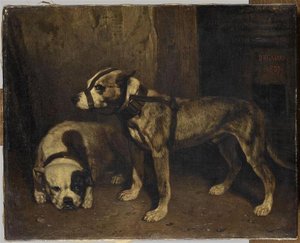
    • CHIENS BRIFAUTS
    • LA COUR DE FERME
    • L’École Turque
    • Paysage Turc
  • Place Of Birth: Paris, Frankreich

Künstlerbiografie

Alexandre Gabriel Decamps (1803–1860): A Pioneer of Orientalist Visions

Alexandre Gabriel Decamps, a name resonating with the vibrant hues of exotic landscapes and the dramatic flair of Romanticism, emerged as a pivotal figure in 19th-century French painting. Born in Paris on March 3, 1803, his artistic journey was one of bold innovation, challenging academic conventions and forging a path toward what would become known as Orientalism. While contemporaries like Delacroix and Ingres also held prominent positions within the French art world, Decamps distinguished himself through an intensely personal style—a blend of meticulous observation, dramatic composition, and a captivating narrative quality that drew viewers into worlds both familiar and utterly foreign. His early recognition as a talented artist foreshadowed a career marked by critical acclaim, culminating in the grand or council medal at the Paris Exhibition of 1855, a testament to his exceptional skill and unique vision. Beyond the canvas, Decamps was a man deeply connected to nature, finding solace and inspiration in the countryside surrounding Paris, where he indulged his passion for animals and field sports—a fondness that would subtly permeate much of his artistic output.
  • Early Life and Artistic Training: Decamps’ formative years were spent honing his skills under the tutelage of Étienne Bouhot, a respected architect, before transitioning to Alexandre Abel de Pujol’s atelier, where he absorbed the tenets of academic painting. However, Decamps quickly recognized that strict adherence to tradition stifled creativity, prompting him to pursue an independent artistic path characterized by a fascination with capturing the essence of nature.
  • Travels and Inspiration: A pivotal moment in Decamps’ artistic development arrived with his expeditions to Switzerland and Italy. These journeys fueled his imagination and instilled in him a profound appreciation for landscape painting, influencing his stylistic choices and establishing a cornerstone of his oeuvre. Notably, he meticulously documented the flora and fauna of these regions, preparing detailed sketches that served as invaluable references for his future paintings.
  • Orientalism Takes Root: Decamps’ groundbreaking Salon exhibition of 1831 irrevocably altered the trajectory of French art history. His depiction of Smyrna—a bustling port city in Ottoman Turkey—challenged prevailing stereotypes and presented a remarkably honest portrayal of daily life, capturing the atmosphere, light, and textures with unprecedented realism. This pioneering approach resonated deeply with fellow artists and writers, sparking a fervent interest in Oriental themes that would dominate the artistic landscape for decades to come.

The Evolution of an Artistic Style: From Biblical Narratives to Desert Landscapes

Initially drawn to historical and biblical scenes—particularly depictions of Joshua’s victory over the Ammonites—Decamps skillfully grounded these narratives in authentic local settings, rejecting idealized representations favored by his contemporaries. This commitment to verisimilitude stemmed from his extensive travels to the East, where he immersed himself in observing cultural traditions and capturing the nuances of human experience. Joseph Sold by His Brethren, for example, is not merely an illustration of a biblical tale but a vivid portrayal of a specific time and place, imbued with emotional depth and psychological insight—a hallmark of Decamps’ distinctive artistic vision. He didn't simply depict what he saw; he conveyed a feeling for the atmosphere, the light, and the very essence of these distant lands.
  • Biblical Drama: Decamps’ early works showcased his mastery of dramatic composition and theatrical lighting—techniques honed during his formative years under Pujol. His meticulous attention to detail ensured that biblical narratives resonated with palpable emotion, transporting viewers into the heart of the depicted events.
  • Historical Grandeur: Decamps' ambition extended beyond individual scenes; he tackled monumental historical canvases like The Defeat of the Cimbri, capturing the chaos and brutality of battle with dynamic energy and masterful brushwork. His ability to convey scale and movement cemented his reputation as a leading exponent of Romantic painting.
  • The Desert’s Embrace: However, Decamps' true genius lay in his exploration of Oriental life—scenes rendered with remarkable fidelity that initially confounded critics accustomed to romanticized portrayals. He presented everyday vignettes—markets, schools, domestic interiors—with an unwavering dedication to capturing the subtleties of cultural traditions and conveying a profound understanding of human psychology.

A Founding Father of Orientalism: Influence and Legacy

Decamps is rightfully considered the founding father of Orientalism in French painting. Before him, depictions of the East were often filtered through fantasy and exoticism—a stylistic convention that Decamps decisively rejected. He championed a more objective approach, prioritizing direct observation and genuine curiosity as guiding principles for artistic endeavor.
  • Maximilian Liebermann’s Praise: Maximilian Liebermann famously dubbed Decamps “Christopher Columbus of the Orient,” recognizing his pioneering role in opening up this unexplored artistic territory. His stylistic innovations—characterized by bold brushstrokes, striking contrasts of light and shadow, and a palpable sense of atmosphere—became a benchmark for generations of painters.
  • Notable Works: Among Decamps’ most celebrated paintings are Incendie d'un village italien (1853), depicting a dramatic fire scene with masterful impasto; A Bedouin and a Camel Resting in a Desert (1860), capturing the tranquility of desert life with exquisite detail; The Monkey Connoisseurs (1854), a satirical commentary on the Académie des Beaux-Arts’ jury; and Albanian Dancer (1831), showcasing vibrant colors and energetic movement.
  • Enduring Recognition: Decamps' legacy continues to inspire artists today. His works reside in prestigious institutions such as the Musée du Louvre, ensuring that his vision persists—a testament to his enduring contribution to French art history.

A Tragic End and An Unforgettable Artistic Vision

Tragically, Decamps’ life was cut short on August 22, 1860, following a hunting accident near Fontainebleau. Despite his untimely demise, Alexandre Gabriel Decamps' artistic output remains profoundly influential—a beacon of innovation and authenticity that transcends time.

Eckdaten

  • Artistic style: Romantik
  • Artist: Alexandre Gabriel Decamps
  • Title: Der barmherzige Samariter

Kunst-Quiz

Jede Frage hat nur eine richtige Antwort.

Frage 1:
Wie lautet der Titel des Kunstwerks?
Frage 2:
In welchem Jahr wurde 'Der barmherzige Samariter' gemalt?
Frage 3:
Welchem Künstler wird das Gemälde 'Der barmherstige Samariter' zugeschrieben?
Frage 4:
Mit welcher Kunstbewegung wird Alexandre Gabriel Decamps in Verbindung gebracht?
Frage 5:
Welches zentrale Thema wird in der Szene des Gemäldes dargestellt?