

 In echtem Maßstab anzeigen
 Versenden als Grußkarte
 Teilen
 Details anzeigen
 Leitfaden öffnen

 Herunterladen
 Ähnliche Objekte
 Röntgenaufnahme
 Diashow
 Besucherstatistiken
Orestes


 Mehr anzeigen
Handgefertigte Ölreproduktion
Handgemaltes Ölgemälde auf Leinwand in Ihrer Wunschgröße und mit Rahmen, auf Bestellung von unseren Künstlern angefertigt. ( Zum Druck wechseln Zum digitalen Bild wechseln)




P118B €10

P118H €10

P118W €10

P438Z €10

P508JH €12

P508YH €12

P805H €10

P805Z €10

P919BZ €10

P919G €10

P919XJ €10

P959ZH €10

P968JZ €12

W106C €8

W218G €10

W218JH €8

W218Y €10

W307PJ €10

W316G €10

W316PJ €8

W316Y €10

W398PJ €8

W4111J €10

W500HY €15

W500JH €15

W692G €12

W849H €8

W940BG €15

W953PJ €8




Wählen Sie aus unseren vordefinierten Formaten, die den ursprünglichen Proportionen des Kunstwerks entsprechen.

Geben Sie die Breite und die Höhe an, die Sie für Ihren Rahmen oder Ihre Wand benötigen. Da dieses Werk handgemalt ist, kann der Künstler bei einer anderen Form etwas mehr um das Bild herum malen oder etwas abschneiden – Sie entscheiden. Wir senden Ihnen ein digitales Mockup zur Freigabe, bevor mit dem Malen begonnen wird. Das auf dieser Seite gezeigte Bild stellt nicht das tatsächliche Ergebnis dar – dies tut nur das Mockup.
Nach der Bestellung wird das OriginalUniqueArt.com-Team dem Kunden Anweisungen per E-Mail zusenden und eine Mockup-Vorschau bereitstellen.
Weltweiter Versand () in nur 3 bis 4 Wochen statt der üblichen 5 Wochen. (21 Oktober). Keine Kompromisse bei der Qualität.

Kostenloser weltweiter Expressversand

Hochwertige Leinenleinwand

Vollständiger Versicherungsschutz beim Versand

Zollgebühren-Rückerstattungsgarantie

Garantie für exakte Farbtreue

100-tägiges Rückgaberecht (nur bei Mängeln)

100% Geld-zurück-Garantie

Angebot für Mengenrabatt
 Die Glasoption ist nur für Größen unter 110 cm verfügbar.

Orestes
Reproduktionsmedium
Format der Reproduktion
-


Gesamtpreis
€ 262
A Portrait of Psychological Turmoil
In the hallowed halls of the Musée des Beaux-Arts in Béziers, there exists a canvas that breathes with the heavy, restless energy of a soul in conflict. Alexandre Cabanel’s Orestes, completed in 1846, is far more than a mere recitation of Greek mythology; it is a profound exploration of human vulnerability and the weight of destiny. The painting captures the mythological hero at a moment of intense internal struggle, his form partially draped in fabric that clings to him like the very shadows of his fate. As he reclines, his gaze and gesture directed toward an unseen presence off-camera, the viewer is pulled into a silent dialogue of tension and anticipation. This is not just a scene from antiquity, but a window into the universal experience of facing one's own shadows.
The composition is a masterclass in the Beaux Arts aesthetic, where classical perfection meets the raw, emotive power of Romanticism. Cabanel, a student of the rigorous François-Édouard Picot, utilizes the disciplined anatomical precision of the academic tradition to ground his subject in reality. Yet, he transcends mere representation through his masterful use of chiaroscuro. The dramatic interplay between light and dark serves to sculpt the central figure, illuminating the muscular grace of his torso and the delicate crown of leaves upon his head, while simultaneously swallowing the surrounding figures into a murky, contemplative gloom. This technique creates a palpable sense of volume and texture, making the skin appear soft yet resilient, and the atmosphere thick with an almost suffocating sense of unease.
The Intersection of Myth and Emotion
To understand Orestes, one must look to the cultural currents of mid-19th century France. During this era, the Romantic movement was beginning to challenge the rigid, often sterile formalism of Neoclassicism, favoring instead the sublime, the imaginative, and the deeply psychological. Cabanel captures this transition perfectly. While the subject matter—the tragic hero Orestes—is rooted in the classical canon, the execution is steeped in the emotional fervor of his time. The painting reflects a fascination with the complexities of morality and the inescapable nature of fate, themes that resonated deeply with an audience navigating their own era of profound social and political shifts.
Every element within the frame contributes to this narrative of tension. The presence of secondary figures in the background, partially obscured by shadow, suggests a world watching, judging, or perhaps waiting for the hero's next move. The inclusion of classical artifacts, such as the ancient vases and the bowl positioned near the edge of the scene, provides a sense of historical weight and ritualistic importance. For the collector or the interior designer, this piece offers more than just visual beauty; it offers a focal point of intellectual and emotional depth. A high-quality reproduction of Orestes brings into a contemporary space a sense of timeless drama and a sophisticated appreciation for the mastery of French Academic Realism, making it an ideal centerpiece for those who seek art that speaks to the complexities of the human condition.
Fragen & Antworten
Welche Farbsättigung weist "Orestes" von Alexandre Cabanel auf?
"Orestes" von Alexandre Cabanel ist mit einer Muted Sättigung festgehalten.
Wie alt war Alexandre Cabanel, als „Orestes“ geschaffen wurde?
Alexandre Cabanel war 23 Jahre alt, als Orestes im Jahr 1846 geschaffen wurde. Das Alter berechnet sich aus dem Geburtsjahr des Künstlers, 1823.
Für welche Verwendung wird "Orestes" von Alexandre Cabanel empfohlen?
Die empfohlene Verwendung für "Orestes" von Alexandre Cabanel ist Statement. Es kann jedoch auch für andere Zwecke genutzt werden.
Biografie des Künstlers
Frühe Jahre und Ausbildung
Alexandre Cabanel, ein renommierter französischer Maler, wurde am 28. September 1823 in Montpellier, Hérault, geboren. Im Alter von siebzehn Jahren trat er in die École des Beaux-Arts in Paris ein, wo er unter François-Édouard Picot studierte.Künstlerischer Stil und Bekannte Werke
Cabanels künstlerischer Stil war durch seine Einhaltung des akademischen Stils gekennzeichnet, wobei er sich auf historische, klassische und religiöse Themen konzentrierte. Er war auch ein begabter Porträtmaler. Zu seinen bekanntesten Werken gehören:- Ophelia (1883), ein Meisterwerk, das seine Fähigkeit zeigt, die Essenz einer Szene einzufangen.
- Die Geburt der Venus (1863), ein Paradebeispiel für die akademische Malerei des 19. Jahrhunderts, das vom Kaiser Napoleon III. erworben wurde.
- Porträt der Gräfin E. A. Worontzowa-Daschkowa, das seine Fähigkeit demonstriert, die Essenz seiner Motive einzufangen.
Einflüsse und Entwicklung
Cabanel stand durch seinen Lehrer François-Édouard Picot in Verbindung mit der klassischen Schule Jacques-Louis Davids. Seine frühen Bilder wie „Der Tod des Moses“ (1852) und „Der heilige Ludwig“ (1855) hielten sich noch durchaus an die strengen akademischen Regeln, zeigten aber schon innerhalb derselben Talent für Zeichnung und Komposition. Er näherte sich der modernen Empfindungsweise in dem Bild „Die Witwe des Kapellmeisters, die mit ihren Kindern den Klängen der Orgel lauscht“, das mit seinen rosigen Tönen an die Werke François Bouchers und anderer Meister des Rokoko erinnerte.Auszeichnungen und Anerkennung
Cabanels Arbeit wurde weithin anerkannt, und er erhielt mehrere Auszeichnungen, darunter:- Das Prix de Rome-Stipendium im Jahr 1845
- Die Grande Médaille d'Honneur bei den Salons von 1865, 1867 und 1878
Lehre und Vermächtnis
Cabanel wurde 1864 zum Professor an der École des Beaux-Arts ernannt, wo er bis zu seinem Tod unterrichtete. Seine Schüler waren zahlreiche erfolgreiche Künstler, was sein Erbe in der Kunstwelt sicherstellte. Er war seit 1887 assoziiertes Mitglied der Académie royale des Sciences, des Lettres et des Beaux-Arts de Belgique. Cabanels Malweise wurde im Laufe der Zeit weniger geschätzt, aber eine umfassende Sonderausstellung im Jahr 2011 zeigte seine Bedeutung neu.
Alexandre Cabanel
1823 - 1889 , Frankreich
Eckdaten zum Künstler
- Beeinflusste Künstler:
- François-Édouard Picot
- Jacques-Louis David
- Bemerkenswerte Werke:
- Ophelia (1883)
- Die Geburt der Venus (1863)
- Geburtsdatum: 28. September 1823
- Geburtsort: Montpellier, Frankreich
- Künstlerischer Stil: Akademische Kunst
- Nationalität: Französisch
- Sterbedatum: 23. Januar 1889
- Vollständiger Name: Alexandre Cabanel
Verwandte Artikel

Mastering Perfection: A Definitive Guide to the Elegance and Precision of Academic Classicism
Discover the profound beauty of Academic Classicism. Explore the principles of order, anatomical precision, and the enduring legacy of Neoclassical masters through this expert guide to timeless elegance and technical perfection in fine art.

The Enduring Allure of the Nude: A Historical & Artistic Exploration of the Human Form
Explore the captivating history of nude art! Discover iconic paintings & artists from classical to modern eras. Uncover symbolism, techniques & find museum-quality reproductions at OriginalUniqueArt.

Mastering Perfection: A Definitive Guide to the Elegance and Precision of Academic Classicism
Explore the rigorous beauty of Academic Classicism. Discover the principles of order, precision, and historical reverence that define this timeless art movement through an expert guide to its enduring legacy and technical mastery.
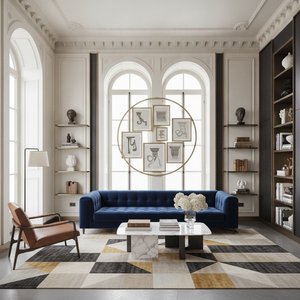
Beyond the Basics: The Power of Academic Classicism Reimagined for Modern Interiors
Discover the enduring power of Academic Classicism reimagined. Explore how technical mastery, light, and form from historical masterpieces can elevate modern interiors through premium, hand-painted oil reproductions and expert art consultation.
The Timeless Elegance of Academic Classicism: A Journey Through Order, Precision, and the Pursuit of Perfection
Explore the profound beauty of Academic Classicism. Discover how masters used order, precision, and classical ideals to achieve timeless perfection in art history, from Neoclassical portraits to the pursuit of ideal beauty.


