
 Vorschau anzeigen
 Versenden
 Teilen
 Details anzeigen

 Herunterladen
 Ähnliche Objekte
 Röntgenaufnahme
 Diashow
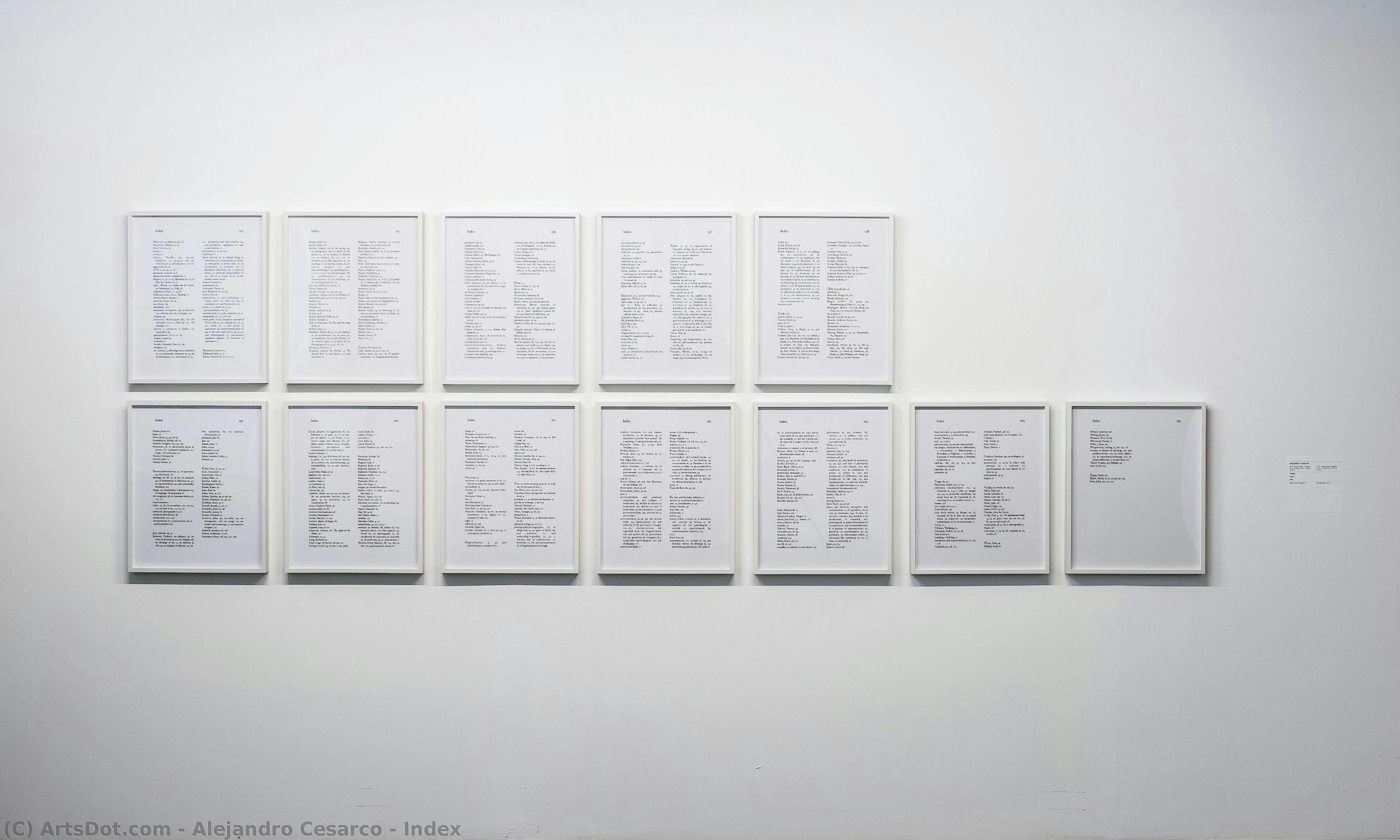
Index
 2000
2000 50.0 x 40.0 cm
 Weiterlesen
Erwerben Sie ein hochauflösendes, optimiertes digitales Bild, das der Online-Vorschau weit überlegen ist.
Jede Datei wird von unseren hauseigenen Spezialisten mit modernsten Werkzeugen und fachmännischer manueller Retusche sorgfältig vorbereitet. Wir stellen sicher, dass jedes Bild eine außergewöhnliche Klarheit, präzise Farbgenauigkeit und feinste Details aufweist.
Die endgültige Datei wird innerhalb von 72 Stunden per E-Mail zugestellt und ist für den sofortigen Einsatz in professionellen, redaktionellen und Druckumgebungen optimiert. Es handelt sich um dieselbe Qualität, der führende Designstudios, Verlage und Galerien vertrauen.
Digitales Bild
Laden Sie eine hochauflösende Datei für die persönliche Präsentation, den Druck und kreative Projekte herunter. ( Druck bestellen Handgemalte Reproduktion bestellen)
In jeder Bestellung digitaler Bilder enthalten
Professionelle digitale Bereitstellung, garantiert
Wenn Sie sich für OriginalUniqueArt.com entscheiden, erhalten Sie nicht nur ein Bild – Sie erhalten ein professionell aufbereitetes digitales Kunstwerk, das mit höchster Präzision erstellt und durch eine Zufriedenheitsgarantie abgesichert wird. Hier ist alles, was automatisch mit Ihrer Bestellung geliefert wird:

Schnelle E-Mail-Zustellung
Ihre hochauflösende digitale Bilddatei wird Ihnen innerhalb von 72 Stunden nach der Bestellung per E-Mail zugestellt – bereit zur sofortigen Verwendung.

KI-optimierte digitale Datei
Ihre Kunstwerke werden professionell mithilfe fortschrittlicher KI-Tools und manueller Bearbeitung optimiert, um maximale Detailtreue, Klarheit und Farbgenauigkeit zu gewährleisten.

Lebenslanger kostenloser Neudruckservice
Datei versehentlich gelöscht oder verloren? Keine Sorge – wir senden sie Ihnen jederzeit kostenlos erneut zu.

Keine Einfuhrgebühren – jemals
Genießen Sie Ihr Kunstwerk sofort ohne Zollgebühren, Einfuhrabgaben oder Versandkosten – digitale Downloads sind immer steuerfrei.

Garantierte Farbtreue
Wir garantieren, dass Ihr digitales Bild mithilfe professioneller Werkzeuge und Farbmanagement die Originalfarben so präzise wie möglich wiedergibt.

60-Tage-Zufriedenheitsgarantie
Sollten Sie mit Ihrem digitalen Bild nicht zufrieden sein, werden wir es überarbeiten oder Ihnen innerhalb von 60 Tagen 100% erstatten – ohne Wenn und Aber.

100% Geld-zurück-Garantie
Nicht zufrieden? Erhalten Sie innerhalb von 60 Tagen nach Erhalt Ihrer digitalen Datei eine vollständige Rückerstattung – ohne Angabe von Gründen.

Rabatte bei Großbestellungen
3 Bilder kaufen, 10% sparen – 5 Bilder kaufen, 15% sparen – Ab 10 Bildern 20% sparen. Ideal für kreative Projekte, Galerien und Agenturen.
Biografie des Künstlers
Alejandro Cesarco: Architect of Language
Born in Montevideo, Uruguay, in 1975, Alejandro Cesarco’s artistic journey is a profound exploration of the elusive nature of language and memory. His work isn't simply about depicting images; it’s an intricate construction designed to unravel the very mechanisms by which we perceive and understand reality. From his early beginnings, Cesarco has been driven by a fascination with the gaps between words, the silences that shape meaning, and the subjective experience of narrative.
Cesarco's artistic development is deeply rooted in the intellectual currents of Uruguay – a nation grappling with its own complex history of dictatorship, exile, and social upheaval. This context profoundly informs his work, which often engages with themes of political repression, personal trauma, and the difficulty of representing subjective truth. Early influences include the works of Jorge Luis Borges, whose labyrinthine narratives and explorations of identity resonate strongly within Cesarco’s practice. The fragmented nature of Borges' stories—a deliberate disruption of linear time and perspective—mirrors a key element in Cesarco’s own approach to art.
Conceptual Narratives: Text as Medium
What distinguishes Cesarco’s work is his masterful manipulation of text. He doesn’t merely incorporate words into images; he treats language itself as the primary subject matter. His pieces frequently present seemingly random phrases, excerpts from literature, or fragments of conversations arranged in unconventional ways – often layered over photographic imagery or projected onto architectural spaces. These arrangements aren't intended to convey a straightforward message but rather to create a sense of disorientation and invite viewers to actively participate in constructing their own interpretations.
- His installations, such as “The Book of the Dead” (2013), are particularly compelling examples. These large-scale works feature meticulously arranged stacks of books, each containing handwritten notes and fragments of text, creating a dense, almost overwhelming visual field that suggests the vastness of human memory and experience.
- Cesarco’s use of photography is equally significant. He often employs staged photographs—sometimes unsettlingly surreal—that serve as anchors for his textual interventions, adding layers of ambiguity and prompting viewers to question the relationship between image and language.
Global Exhibitions and Critical Acclaim
Since establishing himself in New York City, Cesarco has rapidly gained international recognition. His work has been featured in numerous solo and group exhibitions at prestigious institutions around the world, including the Museum of Modern Art (MoMA) in New York, the Centre Pompidou in Paris, and the Tate Modern in London. These exhibitions have consistently garnered critical acclaim for their intellectual rigor, conceptual depth, and innovative use of materials.
- In 2013, he was awarded the Prix du Chevalier Blanc at the Palais de Tokyo in Paris, a prestigious prize recognizing artists who demonstrate exceptional creativity and originality.
- His work has been featured in major art publications such as Artforum, The New York Times, and Frieze Magazine, solidifying his position as one of the most important contemporary artists working with language and text.
The Architecture of Memory
Ultimately, Alejandro Cesarco’s work is an exploration of how we construct our own realities through the act of remembering. He suggests that memory isn't a fixed archive but rather a fluid, subjective process shaped by language, narrative, and personal experience. His art challenges us to confront the limitations of representation and embrace the inherent ambiguity of human perception. By meticulously arranging words and images, Cesarco creates immersive environments that invite viewers to contemplate the complex relationship between thought, language, and the elusive nature of truth – a testament to his profound understanding of the human condition.
His current work continues to push boundaries, exploring themes of surveillance, digital identity, and the increasingly blurred lines between reality and simulation. Cesarco’s legacy is already secure as a vital voice in contemporary art, one who has redefined the possibilities of visual language and invited us to reconsider the very foundations of our understanding.

alejandro cesarco
1975 - , Uruguay
Kurzinfos
- Artistic Movement Or Style: Conceptual Art
- Date Of Birth: 1975
- Full Name: Alejandro Cesarco
- Nationality: Uruguayan
- Place Of Birth: Montevideo, Uruguay

