
 Vorschau anzeigen
 Versenden
 Teilen
 Details anzeigen
 Leitfaden

 Herunterladen
 Ähnliche Objekte
 Röntgenaufnahme
 Diashow
 Fragen & Antworten
 Statistiken
Flood in Paris

- 33.0 x 41.0 cm


 Weiterlesen
Giclée / Kunstdruck
Giclée- oder Leinwanddruck in Museumsqualität mit schneller Produktion und flexiblen Veredelungsoptionen. ( Handgemalte Reproduktion bestellen Zum digitalen Bild wechseln)




P118B €10

P118H €10

P118W €10

P438Z €10

P508JH €12

P508YH €12

P805H €10

P805Z €10

P919BZ €10

P919G €10

P919XJ €10

P959ZH €10

P968JZ €12

W106C €8

W218G €10

W218JH €8

W218Y €10

W307PJ €10

W316G €10

W316PJ €8

W316Y €10

W398PJ €8

W4111J €10

W500HY €15

W500JH €15

W692G €12

W849H €8

W940BG €15

W953PJ €8




Wählen Sie aus unseren vordefinierten Formaten, die den ursprünglichen Proportionen des Kunstwerks entsprechen.

Geben Sie die benötigte Breite und Höhe an, damit der Druck perfekt in Ihren Rahmen oder an Ihre Wand passt. Ein Druck kann nur beschnitten, aber niemals größer als das Originalbild angefertigt werden; daher verliert ein Format mit anderen Proportionen einen Teil des Bildes. Wir senden Ihnen ein digitales Mockup zur Freigabe, bevor wir den Druck ausführen. Das auf dieser Seite gezeigte Bild zeigt nicht den tatsächlichen Beschnitt – dies ist nur im Mockup ersichtlich.
Weltweiter Versand () innerhalb von 2 Wochen statt der üblichen 4/5 Wochen. (8 November)

Kostenloser weltweiter Expressversand

Hochwertige Leinenleinwand

Umfassender Versicherungsschutz beim Versand

Zollgebühren-Rückerstattungsgarantie

Garantie für exakte Farbtreue

100 Tage Rückgaberecht (nur bei Mängeln)

100% Geld-zurück-Garantie

Mengenrabatt verfügbar
 Die Glasoption ist nur für Größen unter 110 cm verfügbar.

Flood in Paris
Giclée / Kunstdruck
Format der Reproduktion
-


Endpreis
€ 72
A City Submerged: Exploring Albert Marquet’s “Flood in Paris”
Albert Marquet's "Flood in Paris," painted in 1910, isn’t merely a depiction of a natural disaster; it’s a visceral embodiment of urban anxiety and the raw beauty of chaos. This oil on canvas, currently residing within the Pushkin State Museum in Moscow, transcends its subject matter to become a poignant meditation on modernity, vulnerability, and the sublime power of nature. Measuring just 33 x 41 centimeters, the painting’s intimate scale belies the monumental drama it captures – a Parisian cityscape utterly transformed by the relentless surge of floodwaters.
Marquet, a key figure in the Fauvist movement, masterfully employs color and composition to convey an atmosphere of urgent disquiet. The Fauvist style, characterized by its bold, non-naturalistic hues and energetic brushstrokes, is immediately apparent here. Instead of striving for photographic realism, Marquet uses vibrant blues, greens, and ochres – intensified and often jarringly juxtaposed – to evoke the feeling of a world overwhelmed. The water itself isn’t rendered in muted tones; it pulsates with an almost aggressive energy, reflecting the light and dominating the scene. This deliberate departure from traditional representation is central to Marquet's artistic vision, mirroring the movement’s rejection of academic constraints.
Composition and the Dance of Despair
The composition of “Flood in Paris” is a carefully orchestrated tableau of destruction and resilience. The eye is immediately drawn to the foreground, where figures – Parisians navigating the flooded streets by boat – struggle against the relentless current. These small human forms, rendered with a sense of vulnerability, provide a crucial counterpoint to the overwhelming power of the water. Scattered throughout the scene are boats of varying sizes, some adrift and abandoned, others anchored precariously near the shore, creating a dynamic interplay of shapes and textures. The receding shoreline is suggested through a hazy, atmospheric perspective, emphasizing the depth and scale of the inundation.
Marquet’s use of light is particularly striking. The scene is bathed in an ethereal glow, as if viewed through a perpetual twilight. This diffused illumination adds to the sense of unease and disorientation, mirroring the psychological impact of the disaster on its inhabitants. The artist doesn't shy away from depicting the debris – fragments of buildings, furniture, and personal belongings – scattered across the flooded streets, further emphasizing the scale of the devastation.
A Reflection of Modernity and a Historical Echo
“Flood in Paris” is more than just a record of a specific event; it’s a powerful commentary on the challenges faced by modern urban centers. The painting captures a pivotal moment in Parisian history – the devastating 1910 flood, which exposed vulnerabilities within the city's infrastructure and highlighted its precarious relationship with nature. The flooding was exacerbated by inadequate drainage systems, a consequence of rapid urbanization during the Belle Époque. Marquet’s work serves as a visual reminder of this historical context, prompting reflection on the enduring tension between human ambition and environmental forces.
Furthermore, the painting resonates with broader themes explored by the Fauvist movement – the questioning of established artistic conventions, the embrace of subjective experience, and the exploration of primal emotions. Marquet’s bold use of color and his willingness to distort reality align him with other key figures in the movement, such as Henri Matisse, creating a shared vision of art that prioritized feeling over representation.
A Timeless Masterpiece: Reproduction and Beyond
OriginalUniqueArt offers meticulously crafted hand-painted reproductions of “Flood in Paris,” allowing you to experience the painting’s captivating beauty and profound emotional impact firsthand. Each reproduction is created by skilled artists who painstakingly recreate Marquet's techniques, color palette, and atmospheric effects. Whether displayed as a striking statement piece or incorporated into an interior design scheme, this artwork will undoubtedly serve as a focal point of conversation and contemplation. For those seeking to delve deeper into the world of Albert Marquet and the Fauvist movement, we encourage you to explore our website for additional works and resources – including information on the Musée National d'Art Moderne in Paris, where original masterpieces by Marquet and Matisse are showcased.
Fragen & Antworten
Erlaubt das Urheberrecht von "Flood in Paris" von Albert Marquet Reproduktionen?
Der Urheberrechtsstatus von "Flood in Paris" von Albert Marquet ist eindeutig: Das Werk ist gemeinfrei – das Urheberrecht ist abgelaufen. Seine Präsenz in der Pushkin-Museum ändert nichts an diesem Status.
Welcher Künstler und welcher Stil stecken hinter "Flood in Paris"?
Albert Marquet schuf „Flood in Paris“ im Rahmen der Fauvist Expressionism-Bewegung.
Wo finde ich Statistiken zu "Flood in Paris" von Albert Marquet?
Auf der Besucherzahlen-Seite des Kunstwerks finden Sie Statistiken zu "Flood in Paris" von Albert Marquet: monatliche Aufrufe des Kunstwerks, Aufrufe der Werke des Künstlers sowie eine Aufschlüsselung der jüngsten Besucher nach Land und Sprache.
Künstlerbiografie
Frühe Jahre und künstlerische Anfänge
Albert Marquet, eine bedeutende Figur der Fauvismus-Bewegung, wurde am 27. März 1875 in Bordeaux, Frankreich, geboren. Sein künstlerischer Werdegang begann mit Studien an der École des Arts Décoratifs in Paris, wo er seinen lebenslangen Freund und Kollegen Henri Matisse kennenlernte. Diese Begegnung beeinflusste Marquets frühe Arbeit maßgeblich, wie man sie in seinem Fauvismus-Stil erkennen kann.
Künstlerische Entwicklung und Stil
Marquets künstlerischer Weg ist durch einen Übergang von der Fauvismus-Bewegung hin zu einem naturalistischen Ansatz gekennzeichnet. Seine späteren Werke konzentrierten sich hauptsächlich auf Landschaften, wobei er gelegentlich auch Porträts und Aktzeichnungen anfertigte (zwischen 1910 und 1914). Diese Entwicklung zeigt sich in seiner Verwendung weniger intensiver Farben und einer Betonung der traditionellen Perspektive.
Wichtige Werke und Ausstellungen
- Die Pyla, ein Fauvistisches Werk, demonstriert Marquets einzigartigen Ansatz zur Erfassung des Wesens von Meer und Umgebung.
- Marquets Luxury, Serenity, and Pleasure (98 x 118 cm, Post-Impressionismus, Öl auf Leinwand) ist ein weiteres bemerkenswertes Werk, das seine Fähigkeit widerspiegelt, lebendige Farben mit ruhigen Kompositionen in Einklang zu bringen.
Museen und Sammlungen
Marquets Werke finden sich in verschiedenen renommierten Museen, darunter das Musée National d'Art Moderne in Paris. Diese Institution ist bekannt für ihre umfangreiche Sammlung moderner und zeitgenössischer Kunst.
Vermächtnis und Einfluss
Marquets Einfluss auf die Fauvismus-Bewegung und sein anschließender naturalistischer Stil haben einen unauslöschlichen Eindruck in der Welt der Kunst hinterlassen. Sein Vermächtnis inspiriert weiterhin Künstler, und seine Werke bleiben ein Gegenstand der Faszination für Kunstliebhaber weltweit.
- Entdecken Sie mehr über Marquets Leben und Werk auf OriginalUniqueArts Albert Marquet Seite.
- Erkunden Sie die Sammlung des Musée National d'Art Moderne auf OriginalUniqueArt: OriginalUniqueArt.
- Erfahren Sie mehr über die Geschichte der Malerei und ihre Entwicklung im Laufe der Zeit: Wikipedia.
Schlussfolgerung
Alberts Marquets enigmatische Welt, gekennzeichnet durch seine fauvistischen Anfänge und seinen anschließenden naturalistischen Stil, fesselt weiterhin Kunstliebhaber. Durch OriginalUniqueArt können Sie in die Tiefen seiner künstlerischen Reise eintauchen und die Meisterwerke erkunden, die seinen Platz in den Annalen der Kunstgeschichte gefestigt haben.

Albert Marquet
1875 - 1947 , Frankreich
Kurzinfos
- Beeinflusste Künstler: ['Henri Matisse']
- Bemerkenswerte Werke:
- Die Pyla
- Luxus, Gelassenheit, Freude
- Einfluss Auf Künstler: Künstler der Fauvismus
- Geburtsdatum: 27. März 1875
- Geburtsort: Bordeaux, Frankreich
- Künstlerische Richtung: Fauvismus, Naturalismus
- Nationalität: Französisch
- Sterbedatum: 1947
- Vollständiger Name: Albert Marquet
Ähnliche Artikel
Édouard Cortès: Der Pariser Poet und seine Stadt – Eine umfassende Studie zum Schaffen des 'Malers von Paris'
Entdecken Sie das umfassende Schaffen von Édouard Cortès, dem 'Maler von Paris'. Eine tiefgehende Analyse seines Lebens, seiner Kunst und des Pariser Lebensgefühls der Belle Époque. Jetzt lesen!
Antoine Blanchard (Marcel Masson): Parisian Abstraction & the Legacy of Automatism
Explore the captivating world of Antoine Blanchard (Marcel Masson) and his nostalgic Parisian scenes. Discover his artistic influences, unique style, and the challenges of authentication. Expert insights & art appraisal information.
Fauvismus: Die 10 Meisterwerke, die eine Revolution der Farbe auslösten | OriginalUniqueArt
Entdecken Sie die 10 Meisterwerke des Fauvismus! Von Matisse bis Derain – erleben Sie die Revolution der Farbe und Emotion. Hochwertige Kunstdrucke & Reproduktionen auf OriginalUniqueArt.com. Jetzt Kunst für Ihr Zuhause finden!
Fauvismus: Die 10 Meisterwerke, die eine Revolution der Farben entfesselten –
Entdecken Sie die 10 Meisterwerke des Fauvismus! Von Matisse bis Derain – erleben Sie die Revolution der Farben und Emotionen in der modernen Kunst. Hochwertige Reproduktionen & Inspiration für Ihr Zuhause auf
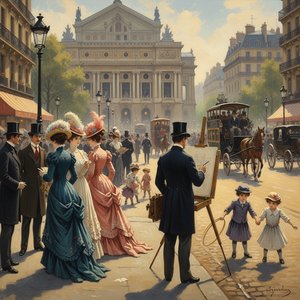
Jean-Georges Béraud: Capturing Parisian Life in the Belle Époque
Explore the captivating world of Jean-Georges Béraud, master painter of Belle Époque Paris. Discover his iconic scenes, artistic evolution, and social commentary. A deep dive into 19th-century French art.


