
 Vorschau anzeigen
 Versenden
 Teilen
 Details anzeigen

 Herunterladen
 Ähnliche Objekte
 Röntgenaufnahme
 Diashow
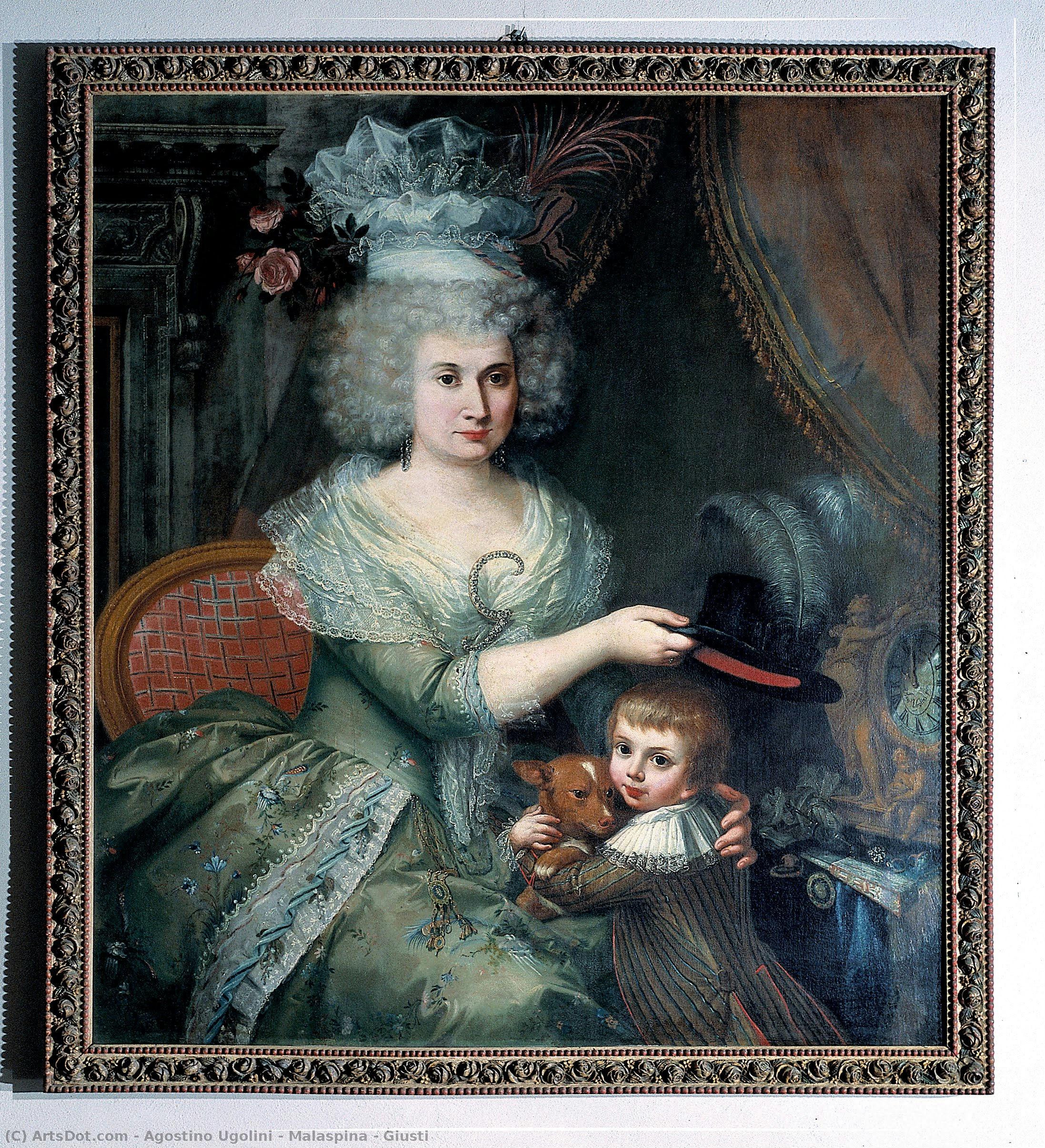
Malaspina - Giusti

 Weiterlesen
Giclée / Kunstdruck
Giclée- oder Leinwanddruck in Museumsqualität mit schneller Produktion und flexiblen Veredelungsoptionen. ( Zur handgemalten Reproduktion wechseln Zum Bild wechseln)




































Wählen Sie aus unseren vordefinierten Formaten, die den ursprünglichen Proportionen des Kunstwerks entsprechen.

Sie können Ihre eigenen Maße eingeben, um ein bestimmtes Format oder einen speziellen Platz einzupassen. Wenn das von Ihnen gewählte Format nicht den Proportionen des Originalbildes entspricht, werden wir das Kunstwerk entweder beschneiden oder das Bild mit einem gespiegelten oder einfarbigen Rand erweitern. Ein digitaler Entwurf wird Ihnen zur Genehmigung zugesandt, bevor die Produktion beginnt.
Bitte beachten Sie, dass die Vorschau auf dem Bildschirm nicht den tatsächlichen Zuschnitt oder die Erweiterung widerspiegelt. Nur der Entwurf zeigt die endgültige Komposition präzise an.
Obwohl Sondermaße verfügbar sind, empfehlen wir die Auswahl eines Maßes aus der vordefinierten Liste, um die ursprünglichen Proportionen zu bewahren.
Weltweiter Versand () innerhalb von 2 Wochen statt der üblichen 4/5 Wochen. (10 August)

Kostenloser weltweiter Expressversand

Hochwertige Leinenleinwand

Umfassender Versicherungsschutz beim Versand

Zollgebühren-Rückerstattungsgarantie

Garantie für exakte Farbtreue

60 Tage Rückgaberecht (nur bei Mängeln)

100% Geld-zurück-Garantie

Mengenrabatt verfügbar
 Die Glasoption ist nur für Größen unter 110 cm verfügbar.

Malaspina - Giusti
Giclée / Kunstdruck
Format der Reproduktion
-


Gesamtpreis
$ 80
Sammlerstück-Beschreibung
Über den Künstler
Agostino Ugolini: Verona’s Baroque Visionary
Agostino Ugolini (1758–january 8, 1824) stands as a pivotal figure in the artistic landscape of late baroque and early neoclassical Italy. Born in Verona, he emerged from the tutelage of Giovanni Battista Burato, establishing himself as a student deeply attuned to the stylistic currents shaping his era. His career blossomed amidst an intellectual fervor for classical ideals, mirroring the broader transformation occurring across Europe. Ugolini’s artistic journey was marked by unwavering dedication and prolific output, leaving behind a legacy celebrated in both Verona and beyond.- Early Training & Academic Recognition: Ugolini's formative years were spent honing his skills under Burato’s guidance, absorbing the principles of baroque painting – dramatic chiaroscuro, opulent ornamentation, and emotive expression—characteristics that would inform his subsequent artistic endeavors. Crucially, he was elected academic of the Academy of Fine Arts in Verona in 1775, securing institutional support and elevating his standing within the artistic community. This recognition solidified his position as one of Verona’s most promising talents and ensured access to invaluable resources for furthering his artistic pursuits.
- Teaching & Artistic Development: Recognizing Ugolini’s talent and pedagogical aptitude, he assumed the role of professor at the academy in 1786. This position not only nurtured his own artistic growth but also disseminated knowledge and fostered the development of younger artists—a testament to his commitment to artistic excellence. He instilled a profound appreciation for classical ideals alongside masterful technique, shaping the aesthetic sensibilities of countless aspiring painters.
- Verona's Patronage & Notable Commissions: Ugolini’s reputation quickly garnered attention from influential patrons, notably the Malaspina family and Giusti. These commissions fueled his creativity and allowed him to explore ambitious projects, including monumental altarpieces for churches like San Fermo and San Massimo in Verona—works that exemplify the grandeur of baroque style. The patronage of these families enabled Ugolini to undertake monumental undertakings, cementing his reputation as a master craftsman and securing his place amongst Verona’s artistic elite.
- Sculptural Contributions: Beyond painting, Ugolini demonstrated versatility as a sculptor, creating impressive sculptures for various ecclesiastical sites. His artistic vision extended beyond canvas to encompass three-dimensional forms, reflecting the multifaceted nature of his artistic practice. He skillfully captured spiritual narratives in stone, demonstrating an unparalleled understanding of sculptural form and conveying profound emotion through meticulous detail.
- International Recognition & Legacy: Ugolini’s canvases found their way into prestigious collections internationally, notably the Princeton Museum of Art, where four monumental paintings—including “Decapitazione di Giovanni Battista Tiepolo,” “Deposizione della Vergine Maria,” “Adorazione dei Magi,” and “Sant'Agostino nella chiesa di San Gimignano”—remain enduring symbols of baroque artistry. His influence continues to resonate through subsequent generations of artists, securing his place as a cornerstone of Italian art history. These paintings stand as testament to Ugolini’s artistic prowess and unwavering dedication to capturing the sublime beauty of religious iconography.

Agostino Ugolini
1758 - 1824 , Italien
Kurzinfos
- Artistic Movement Or Style: Spätbarock & Frühneoklassizismus
- Artists Who Influenced This Artist: ['Giovanni Battista Burato']
- Date Of Birth: Verona, Italien (1758)
- Date Of Death: Januar 8, 1824
- Full Name: Agostino Ugolini
- Nationality: Italienisch
- Notable Artworks:
- Dekapitierung Giovanni Battista Tiepolo
- Legende der Verkündigung Mariae
- Verehrung des Heiligen Martin
- Sant'Agostino Kirche San Gimignano
- Place Of Birth: Verona, Italien

