Vorschau anzeigen
 Versenden
 Teilen
 Details anzeigen
 Leitfaden

 Herunterladen
 Ähnliche Objekte
 Röntgenaufnahme
 Diashow
 Q&A
Q&A Statistiken
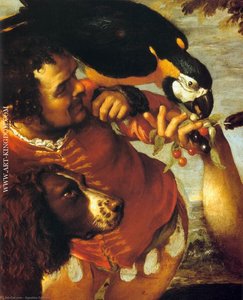
Hairy Harry, Mad Peter and Tiny Amon

- 101.0 x 133.0 cm


 Weiterlesen
Giclée / Kunstdruck
Giclée- oder Leinwanddruck in Museumsqualität mit schneller Produktion und flexiblen Veredelungsoptionen. ( Handgemalte Reproduktion bestellen Zum digitalen Bild wechseln)




P118B €10

P118H €10

P118W €10

P438Z €10

P508JH €12

P508YH €12

P805H €10

P805Z €10

P919BZ €10

P919G €10

P919XJ €10

P959ZH €10

P968JZ €12

W106C €8

W218G €10

W218JH €8

W218Y €10

W307PJ €10

W316G €10

W316PJ €8

W316Y €10

W398PJ €8

W4111J €10

W500HY €15

W500JH €15

W692G €12

W849H €8

W940BG €15

W953PJ €8




Wählen Sie aus unseren vordefinierten Formaten, die den ursprünglichen Proportionen des Kunstwerks entsprechen.

Geben Sie die benötigte Breite und Höhe an, damit der Druck perfekt in Ihren Rahmen oder an Ihre Wand passt. Ein Druck kann nur beschnitten, aber niemals größer als das Originalbild angefertigt werden; daher verliert ein Format mit anderen Proportionen einen Teil des Bildes. Wir senden Ihnen ein digitales Mockup zur Freigabe, bevor wir den Druck ausführen. Das auf dieser Seite gezeigte Bild zeigt nicht den tatsächlichen Beschnitt – dies ist nur im Mockup ersichtlich.
Weltweiter Versand () innerhalb von 2 Wochen statt der üblichen 4/5 Wochen. (31 Oktober)

Kostenloser weltweiter Expressversand

Hochwertige Leinenleinwand

Umfassender Versicherungsschutz beim Versand

Zollgebühren-Rückerstattungsgarantie

Garantie für exakte Farbtreue

100 Tage Rückgaberecht (nur bei Mängeln)

100% Geld-zurück-Garantie

Mengenrabatt verfügbar
 Die Glasoption ist nur für Größen unter 110 cm verfügbar.

Hairy Harry, Mad Peter and Tiny Amon
Giclée / Kunstdruck
Format der Reproduktion
-


Endpreis
€ 71
A Symphony of Pastoral Virtue: Exploring Agostino Carracci’s “Hairy Harry, Mad Peter and Tiny Amon”
The painting "Hairy Harry, Mad Peter and Tiny Amon," attributed to Agostino Carracci (1598), transcends mere visual representation; it embodies the spirit of Bolognese Baroque—a movement striving for harmonious balance between classical ideals and emotive expression. Executed during a period marked by intellectual ferment and artistic experimentation, this monumental canvas offers a captivating glimpse into the aesthetic sensibilities of its time and speaks powerfully to themes of human interaction with nature and moral contemplation.Subject Matter and Composition
At first glance, the artwork depicts an idyllic tableau featuring three men—likely representing figures of authority or intellect—surrounded by a profusion of animals: birds, dogs, and monkeys. A young boy diligently feeds a bird, symbolizing innocence and care for the natural world. The central figure, adorned with a beard and draped in opulent robes, commands attention amidst his canine companions, embodying strength and perhaps regal dignity. Completing the ensemble is a gentleman observing the scene with thoughtful consideration—a testament to humanist values prioritizing reason and observation. Carracci’s masterful composition utilizes dynamic lines—curves and diagonals—to guide the viewer's gaze across the canvas, creating a sense of movement and inviting contemplation. The flattened perspective characteristic of Baroque art prioritizes emotional impact over strict spatial accuracy, immersing the spectator in this carefully crafted narrative space.Style and Technique: Embracing Naturalism Amidst Classical Influence
Carracci’s stylistic approach distinguishes itself from the Mannerist preoccupation with stylized forms and exaggerated poses. Instead, he champions naturalism—a deliberate effort to depict subjects realistically, capturing subtle nuances of light and texture. This commitment is evident in the meticulous brushwork employed throughout the painting, characterized by layering and glazing techniques that build up luminous surfaces. The artist skillfully utilizes sfumato—a smoky haze—to soften contours and create a hazy atmosphere, enhancing depth and contributing to an overall sense of ethereal beauty. The warm color palette dominated by browns, reds, and golds reinforces the painting’s grandeur and evokes feelings of warmth and richness.Historical Context: The Academy and Bolognese Artistic Renaissance
“Hairy Harry, Mad Peter and Tiny Amon” emerged from the crucible of the Academy degli Incamminati—established by Carracci himself alongside Annibale and Ludovico—a pioneering institution dedicated to reviving classical artistic traditions. This academy served as a beacon for aspiring artists, fostering a collective pursuit of excellence and shaping the stylistic landscape of Bolognese Baroque. The painting reflects the broader humanist ethos prevalent during the Renaissance, emphasizing human dignity and celebrating the beauty of the natural world – ideals that resonated deeply with Carracci’s contemporaries.Symbolism: Virtue, Wisdom, and Harmony
Beyond its visual splendor, “Hairy Harry, Mad Peter and Tiny Amon” is laden with symbolic significance. The animals represent not only the bounty of nature but also serve as metaphors for human virtues—gentleness, prudence, and contemplation. The figures themselves embody intellectual prowess and moral integrity, reflecting the academy’s core mission to cultivate enlightened minds. Ultimately, Carracci's masterpiece invites viewers to consider the harmonious relationship between humanity and its environment – a timeless message conveyed with breathtaking artistry.Fragen & Antworten
Wie wirkt die Helligkeit von "Hairy Harry, Mad Peter and Tiny Amon" von Agostino Carracci?
Insgesamt wird „Hairy Harry, Mad Peter and Tiny Amon“ mit einer Helligkeit von deep_shadow erfasst. Die wahrgenommene Helligkeit beschreibt, wie hell oder dunkel das Werk erscheint.
Welche Atmosphäre verleiht "Hairy Harry, Mad Peter and Tiny Amon" von Agostino Carracci einem Raum?
Die Dramatic Atmosphäre von "Hairy Harry, Mad Peter and Tiny Amon" von Agostino Carracci passt perfekt zu dem empfohlenen Ort: einem Living Room.
Kann man "Hairy Harry, Mad Peter and Tiny Amon" von Agostino Carracci als Diashow ansehen?
Das Diaporama zu „Hairy Harry, Mad Peter and Tiny Amon“ finden Sie auf der Diashow-Seite des Kunstwerks.
Künstlerbiografie
Der Architekt des Naturalismus: Das Leben und das Erbe von Agostino Carracci
Agostino Carracci gilt als eine zentrale Gestalt der aufstrebenden Barockbewegung in Bologna, Italien. Oft im Schatten seines berühmteren Bruders Annibale stehend, etablierte Agostinos künstlerische Vision – geprägt durch die bewusste Ablehnung des manieristischen Formalismus und die Hinwendung zu klassischen Idealen – ihn als einen entscheidenden Innovator, der den stilistischen Verlauf der Bologneser Malerei tiefgreifend beeinflusste. Er war nicht bloß ein Kunsthandwerker, sondern ein visionärer Pädagoge, der durch die Accademia degli Incarmminati gemeinsam mit Annibale und Ludovico Carracci die zukünftige Generation von Künstlern formte. Diese Akademie wurde zu einem Schmelztiegel für eine neue Ära der Kunst, die sich von der Künstlichkeit der Spätrenaissance weg und hin zu einer tieferen Verbindung mit der Realität bewegte. Geboren 1557 in Bologna als Sohn von Giovanni Battista Carracci und Lucrezia Panciatichi, begann Agostinos künstlerische Reise unter der Anleitung von Domenico Tiberiadi. Diese frühe Ausbildung vermittelte ihm ein grundlegendes Verständnis des disegno – dem humanistischen Konzept der Zeichnung –, welches unerlässlich war, um klassische Proportionen und die Perspektive zu meistern. Während seine Zeitgenossen sich oft den stilisierten Formen und übertriebenen Posen des Manierismus hingaben, suchte Agostino die Inspiration in der beständigen Kraft der Antike. Er blickte auf die römische Skulptur und Architektur als ultimative Vorbilder für künstlerische Exzellenz und glaubte fest daran, dass wahre Schönheit im Gleichgewicht zwischen idealisierter Form und natürlicher Wahrheit liegt.Die Meisterschaft von Linie und Licht
Bevor er durch monumentale Fresken und Porträts Berühmtheit erlangte, fand Carraccis Karriere ihren Anfang im komplexen Medium des Kupferstichs. Diese Periode war transformativ, da er das Werkzeug des Graveurs nutzte, um Meisterwerke von Titanen wie Federico Barocci, Tintoretto, Veronese und Correggio zu reproduzieren. Für Agostino war der Stich weit mehr als nur eine Methode der Vervielfältigung; er war eine lebensnotwendige intellektuelle Übung zur Verbreitung künstlerischen Wissens in ganz Europa. Seine Drucke zeigten eine ausgeprägte Sensibilität für tonale Variationen und das chiaroscuro – das dramatische Zusammenspiel von Licht und Schatten –, welches später zum Markenzeichen des Barockstils werden sollte. Durch diese akribischen Linien übersetzte er die fließenden Texturen der Farbe in die dauerhafte Sprache der Tinte und erhob so den Status der Druckgrafik innerhalb der bildenden Künste. Seine technische Brillanz offenbart sich vielleicht am intimsten in seinen Vorarbeiten, in denen die Grenze zwischen Studie und Meisterwerk verschwimmt. In Werken wie seiner Studie eines Spaniels kann man das Engagement des Künstlers für den Naturalismus miterleben. Diese um 1598 entstandene Zeichnung verzichtet auf jegliche Künstlichkeit und präsentiert das Motiv mit bemerkenswertem Realismus – von den aufmerksamen Augen bis hin zum strukturierten, lockigen Fell der Ohren. Solche Studien dienten als essenzielle Bausteine für seine größeren Kompositionen und bewiesen, dass seine Hingabe an die kleinsten Details der natürlichen Welt das Fundament bildete, auf dem seine grandioseren, klassischeren Visionen errichtet wurden.Ein bleibender Eindruck auf der Barockära
Die historische Bedeutung von Agostino Carracci liegt in seiner Rolle als Brückenbauer zwischen zwei Epochen. Indem er die intellektualisierte Komplexität des Manierismus durch einen erneuten Fokus auf Klarheit und natürliche Beobachtung herausforderte, half er bei der Geburtsstunde der Bologneser Schule. Seine Fähigkeit, die klassische Eleganz der Renaissance mit der emotionalen Tiefe und der dramatischen Lichtführung des Barock zu verschmelzen, lieferte eine Blaupause für Generationen von Malern. Ob durch die ätherische Schönheit in seinem Werk Die drei Grazien oder die familiäre Intimität, die in den Porträts von ihm selbst und seinen Brüdern eingefangen wurde – Agostinos Werk bleibt ein Zeugnis einer Zeit des tiefgreifenden Wandels. Obwohl sein Leben mit seinem frühen Tod im Jahr 1602 tragisch kurz war, überdauerte sein Einfluss seine Jahre bei Weitem. Durch die Accademia degli Incamminati half er dabei, eine pädagogische Tradition zu etablieren, die direkte Beobachtung und klassisches Studium priorisierte und so sicherstellte, dass die Prinzipien des Naturalismus zu einem Eckpfeiler der westlichen Kunst würden. Sein Vermächtnis findet sich nicht nur in einzelnen Leinwänden, sondern in der Art und Weise, wie wir Licht, Schatten und die menschliche Form wahrnehmen – ein Erbe der Präzision, der Leidenschaft und des unerschütterlichen Strebens nach Wahrheit in der Kunst.
Agostino Carracci
1557 - 1602 , Italien
Kurzinfos
- Artistic Movement Or Style: Barock
- Artists Or Movements Influenced By This Artist: ['Matisse']
- Artists Who Influenced This Artist:
- Federico Barocci
- Tintoretto
- Ludovico Carracci
- Date Of Birth: 1557
- Date Of Death: 1602
- Full Name: Agostino Carracci
- Nationality: Italienisch
- Notable Artworks:
- Geschichte von Jason und Medea
- Die Heilige Familie mit Sankt Antonius Abt.
- Johannes XXIII.
- Place Of Birth: Bologna, Italien
Ähnliche Artikel
Annibale Carracci: Brückenbauer zwischen Renaissance-Ideal und barocker Innovation
Entdecken Sie Annibale Carracci und die Bologneser Schule! Erfahren Sie mehr über seine revolutionären Techniken, Meisterwerke wie die Galleria Farnese und seinen nachhaltigen Einfluss auf die Barockmalerei. Expertenwissen & hochwertige Reproduktionen.

Barock Meisterwerke: Die 10 prägendsten Kunstwerke für Ihr Zuhause |
Entdecken Sie die 10 prägendsten Meisterwerke des Barock! Caravaggio, Rembrandt & Co. – Erfahren Sie die Geschichten hinter ikonischen Gemälde und finden Sie hochwertige Kunst Reproduktionen für Ihr Zuhause auf .
Chiaroscuro and Soul: A Definitive Guide to the Drama and Emotion of Italian Baroque Masterpieces
Embark on a sophisticated journey through Italian Baroque art. Discover the dramatic interplay of light and emotion in Caravaggio’s masterpieces and explore how to bring this timeless grandeur into your collection with expert art insights.

Barocke Pracht: Wie Sie Opulenz und Emotionen in zeitgenössische Innenräume bringen
Entdecken Sie die Pracht des Barock! Expertenratgeber für luxuriöse Innenräume mit barocken Elementen. Inspiration, Tipps & hochwertige Kunst bei .

Italian Baroque Unlocked: High-Drama Art That Hits Hard
Dive into the high-drama world of Italian Baroque art. Discover how chiaroscuro, intense emotion, and theatrical lighting redefined aesthetics. Explore the visceral power of the Counter-Reformation through a modern lens with expert insights from OriginalUniqueArt.com.