

 Vorschau anzeigen
 Versenden
 Teilen
 Details anzeigen
 Leitfaden

 Herunterladen
 Ähnliche Objekte
 Röntgenaufnahme
 Diashow
 Q&A
Q&A Statistiken
Spray
 Abstract Expressionism
 1959
1959 229.0 x 184.0 cm
 Weiterlesen
Die auf dieser Seite dargestellten Kunstwerke sind urheberrechtlich geschützt, was bedeutet, dass wir keine identische Reproduktion rechtmäßig erstellen oder verkaufen dürfen. Dieser Schutz wird durch internationale Abkommen wie die Berner Übereinkunft und durch nationale Gesetze, einschließlich derer, die von den US-Urheberrecht – Titel 17.
Diese Methode entspricht vollumfänglich den Urheberrechtsbestimmungen, da sie keine Kopie oder Vervielfältigung des geschützten Kunstwerks darstellt. Stattdessen handelt es sich um eine kreative Neuinterpretation – ein neues Gemälde, das vom Original inspiriert, aber nicht identisch mit ihm ist.
Giclée / Kunstdruck
Giclée- oder Leinwanddruck in Museumsqualität mit schneller Produktion und flexiblen Veredelungsoptionen. ( Handgemalte Reproduktion bestellen Zum digitalen Bild wechseln)




P118B €10

P118H €10

P118W €10

P438Z €10

P508JH €12

P508YH €12

P805H €10

P805Z €10

P919BZ €10

P919G €10

P919XJ €10

P959ZH €10

P968JZ €12

W106C €8

W218G €10

W218JH €8

W218Y €10

W307PJ €10

W316G €10

W316PJ €8

W316Y €10

W398PJ €8

W4111J €10

W500HY €15

W500JH €15

W692G €12

W849H €8

W940BG €15

W953PJ €8




Wählen Sie aus unseren vordefinierten Formaten, die den ursprünglichen Proportionen des Kunstwerks entsprechen.

Geben Sie die benötigte Breite und Höhe an, damit der Druck perfekt in Ihren Rahmen oder an Ihre Wand passt. Ein Druck kann nur beschnitten, aber niemals größer als das Originalbild angefertigt werden; daher verliert ein Format mit anderen Proportionen einen Teil des Bildes. Wir senden Ihnen ein digitales Mockup zur Freigabe, bevor wir den Druck ausführen. Das auf dieser Seite gezeigte Bild zeigt nicht den tatsächlichen Beschnitt – dies ist nur im Mockup ersichtlich.
Weltweiter Versand () innerhalb von 2 Wochen statt der üblichen 4/5 Wochen. (29 Oktober)

Kostenloser weltweiter Expressversand

Hochwertige Leinenleinwand

Umfassender Versicherungsschutz beim Versand

Zollgebühren-Rückerstattungsgarantie

Garantie für exakte Farbtreue

100 Tage Rückgaberecht (nur bei Mängeln)

100% Geld-zurück-Garantie

Mengenrabatt verfügbar
 Die Glasoption ist nur für Größen unter 110 cm verfügbar.

Spray
Giclée / Kunstdruck
Format der Reproduktion
-


Endpreis
€ 71
A Burst of Energy: Exploring Adolph Gottlieb’s ‘Spray’ (1959)
Adolph Gottlieb's Spray, created in 1959, is a commanding example of Abstract Expressionism at its most visceral. Measuring an impressive 229 x 184 cm, this painting doesn’t simply occupy space; it *fills* it with dynamic energy and raw emotion. The work presents a dramatic interplay between form and color, inviting viewers into a world of pure sensation.
Deconstructing the Composition & Technique
- Dynamic Contrast: A substantial, dark circular mass dominates the upper canvas, acting as both an anchor and a counterpoint to the explosive energy below. This stark contrast immediately draws the eye and establishes a powerful visual tension.
- Impasto & Gesture: Gottlieb masterfully employs impasto – thickly applied paint – particularly in the vibrant yellow section. This technique isn’t merely about texture; it's about physicality, conveying a sense of immediacy and the artist’s direct engagement with the canvas. Loose, gestural brushwork further enhances this feeling of spontaneous creation.
- Color & Form: The chaotic ‘spray’ of yellow isn’t simply random. While amorphous in shape, these masses radiate outwards, suggesting expansion and release. The muted brown background serves as a grounding force, allowing the black and yellow to truly pop.
Symbolism & Historical Context
Gottlieb, deeply influenced by his experiences with European modernism – particularly Constructivism and Surrealism – and grappling with post-war anxieties, sought a visual language that could express the complexities of the human condition. While abstract, Spray isn’t devoid of symbolic resonance. The black circle can be interpreted as representing darkness, the void, or even the unknown, while the yellow explosion suggests light, energy, or liberation. Created in 1959, during a period of intense artistic innovation in America, ‘Spray’ embodies the Abstract Expressionist movement's rejection of traditional representation in favor of subjective emotional expression.
Emotional Impact & Interior Design Considerations
Spray is not a passive artwork; it demands attention. Its bold colors and dynamic composition evoke feelings of both power and vulnerability, chaos and control. For collectors and interior designers, this piece offers a striking focal point. The strong visual presence would be particularly effective in modern or contemporary spaces, adding depth and sophistication to a living room, office, or gallery setting. The interplay of dark and light also allows for versatile pairing with various color palettes – from minimalist neutrals to bolder, complementary hues.
Fragen & Antworten
Wie hoch ist der Kontrast von "Spray" von Adolph Gottlieb?
"Spray" von Adolph Gottlieb zeigt einen Bold Kontrast zwischen hellen und dunklen Bereichen.
Ist "Spray" von Adolph Gottlieb gemeinfrei, und warum?
Der Urheberrechtsstatus von "Spray" – noch urheberrechtlich geschützt – ergibt sich aus dem Todesjahr des Künstlers im Jahr 1974.
Wo finde ich Statistiken zu "Spray" von Adolph Gottlieb?
Die Seite Besucherzahlen von "Spray" von Adolph Gottlieb präsentiert öffentliche Besucherstatistiken: die monatlichen Aufrufe dieses Kunstwerks, einen Vergleich mit den meistbesuchten Werken des Künstlers sowie die Herkunft der Besucher.
Künstlerbiografie
Adolph Gottlieb: Ein Leben im Abstrakten Expressionismus
Adolph Gottlieb (New York City, 14. März 1903 – Long Island, 1974) war eine zentrale Figur bei der Entwicklung des amerikanischen Abstrakten Expressionismus. Seine Karriere erstreckte sich über mehrere Jahrzehnte und war geprägt von einer ständigen Auseinandersetzung mit Form, Symbolik und dem menschlichen Dasein.
Frühes Leben und Ausbildung
Geboren als Kind jüdischer Einwandererfamilien, erhielt Gottlieb seine frühe künstlerische Ausbildung an der Art Students League und Parsons The New School for Design in New York City. Er setzte seine Ausbildung während der 1920er Jahre in Frankreich und Deutschland fort, Erfahrungen, die seine ästhetischen Vorstellungen maßgeblich prägten.
Formative Einflüsse & Frühe Werke
Gottliebs frühe Arbeiten waren stark von seiner Auseinandersetzung mit europäischen Avantgarde-Bewegungen, insbesondere Konstruktivismus und Surrealismus, geprägt. Seine Zeit in Deutschland erwies sich dabei besonders wirkungsvoll, indem sie ihn einer vielfältigen Reihe künstlerischer Stile und Philosophien ausgesetzt hat. Zunächst experimentierte er mit repräsentativen Formen, bewegte sich aber allmählich hin zur Abstraktion.
Die Bewegung des amerikanischen Abstrakten Expressionismus
Im Jahr 1935 schloss Gottlieb sich Künstlern wie Mark Rothko und John D. Graham an, um „The Ten“ zu gründen, später bekannt als die New York Artists Painters Gruppe. Diese Kollektiv spielte eine entscheidende Rolle bei der Etablierung einer eigenständigen amerikanischen Stimme im internationalen Kunstbetrieb. Er profitierte von öffentlichen Initiativen zur Förderung aufstrebender Künstler durch das Federal Art Project.
Entwicklung einer einzigartigen künstlerischen Sprache
Gottlieb entwickelte eine einzigartige visuelle Sprache, die sich durch kräftige Formen, symbolische Bilder und eine besondere Verwendung von Farbe auszeichnet. Er ließ sich oft von klassischen Themen in der Malerei inspirieren und integrierte gleichzeitig Elemente der tribalen Kunst – insbesondere Amerindian- und afrikanische Motive. Diese Verschmelzung schuf einen anregenden Dialog zwischen Moderne und antiken Traditionen.
Wichtige Themen & künstlerische Serien
- Pictographs (1940er): Vielleicht Gottliebs bekannteste Serie, die Pictographs, zeichneten sich durch biomorphische Formen und symbolische Bilder aus, die in rechteckigen Feldern angeordnet waren. Diese Werke erforschten universelle Themen von Mythos, Ritual und menschlicher Erfahrung.
- Burst Paintings (1950er): Charakterisiert durch explosive Farbspritzer und Energie, spiegeln diese Gemälde einen dynamischeren und emotional aufgeladenen Ansatz der Abstraktion wider.
- Imaginary Landscapes: Gottlieb schuf auch Serien, die Landschaftsformen durch ein abstraktes Linienbilde erforschten.
Künstlerische Leistungen & Anerkennung
Während seiner gesamten Karriere stellte Gottlieb in den Vereinigten Staaten und Europa aus. Seine Werke sind in bedeutenden Museumsammlungen auf der ganzen Welt vertreten, darunter das Museum of Modern Art (MoMA) in New York City und das Tate Modern in London. Er erhielt zahlreiche Auszeichnungen und Anerkennungen für seine Beiträge zur amerikanischen Kunst.
Historische Bedeutung & Vermächtnis
Adolph Gottliebs Werk spielte eine entscheidende Rolle bei der Gestaltung des Umfelds der Nachkriegskunst in Amerika. Seine Auseinandersetzung mit Abstraktion, Symbolik und kulturellen Einflüssen half dabei, den Abstrakten Expressionismus zu definieren und den Weg für zukünftige Generationen von Künstlern zu ebnen. Er bleibt eine wichtige Figur zum Verständnis der Entwicklung der modernen Kunst und ihres bleibenden Vermächtnisses.
Gottliebs Engagement für die Erforschung universeller Themen durch eine einzigartig amerikanische Linse festigte seinen Platz als einer der bedeutendsten abstrakten Maler des 20. Jahrhunderts.
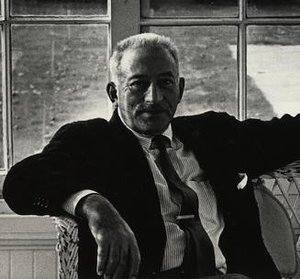
Adolph Gottlieb
1903 - 1974 , Vereinigte Staaten von Amerika
Kurzinfos
- Beeinflusste Künstler: ['Abstrakter Expressionismus']
- Bemerkenswerte Werke:
- Pictographs
- Burst Paintings
- Einflüsse:
- Konstruktivismus
- Surrealismus
- Geburtsdatum: 14. März 1903
- Geburtsort: New York City, USA
- Künstlerische Bewegung: Abstrakter Expressionismus
- Nationalität: Amerikanisch
- Todesdatum: 1974
- Vollständiger Name: Adolph Gottlieb
Ähnliche Artikel
Lyrical Abstraction: The Emotional Power of Color and Form in Modern Art History
Explore the profound emotional depth of Lyrical Abstraction. Discover how masters like Raymond Parker used color and form to bridge Impressionism and Abstract Expressionism. Learn about this pivotal movement through our expert-led art history guide.

Abstrakter Expressionismus: Die 10 Meisterwerke, die eine Kunstbewegung prägten |
Entdecken Sie die 10 Meisterwerke des Abstrakten Expressionismus! Von Jackson Pollock bis Mark Rothko – erfahren Sie die Geschichten hinter ikonischen Gemälde und finden Sie hochwertige Reproduktionen für Ihr Zuhause. Jetzt bei entdecken!
Beyond the Lines: Mastering the High-Impact World of Contemporary Abstraction
Master the high-impact world of contemporary abstraction. Discover how bold colors, textures, and modern movements like Abstract Expressionism can transform your space with premium, high-energy art curated for the design-conscious professional.
The Soul of Color: A Journey into the Emotional Resonance of Lyrical Abstraction
Embark on a cultural journey through Lyrical Abstraction. Explore how masters like Kandinsky used color and motion to translate emotion into visual poetry. Discover the profound beauty of abstract expressionism and learn to curate emotional resonance in your own art collection.

Kandinsky: Die 25 Meisterwerke des Abstrakten – Kunst für Ihr Zuhause | OriginalUniqueArt
Entdecken Sie die 25 bedeutendsten Gemälde von Wassily Kandinsky! Tauchen Sie ein in die Welt der abstrakten Kunst, des Expressionismus und der Farbkomposition. Hochwertige Kunstdrucke & Inspiration für Ihr Zuhause auf OriginalUniqueArt.com.