Vorschau anzeigen
 Versenden
 Teilen
 Details anzeigen
 Leitfaden

 Herunterladen
 Ähnliche Objekte
 Röntgenaufnahme
 Diashow
 Statistiken
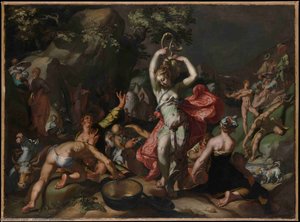
The Bagpiper


 Weiterlesen
Handgefertigte Ölreproduktion
Handgemaltes Ölgemälde auf Leinwand in Ihrer Wunschgröße und mit Rahmen, auf Bestellung von unseren Künstlern angefertigt. ( Zum Druck wechseln Zum digitalen Bild wechseln)




P118B €10

P118H €10

P118W €10

P438Z €10

P508JH €12

P508YH €12

P805H €10

P805Z €10

P919BZ €10

P919G €10

P919XJ €10

P959ZH €10

P968JZ €12

W106C €8

W218G €10

W218JH €8

W218Y €10

W307PJ €10

W316G €10

W316PJ €8

W316Y €10

W398PJ €8

W4111J €10

W500HY €15

W500JH €15

W692G €12

W849H €8

W940BG €15

W953PJ €8




Wählen Sie aus unseren vordefinierten Formaten, die den ursprünglichen Proportionen des Kunstwerks entsprechen.

Geben Sie die Breite und die Höhe an, die Sie für Ihren Rahmen oder Ihre Wand benötigen. Da dieses Werk handgemalt ist, kann der Künstler bei einer anderen Form etwas mehr um das Bild herum malen oder etwas abschneiden – Sie entscheiden. Wir senden Ihnen ein digitales Mockup zur Freigabe, bevor mit dem Malen begonnen wird. Das auf dieser Seite gezeigte Bild stellt nicht das tatsächliche Ergebnis dar – dies tut nur das Mockup.
Nach der Bestellung wird das OriginalUniqueArt.com-Team dem Kunden Anweisungen per E-Mail zusenden und eine Mockup-Vorschau bereitstellen.
Weltweiter Versand () in nur 3 bis 4 Wochen statt der üblichen 5 Wochen. (27 Oktober). Keine Kompromisse bei der Qualität.

Kostenloser weltweiter Expressversand

Hochwertige Leinenleinwand

Umfassender Versicherungsschutz beim Versand

Zollgebühren-Rückerstattungsgarantie

Garantie für exakte Farbtreue

100 Tage Rückgaberecht (nur bei Mängeln)

100% Geld-zurück-Garantie

Mengenrabatt verfügbar
 Die Glasoption ist nur für Größen unter 110 cm verfügbar.

The Bagpiper
Art der Reproduktion
Format der Reproduktion
-


Endpreis
€ 263
Abraham Bloemaert’s “The Bagpiper”: A Window into 18th-Century Dutch Life
Abraham Bloemaert's "The Bagpiper," painted around 1620, is more than just a portrait; it’s a meticulously crafted snapshot of a bygone era. This arresting image captures an older man, likely a traveling musician or itinerant entertainer, immersed in his craft – playing both a small flute and a larger horn-like instrument. The painting immediately draws the viewer into its world with a dramatic interplay of light and shadow, characteristic of the Baroque style that Bloemaert so masterfully employed. The dark, indistinct background serves to heighten the subject’s presence, creating a sense of depth and intimacy as if we are witnessing a private moment.
Bloemaert's skill lies not only in his ability to render realistic textures – from the intricate folds of the man’s waistcoat to the feathered adornments on his tricorn hat – but also in his masterful use of chiaroscuro. The strong directional light, originating seemingly from an unseen source above and slightly to the left, sculpts the subject's face, emphasizing wrinkles and lines that speak volumes about age and experience. This dramatic lighting isn’t merely decorative; it imbues the scene with a palpable sense of melancholy, hinting at a life lived on the road, perhaps filled with both joy and hardship.
A Masterpiece of Baroque Detail
Examining the painting closely reveals Bloemaert's dedication to detail. The artist’s meticulous attention to the fabrics—the rich velvets, sturdy wools, and delicate lace—demonstrates a deep understanding of material properties. The rendering of the musical instruments themselves is particularly noteworthy; each curve and surface reflects light in a way that suggests both their functional purpose and their inherent beauty. Notice, too, the subtle variations in color within the fabrics – hints of crimson, gold, and brown – adding layers of visual interest and contributing to the overall sense of realism.
Bloemaert’s technique is firmly rooted in the Baroque tradition, yet he possesses a unique sensibility that distinguishes his work. He skillfully balances realistic representation with an expressive quality, conveying not just what the subject *looks* like but also how they *feel*. The pyramidal composition—with the man's face forming the apex—provides stability and directs the viewer’s eye towards the central figure, reinforcing his importance within the scene.
Symbolism and Context
“The Bagpiper” offers a glimpse into 18th-century Dutch society. The subject’s attire – the tricorn hat, waistcoat, and breeches – are typical of the period, reflecting a blend of formality and practicality. The musical instruments themselves hold symbolic significance; they represent his profession and livelihood, suggesting a life dedicated to entertainment and travel. Considering Bloemaert's own career trajectory—his time in Paris absorbing influences from various artistic movements—it’s clear that this painting is the culmination of years of study and experimentation.
Furthermore, the painting can be interpreted as a meditation on themes of aging, experience, and the transient nature of life. The man's weathered appearance and melancholic expression invite contemplation about the passage of time and the stories etched onto his face. The setting—a dark, undefined space—suggests a solitary existence, perhaps one marked by both loneliness and resilience.
Bringing “The Bagpiper” to Your Space
Reproductions of Bloemaert’s "The Bagpiper" offer a remarkable opportunity to bring this captivating work of art into your home or office. OriginalUniqueArt's hand-painted reproductions capture the essence of the original, faithfully recreating its dramatic lighting, rich textures, and evocative atmosphere. Whether you are an art collector, an interior designer seeking to add a touch of historical elegance, or simply someone who appreciates beautiful artwork, this piece is sure to be a conversation starter and a source of enduring inspiration.
The painting’s timeless appeal lies in its ability to transport us back to a different time and place—a world filled with music, travel, and the quiet dignity of an individual pursuing his craft. It's a reminder that even in the face of adversity, beauty and artistry can flourish.
Fragen & Antworten
Wo kann ich einen Druck von "The Bagpiper" von Abraham Bloemaert kaufen?
Einen Druck von "The Bagpiper" von Abraham Bloemaert können Sie direkt auf der entsprechenden Kunstdruck in Premiumqualität-Seite bestellen: ein Fine Art Print auf Baumwollkanvas oder Archiv-Leinwandpapier.
Wie sehen die Reproduktionsrechte für „The Bagpiper“ im Residenzgalerie aus?
Das Original "The Bagpiper" befindet sich im Residenzgalerie; das Werk ist gemeinfrei – das Urheberrecht ist abgelaufen.
Welche Gemeinsamkeiten weist "The Bagpiper" mit dem restlichen Werk von Abraham Bloemaert auf?
"The Bagpiper" teilt mit anderen Werken von Abraham Bloemaert den Stil der Baroque sowie die wiederkehrenden Themen: caravaggio's dramatic light, dutch golden age realism, utrecht caravaggisti style, 18th-century social portrait, melancholy, introspective mood, religious undertones (abraham), bloemaert's historical subjects.
Künstlerbiografie
Abraham Bloemaert (1564 – 1651): Bridging Mannerism and Baroque Brilliance
Abraham Bloemaert, born in Gorinchem around 1564, stands as a cornerstone of Dutch Baroque art—a painter who skillfully navigated the stylistic currents of his time, blending the elegance of Haarlem Mannerism with the dramatic dynamism championed by Caravaggio. His artistic journey began under the formative influence of his father, Cornelis Bloemaert I, a sculptor and architect who instilled in him an appreciation for meticulous craftsmanship and compositional balance. This early education provided a crucial foundation for Bloemaert’s subsequent explorations into artistic expression.Early Training and Parisian Exposure
By 1576, the Bloemaert family had relocated to Utrecht, where Abraham honed his skills alongside Gerrit Splinter and Joos de Beer—artists who were actively engaged in shaping the burgeoning Utrecht Caravaggisti movement. This association proved invaluable, exposing him to the innovative techniques and stylistic sensibilities of Caravaggio’s followers. A pivotal moment arrived when Bloemaert undertook a three-year sojourn in Paris from 1581 to 1583. During this period, he immersed himself in the artistic milieu of the French School, absorbing influences from Jehan Bassot and Maistre Herry—artists who championed refined aesthetics and embraced classical ideals. This Parisian experience broadened Bloemaert’s artistic horizons, fostering a deeper understanding of European artistic trends and preparing him for his triumphant return to Utrecht.The Utrecht Caravaggisti and Artistic Innovation
Upon returning to Utrecht, Bloemaert swiftly established himself as a leading figure in the Utrecht Caravaggisti movement—a group of painters who embraced the dramatic realism and tenebrism pioneered by Caravaggio. He skillfully incorporated these stylistic innovations into his oeuvre, creating paintings characterized by intense emotional expression and masterful use of chiaroscuro (the interplay between light and dark). Bloemaert’s canvases pulsated with vitality, reflecting the fervor of the Baroque spirit and cementing his reputation as a visionary artist. Notable works such as “The Expulsion of Hagar and Ishmael” exemplify this stylistic commitment—demonstrating his ability to convey profound narratives with breathtaking visual impact.A Diverse Artistic Output: Painting Beyond Genre
Bloemaert’s artistic output spanned an impressive range of genres, encompassing history painting, landscapes, still lifes, and animal portraits. He approached each subject with meticulous attention to detail and unwavering dedication to stylistic integrity—producing paintings that captivated audiences with their beauty and intellectual depth. His landscapes, particularly, stand out for their evocative depictions of Dutch countryside vistas—infused with atmospheric perspective and imbued with a palpable sense of tranquility. Furthermore, Bloemaert’s mastery extended beyond visual representation; he was also a prolific printmaker, producing etchings and engravings that disseminated his artistic vision widely. These prints served as crucial instruments in establishing his fame and influencing subsequent generations of artists.Legacy and Influence: Shaping Dutch Baroque Art
Abraham Bloemaert's influence resonated throughout the Utrecht Caravaggisti movement—inspiring countless painters to adopt his distinctive stylistic approach. He mentored a generation of Dutch artists, fostering a tradition of artistic excellence that endured for decades after his death in 1651. His legacy continues to inspire admiration and scholarly inquiry today—with his paintings recognized as masterpieces of Baroque art—testaments to a life devoted to artistic exploration and innovation. Bloemaert’s enduring contribution to Dutch art history ensures that his name will forever be associated with brilliance, dynamism, and the transformative power of visual expression.
Abraham Bloemaert
1564 - 1651 , Niederlande
Kurzinfos
- Artistic Movement Or Style: Barock, Manierismus
- Artists Or Movements Influenced By This Artist: ['Utrechter Caravaggisti']
- Artists Who Influenced This Artist: ['Hieronymus Francken']
- Date Of Birth: 1564
- Date Of Death: 1651
- Full Name: Abraham Bloemaert
- Nationality: Niederländisch
- Notable Artworks:
- Die Ausweisung von Hagar und Ishmael
- Venus und Adonis
- Landschaft mit Bauern
- Place Of Birth: Gorinchem, Niederlande
Ähnliche Artikel

Golden Age Reflections: Dutch Baroque Painting & Cultural Innovation
Explore the Dutch Golden Age of painting! Discover key artists like Vermeer & ter Borch, their innovative techniques, and the rich cultural context behind these Baroque masterpieces. Learn about collecting & appreciating this iconic art period.

Chiaroscuro and Character: A Definitive Guide to Light and Shadow in the Dutch Baroque Era
Explore the dramatic mastery of the Dutch Baroque era. Discover how masters like Rembrandt used chiaroscuro to transform everyday life into timeless art. An expert guide for collectors and enthusiasts seeking to understand the profound interplay of light and shadow.

Die 10 Meisterwerke der niederländischen Barockmalerei – Kunst für Ihr Zuhause | OriginalUniqueArt
Entdecken Sie die 10 prägendsten Meisterwerke der niederländischen Barockmalerei! Von Rembrandt bis Vermeer – erleben Sie Kunstgeschichte, Techniken & Emotionen. Hochwertige Reproduktionen für Ihr Zuhause auf OriginalUniqueArt.com.

Die 10 Meisterwerke des Goldenen Zeitalters der niederländischen Malerei |
Entdecken Sie die 10 Meisterwerke des Niederländischen Goldenen Zeitalters! Von Rembrandt bis Vermeer – erleben Sie Kunstgeschichte, Techniken & Emotionen. Hochwertige Gemäldereproduktionen für Ihr Zuhause auf .

Golden Light & Dutch Skies: The Timeless Magic of Dutch Golden Age Landscapes
Discover the breathtaking beauty of Dutch Golden Age landscapes. Explore the mastery of light, chiaroscuro, and 17th-century realism through an expert art history lens, celebrating the enduring legacy of the Dutch Masters for discerning collectors and art lovers.