
 Vorschau anzeigen
 Versenden
 Teilen
 Details anzeigen

 Herunterladen
 Ähnliche Objekte
 Röntgenaufnahme
 Diashow
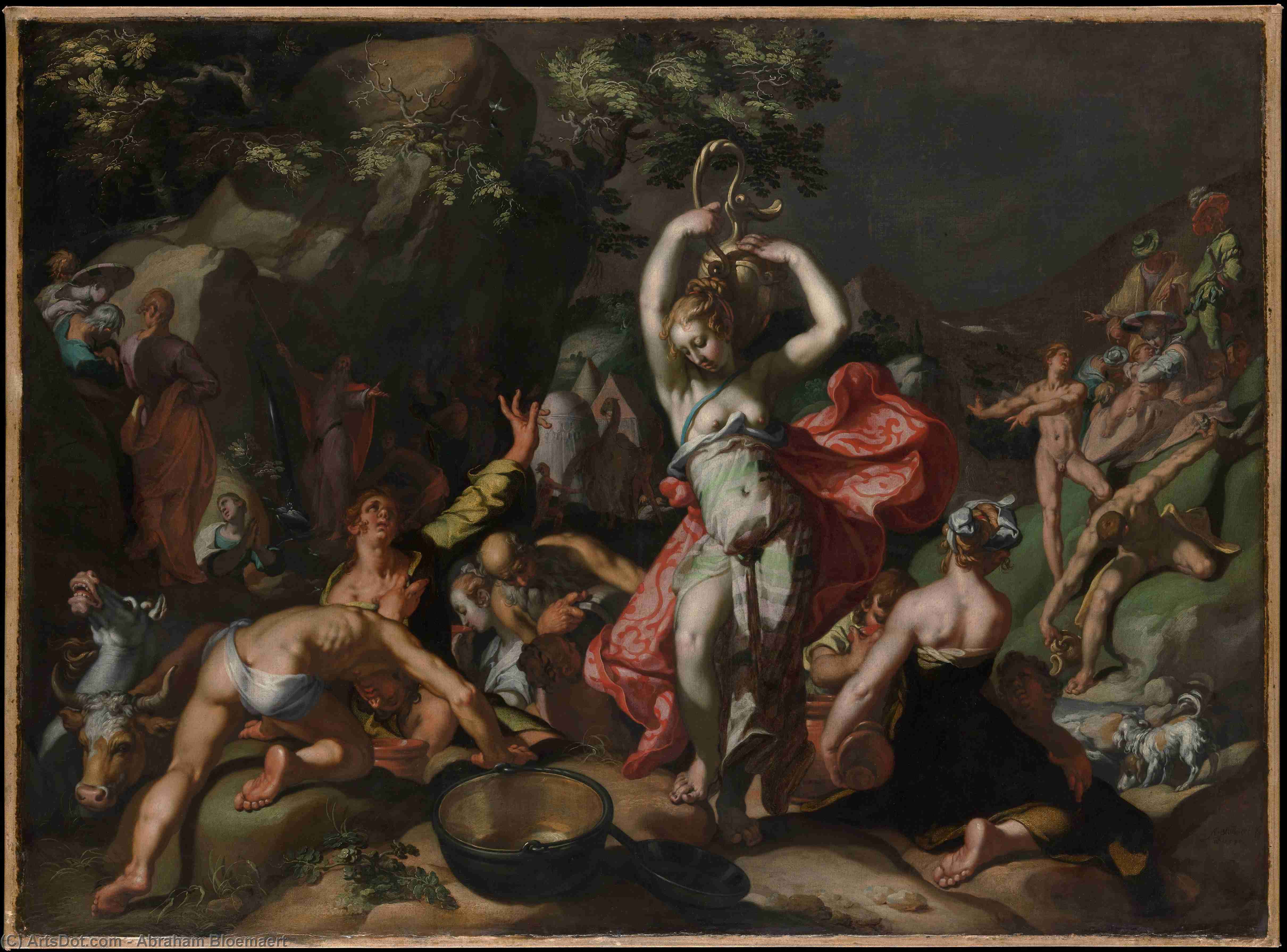
Moses Striking the Rock
 Acrylic
- WallArt
- Late Renaissance Mannerism
 1596
1596 80.0 x 108.0 cm
 Metropolitan Museum of Art
 Weiterlesen
Handgefertigte Ölreproduktion
Handgemaltes Ölgemälde auf Leinwand in Ihrer Wunschgröße und mit Rahmen, auf Bestellung von unseren Künstlern angefertigt. ( Druck bestellen Bild kaufen)




P118B $10

P118H $10

P118W $10

P438Z $10

P508JH $12

P508YH $12

P805H $10

P805Z $10

P919BZ $10

P919G $10

P919XJ $10

P959ZH $10

P968JZ $12

W106C $8

W218G $10

W218JH $8

W218Y $10

W307PJ $10

W316G $10

W316PJ $8

W316Y $10

W398PJ $8

W4111J $10

W500HY $15

W500JH $15

W692G $12

W849H $8

W940BG $15

W953PJ $8




Wählen Sie aus unseren vordefinierten Formaten, die den ursprünglichen Proportionen des Kunstwerks entsprechen.

Sie können Ihre eigenen Maße eingeben, um einen bestimmten Rahmen oder Platz auszufüllen. Wenn die gewählte Größe nicht den Proportionen des Originalbildes entspricht, werden wir das Kunstwerk entweder beschneiden oder das Gemälde durch zusätzliche, handgemalte Elemente erweitern. Ein digitales Mockup wird Ihnen zur Genehmigung zugesandt, bevor die Produktion beginnt.
Bitte beachten Sie, dass die Bildschirmvorschau nicht die tatsächliche Beschneidung oder Erweiterung widerspiegelt. Nur das Mockup zeigt die endgültige Komposition exakt an.
Obwohl Sondermaße verfügbar sind, empfehlen wir, eine Größe aus der vordefinierten Liste zu wählen, um die ursprünglichen Proportionen beizubehalten.
Nach der Bestellung wird das OriginalUniqueArt.com-Team dem Kunden Anweisungen per E-Mail zusenden und eine Mockup-Vorschau bereitstellen.
Weltweiter Versand () in nur 3 bis 4 Wochen statt der üblichen 5 Wochen. (20 August). Keine Kompromisse bei der Qualität.

Kostenloser weltweiter Expressversand

Hochwertige Leinenleinwand

Umfassender Versicherungsschutz beim Versand

Zollgebühren-Rückerstattungsgarantie

Garantie für exakte Farbtreue

60 Tage Rückgaberecht (nur bei Mängeln)

100% Geld-zurück-Garantie

Mengenrabatt verfügbar
 Die Glasoption ist nur für Größen unter 110 cm verfügbar.

Moses Striking the Rock
Art der Reproduktion
Format der Reproduktion
-


Gesamtpreis
$ 300
Beschreibung des Kunstwerks
A Dramatic Encounter with Divine Power: Abraham Bloemaert’s Moses Striking the Rock
Abraham Bloemaert's "Moses Striking the Rock" stands as a testament to the fervor of the Baroque period in Dutch art, capturing a pivotal biblical narrative with breathtaking dynamism and meticulous detail. Painted in 1596, this monumental canvas transcends mere depiction; it embodies an emotional intensity that speaks to themes of faith, leadership, and divine intervention—elements profoundly resonant within its time and continuing to captivate audiences today. The artwork resides prominently within the Metropolitan Museum of Art’s collection, a testament to its enduring artistic merit.- Subject Matter: The painting portrays Moses commanding God to part the Red Sea, an event recounted in Exodus 17:1–6—a cornerstone of Jewish and Christian scripture symbolizing deliverance from oppression and divine providence.
- Style & Influences: Bloemaert’s style firmly anchors itself within Mannerism, a stylistic movement characterized by elongated figures, stylized poses, and dramatic contrasts of light and shadow. However, he skillfully incorporates Baroque elements—particularly the theatrical use of space and gesture—reflecting the artistic sensibilities prevalent in Utrecht during his era. Notably, Bloemaert drew inspiration from contemporary Italian art, specifically the works of Michelangelo Buonarroti and Raphael Sanzio, whose mastery of anatomy and composition profoundly impacted Dutch painters.
Technical Brilliance: Composition and Color Palette
Bloemaert’s technical prowess is evident in every brushstroke. The artist meticulously rendered musculature with an unprecedented level of realism—a stylistic hallmark of Mannerism—emphasizing the heroic stature of Moses as he raises his arm to strike the rock, summoning forth water for the Israelites. The pyramidal composition directs the viewer's gaze upwards towards Moses, reinforcing the central figure’s importance and conveying a sense of upward movement and aspiration. Furthermore, Bloemaert employed a rich color palette dominated by earthy tones—ochres, browns, and reds—creating an atmosphere of solemn grandeur and highlighting the dramatic interplay between light and darkness. The subtle gradations of color contribute to the painting's emotional impact, mirroring the fervor of religious devotion.Symbolism & Narrative Depth
Beyond its visual splendor, “Moses Striking the Rock” is laden with symbolic significance. Moses represents leadership, faith, and obedience—qualities revered in Christian theology as essential for achieving salvation. The rock symbolizes God’s power and provision—a tangible manifestation of divine intervention amidst adversity. The surrounding figures—including the woman bearing a water pitcher—serve to amplify the narrative's drama and underscore the importance of communal effort in overcoming obstacles. Bloemaert’s depiction captures not merely an event but also its psychological dimension, conveying the palpable tension between Moses’ unwavering conviction and God’s willingness to demonstrate His benevolence.Legacy & Artistic Significance
Abraham Bloemaert's "Moses Striking the Rock" remains a seminal work of Baroque art—a cornerstone of Utrecht Caravaggisti style. It exemplifies the artistic ambition of its time, blending Mannerist formalism with Baroque theatricality to produce an image that continues to inspire awe and contemplation. Its influence can be traced throughout Dutch painting history, shaping subsequent generations of artists who sought to emulate Bloemaert’s masterful technique and expressive vision. Today, reproductions of this iconic artwork offer a window into the artistic spirit of the Renaissance—a celebration of faith, heroism, and the sublime beauty of God's power.Über den Künstler
Abraham Bloemaert (1564 – 1651): Bridging Mannerism and Baroque Brilliance
Abraham Bloemaert, born in Gorinchem around 1564, stands as a cornerstone of Dutch Baroque art—a painter who skillfully navigated the stylistic currents of his time, blending the elegance of Haarlem Mannerism with the dramatic dynamism championed by Caravaggio. His artistic journey began under the formative influence of his father, Cornelis Bloemaert I, a sculptor and architect who instilled in him an appreciation for meticulous craftsmanship and compositional balance. This early education provided a crucial foundation for Bloemaert’s subsequent explorations into artistic expression.Early Training and Parisian Exposure
By 1576, the Bloemaert family had relocated to Utrecht, where Abraham honed his skills alongside Gerrit Splinter and Joos de Beer—artists who were actively engaged in shaping the burgeoning Utrecht Caravaggisti movement. This association proved invaluable, exposing him to the innovative techniques and stylistic sensibilities of Caravaggio’s followers. A pivotal moment arrived when Bloemaert undertook a three-year sojourn in Paris from 1581 to 1583. During this period, he immersed himself in the artistic milieu of the French School, absorbing influences from Jehan Bassot and Maistre Herry—artists who championed refined aesthetics and embraced classical ideals. This Parisian experience broadened Bloemaert’s artistic horizons, fostering a deeper understanding of European artistic trends and preparing him for his triumphant return to Utrecht.The Utrecht Caravaggisti and Artistic Innovation
Upon returning to Utrecht, Bloemaert swiftly established himself as a leading figure in the Utrecht Caravaggisti movement—a group of painters who embraced the dramatic realism and tenebrism pioneered by Caravaggio. He skillfully incorporated these stylistic innovations into his oeuvre, creating paintings characterized by intense emotional expression and masterful use of chiaroscuro (the interplay between light and dark). Bloemaert’s canvases pulsated with vitality, reflecting the fervor of the Baroque spirit and cementing his reputation as a visionary artist. Notable works such as “The Expulsion of Hagar and Ishmael” exemplify this stylistic commitment—demonstrating his ability to convey profound narratives with breathtaking visual impact.A Diverse Artistic Output: Painting Beyond Genre
Bloemaert’s artistic output spanned an impressive range of genres, encompassing history painting, landscapes, still lifes, and animal portraits. He approached each subject with meticulous attention to detail and unwavering dedication to stylistic integrity—producing paintings that captivated audiences with their beauty and intellectual depth. His landscapes, particularly, stand out for their evocative depictions of Dutch countryside vistas—infused with atmospheric perspective and imbued with a palpable sense of tranquility. Furthermore, Bloemaert’s mastery extended beyond visual representation; he was also a prolific printmaker, producing etchings and engravings that disseminated his artistic vision widely. These prints served as crucial instruments in establishing his fame and influencing subsequent generations of artists.Legacy and Influence: Shaping Dutch Baroque Art
Abraham Bloemaert's influence resonated throughout the Utrecht Caravaggisti movement—inspiring countless painters to adopt his distinctive stylistic approach. He mentored a generation of Dutch artists, fostering a tradition of artistic excellence that endured for decades after his death in 1651. His legacy continues to inspire admiration and scholarly inquiry today—with his paintings recognized as masterpieces of Baroque art—testaments to a life devoted to artistic exploration and innovation. Bloemaert’s enduring contribution to Dutch art history ensures that his name will forever be associated with brilliance, dynamism, and the transformative power of visual expression.
Abraham Bloemaert
1564 - 1651 , Niederlande
Kurzinfos
- Artistic Movement Or Style: Barock, Manierismus
- Artists Or Movements Influenced By This Artist: ['Utrechter Caravaggisti']
- Artists Who Influenced This Artist: ['Hieronymus Francken']
- Date Of Birth: 1564
- Date Of Death: 1651
- Full Name: Abraham Bloemaert
- Nationality: Niederländisch
- Notable Artworks:
- Die Ausweisung von Hagar und Ishmael
- Venus und Adonis
- Landschaft mit Bauern
- Place Of Birth: Gorinchem, Niederlande
Ähnliche Artikel

Die 10 Meisterwerke der niederländischen Barockmalerei – Kunst für Ihr Zuhause | OriginalUniqueArt
Entdecken Sie die 10 prägendsten Meisterwerke der niederländischen Barockmalerei! Von Rembrandt bis Vermeer – erleben Sie Kunstgeschichte, Techniken & Emotionen. Hochwertige Reproduktionen für Ihr Zuhause auf OriginalUniqueArt.com.

Golden Age Reflections: Dutch Baroque Painting & Cultural Innovation
Explore the Dutch Golden Age of painting! Discover key artists like Vermeer & ter Borch, their innovative techniques, and the rich cultural context behind these Baroque masterpieces. Learn about collecting & appreciating this iconic art period.

Crimson Threads of Narrative: Exploring Symbolism & Representation in Artworks Featuring the Red Dress
Explore the rich symbolism of the red dress in art history! From ancient power displays to iconic portraits like Cézanne’s 'Madame Cezanne', discover the cultural and artistic significance behind this captivating color. Expert analysis & insights.

Barock Meisterwerke: Die 10 prägendsten Kunstwerke für Ihr Zuhause |
Entdecken Sie die 10 prägendsten Meisterwerke des Barock! Caravaggio, Rembrandt & Co. – Erfahren Sie die Geschichten hinter ikonischen Gemälde und finden Sie hochwertige Kunst Reproduktionen für Ihr Zuhause auf .
Cornelis van Poelenburch: Bridging Mannerism & the Dutch Baroque Landscape
Discover Cornelis van Poelenburch, a pivotal Dutch Baroque landscape painter bridging Mannerism & Italianate styles. Explore his life, key works, and lasting influence on 17th-century art with OriginalUniqueArt.



